Find the Best Indoor Air Quality Service Providers for Your Business
No obligation • Fast responses • Nationwide coverage

Why you can trust HVAC Firms
HVAC Firms is a leading United States resource for evaluating HVAC service providers. Our team researches companies, checks credentials, and reviews customer feedback to present clear, unbiased information. Listings and rankings are based on merit, and companies cannot pay to change our editorial content.
Search providers near you
Top Indoor Air Quality Service Providers in Vista, California Ranked
The air you breathe inside your Vista home or business is a critical component of your health, comfort, and productivity. Indoor Air Quality (IAQ) refers to the condition of the air within and around buildings, particularly as it relates to the health and well-being of occupants. In Vista, our unique coastal climate, combined with regional factors like wildfire seasons, creates specific challenges for maintaining clean indoor air. Understanding these local factors and knowing how to address them is the first step toward a healthier indoor environment. This guide will help you identify common pollutants, explore professional and DIY testing options, and connect with local experts who can provide assessments and solutions tailored to North County homes and offices.
NextWave heating and air
28905 Olive Ln, Valley Center, CA 92082
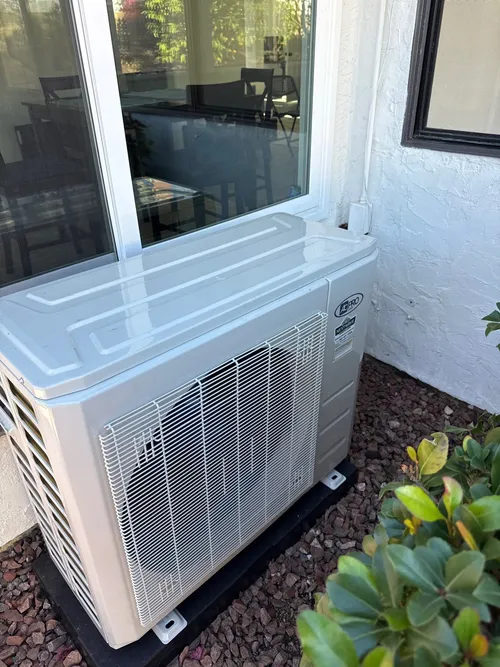
NextWave Heating and Air is a family-owned HVAC company serving San Diego, CA, with over 40 years of experience. They offer a wide range of services including air conditioning, furnace, heat pump, and mini split installation and repair, as well as indoor air quality solutions. Their expertise includes custom HVAC system design for new construction and remodels, ensuring efficient and code-compliant installations. Founded in 1996 and passed down within the family, NextWave combines traditional values with modern technology to provide reliable home comfort solutions.

G&G Indoor Services
9484 Black Mountain Rd Suite C, San Diego, CA 92126
G&G Indoor Services is a family-owned HVAC company serving San Diego, CA, with over 15 years of experience. They provide a wide range of heating and air conditioning services including installation, repair, and maintenance of AC units, furnaces, heat pumps, ductless systems, and ductwork. The company also offers indoor air quality solutions such as duct cleaning, insulation services, and rodent proofing to enhance home comfort and efficiency. G&G Indoor Services is EPA-certified and works with all major brands, offering manufacturer warranties and heat pump installation rebates to support energy-efficient upgrades.

Personal Plumbing Heating & Air Conditioning
110 Copperwood Way O, Oceanside, CA 92058
Personal Plumbing Heating & Air Conditioning is a veteran-owned company based in San Diego, CA, offering plumbing, heating, and air conditioning services. They provide HVAC installation, repair, and thermostat installation, along with indoor air quality solutions. The company is licensed, insured, bonded, and NATE certified, emphasizing professional and reliable service. One of their notable capabilities includes installing the Smart Air Monitor (SAM) thermostat, which adapts to user habits and monitors air quality to enhance home comfort. Personal Plumbing Heating & Air Conditioning also offers same-day service to address urgent needs promptly.

Sky Clean Air
9474 Chesapeake Dr Suite 902, San Diego, CA 92123
Sky Clean Air is a duct cleaning company based in San Diego, CA, specializing in improving indoor air quality. They offer HVAC and air duct cleaning services to help maintain cleaner air inside homes. Their services focus on removing dust and contaminants from air ducts to enhance air circulation and quality.
Stable Temp HVAC
4901 Morena Blvd Ste 319, San Diego, CA 92117
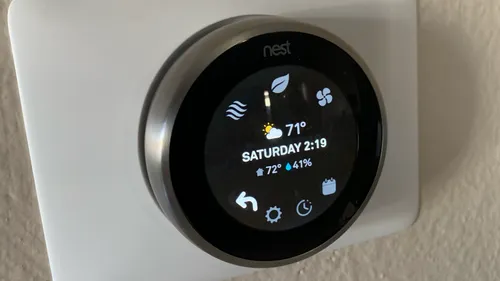
Stable Temp HVAC is an HVAC company based in San Diego, CA, offering a range of services including air conditioning installation and repair, mini split installation, duct cleaning, and indoor air quality solutions. They provide heating services such as heater installation, repair, and tune-ups, as well as commercial HVAC services for new construction and remodeling projects. The company is equipped to handle air quality improvements with UV lights, air scrubbers, and whole house fans. Stable Temp HVAC is certified, licensed, insured, and bonded, ensuring compliance with industry standards.
Why Vista's Indoor Air Quality Demands Attention
Vista's environment presents a distinct blend of influences on the air inside our structures. The proximity to the coast brings higher humidity levels, which can lead to moisture issues and mold growth if not properly managed 1. Seasonally, Southern California's wildfire smoke can significantly degrade outdoor air, allowing fine particulate matter (PM2.5) to seep indoors 2. Furthermore, typical suburban and light industrial activities introduce a mix of pollutants. Common concerns for Vista residents and business owners include:
- Mold and Mildew: Driven by coastal humidity in poorly ventilated spaces like bathrooms, basements, and attics.
- Particulate Matter (PM2.5): Microscopic particles from wildfire smoke, vehicle exhaust, and dust that can penetrate deep into the lungs.
- Volatile Organic Compounds (VOCs): Gases emitted from common household and office products like paints, cleaning supplies, new furniture, and carpets.
- Combustion Pollutants: Such as nitrogen dioxide and carbon monoxide from gas stoves, fireplaces, and vehicles in attached garages.
- Radon: A naturally occurring, radioactive gas that can enter buildings through foundation cracks-a risk that exists even in California 3.
In commercial settings, low air exchange rates can compound these issues, leading to "stuffy" air, employee headaches, and reduced productivity, often referred to as Sick Building Syndrome.
Common Indoor Air Pollutants in North County
To effectively manage your indoor environment, it's helpful to understand the specific sources and effects of common contaminants.
Biological Contaminants: Mold, Dust Mites, and Pollen Mold is a primary concern in Vista. It thrives in damp areas and can release spores that trigger allergies, asthma attacks, and other respiratory issues. Dust mites and pollen, which can be tracked indoors, are also common biological irritants, especially for sensitive individuals.
Chemical Pollutants: VOCs and Formaldehyde These are gases released from a vast array of synthetic materials. Sources include:
- Aerosol sprays and air fresheners
- Harsh chemical cleaners
- Paints, varnishes, and adhesives
- Pressed-wood products in new furniture or cabinetry
- New carpets and upholstery Reducing exposure to these sources is a key strategy in improving IAQ 4.
Combustion Byproducts Homes with gas appliances need to be mindful of combustion pollutants. A gas stove, for example, can release nitrogen dioxide and carbon monoxide during use. Ensuring proper ventilation with an exhaust hood that vents outdoors and regular maintenance of all combustion appliances is crucial for safety.
Fine Particulate Matter (PM2.5) This is one of the most pervasive threats during regional wildfire events. These particles are so small they bypass the body's natural defenses and are linked to serious cardiovascular and respiratory problems 5. Effective filtration is essential for protecting against PM2.5.
How to Test Your Indoor Air in Vista
Determining your specific air quality issues is the foundation for any effective solution. Vista residents have several options, from professional assessments to at-home monitoring.
Professional IAQ Assessment Hiring a certified professional is the most comprehensive approach. Local companies, such as Environmental Testing & Technology Inc. based in Vista, offer certified inspections for mold, radon, asbestos, and a full suite of IAQ parameters 6. A professional assessor will:
- Conduct a visual inspection for moisture and mold.
- Use specialized equipment to test for specific pollutants like formaldehyde, VOCs, radon, and particulate levels.
- Evaluate your HVAC system's role in air circulation and filtration.
- Provide a detailed report with actionable recommendations.
The cost for professional indoor air quality testing in Vista typically ranges from $250 to $550+, with the average around $400. The final price depends on the size of your home and the number of contaminants tested 7. For a small home under 1,000 sq ft, you might pay $200-$300, while a large home over 2,500 sq ft could cost $500-$1,000 for a thorough assessment.
Consumer-Grade Air Quality Monitors For ongoing awareness, consumer monitors are an excellent tool. Devices like the Airthings View Plus can track levels of PM2.5, VOCs, CO2, humidity, and even radon in real-time, providing data to your smartphone 8. While not a substitute for a certified inspection, these monitors help you identify patterns, like VOC spikes after cleaning or high humidity in certain rooms, so you can take corrective action.
DIY Test Kits You can find at-home test kits for specific concerns like mold or radon at hardware stores or online. These usually involve taking an air or surface sample and mailing it to a lab for analysis. They are a lower-cost starting point for a single, specific concern.
Find the perfect indoor air quality service providers for your needs
Get personalized recommendations and expert advice
Effective Strategies to Improve Your Home's Air
Once you understand your air quality profile, you can implement targeted solutions. A multi-pronged approach is often most effective.
1. Source Control The most effective way to improve air quality is to prevent pollutants from entering the air in the first place.
- Choose low-VOC or VOC-free paints, cleaning products, and building materials.
- Ensure gas stoves and fireplaces are properly vented to the outdoors.
- Address water leaks and dry wet areas within 24-48 hours to prevent mold.
- Test for radon, especially if you have a basement or crawl space.
2. Ventilation Improvement Diluting indoor pollutants with fresh outdoor air is vital.
- Use exhaust fans in bathrooms and kitchens, ensuring they vent outside.
- Open windows when weather and outdoor air quality permit to create cross-ventilation.
- Consider installing an Energy Recovery Ventilator (ERV) or Heat Recovery Ventilator (HRV) to bring in fresh, filtered air without losing heating or cooling energy, a strategy highlighted in modern California MEP design 9.
3. Advanced Filtration Upgrading your filtration system is a powerful defense, particularly against particles like PM2.5.
- HVAC Filters: Upgrade the filter in your central heating and cooling system to a high-efficiency option, such as a MERV 13 or higher rating. These filters can capture a significant percentage of fine particles. Replacement filters typically cost between $30 and $100, depending on the MERV rating 10.
- Portable Air Purifiers: For rooms where you spend the most time, like bedrooms, a portable HEPA air purifier can be highly effective. Look for units with both a HEPA filter (for particles) and an activated carbon filter (for gases and odors). Prices range from $100 to $800+ depending on capacity and features 11.
4. Humidity Management Keeping indoor relative humidity between 30% and 50% helps control mold, dust mites, and microbial growth.
- Use dehumidifiers in damp areas like basements.
- Ensure your air conditioning system is properly sized and maintained to remove humidity effectively.
5. Professional HVAC and Duct Maintenance Your HVAC system is the lungs of your home. Annual maintenance by a qualified technician ensures it operates efficiently and safely. Duct cleaning may be recommended if there is visible mold growth, vermin infestation, or excessive dust and debris clogging the vents 12.
Commercial Indoor Air Quality Considerations
For Vista businesses, maintaining superior indoor environmental quality is not just about health-it's linked to employee performance, reduced absenteeism, and customer satisfaction. Commercial IAQ strategies often involve:
- Regular HVAC System Assessments: Ensuring commercial systems meet ventilation standards (like ASHRAE 62.1) and are properly maintained 13.
- Dedicated Outdoor Air Systems (DOAS): These systems separately handle ventilation and humidity control, improving comfort and efficiency.
- Air Quality Monitoring: Installing commercial-grade sensors to monitor CO2, PM, and VOCs in real-time, allowing for dynamic control of ventilation systems 14.
- Green Cleaning Protocols: Switching to certified low-VOC cleaning products to reduce chemical exposure for staff and clients 15.
Frequently asked questions
Sources
Footnotes
-
San Diego California Home Inspector - Mold Inspection - Air Quality ... - https://www.sandiegohomeandmold.com/indoor-air-quality/ ↩
-
Indoor Air Quality Research - California Air Resources Board - https://ww2.arb.ca.gov/resources/documents/indoor-air-quality-research ↩
-
California Department of Health Services - Indoor Air Quality Info ... - https://www.rabbitair.com/pages/california-department-of-health-services-indoor-air-quality-info-sheet ↩
-
Indoor Air Quality - Overview - OSHA - https://www.osha.gov/indoor-air-quality ↩
-
Evaluating the Long-Term Health and Economic Impacts of Central Residential Air Filtration for Reducing Premature Mortality Associated with Indoor Fine Particulate Matter (PM2.5) of Outdoor Origin - https://pmc.ncbi.nlm.nih.gov/articles/PMC4515730/ ↩
-
Environmental Testing & Technology Inc - California - MapQuest - https://www.mapquest.com/us/california/environmental-testing-technology-inc-402577398 ↩
-
How Much Does Professional Home Indoor Air Quality Testing Cost? - https://www.airpf.com/how-much-does-a-home-indoor-air-quality-testing-cost/ ↩
-
How to test indoor air quality in your home - Airthings - https://www.airthings.com/resources/how-to-test-air-quality-in-your-home ↩
-
Optimizing Indoor Air Quality and Ventilation Systems in California MEP Design - https://www.linkedin.com/pulse/optimizing-indoor-air-quality-ventilation-systems-california-dq9fc?trk=public_post_main-feed-card_feed-article-content ↩
-
How Much Do Indoor Air Quality Systems Cost? - https://www.callmattioni.com/blog/t-indoor-air-quality-systems-cost/ ↩
-
The Role of Air Quality in San Diego Homes and How Your ... - https://www.williamswaterco.com/the-role-of-air-quality-in-san-diego-homes-and-how-your-hvac-system-helps ↩
-
Indoor Air Quality Test Cost | Schedule Your Appointment - Ambient Edge - https://www.ambientedge.com/faqs/differences-between-commercial-and-residential-hvac-12-3-14/ ↩
-
Multifamily Indoor Air Quality - https://title24stakeholders.com/wp-content/uploads/2023/10/Revised-Oct-2023_2025-T24-CASE-Report-MF-IAQ-1.pdf ↩
-
Air Quality Monitoring in Hospitality: Why It Matters - https://oizom.com/air-quality-monitoring-in-hospitality/ ↩
-
Improve Indoor Air Quality with Enviro-Solutions® Low VOC Products - https://charlotteproductsblog.com/2025/01/20/improve-indoor-air-quality-with-enviro-solutions-low-voc-products/ ↩