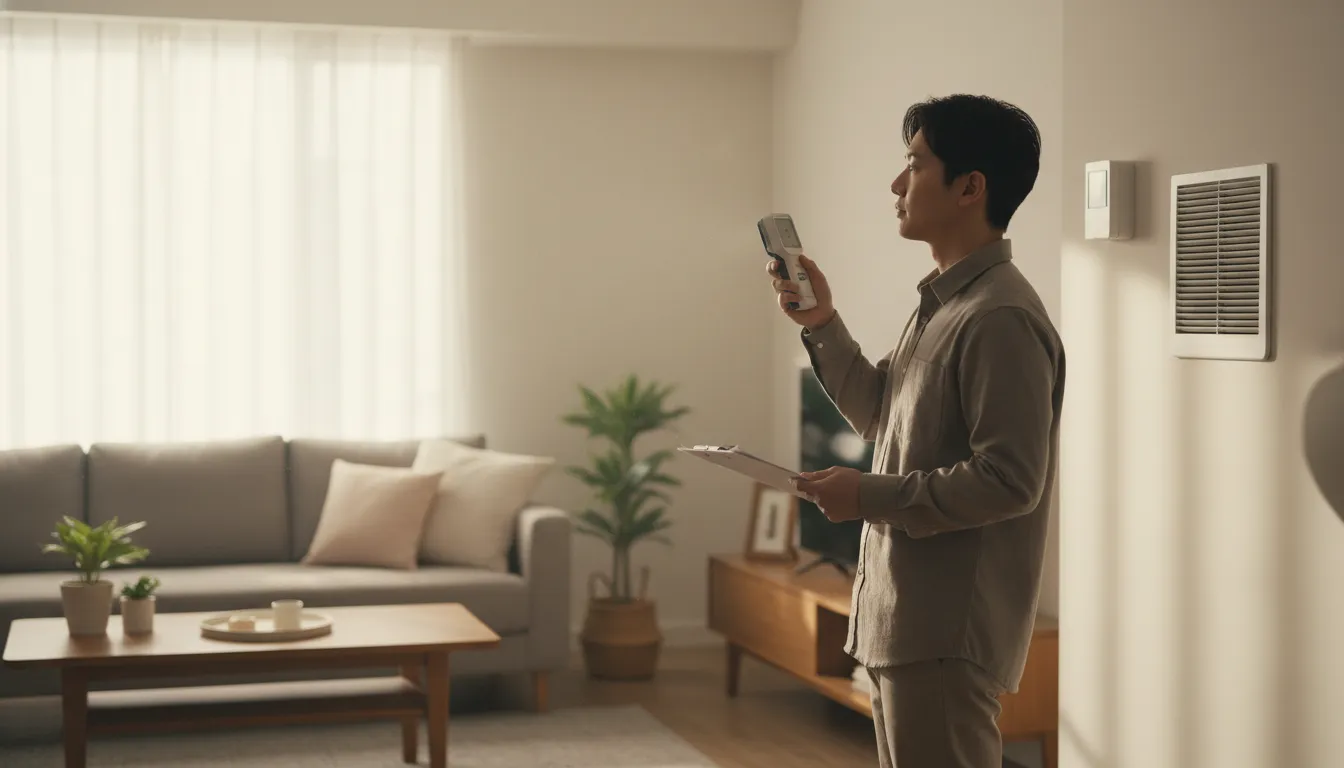
Find the Best Indoor Air Quality Service Providers for Your Business
No obligation • Fast responses • Nationwide coverage

Why you can trust HVAC Firms
HVAC Firms is a leading United States resource for evaluating HVAC service providers. Our team researches companies, checks credentials, and reviews customer feedback to present clear, unbiased information. Listings and rankings are based on merit, and companies cannot pay to change our editorial content.
Search providers near you
Top Indoor Air Quality Service Providers in Irvine, California Ranked
The air you breathe inside your Irvine home or office has a direct impact on your health, comfort, and productivity. Indoor air quality (IAQ) refers to the condition of the air within and around buildings, particularly as it relates to the health and well-being of occupants. In a modern city like Irvine, factors such as urban smog, seasonal wildfire smoke, and high coastal humidity can make managing your interior environment more important than ever. This guide will help you understand common local air quality concerns, identify potential problems, and explore effective solutions to create a cleaner, healthier indoor space.

All City Plumbing, Air & Electrical
5612 E La Palma Ave, Anaheim, CA 92807
All City Plumbing, Air & Electrical is a full-service provider based in Anaheim, CA, offering plumbing, HVAC, and electrical services. They serve residential and commercial customers with repair, installation, and maintenance for air conditioning, furnaces, thermostats, and indoor air quality systems. The company is known for its ACE-certified technicians and uses advanced technology such as hydro jetting for plumbing services. With over 13 years in business, All City Plumbing, Air & Electrical provides 24/7 emergency service to address urgent HVAC and plumbing needs.
Air Care
30211 Avenida de las Banderas #200, Rancho Santa Margarita, CA 92688
Air Care is a veteran-owned heating and air conditioning company based in Long Beach, CA. They provide residential HVAC services including air conditioning repair, furnace repair, mini split installation, HVAC tune-ups, and indoor air quality solutions. Serving Long Beach and the surrounding Orange County areas, Air Care offers 24/7 emergency services to address heating and cooling issues promptly. Their technicians are licensed, trained, and certified, ensuring professional and reliable workmanship. The company emphasizes quality and integrity in all their services and partners with top brands like Trane to deliver high-quality products.
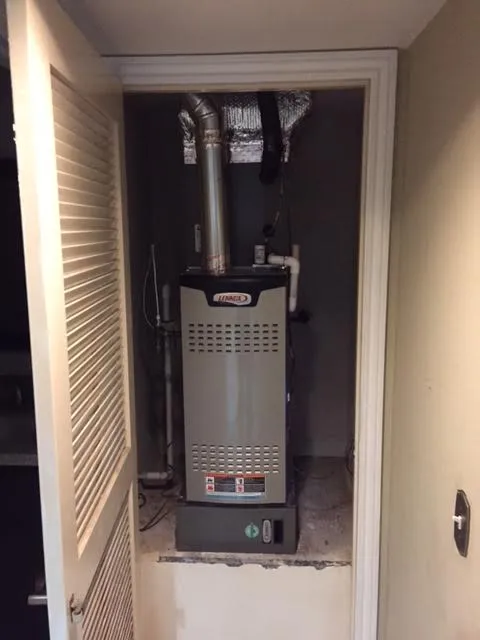
1st Choice Heating & Air Conditioning, Inc.
23372 Madero Suite B, Mission Viejo, CA 92691
1st Choice Heating & Air Conditioning, Inc. provides a wide range of HVAC services in Anaheim, CA. Their offerings include installation, repair, and maintenance of air conditioners, furnaces, heat pumps, mini-split systems, and thermostats, along with indoor air quality solutions. As a Lennox Premier Dealer and recipient of the Centurion Award, they specialize in Lennox products and deliver energy-efficient heating and cooling systems. Their technicians are trained to handle various HVAC needs, from tune-ups to system replacements, ensuring comfort throughout the year.
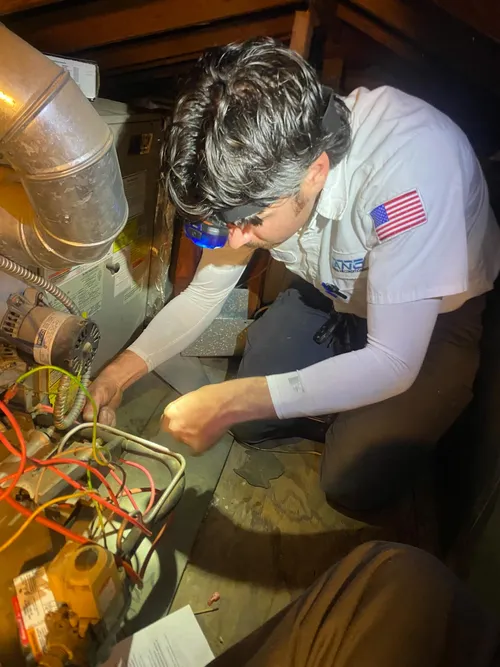
Sano Heating & Air Conditioning
5546 E La Palma Ave, Anaheim, CA 92807
Sano Heating & Air Conditioning is an HVAC company based in Anaheim, CA, providing a range of heating and cooling services. They offer repair and installation for air conditioners, furnaces, heat pumps, mini splits, and perform HVAC tune-ups. The company also specializes in indoor air quality solutions and energy-efficient options like ductless and zoned systems. Serving Anaheim and the surrounding Orange County area, they handle new construction projects and have sheet metal capabilities to support their HVAC services.
Eco Air Solutions- Heating/Air/QuietCool-That Fan Guy
3900 E Miraloma Ave unit d, Anaheim, CA 92806
Eco Air Solutions- Heating/Air/QuietCool-That Fan Guy is an HVAC company based in Anaheim, CA, offering services in heating, air conditioning, and indoor air quality. They serve Orange County, the Inland Empire, and South L.A. County, providing installation, repair, and maintenance for furnaces, air conditioners, and whole house fans. The company specializes in QuietCool whole house fans to improve indoor air quality and home comfort.
Understanding Irvine's Indoor Air Quality Challenges
While Irvine is known for its master-planned communities and green spaces, indoor environments here face unique pressures. The city's proximity to major freeways, its dense urban development, and its Mediterranean climate all contribute to specific IAQ profiles. Research from UC Irvine highlights that indoor surfaces can act as "massive sponges" for harmful chemicals, accumulating pollutants over time and re-releasing them into the air you breathe. Common irritants from outside, like particulate matter from vehicle emissions and occasional wildfire smoke, can easily infiltrate homes. Furthermore, the coastal influence can lead to higher indoor humidity levels, creating an ideal breeding ground for biological contaminants.
Common Indoor Pollutants in Irvine Homes and Offices
Identifying the sources of poor air is the first step toward improvement. The pollutants found in local buildings typically fall into several key categories.
Particulate Matter (PM)
Often referred to as particle pollution, PM is a mixture of solid particles and liquid droplets suspended in the air. In Irvine homes, significant sources include:
- Cooking (especially frying and broiling)
- Operating fireplaces or candles
- Vacuuming without a HEPA filter
- Outdoor air pollution, including urban smog and vehicle emissions, that seeps indoors 1
Fine particles can penetrate deep into the lungs and even enter the bloodstream, posing health risks.
Volatile Organic Compounds (VOCs)
These are gases emitted from certain solids or liquids. They are pervasive in modern interiors due to:
- Off-gassing from new furniture, cabinets made from pressed wood (often containing formaldehyde), carpets, and upholstery
- Paints, varnishes, and solvents
- Many common cleaning and disinfecting products, air fresheners, and personal care items The UC Irvine-led study emphasizes the significant role indoor surfaces play in storing and later releasing these chemicals, contributing to prolonged exposure2.
Biological Contaminants
These living organisms or their byproducts thrive in moisture. Irvine's humidity can encourage:
- Mold and mildew growth, particularly after water leaks or in poorly ventilated bathrooms
- Dust mites in bedding, upholstered furniture, and carpets
- Pet dander
- Pollen that enters from outdoors
- Bacteria and viruses3 4
Combustion Pollutants
Homes with gas appliances need to be mindful of gases like carbon monoxide (CO) and nitrogen dioxide (NO₂). Sources include:
- Unvented or malfunctioning gas stoves, ovens, and cooktops
- Furnaces and water heaters that are poorly maintained or improperly vented
Other Concerns
- Radon: This naturally occurring radioactive gas can seep into buildings through cracks in the foundation. While risk levels vary, testing is recommended.
- Asbestos: Found in insulation, floor tiles, and other building materials in homes constructed before 1978. It is hazardous only if disturbed 5.
How to Detect an Indoor Air Quality Problem
You don't always need professional equipment to suspect an issue. Start by paying attention to these signs:
Health Symptoms: Recurring headaches, fatigue, dizziness, irritation of the eyes, nose, or throat, and worsening allergy or asthma symptoms when indoors can all be indicators of poor IAQ 6.
Physical Signs: Visible mold growth, persistent musty odors, excessive dust accumulation shortly after cleaning, or condensation on windows are clear red flags.
For a more precise understanding, you can move to proactive detection:
DIY Monitoring: A variety of consumer-grade indoor air quality monitors are available. These devices can track levels of PM2.5, VOCs, carbon dioxide (CO₂), humidity, and sometimes specific gases like CO. They provide real-time data and trends.
Professional Assessment: For persistent, unexplained issues or specific concerns (like after significant water damage), hiring a professional for an IAQ assessment is advisable. Specialists use a combination of methods, including a detailed interview about complaints, a thorough inspection of the HVAC system and potential sources, and targeted air sampling or mold testing to identify contaminants and their concentrations7 8 9.
Find the perfect indoor air quality service providers for your needs
Get personalized recommendations and expert advice
Effective Solutions for Cleaner Indoor Air
Improving your home's air doesn't necessarily require a massive investment. A layered approach focusing on source control, ventilation, and filtration is most effective.
1. Source Control
The most effective way to improve IAQ is to eliminate or reduce individual pollution sources.
- Choose Low-VOC Products: Opt for low-VOC or VOC-free paints, adhesives, and cleaning supplies. Look for certifications like GREENGUARD.
- Manage Moisture: Promptly repair leaks. Use exhaust fans in bathrooms and kitchens. A dehumidifier can help maintain indoor relative humidity between 30% and 50%, inhibiting mold and dust mite growth10 11.
- Vent Combustion Appliances: Ensure gas stoves have a range hood that vents to the outdoors, and use it every time you cook. Have furnaces, water heaters, and fireplaces inspected annually.
2. Improve Ventilation
Diluting stale indoor air with fresh outdoor air is crucial.
- Natural Ventilation: Open windows and doors when weather and outdoor air quality permit.
- Mechanical Ventilation: Ensure your HVAC system is properly balanced. Consider installing an Energy Recovery Ventilator (ERV) or Heat Recovery Ventilator (HRV), which brings in fresh air while conserving energy by tempering the incoming air with the conditioned air being exhausted.
3. Enhance Air Cleaning and Filtration
When source control and ventilation aren't enough, cleaning the air is the next step.
- Upgrade HVAC Filters: The filter in your central heating and air system is your first line of defense. Upgrade to a filter with a higher MERV (Minimum Efficiency Reporting Value) rating-such as MERV 11 or 13-but only if your HVAC system is designed to handle the increased airflow resistance. A clogged high-MERV filter can damage your system.
- Use Portable Air Purifiers: These are excellent for targeting pollutants in specific rooms. For best results, select a unit with a true HEPA filter for capturing particles and an activated carbon filter for adsorbing gases and odors. Ensure the unit is properly sized for the room.
- Consider Duct Cleaning & Sealing: If your ducts have visible mold growth, are infested with vermin, or are clogged with excessive dust, professional cleaning may be beneficial. Sealing leaky ducts can also prevent dust from unconditioned spaces (like attics) from being drawn into your living areas.
4. Professional Remediation
Some problems require expert intervention.
- Mold Remediation: Extensive mold growth should be addressed by certified professionals who can safely contain and remove the material.
- Radon Mitigation: If testing reveals elevated radon levels (4 pCi/L or higher), a professional can install a radon mitigation system, typically involving sub-slab depressurization, which can cost between $1,500 and $3,000+12 13.
Local Regulations and Resources
It's important to note that indoor air quality in private residences is not directly regulated by the Orange County Environmental Health Department. However, the agency provides guidance and recommends following standards and resources from the U.S. Environmental Protection Agency (EPA) and the California Air Resources Board (CARB)14 15 16. CARB, for instance, enforces standards for air cleaning devices sold in California to ensure they do not emit harmful levels of ozone16.
Frequently asked questions
Sources
Footnotes
-
Sources of Indoor Particulate Matter (PM) | US EPA - https://www.epa.gov/indoor-air-quality-iaq/sources-indoor-particulate-matter-pm ↩
-
Indoor surfaces act as massive sponges for harmful chemicals ... - https://news.uci.edu/2025/09/22/indoor-surfaces-act-as-massive-sponges-for-harmful-chemicals-uc-irvine-led-study-shows/ ↩
-
Indoor Air Quality - Just Right Services - https://www.justrightservices.net/other-services/indoor-air-quality/ ↩
-
Biological Pollution of Indoor Air, Its Assessment and Control Methods - https://www.mdpi.com/2673-8392/4/3/79 ↩
-
Indoor Air Quality - County of Los Angeles Public Health - http://www.publichealth.lacounty.gov/Eh/safety/indoor-air-quality.htm ↩
-
Articles - https://www.euroenvironmental.co.uk/news/item/why-indoor-air-quality-matters-boosting-wellbeing-productivity-and-brain-power-in-the-workplace ↩
-
Top-Rated Air Quality Testing in Irvine, Orange County, CA - https://gpmoldinspection.com/air-quality-testing/ ↩
-
Indoor Air Quality Tools - https://www.ucop.edu/safety-and-loss-prevention/_files/air_quality_manual.pdf ↩
-
Indoor Air Quality Testing - Gainesville | Greenwood Environmental - https://www.gpiservices.com/indoor-air-quality-testing-gainesville/ ↩
-
4 Major Sources of Indoor Air Pollution in Your Home - https://shiptons.ca/4-causes-for-indoor-air-pollution/ ↩
-
Residential Air Cleaners - A Technical Summary - EPA - https://www.epa.gov/sites/default/files/2018-07/documents/residential_air_cleaners_-_a_technical_summary_3rd_edition.pdf ↩
-
Indoor Air Quality Services Irvine CA - https://www.dglair.com/indoor-air-quality ↩
-
Air Quality in Orange County | Associated heating & Air, Inc. - https://www.associatedheatingandair.com/does-your-orange-county-homes-air-quality-need-to-be-purified/ ↩
-
Indoor Air Quality | Orange County California - https://www.ochealthinfo.com/services-programs/environmental-health/indoor-air-quality ↩
-
BDCC Home - https://epa-bdcc.ornl.gov/ ↩
-
Indoor Air Cleaner Enforcement - California Air Resources Board - https://ww2.arb.ca.gov/our-work/programs/indoor-air-cleaner-enforcement ↩ ↩2