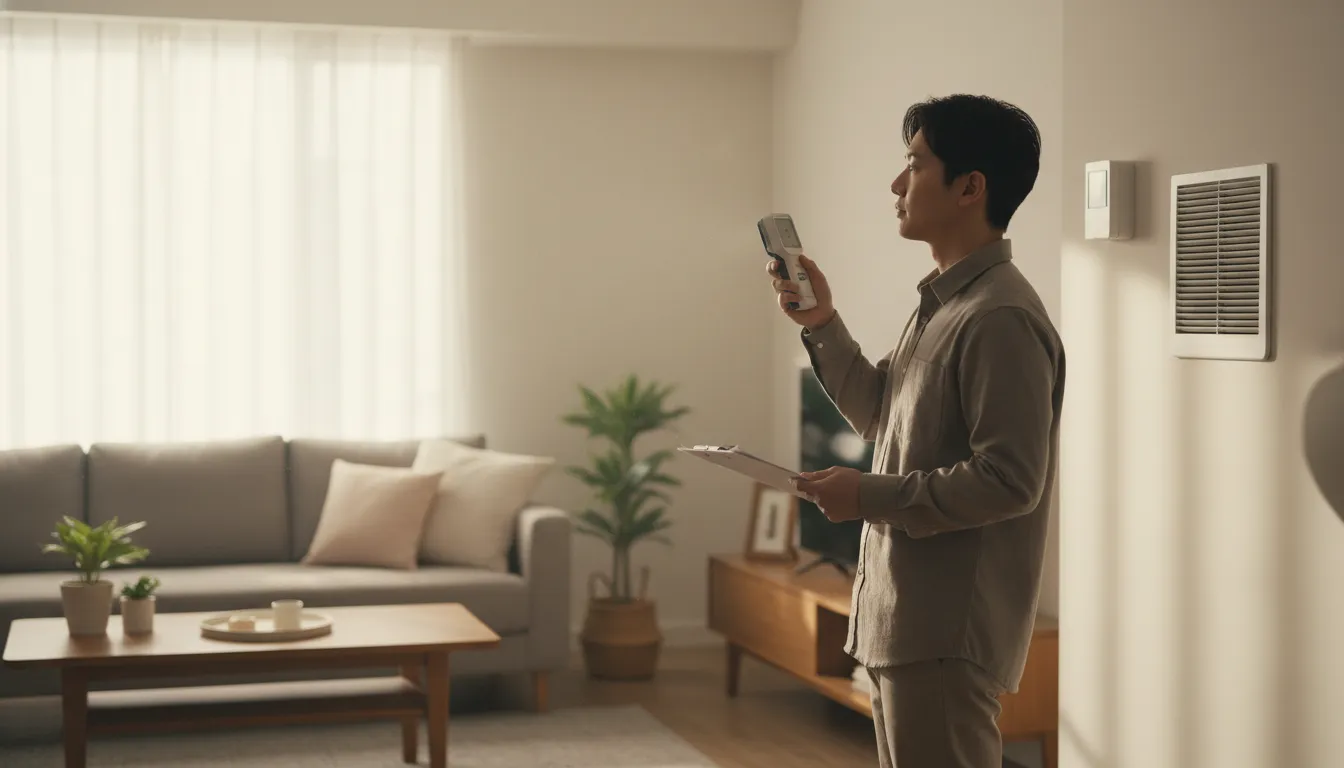
Find the Best Indoor Air Quality Service Providers for Your Business
No obligation • Fast responses • Nationwide coverage

Why you can trust HVAC Firms
HVAC Firms is a leading United States resource for evaluating HVAC service providers. Our team researches companies, checks credentials, and reviews customer feedback to present clear, unbiased information. Listings and rankings are based on merit, and companies cannot pay to change our editorial content.
Search providers near you
Top Indoor Air Quality Service Providers in San Diego, California Ranked
The air you breathe inside your home or office in San Diego directly impacts your health, comfort, and productivity. Indoor Air Quality (IAQ) refers to the condition of the air within buildings, influenced by a complex mix of outdoor pollution and indoor sources. In our region, this is especially critical due to factors like seasonal wildfire smoke, coastal humidity, and energy-efficient building designs that can trap pollutants. Understanding and managing your indoor environment involves identifying specific contaminants, from particulate matter to volatile chemicals, and implementing targeted solutions like advanced filtration, ventilation, and moisture control. This resource connects you with the essential information and local expertise needed to assess and improve the air in your San Diego space.
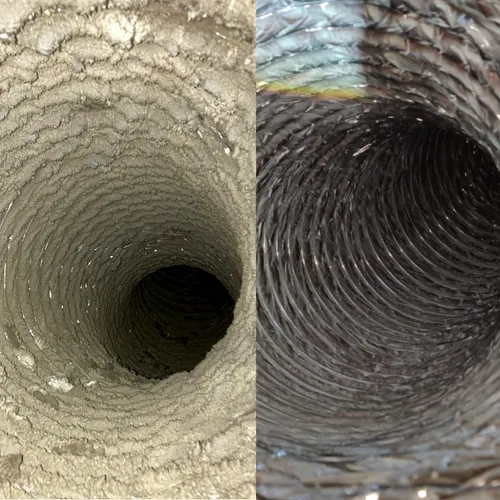
Absolute Duct & Chimney Cleaning
8733 Magnolia Ave Suite 203, Santee, CA 92071
Absolute Duct & Chimney Cleaning is a family-owned business serving San Diego, CA, specializing in commercial and residential air duct, dryer vent, and chimney cleaning. Their services help improve indoor air quality and reduce the risk of fires caused by lint and flammable buildup. The company employs OSHA-trained and certified professionals who accommodate customer schedules and prioritize safety for homes with children and pets.
JPM Heating & Air Inc.
1551 Cuyamaca St, El Cajon, CA 92020
JPM Heating & Air Inc. is a family-owned HVAC contractor serving San Diego, CA, with over 20 years of experience. They provide a range of services including installation, repair, and maintenance of air conditioning, furnaces, heat pumps, and ductwork. As a Bryant Factory Authorized Dealer, they offer reliable HVAC solutions backed by warranties on labor and parts. Their services also include indoor air quality improvements such as air purifiers and humidifiers. JPM Heating & Air offers emergency response within 24 hours and same-day installation estimates, emphasizing clear communication and community values.
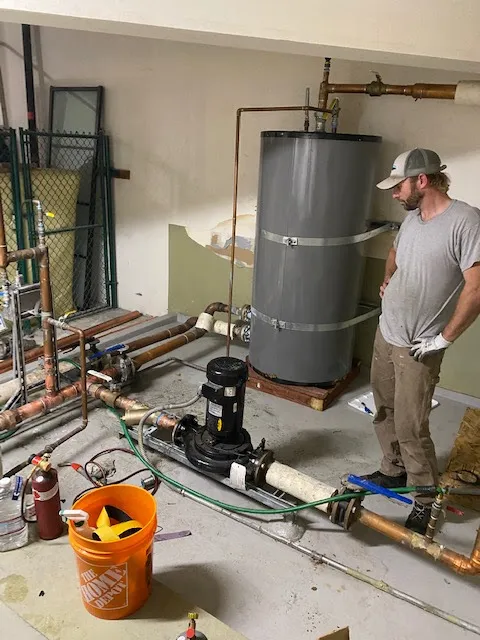
Flite Mechanical Heating & Air Professionals
3781 El Canto Dr, Spring Valley, CA 91977
Flite Mechanical Heating & Air Professionals provides HVAC installation, repair, and indoor air quality services in San Diego, CA. They handle air conditioning, furnace, mini split, and new construction HVAC systems. The company is equipped with skilled technicians who focus on accurate and reliable service to maintain comfortable indoor environments year-round. Serving homeowners and businesses in San Diego and nearby areas, Flite Mechanical is committed to supporting both residential and commercial HVAC needs.
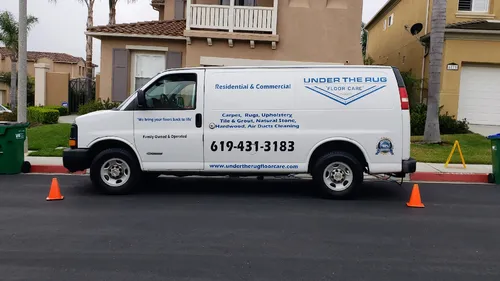
Under The Rug Floorcare Carpet Cleaning San Diego
5722 El Cajon Blvd, San Diego, CA 92115
Under The Rug Floorcare Carpet Cleaning San Diego offers a variety of cleaning services in Chula Vista, CA, including carpet, rug, upholstery, tile and grout, natural stone, and air duct cleaning to improve indoor air quality. The company uses high-quality, eco-friendly products and proven techniques to clean and rejuvenate surfaces safely. With over fifteen years of combined experience, this husband and wife team is certified by the Institute of Inspection Cleaning and Restoration Certification and provides flexible scheduling to meet customer needs.
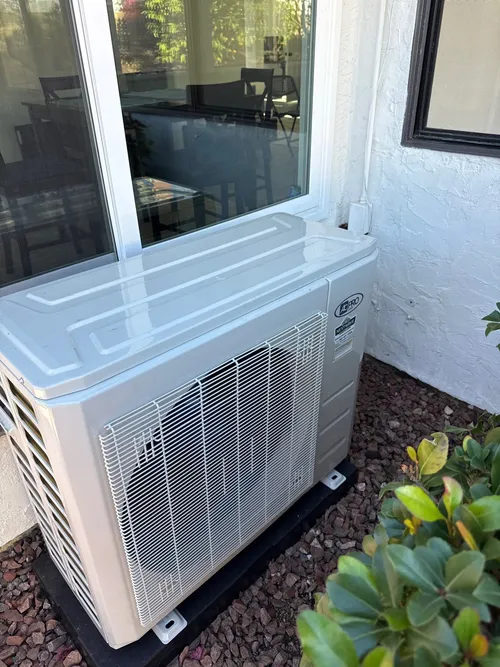
NextWave heating and air
28905 Olive Ln, Valley Center, CA 92082
NextWave Heating and Air is a family-owned HVAC company serving San Diego, CA, with over 40 years of experience. They offer a wide range of services including air conditioning, furnace, heat pump, and mini split installation and repair, as well as indoor air quality solutions. Their expertise includes custom HVAC system design for new construction and remodels, ensuring efficient and code-compliant installations. Founded in 1996 and passed down within the family, NextWave combines traditional values with modern technology to provide reliable home comfort solutions.
Why San Diego's Indoor Air Presents Unique Challenges
San Diego's idyllic climate and setting come with specific air quality considerations that affect indoor spaces. The region frequently contends with wildfire smoke, which carries fine particulate matter (PM2.5) into homes, even with windows closed1 2. Ozone, a major regional pollutant formed from vehicle and industrial emissions, can also infiltrate buildings and react with indoor materials1 3. Furthermore, modern, energy-efficient construction, while excellent for reducing energy costs, can lead to a "tight" building envelope. This reduces natural air exchange, allowing pollutants from indoor sources to accumulate to higher levels1.
Common indoor pollutant sources in San Diego homes and offices include:
- Volatile Organic Compounds (VOCs): Emitted from furniture, cleaning products, paints, and building materials.
- Combustion Byproducts: Gas stoves, furnaces, and water heaters can release nitrogen dioxide (NO2) and carbon monoxide (CO).
- Biological Contaminants: The coastal environment can contribute to mold and mildew growth in areas with poor ventilation or moisture intrusion. Pet dander, dust mites, and pollen are also common allergens.
- Radon: While risk varies by location, this naturally occurring radioactive gas can seep into buildings from the ground and is a known health concern.
Recognizing Signs of Poor Indoor Air
You don't always need a test to suspect an issue. Start with a visual and sensory inspection. Look for excessive dust accumulation, visible mold growth (often in bathrooms, under sinks, or around windows), or signs of water damage. A persistent musty or stale odor is a strong indicator. Health symptoms can also be a clue; frequent headaches, fatigue, sinus congestion, allergy flare-ups, or dizziness while indoors may point to pollutant exposure.
For a more data-driven approach, DIY indoor air quality monitoring has become accessible. Affordable consumer-grade sensors can track levels of PM2.5, VOCs, carbon dioxide (CO2), humidity, and temperature. These devices are excellent for identifying trends, such as spikes in particulates during a wildfire event or high humidity levels that could promote mold.
Find the perfect indoor air quality service providers for your needs
Get personalized recommendations and expert advice
Professional Indoor Air Quality Assessment in San Diego
When DIY checks indicate a problem or for a comprehensive baseline, professional testing is the next step. Local specialists, such as those from environmental testing companies or HVAC service providers, conduct detailed evaluations 4. A professional assessment typically involves:
- Consultation & Visual Inspection: An expert will discuss your concerns, health symptoms, and the building's history before conducting a thorough visual examination.
- Targeted Sampling: Unlike a single device, professionals use calibrated instruments to test for specific contaminants you're concerned about. This can include 5:
- Mold spore sampling (air and surface).
- VOC and formaldehyde testing.
- Combustion gas testing (CO, NO2).
- Radon testing (often a long-term sample).
- Allergen testing (dust mite, pet dander).
- Detailed Report & Recommendations: You receive a formal report explaining the findings, how they compare to health guidelines or typical levels, and a clear list of recommended actions to resolve any issues identified.
The cost for professional indoor air quality testing in San Diego varies based on the scope, the number of pollutants tested, and the size of the property. Estimates generally range from approximately $250 for a basic assessment to over $1,000 for a full suite of tests including mold, VOCs, and gases6 7.
Effective Strategies for Cleaner Indoor Air
Improving your home's air involves a multi-pronged strategy: removing sources, diluting pollutants, and cleaning the air.
1. Source Control
The most effective method is to prevent pollutants from entering the air in the first place.
- Choose low-VOC or VOC-free paints, finishes, and cleaning products.
- Ensure gas-burning appliances are properly vented to the outside and are regularly maintained8.
- Address water leaks and moisture issues promptly to prevent mold growth.
- Use exhaust fans in kitchens and bathrooms and vent clothes dryers outdoors.
2. Ventilation Solutions
Introducing fresh air is crucial, but in San Diego, it's wise to do so strategically to avoid bringing in ozone or smoke.
- Open Windows: When regional air quality is good (check the SDAPCD website or air quality apps), opening windows is a simple and effective method.
- Energy Recovery Ventilators (ERVs) or Heat Recovery Ventilators (HRVs): These are whole-house systems that exhaust stale indoor air while bringing in fresh outdoor air. They transfer heat and moisture between the two airstreams, minimizing energy loss, making them ideal for San Diego's climate and tight homes.
3. Air Cleaning & Filtration
For pollutants that are already airborne, filtration and purification are key.
- HVAC Filter Upgrades: The filter in your central heating and cooling system is your first line of defense. Upgrade to a filter with a Minimum Efficiency Reporting Value (MERV) of 13 or higher to capture fine particles like PM2.5. Ensure your system can handle the increased airflow resistance.
- Portable Air Purifiers: Use HEPA-filter-based purifiers in key rooms like bedrooms. HEPA filters capture 99.97% of particles 0.3 microns in size. Choose a unit sized appropriately for the room.
- Whole-Home Air Purifiers: Installed directly into your HVAC ductwork, these systems (like polarized-media or high-intensity electronic air cleaners) clean the air throughout the entire house as it circulates.
- UV-C Germicidal Lights: Installed inside the HVAC ductwork, these ultraviolet lamps can help inactivate mold spores, bacteria, and viruses, addressing biological contaminants.
4. Moisture & Humidity Management
Controlling humidity is vital for comfort and preventing mold.
- Dehumidifiers: In naturally damp areas or during humid periods, a dehumidifier can keep relative humidity below 60%, inhibiting mold and dust mite growth.
- Humidifiers: During dry Santa Ana wind events, a humidifier can add necessary moisture to protect respiratory tissues and wooden furnishings, but must be cleaned regularly to avoid becoming a mold source.
Leveraging Local Resources
San Diego residents have valuable local resources for understanding broader air quality trends. The San Diego County Air Pollution Control District (SDAPCD) monitors outdoor air pollution levels across the region and provides real-time data and forecasts 9. They also engage in community air protection programs, particularly in disadvantaged communities near the international border and industrial zones10. Understanding the outdoor air quality index (AQI) can help you make daily decisions about ventilation and outdoor activity.
Frequently asked questions
Sources
Footnotes
-
Indoor Air Quality & Exposure - California Air Resources Board - https://ww2.arb.ca.gov/our-work/topics/indoor-air-quality-exposure ↩ ↩2 ↩3
-
Air Quality Planning - San Diego County Air Pollution Control District - https://www.sdapcd.org/content/sdapcd/planning.html ↩
-
Indoor Air Quality Testing in San Diego, CA | ARS - https://www.ars.com/san-diego/indoor-air-quality ↩
-
TOP 10 BEST Indoor Air Quality Testing in San Diego, CA - Yelp - https://m.yelp.com/search?find_desc=Indoor+Air+Quality+Testing&find_loc=San+Diego%2C+CA ↩
-
San Diego Indoor Air Quality Testing | Comfort Bros - https://comfortbros.com/san-diego/indoor-air-quality-testing/ ↩
-
Indoor Air Quality Inspection Services in San Diego, CA - https://www.titan-enviro.com/indoor-air-quality-assessment-san-diego-ca/ ↩
-
How Much Does Professional Home Indoor Air Quality Testing Cost? - https://www.airpf.com/how-much-does-a-home-indoor-air-quality-testing-cost/ ↩
-
Progresses and Challenges on Indoor Air Quality in California - https://ww2.arb.ca.gov/resources/documents/progresses-and-challenges-indoor-air-quality-california ↩
-
annual air quality report - https://www.sdapcd.org/content/dam/sdapcd/documents/community/annual-air-quality-reports/2023/2023%20SDAPCD%20Annual%20Air%20Quality%20Report.pdf ↩
-
The San Diego County Air Pollution Control District AB 617 - https://ww2.arb.ca.gov/sites/default/files/2019-11/2019%2009%2026_SD%20International%20Border%20Community%20Year%202.pdf ↩