Find the Best Indoor Air Quality Service Providers for Your Business
No obligation • Fast responses • Nationwide coverage

Why you can trust HVAC Firms
HVAC Firms is a leading United States resource for evaluating HVAC service providers. Our team researches companies, checks credentials, and reviews customer feedback to present clear, unbiased information. Listings and rankings are based on merit, and companies cannot pay to change our editorial content.
Search providers near you
Top Indoor Air Quality Service Providers in Long Beach, California Ranked
The air you breathe inside your Long Beach home or business directly impacts your comfort, health, and well-being. Indoor air quality (IAQ) refers to the condition of the air within and around buildings, particularly as it relates to the presence of pollutants and the health of occupants. In a coastal city with industrial activity and a mild climate, managing IAQ is crucial for mitigating allergens, chemical exposure, and other contaminants. This guide helps you understand the unique air quality challenges in Long Beach and the practical steps, from professional assessments to DIY improvements, you can take to create a healthier indoor environment.

All City Plumbing, Air & Electrical
5612 E La Palma Ave, Anaheim, CA 92807
All City Plumbing, Air & Electrical is a full-service provider based in Anaheim, CA, offering plumbing, HVAC, and electrical services. They serve residential and commercial customers with repair, installation, and maintenance for air conditioning, furnaces, thermostats, and indoor air quality systems. The company is known for its ACE-certified technicians and uses advanced technology such as hydro jetting for plumbing services. With over 13 years in business, All City Plumbing, Air & Electrical provides 24/7 emergency service to address urgent HVAC and plumbing needs.
Air Care
30211 Avenida de las Banderas #200, Rancho Santa Margarita, CA 92688
Air Care is a veteran-owned heating and air conditioning company based in Long Beach, CA. They provide residential HVAC services including air conditioning repair, furnace repair, mini split installation, HVAC tune-ups, and indoor air quality solutions. Serving Long Beach and the surrounding Orange County areas, Air Care offers 24/7 emergency services to address heating and cooling issues promptly. Their technicians are licensed, trained, and certified, ensuring professional and reliable workmanship. The company emphasizes quality and integrity in all their services and partners with top brands like Trane to deliver high-quality products.
Sano Heating & Air Conditioning
5546 E La Palma Ave, Anaheim, CA 92807
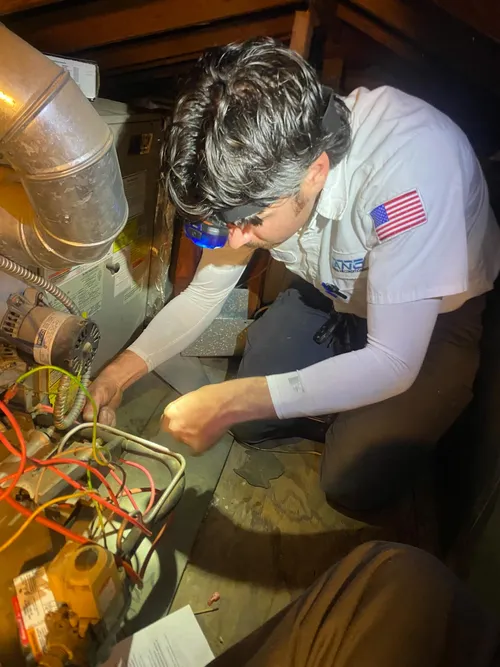
Sano Heating & Air Conditioning is an HVAC company based in Anaheim, CA, providing a range of heating and cooling services. They offer repair and installation for air conditioners, furnaces, heat pumps, mini splits, and perform HVAC tune-ups. The company also specializes in indoor air quality solutions and energy-efficient options like ductless and zoned systems. Serving Anaheim and the surrounding Orange County area, they handle new construction projects and have sheet metal capabilities to support their HVAC services.
Eco Air Solutions- Heating/Air/QuietCool-That Fan Guy
3900 E Miraloma Ave unit d, Anaheim, CA 92806
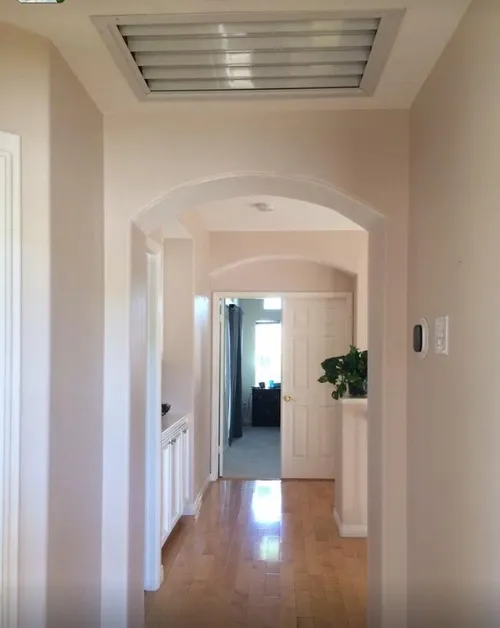
Eco Air Solutions- Heating/Air/QuietCool-That Fan Guy is an HVAC company based in Anaheim, CA, offering services in heating, air conditioning, and indoor air quality. They serve Orange County, the Inland Empire, and South L.A. County, providing installation, repair, and maintenance for furnaces, air conditioners, and whole house fans. The company specializes in QuietCool whole house fans to improve indoor air quality and home comfort.
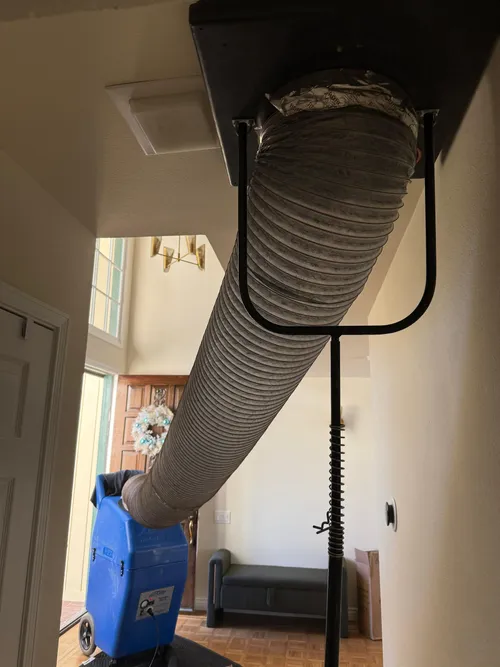
Dr. Dryer Vent Cleaning & Air Duct Cleaning OC
Irvine, CA
Dr. Dryer Vent Cleaning & Air Duct Cleaning OC is a family-owned company serving Irvine, CA, and the surrounding Orange County and Los Angeles areas. They specialize in air duct cleaning, dryer vent cleaning, and AeroSeal duct sealing services to improve indoor air quality, enhance HVAC efficiency, and reduce fire risks. Established in 2007, the company has over 16 years of experience and uses state-of-the-art equipment to address dust, fungus, and allergens in air ducts. Their technicians provide thorough inspections to ensure safety and cleaner air for homes and businesses.
Understanding Long Beach's Unique Air Quality Challenges
Long Beach residents face a dual threat to their indoor environment: common household pollutants and the significant influence of regional outdoor air issues. The city's proximity to the Port of Long Beach, major freeways, and industrial zones means outdoor pollutants like ozone and fine particulate matter (PM2.5) can easily seep indoors. This is compounded by typical indoor sources, creating a complex IAQ landscape that requires a tailored approach for effective management.
Primary Indoor Air Pollutants in Long Beach Homes
A comprehensive strategy begins with identifying the common culprits. The main categories of indoor air pollutants affecting Long Beach include:
- Biological Contaminants: The coastal humidity can contribute to moisture problems, leading to mold growth in bathrooms, basements, and around windows. Dust mites, pollen from local flora, and pet dander are also pervasive allergens that degrade air purity 1.
- Chemical Pollutants (VOCs): Volatile Organic Compounds are gases emitted from a wide array of household products. Sources include cleaning supplies, paints, varnishes, new furniture, carpets, and even some building materials. These chemicals can cause short- and long-term health effects.
- Combustion Byproducts: Homes with gas stoves, furnaces, water heaters, or fireplaces risk indoor accumulation of carbon monoxide (CO) and nitrogen dioxide. Environmental tobacco smoke is another significant source of combustion-related pollutants.
- Legacy Hazards: Older homes in Long Beach's historic neighborhoods may contain lead-based paint or asbestos in insulation, tiles, or other materials. These become hazardous airborne particles only when disturbed during renovations or deterioration.
- Radon Gas: While Los Angeles County is not generally considered a high-risk zone for radon, this radioactive gas can still enter homes through cracks in the foundation. Testing is the only way to know if it's present at concerning levels.
How to Assess Your Indoor Air
Determining your home's specific issues is the critical first step toward cleaner air. You have options ranging from professional-grade analysis to simple at-home monitoring.
Professional Air Quality Testing and Inspection
For a definitive diagnosis, especially when health symptoms are present or you suspect a serious issue like hidden mold or asbestos, hiring a certified professional is recommended. These inspectors use specialized equipment to provide a comprehensive report on pollutant levels.
- What it Involves: A professional assessment typically includes measuring particulate levels, humidity, carbon dioxide, VOCs, and may involve taking air or surface samples for lab analysis for mold or asbestos 2.
- When to Consider It: Prior to buying an older home, after a major water leak, if household members have unexplained respiratory issues, or before starting a major renovation project in a pre-1978 home.
DIY Monitoring and Initial Steps
For ongoing awareness and initial screening, several DIY approaches are effective:
- Home Test Kits & Monitors: Affordable consumer-grade devices are available for specific concerns. You can purchase radon test kits, use VOC sensors, and of course, install carbon monoxide detectors (which are legally required in many areas).
- Visual and Olfactory Inspection: Regularly check for signs of moisture, water damage, or mold growth. Be mindful of persistent musty odors or chemical smells that could indicate a problem.
- Health Clues: Pay attention if allergy-like symptoms (sneezing, congestion, itchy eyes) improve when you leave the house, or if headaches and dizziness occur primarily at home.
Effective Strategies for Improving Indoor Air
Once you understand your home's profile, a multi-pronged approach of source control, ventilation, and cleaning is most effective for enhancing your home's air purity 3.
Source Control: Stopping Pollutants at the Origin
The most effective way to improve IAQ is to eliminate or reduce the sources of pollution.
- Moisture Management: Use exhaust fans in bathrooms and kitchens, fix leaks promptly, and consider a dehumidifier in damp areas to prevent mold growth 4.
- Choose Low-VOC Products: Opt for paints, cleaners, and furnishings labeled as low-VOC or green-certified.
- Proper Ventilation for Combustion Appliances: Ensure gas stoves, furnaces, and fireplaces are properly vented to the outside and serviced annually.
- Safe Renovation Practices: If your home was built before 1978, assume paint contains lead. Hire EPA-certified professionals for renovation work to safely handle asbestos or lead-based materials 5.
Enhanced Ventilation: Diluting Indoor Pollutants
Increasing the amount of outdoor air coming indoors helps dilute and remove contaminated air.
- Natural Ventilation: Open windows and doors when weather permits and outdoor air quality is good (check local air quality indexes). Cross-ventilation is especially effective.
- Mechanical Ventilation: Use bathroom and kitchen exhaust fans that vent outdoors, not just into the attic. For whole-home solutions, consider installing an Energy Recovery Ventilator (ERV) or Heat Recovery Ventilator (HRV), which bring in fresh air while minimizing energy loss 6.
Air Cleaning and Filtration
While not a substitute for source control and ventilation, air cleaners can be a valuable part of your strategy.
- HVAC Filter Upgrades: The filter in your central heating and cooling system is your first line of defense. Upgrade to a filter with a higher MERV rating (between 11 and 13 is often ideal for residential use) to capture finer particles. Change filters regularly according to manufacturer instructions.
- Portable Air Purifiers: Use HEPA-filter air purifiers in bedrooms and main living areas. HEPA filters are highly effective at removing particulate matter like dust, pollen, and mold spores. Some units also include activated carbon filters to help reduce VOCs and odors 7.
- Duct Cleaning: The necessity of duct cleaning varies. It's most beneficial if there is substantial visible mold growth inside ducts, vermin infestation, or if ducts are clogged with excessive dust and debris. It's less about routine maintenance and more about addressing specific problems.
Find the perfect indoor air quality service providers for your needs
Get personalized recommendations and expert advice
Costs for Testing and Improvement in Long Beach
Investing in better air involves various potential costs, depending on the scope of work. Here's a general overview based on regional data:
- Professional Air Quality Testing: A standard professional assessment in Long Beach typically ranges from $292 to $584 on average. Testing for specific contaminants adds to the cost: mold testing can range from $300 to $1,000, radon testing from $150 to $800, VOC testing from $200 to $400, and asbestos testing from $250 to $800 8.
- Remediation and Improvement: Addressing the root cause is a separate and often larger investment. Average mold removal costs $1,200 to $3,800. Installing a radon mitigation system averages $800 to $1,300. The price for air duct cleaning varies widely based on home size and system complexity 9 10.
- Ongoing Maintenance & Equipment: High-efficiency portable air purifiers are a one-time purchase ranging from a couple hundred to over a thousand dollars, with additional ongoing costs for replacement filters. Regularly scheduled HVAC maintenance is a proactive cost that helps prevent major IAQ issues.
The Health Impact of Indoor Air
Poor indoor air doesn't just cause discomfort; it can have significant health consequences. Exposure can lead to immediate effects like irritation of the eyes, nose, and throat, headaches, dizziness, and fatigue. These often resemble cold or allergy symptoms. Long-term exposure to certain pollutants like radon, asbestos, or secondhand smoke is linked to serious respiratory diseases, heart disease, and even cancer. Children, the elderly, and individuals with pre-existing conditions like asthma are particularly vulnerable. Improving your home's air is a direct investment in your long-term health and quality of life.
Local Resources and Regulations
Long Beach and Los Angeles County offer resources for residents concerned about air quality.
- Los Angeles County Public Health Department provides information on common indoor air pollutants, health effects, and guidance on issues like mold and asbestos 11.
- California Air Resources Board (CARB) oversees state-level programs and research on indoor air pollution, offering consumer guides and regulatory information 12 13.
- South Coast Air Quality Management District (AQMD) monitors and regulates outdoor air quality in the region. Checking their air quality forecasts can help you decide when it's safe to open windows for natural ventilation.
Taking a proactive stance on your indoor environment is one of the most important things you can do for your household's health in Long Beach. By combining knowledge, practical action, and professional help when needed, you can significantly improve the air you breathe every day.
Frequently asked questions
Sources
Footnotes
-
Top Indoor Air Quality Tips for Long Beach Residents - https://www.powerproplumbing.com/blog/top-indoor-air-quality-tips ↩
-
IAQ Testing Methods - 3 Common Assays - https://pureaircontrols.com/iaq-testing-methods-3-common-assays/ ↩
-
Improving Indoor Air Quality | US EPA - https://www.epa.gov/indoor-air-quality-iaq/improving-indoor-air-quality ↩
-
Improve Indoor Air Quality in Long Beach Home - Power Pro Plumbing - https://www.powerproplumbing.com/blog/improve-indoor-air-quality-in-long-beach-home ↩
-
4.1 Air Quality - City of Long Beach - https://www.longbeach.gov/globalassets/lbcd/media-library/documents/planning/environmental/environmental-reports/pending/intex-corporate-office-and-fulfillment-center-project-eir/4-1-air-quality ↩
-
Willowbrook, CA Indoor Air Quality Solutions - https://www.powerproplumbing.com/indoor-air-quality/indoor-air-quality-solutions-willowbrook-ca ↩
-
4 Major Indoor Air Pollutants Impacting Your Health - https://evergreenairquality.com/what-are-the-4-major-indoor-air-pollutants/ ↩
-
How Much Does Indoor Air Quality Testing Cost? [2025 Data] - https://www.homeadvisor.com/cost/environmental-safety/test-indoor-air-quality/ ↩
-
The Impact of Indoor Air Quality on Overall Health in Long ... - https://thomsonac.com/impact-of-indoor-air-quality-on-overall-health/ ↩
-
How Much Does Indoor Air Quality Testing Cost? [2026 Data] - https://www.angi.com/articles/how-much-does-indoor-air-quality-testing-cost.htm ↩
-
Indoor Air Quality - County of Los Angeles Public Health - http://www.publichealth.lacounty.gov/Eh/safety/indoor-air-quality.htm ↩
-
Indoor Air - California Air Resources Board - https://ww2.arb.ca.gov/our-work/programs/indoor-air ↩
-
Indoor Air Quality & Exposure - California Air Resources Board - https://ww2.arb.ca.gov/our-work/topics/indoor-air-quality-exposure ↩