Find the Best Indoor Air Quality Service Providers for Your Business
No obligation • Fast responses • Nationwide coverage

Why you can trust HVAC Firms
HVAC Firms is a leading United States resource for evaluating HVAC service providers. Our team researches companies, checks credentials, and reviews customer feedback to present clear, unbiased information. Listings and rankings are based on merit, and companies cannot pay to change our editorial content.
Search providers near you
Top Indoor Air Quality Service Providers in Union City, California Ranked
The air you breathe inside your home or workplace has a direct impact on your health, comfort, and well-being. In Union City, a dense urban environment with many older buildings, indoor air quality (IAQ) is a critical concern. Common pollutants like mold, combustion gases, volatile organic compounds (VOCs), and fine particulates can accumulate, leading to potential health risks. This guide explains the unique IAQ challenges in Union City and outlines the professional services and improvements available to help you identify and address air quality issues, ensuring a safer and healthier indoor environment.
Elite Comfort Systems
570 Valdry Ct C3, Brentwood, CA 94513
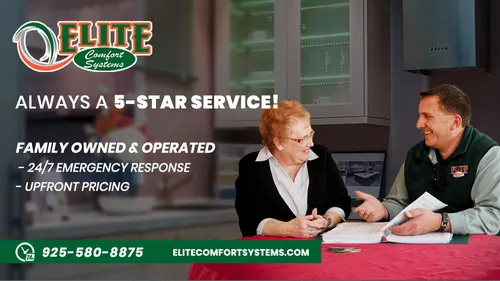
Elite Comfort Systems is a family-owned HVAC company serving Oakland, CA, and the surrounding East Bay area. They provide heating and air conditioning repair and installation services, including heat pump installation and indoor air quality solutions. The company has been serving the community since 2008 and offers 24/7 emergency service to ensure homes remain comfortable year-round. Their technicians focus on quality workmanship and maintain a clean work environment during service visits.
QC Guys - Whole House Fan Experts
1258 Quarry Ln suite e, Pleasanton, CA 94566
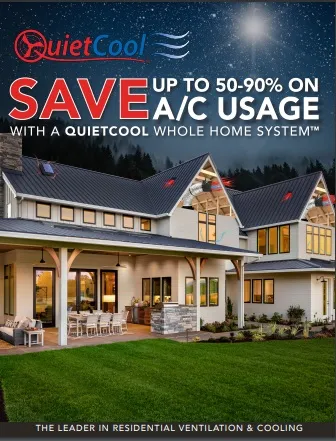
QC Guys - Whole House Fan Experts provides indoor air quality and ventilation solutions in Fremont, CA. They specialize in installing whole house fans and attic fans designed to improve home cooling, ventilation, and energy efficiency. Their systems help reduce reliance on air conditioning by pulling in fresh outdoor air and expelling hot, stale air, which can also improve indoor air quality by removing odors, pet dander, and other airborne particles. The company offers multiple fan packages tailored to different needs, including zoned systems for targeted cooling. They are a Platinum QuietCool dealer with over 10,000 customers served.
Lowe's Air Duct Cleaning
1046 W Taylor St #208b, San Jose, CA 95126
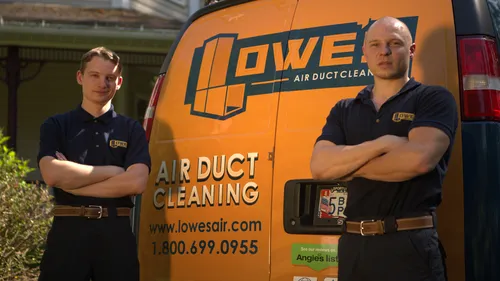
Lowe's Air Duct Cleaning provides air duct and dryer vent cleaning services in San Jose, CA. The company focuses on improving indoor air quality by removing dust, pet dander, and allergens from home duct systems. They use professional cleaning tools and offer before-and-after photos to demonstrate their work. Their dryer vent cleaning service helps reduce the risk of dryer fires by clearing lint buildup. Lowe's Air Duct Cleaning does not use subcontractors and employs trained staff to ensure thorough cleaning.
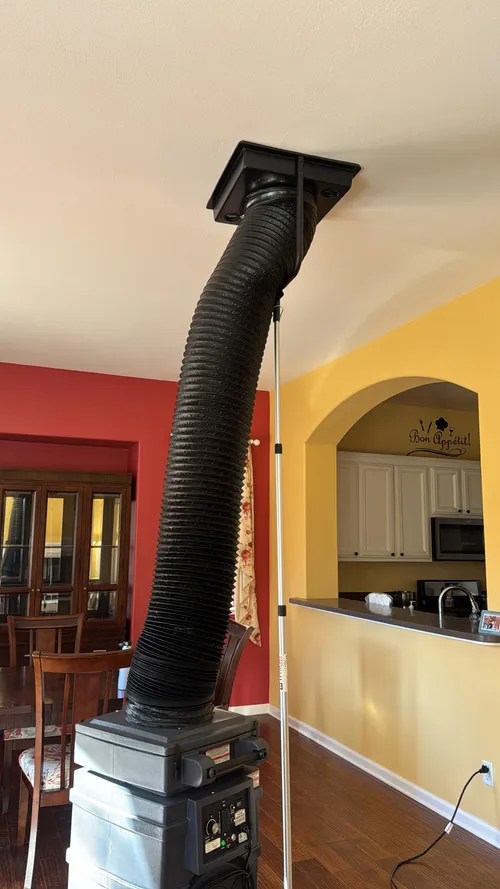
Vent Wise - Air Duct Cleaning Services
San Jose, CA
Vent Wise - Air Duct Cleaning Services provides air duct cleaning and indoor air quality services in San Jose, CA. They use advanced equipment to remove dust, debris, and allergens, aiming to improve HVAC efficiency and home comfort. Their skilled technicians focus on delivering cleaner, fresher air for residential and commercial properties.
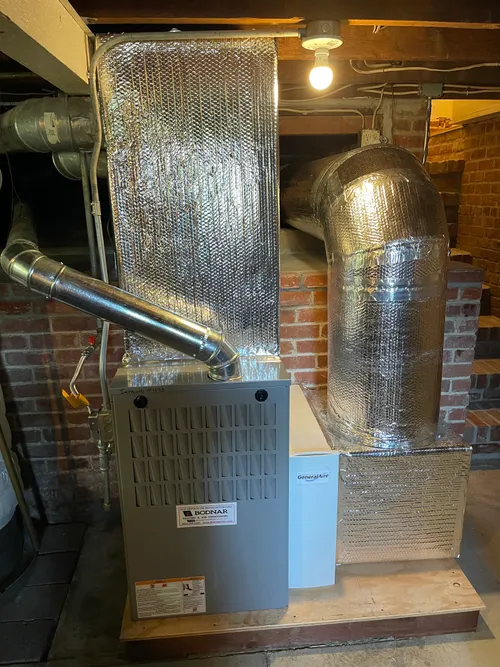
Bodnar Heating & Air Conditioning, Inc.
1251 Fifth Ave, Redwood City, CA 94063
Bodnar Heating & Air Conditioning, Inc. provides residential heating and cooling repair, installation, and maintenance services in Fremont, CA. They specialize in air conditioning, furnace, and heat pump systems, including thermostat installation and indoor air quality improvements. The company emphasizes honest recommendations without commission-based incentives and offers expertise backed by three generations of residential HVAC knowledge. Their services cover a broad area including Redwood City and nearby communities. Bodnar Heating & Air Conditioning, Inc. is committed to thorough system maintenance and proper installation to ensure long-lasting performance and energy efficiency.
Understanding Union City's Indoor Air Quality Challenges
Union City's character-its historic architecture, dense population, and proximity to major transportation corridors-creates a specific set of challenges for maintaining clean indoor air. The primary factors affecting your home's air are a combination of the local climate, aging infrastructure, and urban activity 1.
Climate and Moisture: Located in a coastal region, Union City experiences high humidity, especially during warmer months. This moisture, combined with frequent rain and the prevalence of older buildings with basements or foundation issues, creates ideal conditions for dampness and mold growth. Mold spores are a common allergen and irritant that can significantly degrade indoor air.
Legacy Building Materials: Many of Union City's residential and commercial structures were built before 1980. This increases the likelihood of encountering legacy contaminants like asbestos (found in insulation, flooring, and pipe wrap) and lead dust from old paint. When disturbed during renovations or through deterioration, these materials become airborne hazards.
Urban Pollution Infiltration: Proximity to heavy traffic and industrial areas means outdoor pollutants, particularly fine particulate matter (PM2.5) and nitrogen dioxide (NO₂), can easily seep indoors. On days with poor outdoor air quality, these pollutants enter through windows, doors, and building cracks, affecting the air you breathe inside.
Common Indoor Air Pollutants in Union City Homes
Being aware of the specific contaminants is the first step toward better air. Here are the most prevalent issues:
- Mold and Biological Contaminants: Caused by persistent moisture from leaks, flooding, or high humidity. Mold can grow hidden behind walls or under floors, releasing spores and mycotoxins into the air.
- Combustion Gases: Sources include gas stoves, older or poorly maintained furnaces and boilers, fireplaces, and attached garages. These can produce dangerous levels of odorless carbon monoxide (CO) and irritating nitrogen dioxide (NO₂), especially in tightly sealed homes during winter.
- Volatile Organic Compounds (VOCs): These are gases emitted from a wide array of household products. In Union City's active housing market, sources include new furniture, carpets, paints, solvents, cleaning supplies, and air fresheners used in homes and offices.
- Radon: A radioactive, colorless, and odorless gas that can seep from the ground into basements and lower levels. Radon is a known carcinogen and is a concern in many parts of New Jersey, making testing a crucial step for ground-level units and single-family homes.
- Particulate Matter (PM2.5/PM10): These tiny particles come from outdoor sources like vehicle exhaust and construction, as well as indoor activities like cooking, burning candles, and smoking. They can penetrate deep into the lungs 2 3.
How to Assess Your Indoor Air
You can't manage what you don't measure. Determining your air quality status involves a combination of observation, DIY tools, and professional expertise.
Signs of Poor IAQ: Persistent musty odors, visible mold growth, condensation on windows, worsening allergy or asthma symptoms at home, frequent headaches, or a general feeling of stuffiness can all indicate an issue 4.
DIY and At-Home Monitoring: For ongoing awareness, residents can use home monitoring devices to track levels of carbon monoxide, radon, VOCs, and humidity. Radon test kits are a particularly important and accessible first step for homeowners and ground-floor tenants 5.
Professional IAQ Testing: For a definitive diagnosis, especially for hidden problems like mold, asbestos, or specific VOC sources, certified professionals are essential. Companies like Atlantic Environmental Incorporated and ESMCorp offer comprehensive assessments, using specialized equipment to test for a wide range of pollutants and provide actionable reports 6 7 8 9.
Find the perfect indoor air quality service providers for your needs
Get personalized recommendations and expert advice
Solutions and Improvements for Healthier Air
Addressing indoor air quality typically follows a hierarchy: first control the source, then improve ventilation, and finally use cleaning or purification as needed.
1. Source Control (The Most Effective Step)
- Fix Moisture Problems: Repair leaks promptly, ensure proper drainage away from your foundation, and use dehumidifiers in damp areas like basements to prevent mold at its source.
- Choose Low-VOC Products: When renovating or furnishing your space, look for paints, adhesives, and materials labeled "low-VOC" or "zero-VOC."
- Maintain Combustion Appliances: Have gas stoves, furnaces, water heaters, and fireplaces inspected annually by a qualified technician to ensure they are venting properly and not leaking CO 10.
- Manage Dust and Clutter: Regular cleaning with a HEPA-filter vacuum and damp cloths reduces dust, pet dander, and other particulates.
2. Enhance Ventilation
- Use Exhaust Fans: Always run bathroom and kitchen exhaust fans while showering or cooking to remove moisture and pollutants directly at the source.
- Ventilate When Possible: Open windows when outdoor air quality is good to dilute indoor pollutant concentrations. This is a simple but highly effective strategy.
- Consider an ERV/HRV: For newer, tightly sealed homes, an Energy Recovery Ventilator (ERV) or Heat Recovery Ventilator (HRV) can provide a constant supply of fresh, filtered outdoor air without significant energy loss.
3. Air Cleaning and Purification
- Portable Air Purifiers: These units with True HEPA and activated carbon filters can be effective for single rooms, removing particles, some VOCs, and odors. Prices for quality units typically range from $100 to $500+.
- Whole-House Air Cleaners: Installed directly into your central HVAC ductwork, these systems (like advanced media filters, electronic air cleaners, or UVGI lights) clean the air throughout your entire home. Installation costs can be $1,000 or more depending on the technology.
- Duct Cleaning: If your duct system shows visible mold growth, pest infestation, or is clogged with excessive dust, professional cleaning may be beneficial. Costs vary based on system size but are typically a few hundred dollars.
Professional Remediation for Specific Hazards
Some problems require specialized, and often regulated, professional intervention.
- Mold Remediation: For areas larger than about 10 square feet, professional remediation is recommended. Specialists contain the area, remove contaminated materials safely, and clean the space to prevent regrowth. Costs vary significantly based on severity.
- Radon Mitigation: If testing reveals elevated radon levels (4 pCi/L or higher), a mitigation system is needed. A professional will install a vent pipe and fan to draw radon from beneath the house and exhaust it outside. Installation typically ranges from $800 to $2,500 11.
- Asbestos/Lead Abatement: Do not disturb suspected materials. Abatement is highly regulated and must be performed by licensed professionals who follow strict safety protocols to remove or encapsulate the hazard. Costs are highly variable and require a professional quote.
Frequently asked questions
Sources
Footnotes
-
New Jersey Indoor Air Quality (IAQ) Surveys in High-Rise ... - https://www.atlenv.com/new-jersey-indoor-air-quality-iaq-surveys-in-high-rise-commercial-residential-buildings ↩
-
Air Quality Issues That Impact Older Homes | IQAir - https://www.iqair.com/us/newsroom/air-quality-issues-impact-older-homes ↩
-
Ozone Air Pollution in New Jersey - American Lung Association - https://www.lung.org/media/press-releases/state-of-the-air-new-jersey ↩
-
Indoor Air Quality - Frequently Asked Questions - OSHA - https://www.osha.gov/indoor-air-quality/faqs ↩
-
The Truth About Indoor Air Quality in Older Homes - https://comfortcraftsmanhvac.com/the-truth-about-indoor-air-quality-in-older-homes/ ↩
-
New Jersey Indoor Air Quality Testing Services - https://paulsakson.com/indoor-air-quality-testing/ ↩
-
Indoor Air Quality IAQ Testing Mold New Jersey NJ - https://www.atlenv.com/indoor-air-quality-testing ↩
-
Residential Indoor Air Quality Testing & Mold Sampling, Inspection, ... - https://esmcorp.com/residential-indoor-air-quality/ ↩
-
Indoor Air Quality Testing & VOC Monitoring in NJ - https://esmcorp.com/indoor-air-quality-testing-services/ ↩
-
Air Quality in a home - Arch Inspections LLC - https://archinspections.com/nj-home-inspection-helpful-home-owner-information/air-quality-in-a-home-nj-home-inspector/ ↩
-
Common Indoor Air Contaminants in New Jersey Homes and ... - https://www.getmapleair.com/blog-post/common-indoor-air-contaminants-in-new-jersey-homes ↩