Find the Best Indoor Air Quality Service Providers for Your Business
No obligation • Fast responses • Nationwide coverage

Why you can trust HVAC Firms
HVAC Firms is a leading United States resource for evaluating HVAC service providers. Our team researches companies, checks credentials, and reviews customer feedback to present clear, unbiased information. Listings and rankings are based on merit, and companies cannot pay to change our editorial content.
Search providers near you
Top Indoor Air Quality Service Providers in Thousand Oaks, California Ranked
The air you breathe inside your home or office in Thousand Oaks directly impacts your health, comfort, and productivity. Indoor air quality (IAQ) refers to the condition of the air within and around buildings, especially as it relates to the health and well-being of occupants. In our region, this is critically important due to unique environmental factors like wildfire smoke and local geology. This guide will help you understand the specific air quality challenges in the Conejo Valley, the professional services available to test and improve your indoor environment, and how to connect with local experts who can provide solutions.
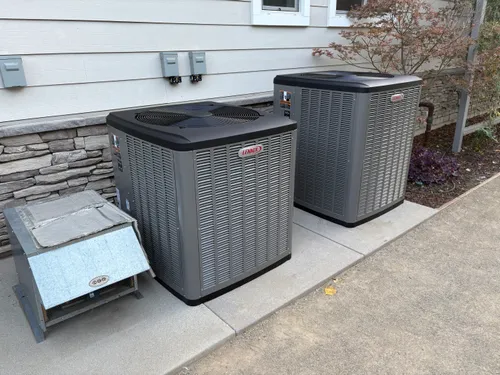
Hilo Aire
28220 Ave Crocker # 407, Valencia, CA 91355
Hilo Aire is an HVAC company serving Santa Clarita, CA, and surrounding areas including Ventura and Los Angeles counties. They provide a range of heating and cooling services such as air conditioning, furnace, heat pump, and ductless mini-split installation, maintenance, and repair. The company also offers indoor air quality services and customized system design focused on energy efficiency. With over 30 years of combined industry experience, Hilo Aire emphasizes transparent pricing and customer-centered service. They provide same-day, weekend, and emergency service options.
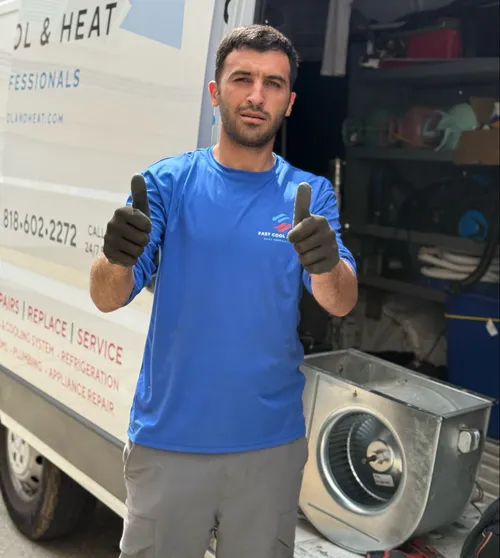
Fast Cool & Heat Inc.
7417 Woodman Ave, Van Nuys, CA 91405
Fast Cool & Heat Inc. offers comprehensive HVAC installation and repair services in Los Angeles, CA. They specialize in heating, ventilation, and air conditioning solutions, including furnace, heat pump, central AC, and ductless mini-split systems. Their certified technicians provide custom installations and maintenance designed for efficiency and long-term performance. The company focuses on energy-efficient systems suited for the local climate and supports both residential and commercial properties.
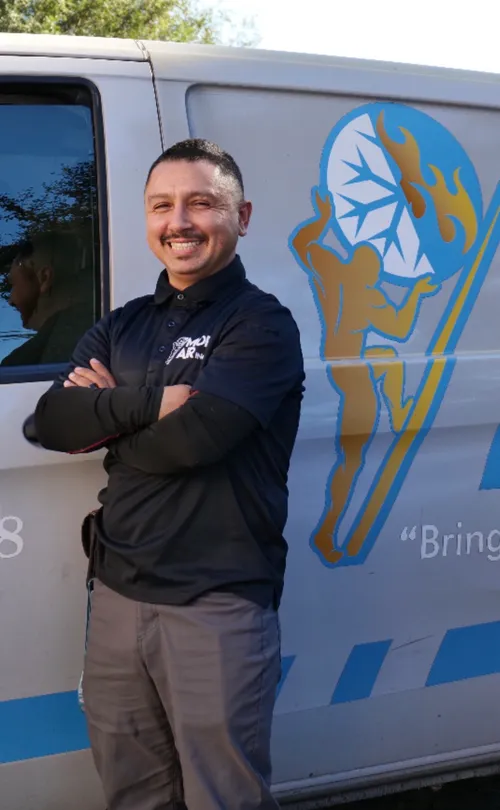
Mor Air
11661 Saticoy St, North Hollywood, CA 91605
Mor Air is an HVAC company serving Los Angeles, CA, including North Hollywood and Glendale. They provide a full range of services such as air conditioning and furnace repair, installation, maintenance, duct cleaning, and indoor air quality solutions. Mor Air is licensed and insured, focusing on honest diagnostics and energy-efficient system replacements. The company is recognized for quality workmanship and holds an A+ rating with the Better Business Bureau, along with a strong reputation on HomeAdvisor and BuildZoom.
Just Rite Air Heating & Cooling Santa Clarita
25030 Avenue Stanford suite 70, Santa Clarita, CA 91355
Just Rite Air Heating & Cooling Santa Clarita provides comprehensive HVAC services in Santa Clarita, CA. They specialize in the installation, repair, and maintenance of heating and cooling systems including furnaces, air conditioners, heat pumps, boilers, ductless mini-splits, and geothermal heat pumps. Their services also cover indoor air quality solutions such as air purifiers, humidifiers, and duct cleaning. The company handles diagnostics and repairs for various HVAC components and offers system tune-ups to maintain efficiency. They serve the entire Santa Clarita Valley including Valencia, Saugus, Canyon Country, and Newhall.
Alpha Heating & Air Conditioning
13031 Villosa Pl APT 417, Playa Vista, CA 90094
Alpha Heating & Air Conditioning is an HVAC company based in Los Angeles, CA, offering a wide range of heating, cooling, and indoor air quality services. Their expertise includes air conditioning repair and installation, furnace and heat pump repair and replacement, as well as ductless and mini split AC systems. They also provide air duct sealing, sheet metal forming, and air purifier sales and service. The company serves residential and light commercial clients, focusing on matching HVAC equipment to customer needs and maintaining system efficiency through regular tune-ups and maintenance.
Why Indoor Air Quality Matters in Thousand Oaks
While often overlooked, the air inside can be more polluted than the outdoor air, even in a city known for its open spaces. For residents and business owners in Thousand Oaks, paying attention to indoor environmental quality isn't just about comfort-it's a health priority. Poor IAQ has been linked to short-term issues like headaches, fatigue, and irritation of the eyes, nose, and throat, as well as long-term respiratory diseases, heart conditions, and even cancer 1. Given that people spend approximately 90% of their time indoors, the quality of that air is a fundamental component of daily life.
The local climate and geography create a distinct set of challenges. Situated in Ventura County, Thousand Oaks experiences seasonal wildfires, which can blanket the area in smoke for days or weeks. Furthermore, the county is designated as a high radon area by the Environmental Protection Agency (EPA). These factors, combined with everyday indoor pollutants, make a proactive approach to air quality essential for every household and workplace.
Common Indoor Air Pollutants in the Conejo Valley
Understanding the specific contaminants you might face is the first step toward a healthier indoor environment. The primary concerns for indoor air in Thousand Oaks include:
- Wildfire Smoke and Particulate Matter (PM2.5): This is a significant regional threat. During fire season, microscopic particles from smoke can infiltrate buildings, lingering indoors long after the outdoor air clears. These fine particles (PM2.5) penetrate deep into the lungs and bloodstream, posing serious risks to respiratory and cardiovascular health 2.
- Radon Gas: A colorless, odorless radioactive gas that seeps from the soil into buildings. Ventura County's geological profile places it in EPA Zone 1 (high potential), meaning testing for radon is strongly recommended for all homes in Thousand Oaks 3.
- Biological Contaminants: This category includes mold, mildew, pollen, dust mites, and pet dander. Mold growth is often spurred by hidden moisture problems, while pollen and other allergens are prevalent year-round, exacerbated by local flora and climate conditions 4 5.
- Chemical Pollutants: Volatile Organic Compounds (VOCs) are gases emitted from a wide array of products including paints, cleaning supplies, building materials, and furnishings. Formaldehyde is a common VOC of concern. Additionally, combustion appliances like gas stoves, fireplaces, and furnaces can produce carbon monoxide and nitrogen dioxide if not properly vented 6.
- Legacy Hazards: In homes built before 1978, deteriorating lead-based paint can create toxic dust. Buildings constructed before the 1980s may also contain asbestos in insulation, floor tiles, or other materials, which becomes hazardous if disturbed during renovations 7.
Professional IAQ Testing and Assessment Services
How do you know what's in your air? Professional indoor air quality consultants in Thousand Oaks use a multi-faceted approach to diagnose problems. They don't just guess; they measure.
Comprehensive Inspection: A certified professional begins with a visual assessment of your property, looking for signs of moisture intrusion, mold growth, and ventilation issues. They may use tools like infrared cameras to detect hidden dampness in walls or ceilings 8.
Air and Surface Sampling: To identify specific pollutants, consultants collect samples for laboratory analysis. This can include:
- Air Sampling: Using pumps and collection devices to capture airborne mold spores, asbestos fibers, or general particulate levels.
- Surface Sampling: Swabbing or tape-lifting from surfaces to check for mold or lead dust.
- Specific Gas Testing: Deploying specialized equipment like SUMMA canisters for VOC analysis, charcoal canisters or continuous monitors for radon, and detectors for carbon monoxide or formaldehyde 9 10.
HVAC System Evaluation: Since your heating and cooling system is the lungs of your building, a thorough inspection is crucial. Professionals assess ductwork for leaks or contamination, check filter efficiency, and measure airflow and ventilation rates to ensure adequate fresh air exchange 11.
DIY Monitoring Options: For ongoing awareness, homeowners can use consumer-grade IAQ monitors to track levels of PM2.5, VOCs, humidity, and carbon dioxide. For radon, the EPA recommends using a certified home test kit, which is a simple and cost-effective first step 12.
Find the perfect indoor air quality service providers for your needs
Get personalized recommendations and expert advice
Solutions and Improvements for Healthier Air
Once the specific issues are identified, a range of solutions can be implemented to clean your indoor air. Costs vary based on the scope of the problem and the chosen remediation strategy.
Source Control: The most effective approach is to eliminate or reduce the source of pollution. This can include:
- Switching to low-VOC paints and cleaning products.
- Ensuring gas appliances are properly adjusted and vented.
- Fixing water leaks promptly to prevent mold.
- Sealing cracks and openings in foundation slabs and walls to reduce radon entry 13.
Ventilation Improvements: Bringing in fresh, filtered air is key.
- Local Exhaust: Using exhaust fans in kitchens and bathrooms to remove pollutants at the source.
- Whole-Home Systems: For a comprehensive solution, installing an Energy Recovery Ventilator (ERV) or Heat Recovery Ventilator (HRV) can systematically exchange stale indoor air for filtered outdoor air while conserving energy. Installation of such a system can be a significant investment, often around $5,000 or more 14.
Air Cleaning and Filtration: When source control and ventilation aren't enough, air cleaners are vital.
- HVAC Filter Upgrades: One of the simplest and most cost-effective steps is upgrading the filter in your central system to a high-efficiency option, such as MERV 13 or higher, which can capture fine particles like wildfire smoke 15.
- Portable Air Purifiers: Using CARB-certified, non-ozone-generating air purifiers with HEPA filters in key rooms (like bedrooms) is highly effective for particulate pollution. Prices vary based on room size and features.
- Whole-Home Air Purifiers: These units integrate directly with your HVAC system to provide filtered air throughout the entire house.
Duct Cleaning and Sealing: Contaminated or leaky ductwork can redistribute pollutants. Professional air duct cleaning for a typical residential system in California averages between $300 and $500, with additional sanitization services increasing the cost 16 17. Sealing leaky ducts can improve system efficiency and IAQ, with costs typically ranging from $1,000 to $3,000 for sealing work alone 18 19.
Specialized Remediation: For confirmed hazards, professional abatement is necessary.
- Mold Remediation: Involves containment, removal of contaminated materials, and drying. Costs depend on the extent of growth but often range from $600 to $2,500 or more 20.
- Radon Mitigation: A professional sub-slab depressurization system, which vents radon gas from beneath the home to the outside, is the standard and highly effective solution.
- Asbestos/Lead Abatement: This is a highly regulated process that must be performed by licensed professionals to safely contain and remove the hazardous materials.
Maintaining Your Indoor Air Quality
Achieving good air quality is an ongoing process. Regular maintenance is essential:
- Change HVAC filters regularly (every 1-3 months).
- Keep humidity levels between 30-50% to discourage mold and dust mites.
- Clean and vacuum frequently using a HEPA-filter vacuum cleaner.
- Schedule annual HVAC maintenance to ensure proper operation and ventilation.
- Consider periodic re-testing, especially after major renovations or if new health symptoms arise.
By understanding the local risks and available solutions, Thousand Oaks residents can take control of their indoor environments. Investing in your indoor air is an investment in your long-term health and quality of life.
Frequently asked questions
Sources
Footnotes
-
Poor Indoor Air Quality Causes Headaches - https://www.indoordoctor.com/blog/poor-indoor-air-quality-causes-headaches/ ↩
-
Wildfire Smoke - County of Los Angeles Public Health - http://www.publichealth.lacounty.gov/eh/safety/wildfire-smoke.htm ↩
-
TOP 10 BEST Environmental Testing in Thousand Oaks, CA - Yelp - https://m.yelp.com/search?find_desc=Environmental+Testing&find_loc=Thousand%20Oaks%2C%20CA ↩
-
Indoor Air Quality | Los Angeles County Department of Public Health - http://publichealth.lacounty.gov/eh/safety/indoor-air-quality.htm ↩
-
Indoor Air - California Air Resources Board - CA.gov - https://ww2.arb.ca.gov/our-work/programs/indoor-air ↩
-
Indoor Air Quality - NM-Tracking - https://nmtracking.doh.nm.gov/environment/air/IndoorQuality.html ↩
-
Smoke Ready California | California Air Resources Board - https://ww2.arb.ca.gov/smokereadyca ↩
-
Residential Indoor Air Quality Testing Experts & Consultants CA - https://www.accenv.com/indoor-air-quality/ ↩
-
Indoor Air Quality Testing - Southern California, Arizona, Nevada - https://www.ellisenvironmental.com/services/southern-california-indoor-air-quality-testing ↩
-
Indoor Air Quality Testing Services - https://www.titan-enviro.com/indoor-air-quality-testing/ ↩
-
Driving Action on Indoor Air Monitoring in Commercial Buildings - https://www.usgbc.org/sites/default/files/2025-08/Driving-Action-on-Indoor-Air-Monitoring-USGBC.pdf ↩
-
Indoor Air Quality (IAQ) | US EPA - https://www.epa.gov/indoor-air-quality-iaq ↩
-
Indoor Air Quality & Exposure - California Air Resources Board - https://ww2.arb.ca.gov/our-work/topics/indoor-air-quality-exposure ↩
-
How Much Do Indoor Air Quality Systems Cost? - https://www.callmattioni.com/blog/t-indoor-air-quality-systems-cost/ ↩
-
Preparing for Wildfire Smoke: Protecting Health and Building ... - https://toaks.gov/news-and-updates&prrid=151 ↩
-
Your Air Duct Cleaning Pricing Guide In California - 5 Star Air - https://5starair.pro/your-air-duct-cleaning-pricing-guide-in-california/ ↩
-
Air Duct Cleaning Costs in 2025 | QUADCA & NADCA ... - https://deltaairductcleaning.com/how-much-does-air-duct-cleaning-cost-2025-complete-guide/ ↩
-
Ductwork Installation & Replacement Pros In Thousand Oaks, CA - https://modernize.com/near-me?find=ductwork-replacement-and-installation&location=Thousand-Oaks,CA ↩
-
How Much Does It Cost to Seal Air Ducts? | Ambient Edge - https://www.ambientedge.com/faqs/how-much-does-it-cost-to-seal-air-ducts/ ↩
-
Mold Testing in Thousand Oaks, CA | Insight Environmental - https://www.insightenviro.com/mold-testing-in-thousand-oaks-ca/ ↩