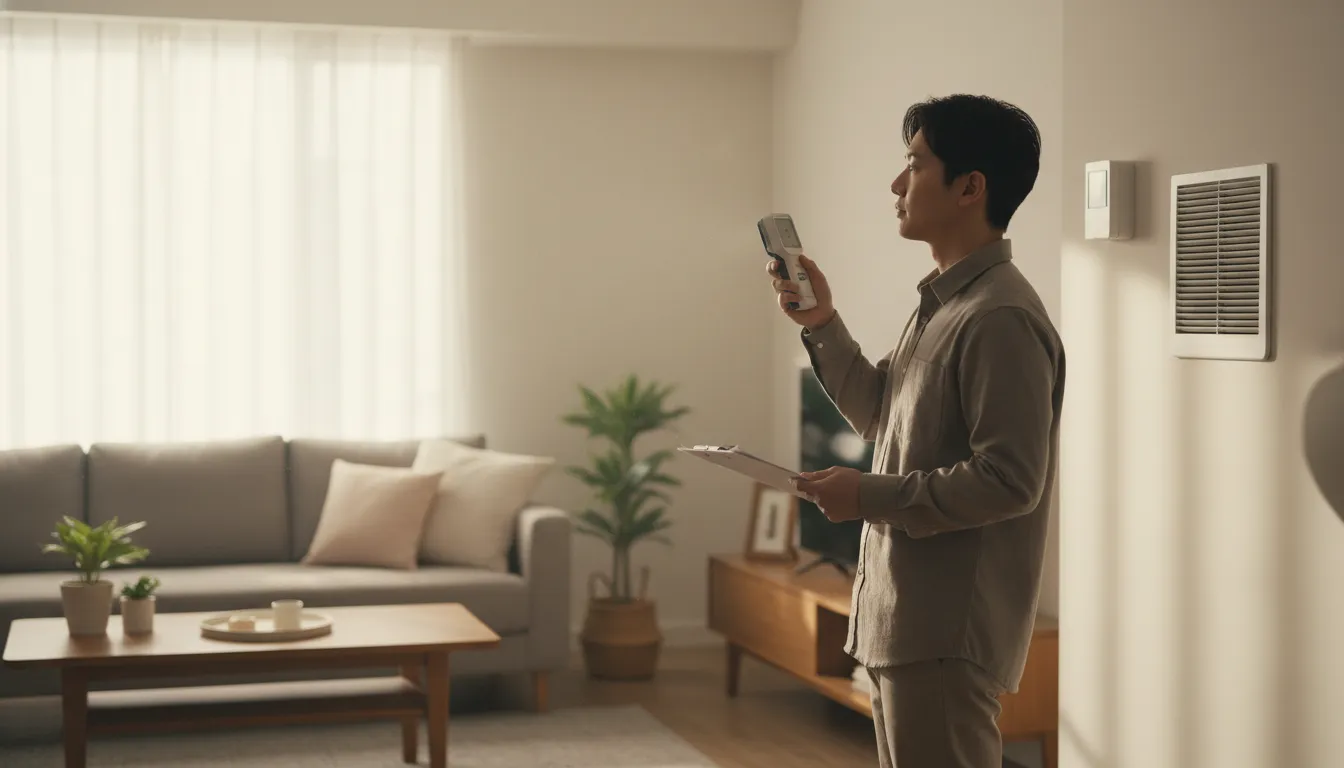
Find the Best Indoor Air Quality Service Providers for Your Business
No obligation • Fast responses • Nationwide coverage

Why you can trust HVAC Firms
HVAC Firms is a leading United States resource for evaluating HVAC service providers. Our team researches companies, checks credentials, and reviews customer feedback to present clear, unbiased information. Listings and rankings are based on merit, and companies cannot pay to change our editorial content.
Search providers near you
Top Indoor Air Quality Service Providers in Simi Valley, California Ranked
The air you breathe inside your Simi Valley home or business directly impacts health, comfort, and productivity. Indoor Air Quality (IAQ) refers to the condition of the air within and around buildings, particularly as it relates to the presence of pollutants and allergens. In a region with unique environmental factors like wildfire smoke and seasonal humidity, managing your indoor environment is crucial. This guide outlines common local air quality concerns, professional assessment methods, and improvement strategies to help you find qualified local specialists for testing and remediation.
Hilo Aire
28220 Ave Crocker # 407, Valencia, CA 91355
Hilo Aire is an HVAC company serving Santa Clarita, CA, and surrounding areas including Ventura and Los Angeles counties. They provide a range of heating and cooling services such as air conditioning, furnace, heat pump, and ductless mini-split installation, maintenance, and repair. The company also offers indoor air quality services and customized system design focused on energy efficiency. With over 30 years of combined industry experience, Hilo Aire emphasizes transparent pricing and customer-centered service. They provide same-day, weekend, and emergency service options.
Fast Cool & Heat Inc.
7417 Woodman Ave, Van Nuys, CA 91405
Fast Cool & Heat Inc. offers comprehensive HVAC installation and repair services in Los Angeles, CA. They specialize in heating, ventilation, and air conditioning solutions, including furnace, heat pump, central AC, and ductless mini-split systems. Their certified technicians provide custom installations and maintenance designed for efficiency and long-term performance. The company focuses on energy-efficient systems suited for the local climate and supports both residential and commercial properties.

Mor Air
11661 Saticoy St, North Hollywood, CA 91605
Mor Air is an HVAC company serving Los Angeles, CA, including North Hollywood and Glendale. They provide a full range of services such as air conditioning and furnace repair, installation, maintenance, duct cleaning, and indoor air quality solutions. Mor Air is licensed and insured, focusing on honest diagnostics and energy-efficient system replacements. The company is recognized for quality workmanship and holds an A+ rating with the Better Business Bureau, along with a strong reputation on HomeAdvisor and BuildZoom.
All City Plumbing, Air & Electrical
221 Allen Ave, Glendale, CA 91201
All City Plumbing, Air & Electrical is a family-owned business serving Los Angeles, CA, and nearby areas with plumbing, heating, air conditioning, and electrical services. Their team handles a wide range of HVAC needs including furnace, heat pump, boiler, and mini split installation and repair, as well as indoor air quality and thermostat services. The company is known for its ACE-certified technicians and offers comprehensive capabilities such as hydro-jetting and whole house filtration system installation. With over 13 years of experience, All City Plumbing, Air & Electrical emphasizes quality workmanship and customer satisfaction.
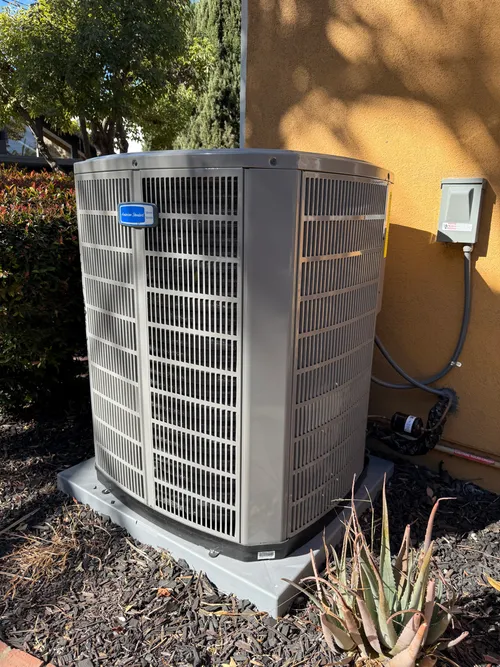
So Cal Air
440 W Dryden St, Glendale, CA 91202
So Cal Air is an HVAC company serving Los Angeles, CA, specializing in residential installations, repairs, maintenance, and duct cleaning. Their services include air duct design, heat pump installation and repair, furnace and AC services, and indoor air quality improvements. The team focuses on high-efficiency systems and is certified by TECH Clean California and HEEHRA, offering expertise in heat pump rebates. Founded by experienced technicians from national HVAC companies, So Cal Air aims to provide honest assessments and quality work at competitive prices.
Understanding Simi Valley's Unique IAQ Challenges
Simi Valley residents face a distinct set of indoor air quality challenges shaped by the local climate, geography, and building practices. Being aware of these specific risks is the first step toward creating a healthier indoor environment.
Wildfire Smoke and Particulate Matter
Due to its proximity to wildland areas, Simi Valley has a moderate risk from air quality impacts due to wildfires 1. These events can cause high levels of fine particulate matter (PM2.5) to infiltrate indoor spaces, even with windows closed. These microscopic particles can penetrate deep into the lungs and bloodstream, posing significant health risks, especially for children, the elderly, and those with respiratory conditions.
Mold and Moisture Buildup
Southern California's climate, combined with potential moisture intrusion from foundations or plumbing, can create ideal conditions for mold growth in basements, bathrooms, attics, and poorly ventilated areas. Mold spores can trigger allergies, asthma attacks, and other respiratory issues, making moisture control a key component of indoor environmental quality.
Volatile Organic Compounds (VOCs)
These gases are released from a wide array of common household products and building materials, including paints, varnishes, cleaning supplies, new furnishings, adhesives, and certain office equipment 2. Studies have detected elevated levels of VOCs in California homes and offices, which can cause short-term irritation and contribute to long-term health concerns.
Radon Gas
Ventura County is considered a high radon area 3. This naturally occurring, radioactive gas can seep into homes through cracks in the foundation, floor drains, or sump pits. Radon is the second leading cause of lung cancer and testing is the only way to know if your home has elevated levels.
Other Common Pollutants
- Combustion Pollutants: Sources like gas stoves, furnaces, fireplaces, and woodstoves can release carbon monoxide and nitrogen dioxide if they are not properly maintained, vented, or adjusted 4.
- Pesticides and Herbicides: Widespread outdoor use can lead to indoor residues being tracked in on shoes or through ventilation.
- Legacy Materials: Older buildings may contain lead-based paint or asbestos-containing materials, which become hazardous if disturbed during renovations or repairs 5.
How Professional Indoor Air Quality Assessments Work
When concerns arise, a professional IAQ assessment provides a scientific snapshot of your indoor environment. Certified specialists use a systematic approach to identify and quantify pollutants.
1. Initial Consultation and Visual Inspection: The process typically begins with a discussion of your concerns and a thorough walk-through of the property. The technician looks for visible signs of moisture damage, mold growth, ventilation issues, and potential pollutant sources.
2. Air and Surface Sampling: Depending on the suspected contaminants, technicians may collect air samples, surface swabs, or bulk material samples. Common tests include:
- Mold Spore Sampling: Air pumps collect spores for laboratory identification and quantification.
- VOC Sampling: Canisters or sorbent tubes capture air for analysis using precise methods like EPA TO-15 6 7.
- Radon Testing: Activated charcoal canisters or continuous electronic monitors are placed in the lowest lived-in area of the home for a specified period.
- Particulate Matter Monitoring: Real-time monitors measure levels of PM2.5 and other particulates.
3. Laboratory Analysis: Collected samples are sent to accredited, independent laboratories for detailed analysis. This step provides definitive, legally defensible data on the types and concentrations of pollutants present 8 9.
4. Detailed Reporting and Recommendations: You receive a comprehensive report explaining the lab findings, their potential health implications, and the likely sources. The report should include clear, actionable recommendations for remediation, ventilation improvements, or further diagnostic steps.
DIY Testing vs. Professional Assessment
Homeowners can purchase monitors for general parameters like particulate levels, humidity, or carbon dioxide. Do-it-yourself radon test kits are also available. While helpful for ongoing awareness, these tools may lack the accuracy, specificity, and legal defensibility of a professional assessment, which is often necessary for real estate transactions or serious health-related investigations.
Find the perfect indoor air quality service providers for your needs
Get personalized recommendations and expert advice
Solutions and Improvement Strategies for Simi Valley Homes
Once the specific issues in a space are identified, a range of solutions can be implemented to improve the indoor environment.
Source Control
The most effective way to improve IAQ is to eliminate or reduce the sources of pollution.
- Moisture and Mold: Repair leaks, ensure proper drainage away from the foundation, and use exhaust fans in bathrooms and kitchens. Professional mold remediation may be required for existing growth 10.
- VOCs: Choose low-VOC or VOC-free paints, adhesives, and cleaning products. Increase ventilation heavily during and after renovation projects or when bringing new furniture into the home.
- Combustion Appliances: Ensure gas stoves, furnaces, and water heaters are properly vented to the outside and serviced annually. Consider installing a carbon monoxide detector.
Ventilation Improvements
Diluting indoor pollutants by bringing in fresh outdoor air is crucial, though in Simi Valley, this must be balanced with the intrusion of wildfire smoke or pollen.
- Energy Recovery Ventilators (ERVs) or Heat Recovery Ventilators (HRVs): These whole-home systems exhaust stale indoor air while bringing in fresh, filtered outdoor air, transferring heat and humidity between the streams to maintain energy efficiency. Installation can range from approximately $2,000 to $5,000+.
- Spot Ventilation: Consistently using properly vented exhaust fans in bathrooms and kitchens removes pollutants and moisture at their source.
Air Cleaning and Filtration
Air cleaners are designed to remove pollutants already present in the air.
- Portable Air Purifiers: Effective units with HEPA filters can significantly reduce particulate matter, including allergens and smoke. Prices range from around $100 for basic models to over $1,500 for advanced units covering large areas.
- Upgraded HVAC Filters: Using a higher Minimum Efficiency Reporting Value (MERV) rated filter (e.g., MERV 13) in your central heating and cooling system can capture finer particles. Ensure your system can handle the increased airflow resistance.
- Whole-Home Air Purifiers: These systems, such as electronic air cleaners or UV germicidal lights, are integrated directly into the ductwork of your HVAC system.
Humidity Control
Maintaining indoor relative humidity between 30% and 50% helps control mold growth and dust mites.
- Dehumidifiers: For chronically damp areas like basements, a whole-home dehumidifier integrated with your HVAC system can be an effective solution, with installation typically costing between $3,000 and $4,300 11 12.
Understanding the Costs of IAQ Services
Investing in better indoor air involves various potential costs, depending on the scope of the problem and the solutions chosen.
- Comprehensive IAQ Assessment: A professional evaluation testing for multiple contaminants averages around $400, with a typical range of $250 to $550 or more, depending on the size of the property and number of samples 13 14.
- Targeted Pollutant Testing: Testing for a single specific issue can range from $100 to over $1,000. For example, a mold inspection often costs between $300 and $1,000, while radon testing typically runs from $150 to $800 15 16.
- Duct Cleaning: While not a cure-all for IAQ issues, professional duct cleaning can help reduce dust and allergen levels circulating through your home. It's important to hire reputable providers who will not damage the ductwork.
Finding Local Expertise and Resources
For assistance in Simi Valley, start by searching for certified local IAQ specialists, industrial hygienists, or environmental testing firms. Look for professionals with certifications from organizations like the American Industrial Hygiene Association (AIHA) or the Indoor Air Quality Association (IAQA). You can also contact the Ventura County Air Pollution Control District (VCAPCD) for resources and data on local outdoor air quality, which directly influences your indoor environment 17.
Frequently asked questions
Sources
Footnotes
-
Simi Valley, CA Poor Air Quality Map and Forecast | First Street - https://firststreet.org/city/simi-valley-ca/672016_fsid/air ↩
-
5 Hidden Indoor Air Quality Risks in Southern California ... - https://healthscience.com/5-hidden-indoor-air-quality-risks-in-southern-california-workplaces-and-how-to-fix-them/ ↩
-
Indoor Air Quality - County of Los Angeles Public Health - http://www.publichealth.lacounty.gov/Eh/safety/indoor-air-quality.htm ↩
-
Improving Indoor Air Quality In Large Office Buildings - https://www.ironmechanical.com/indoor-air-quality-guide/ ↩
-
Indoor Air Quality Research - California Air Resources Board - https://ww2.arb.ca.gov/resources/documents/indoor-air-quality-research ↩
-
Environmental Testing Services in SoCal | Air Quality Testing - https://www.vertenviro.com/airquality-testing ↩
-
Indoor Air Background Concentrations of Volatile Organic ... - https://ngwa.onlinelibrary.wiley.com/doi/full/10.1111/gwmr.12719 ↩
-
Top 10 Best Environmental Testing in Simi Valley, CA - Yelp - https://m.yelp.com/search?find_desc=Environmental+Testing&find_loc=Simi%20Valley%2C%20CA ↩
-
Indoor Air Quality Testing - Southern California, Arizona, Nevada - https://www.ellisenvironmental.com/services/southern-california-indoor-air-quality-testing ↩
-
Mold Testing in Simi Valley, California - Insight Environmental - https://www.insightenviro.com/mold-testing-in-simi-valley-ca/ ↩
-
How Much Do Indoor Air Quality Systems Cost? - https://www.callmattioni.com/blog/t-indoor-air-quality-systems-cost/ ↩
-
Understanding The Costs Of Indoor Air Quality Solutions In ... - https://supreme-mechanical.com/costs-indoor-air-quality-solutions-woodland-hills-202310/ ↩
-
TOP 10 BEST Indoor Air Quality Testing in Simi Valley, CA - Yelp - https://m.yelp.com/search?find_desc=Indoor+Air+Quality+Testing&find_loc=Simi%20Valley%2C%20CA ↩
-
How Much Does Indoor Air Quality Testing Cost? [2026 Data] - https://www.angi.com/articles/how-much-does-indoor-air-quality-testing-cost.htm ↩
-
How Much Does Professional Home Indoor Air Quality Testing Cost? - https://www.airpf.com/how-much-does-a-home-indoor-air-quality-testing-cost/ ↩
-
How Much Does Indoor Air Quality Testing Cost? [2025 Data] - https://www.homeadvisor.com/cost/environmental-safety/test-indoor-air-quality/ ↩
-
District installs temporary air monitors near landfill - https://www.vcapcd.org/district-installs-temporary-air-monitors-near-landfill/ ↩