Find the Best Indoor Air Quality Service Providers for Your Business
No obligation • Fast responses • Nationwide coverage

Why you can trust HVAC Firms
HVAC Firms is a leading United States resource for evaluating HVAC service providers. Our team researches companies, checks credentials, and reviews customer feedback to present clear, unbiased information. Listings and rankings are based on merit, and companies cannot pay to change our editorial content.
Search providers near you
Top Indoor Air Quality Service Providers in Santee, California Ranked
The air you breathe inside your Santee home or office directly impacts your health, comfort, and productivity. Indoor air quality (IAQ) refers to the condition of the air within and around buildings, particularly as it relates to the health and well-being of occupants. In Santee, regional factors like wildfire smoke and local indoor pollutant sources make managing your indoor environment a significant consideration. This guide explains the common air quality concerns for Santee residents, outlines professional and DIY testing options, and details effective strategies for improvement, helping you connect with local specialists who can assess and enhance your indoor air.
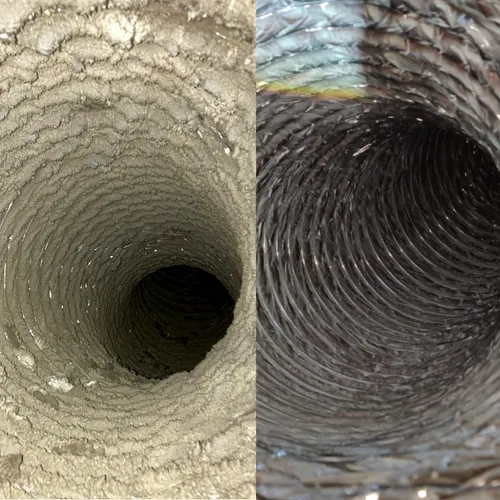
Absolute Duct & Chimney Cleaning
8733 Magnolia Ave Suite 203, Santee, CA 92071
Absolute Duct & Chimney Cleaning is a family-owned business serving San Diego, CA, specializing in commercial and residential air duct, dryer vent, and chimney cleaning. Their services help improve indoor air quality and reduce the risk of fires caused by lint and flammable buildup. The company employs OSHA-trained and certified professionals who accommodate customer schedules and prioritize safety for homes with children and pets.
JPM Heating & Air Inc.
1551 Cuyamaca St, El Cajon, CA 92020
JPM Heating & Air Inc. is a family-owned HVAC contractor serving San Diego, CA, with over 20 years of experience. They provide a range of services including installation, repair, and maintenance of air conditioning, furnaces, heat pumps, and ductwork. As a Bryant Factory Authorized Dealer, they offer reliable HVAC solutions backed by warranties on labor and parts. Their services also include indoor air quality improvements such as air purifiers and humidifiers. JPM Heating & Air offers emergency response within 24 hours and same-day installation estimates, emphasizing clear communication and community values.
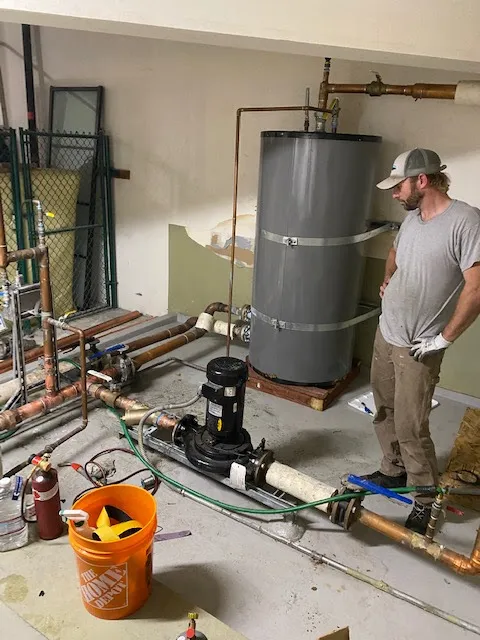
Flite Mechanical Heating & Air Professionals
3781 El Canto Dr, Spring Valley, CA 91977
Flite Mechanical Heating & Air Professionals provides HVAC installation, repair, and indoor air quality services in San Diego, CA. They handle air conditioning, furnace, mini split, and new construction HVAC systems. The company is equipped with skilled technicians who focus on accurate and reliable service to maintain comfortable indoor environments year-round. Serving homeowners and businesses in San Diego and nearby areas, Flite Mechanical is committed to supporting both residential and commercial HVAC needs.
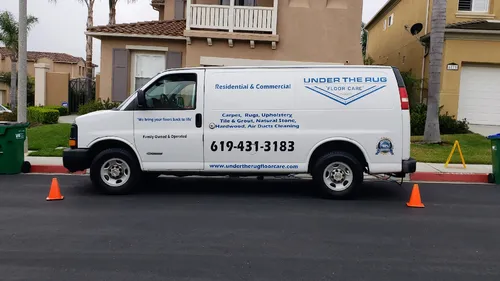
Under The Rug Floorcare Carpet Cleaning San Diego
5722 El Cajon Blvd, San Diego, CA 92115
Under The Rug Floorcare Carpet Cleaning San Diego offers a variety of cleaning services in Chula Vista, CA, including carpet, rug, upholstery, tile and grout, natural stone, and air duct cleaning to improve indoor air quality. The company uses high-quality, eco-friendly products and proven techniques to clean and rejuvenate surfaces safely. With over fifteen years of combined experience, this husband and wife team is certified by the Institute of Inspection Cleaning and Restoration Certification and provides flexible scheduling to meet customer needs.
NextWave heating and air
28905 Olive Ln, Valley Center, CA 92082
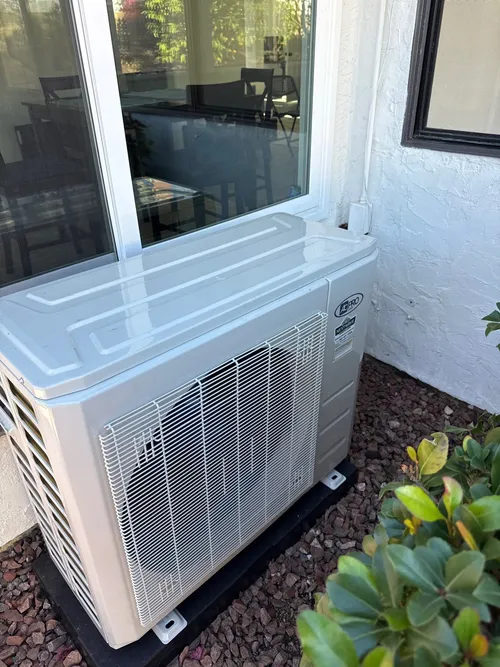
NextWave Heating and Air is a family-owned HVAC company serving San Diego, CA, with over 40 years of experience. They offer a wide range of services including air conditioning, furnace, heat pump, and mini split installation and repair, as well as indoor air quality solutions. Their expertise includes custom HVAC system design for new construction and remodels, ensuring efficient and code-compliant installations. Founded in 1996 and passed down within the family, NextWave combines traditional values with modern technology to provide reliable home comfort solutions.
Why Indoor Air Quality Matters in Santee
While Santee enjoys a generally pleasant climate, several unique environmental and lifestyle factors converge to create specific indoor air challenges. Residents spend up to 90% of their time indoors, where pollutant levels can be two to five times higher than outdoor levels 1 2. For a community that values health and outdoor living, ensuring clean indoor air is a critical component of overall wellness. Poor IAQ has been linked to short-term effects like headaches, dizziness, fatigue, and irritation of the eyes, nose, and throat, as well as long-term respiratory diseases, heart disease, and even cancer 1. By understanding and addressing the air in your living and working spaces, you can create a safer, more comfortable environment for your family or employees.
Common Indoor Air Pollutants in Santee Homes
Identifying the sources of pollution is the first step toward cleaner air. Santee homes and businesses face a combination of pollutants common to Southern California and those specific to older or tightly sealed buildings.
Mold and Mildew
Mold growth is a prevalent issue, often resulting from humidity, poor ventilation, or past water damage. Common hiding spots include bathrooms, under sinks, in attics, and within HVAC system ducts and drip pans 3. Mold releases spores and microbial volatile organic compounds (mVOCs) that can trigger allergies, asthma attacks, and other respiratory problems.
Volatile Organic Compounds (VOCs)
These are gases emitted from a wide array of everyday products and materials. In Santee homes, common sources include cleaning and disinfecting supplies, paints, varnishes, new furniture, pressed wood products, and carpeting. During activities like remodeling, VOC levels can spike dramatically, leading to immediate discomfort and potential long-term health effects.
Particulate Matter (PM2.5)
Fine particulate matter, especially particles smaller than 2.5 micrometers (PM2.5), poses a serious respiratory risk. In Santee, primary sources include smoke from regional wildfires, dust from local construction and unpaved roads, and emissions from vehicle traffic. These tiny particles can penetrate deep into the lungs and even enter the bloodstream.
Allergens
Common indoor biological allergens include pet dander, dust mites, cockroach droppings, and pollen that drifts inside. These can be perennial problems for sensitive individuals, causing allergic reactions and exacerbating asthma.
Radon Gas
Radon is a colorless, odorless, radioactive gas that occurs naturally from the decay of uranium in soil. It can seep into homes through cracks in foundations, floor drains, and sump pits 4. While radon risks vary by location, testing is recommended for all homes, as it is the second leading cause of lung cancer.
Combustion Pollutants
Sources like gas stoves, fireplaces, wood-burning stoves, furnaces, and space heaters can release dangerous gases like carbon monoxide (CO) and nitrogen dioxide (NO2) if not properly vented. Ensuring these appliances are well-maintained and adequately ventilated is crucial.
Asbestos and Lead Dust
In homes built before 1980, asbestos may be present in insulation, floor tiles, and popcorn ceilings. Similarly, lead-based paint can be a concern. These materials are generally safe if intact and undisturbed, but they become hazardous during renovations, repairs, or demolition when fibers or dust become airborne 5.
How to Test Your Indoor Air in Santee
Determining your specific air quality issues requires some investigation. You have options ranging from professional assessments to consumer-grade monitoring.
Professional IAQ Testing and Assessment
Hiring a certified environmental specialist or industrial hygienist provides the most comprehensive analysis. A professional assessment in Santee typically includes:
- Visual Inspection: A thorough walk-through to identify moisture issues, mold growth, ventilation problems, and potential pollutant sources.
- HVAC System Evaluation: Checking your heating, ventilation, and air conditioning system for cleanliness, airflow, and filtration efficiency.
- Air and Surface Sampling: Using specialized equipment to collect samples for laboratory analysis.
- Mold: Air pumps draw air onto cassettes for spore count and type identification 6 7.
- VOCs: Canisters or sorbent tubes collect air samples for analysis via EPA Method TO-15 or similar 8.
- Radon: Charcoal canisters or continuous radon monitors are placed in the lowest livable area of the home for 48 hours to several months.
- Asbestos: Bulk samples of suspect materials are carefully collected and sent to a lab.
A standard, full-home IAQ assessment in the Santee area typically costs between $292 and $584 9. Testing for specific pollutants adds to the cost: mold inspection ranges from $300 to $1,000, radon testing from $150 to $800, VOC testing around $200 to $400 per sample, and asbestos sampling from $300 to $800 10.
DIY and Low-Cost Monitoring
For ongoing awareness and trend spotting, several tools are available:
- Consumer Air Quality Monitors: Devices from companies like Airthings offer real-time tracking of key parameters such as PM2.5, VOCs, radon, carbon dioxide (CO2), humidity, and temperature 11 12. These are excellent for identifying patterns, like VOC spikes during cooking or humidity rises in certain rooms.
- Local Outdoor Air Data: The San Diego County Air Pollution Control District (SDAPCD) provides community-based, real-time outdoor air quality data, which is especially useful during wildfire season 13 14. Poor outdoor air directly affects indoor air, particularly in homes with open windows or inadequate filtration.
Find the perfect indoor air quality service providers for your needs
Get personalized recommendations and expert advice
Effective Strategies to Improve Indoor Air Quality
Once you understand your air quality profile, you can implement targeted solutions. The EPA and California Air Resources Board (CARB) recommend a three-tiered strategy: source control, improved ventilation, and air cleaning.
1. Source Control
The most effective way to improve IAQ is to eliminate or reduce the sources of pollution.
- Use low-VOC or VOC-free paints, adhesives, and cleaning products.
- Ban smoking indoors.
- Address water leaks and moisture issues promptly to prevent mold growth.
- Store chemicals, paints, and solvents in well-ventilated sheds or garages, not in living spaces.
- Ensure gas-burning appliances are properly adjusted and vented to the outdoors.
2. Enhance Ventilation
Increasing the amount of fresh outdoor air coming inside dilutes indoor pollutants.
- Open windows and doors when weather and outdoor air quality permit.
- Use exhaust fans in bathrooms and kitchens, and ensure they vent outside.
- Consider an energy recovery ventilator (ERV) or heat recovery ventilator (HRV). These systems bring in fresh air while conserving energy by transferring heat and moisture between the incoming and outgoing airstreams, a smart solution for Santee's climate.
3. Utilize Air Filtration and Purification
When source control and ventilation aren't enough, cleaning the air is key.
- Upgrade HVAC Filters: Use a high-efficiency filter rated MERV 13 or higher in your central system, if compatible. Change filters regularly (every 1-3 months).
- Use Portable Air Cleaners: Select a unit with a HEPA filter for particulate matter and ensure it is properly sized for the room. In California, look for models that are CARB-certified to meet strict ozone emission standards 15.
- Consider HVAC Add-ons: Ultraviolet germicidal irradiation (UVGI) lights installed in your HVAC ductwork can help control mold and bacteria. Whole-home air purifiers or advanced filtration systems can also be integrated 16 17.
4. Control Humidity
Maintaining indoor relative humidity between 30% and 60% helps prevent mold growth and dust mites 18 19.
- Use dehumidifiers in damp areas like basements.
- Use air conditioners, which naturally remove moisture from the air.
- Vent clothes dryers to the outside.
Costs for IAQ Improvements in Santee
Investing in cleaner air involves various price points:
- Air Purifiers (Portable): Cost varies by size and technology; CARB-certified models are recommended.
- HVAC Upgrades: High-efficiency filters are relatively low-cost. UVGI light systems or whole-home air purifiers represent a more significant investment.
- Mold Remediation: If testing reveals a problem, professional mold removal in Santee can cost between $1,200 and $3,800 or more, depending on the extent of the infestation 20 21.
- Ventilation Improvements: Installing exhaust fans or a whole-house ERV/HRV system involves upfront costs but provides long-term benefits for air exchange and energy efficiency.
Frequently asked questions
Sources
Footnotes
-
Indoor Air Quality | US EPA - https://www.epa.gov/report-environment/indoor-air-quality ↩ ↩2
-
Introduction to Indoor Air Quality | US EPA - https://www.epa.gov/indoor-air-quality-iaq/introduction-indoor-air-quality ↩
-
Welcome to San Diego Home & Mold Inspection Service LLC. - https://www.sandiegohomeandmold.com/ ↩
-
Indoor Air Quality - NM-Tracking - https://nmtracking.doh.nm.gov/environment/air/IndoorQuality.html ↩
-
Indoor Air Quality - County of Los Angeles Public Health - http://www.publichealth.lacounty.gov/Eh/safety/indoor-air-quality.htm ↩
-
Mold Testing in San Diego - Indoor Science - https://indoorscience.com/city/san-diego-testing/ ↩
-
Indoor Air Quality Inspection Services in San Diego, CA - https://www.titan-enviro.com/indoor-air-quality-assessment-san-diego-ca/ ↩
-
Indoor Air Background Concentrations of Volatile Organic ... - https://ngwa.onlinelibrary.wiley.com/doi/full/10.1111/gwmr.12719 ↩
-
How Much Does Indoor Air Quality Testing Cost? [2026 Data] - https://www.angi.com/articles/how-much-does-indoor-air-quality-testing-cost.htm ↩
-
Indoor Air - California Air Resources Board - CA.gov - https://ww2.arb.ca.gov/our-work/programs/indoor-air ↩
-
Low-Cost Air Pollution Monitors and Indoor Air Quality | US EPA - https://www.epa.gov/indoor-air-quality-iaq/low-cost-air-pollution-monitors-and-indoor-air-quality ↩
-
How to test indoor air quality in your home - Airthings - https://www.airthings.com/resources/how-to-test-air-quality-in-your-home ↩
-
Air Quality Monitoring - https://www.sdapcd.org/content/sdapcd/about/tj-river-valley/tjrv-air-quality-monitoring.html ↩
-
2022 RAQS - San Diego County Air Pollution Control District - https://www.sdapcd.org/content/dam/sdapcd/documents/grants/planning/Att.%20A%20-%202022%20RAQS.pdf ↩
-
Indoor Air - California Air Resources Board - CA.gov - https://ww2.arb.ca.gov/our-work/programs/indoor-air ↩
-
Santee Air Quality Testing: Healthy Home Solutions in 2025 - https://www.westcoastheatingairsolar.com/iaq/home-air-quality-testing-santee ↩
-
Indoor Air Quality Services Edinburg TX - https://www.atlasrgv.com/indoor-air-quality ↩
-
Indoor Air Quality - Frequently Asked Questions - OSHA - https://www.osha.gov/indoor-air-quality/faqs ↩
-
Five Key Factors Affecting Your Indoor Air Quality | Second Nature - https://www.secondnature.com/blog/five-key-factors-affecting-your-indoor-air-quality ↩
-
How Much Does Indoor Air Quality Testing Cost? [2025 Data] - https://www.homeadvisor.com/cost/environmental-safety/test-indoor-air-quality/ ↩
-
Guidance on Improving Indoor Air Ventilation - https://cdn.kingcounty.gov/-/media/king-county/depts/dph/documents/health-safety/environmental-health/healthy-water-air-soil/air-quality/improving-indoor-ventilation-guide-en.pdf?rev=8bcfbc8e6c7a4fd5bea00d420633f303&hash=741EF161F99F3DDFDF26B3F4D8C88C1A ↩