Find the Best Indoor Air Quality Service Providers for Your Business
No obligation • Fast responses • Nationwide coverage

Why you can trust HVAC Firms
HVAC Firms is a leading United States resource for evaluating HVAC service providers. Our team researches companies, checks credentials, and reviews customer feedback to present clear, unbiased information. Listings and rankings are based on merit, and companies cannot pay to change our editorial content.
Search providers near you
Top Indoor Air Quality Service Providers in Santa Cruz, California Ranked
The air you breathe inside your Santa Cruz home or office has a direct impact on your health, comfort, and productivity. Indoor air quality (IAQ) refers to the condition of the air within and around buildings, particularly as it relates to the health and well-being of occupants. In our coastal community, this is especially important due to unique local factors like persistent moisture and seasonal wildfire smoke. Understanding common pollutants and the strategies to address them empowers you to create a healthier indoor environment. This guide outlines the specific IAQ challenges in Santa Cruz and the practical solutions available from local specialists, helping you connect with the right expertise for assessment and improvement.
Lowe's Air Duct Cleaning
1046 W Taylor St #208b, San Jose, CA 95126
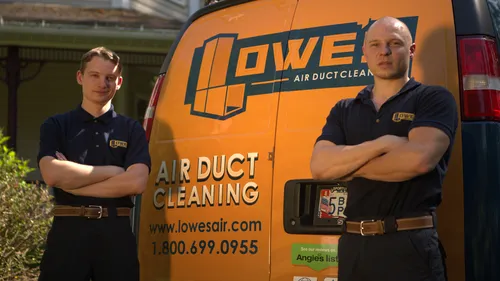
Lowe's Air Duct Cleaning provides air duct and dryer vent cleaning services in San Jose, CA. The company focuses on improving indoor air quality by removing dust, pet dander, and allergens from home duct systems. They use professional cleaning tools and offer before-and-after photos to demonstrate their work. Their dryer vent cleaning service helps reduce the risk of dryer fires by clearing lint buildup. Lowe's Air Duct Cleaning does not use subcontractors and employs trained staff to ensure thorough cleaning.
Alphabet Duct Cleaning
Fremont, CA
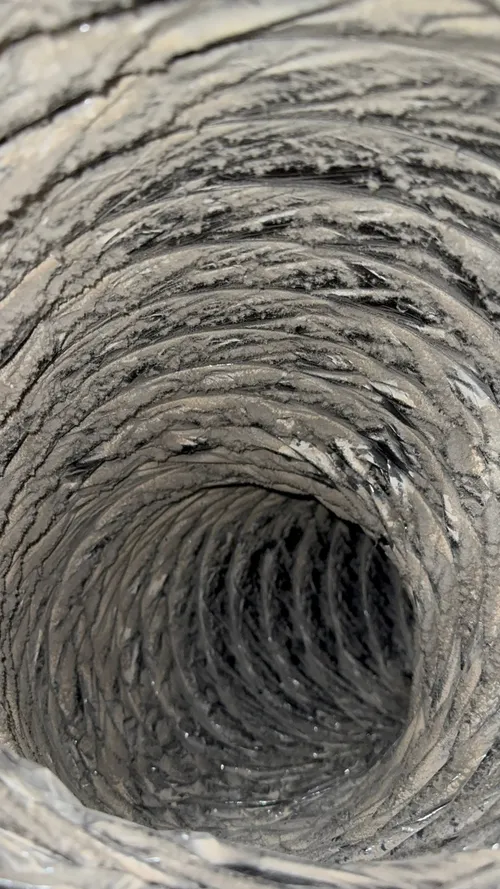
Alphabet Duct Cleaning is a duct cleaning company based in Fremont, CA, specializing in indoor air quality services. They offer duct cleaning, sealing, and repair to improve air circulation and reduce airborne contaminants. Their trained professionals use advanced techniques to remove dust and allergens from HVAC systems. Services include air duct maintenance, dryer vent cleaning, and UV light purification to support healthier indoor environments.
Freon HVAC, Electrical & Appliance
299 E McGlincy Ln Suite A, Campbell, CA 95008
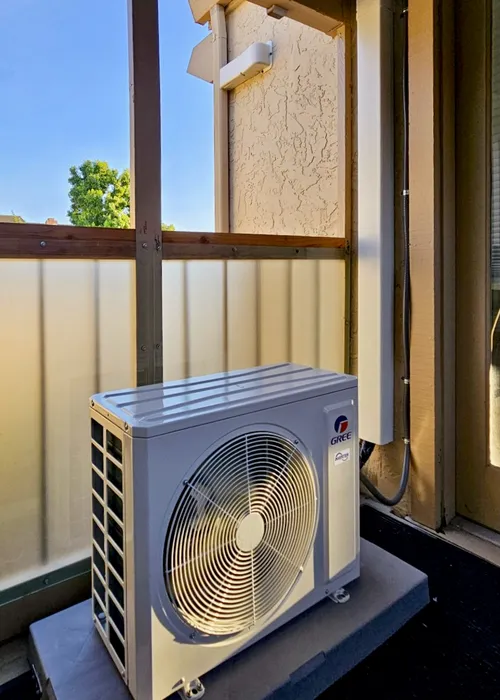
Freon HVAC, Electrical & Appliance provides a range of heating and air conditioning services in San Jose, CA. They specialize in HVAC installation, repair, and maintenance, including air conditioning, furnaces, heat pumps, mini splits, and thermostat installation. Their team handles ductwork repair and indoor air quality services to support comfortable indoor environments. Freon HVAC offers expertise in refrigerant replacement and commercial HVAC solutions, focusing on efficient system operation throughout the year.
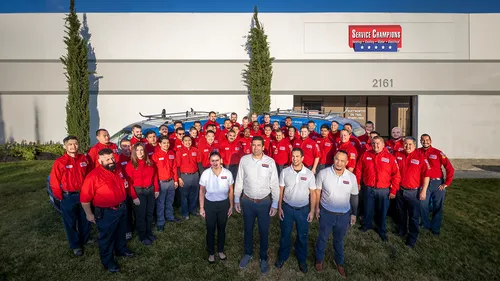
Service Champions
2161 Del Franco St, San Jose, CA 95131
Service Champions is a home services provider based in San Jose, CA, offering a wide range of services including heating and air conditioning repair and installation, plumbing, electrical work, insulation, ductwork, and water filtration. Serving San Jose and the greater Santa Clara County area, they specialize in HVAC tune-ups, furnace and air conditioner maintenance, and drain and sewer services such as hydro jetting. Established in 2003, Service Champions has over two decades of experience supporting local homeowners. They also provide 24/7 emergency service for urgent home system needs.
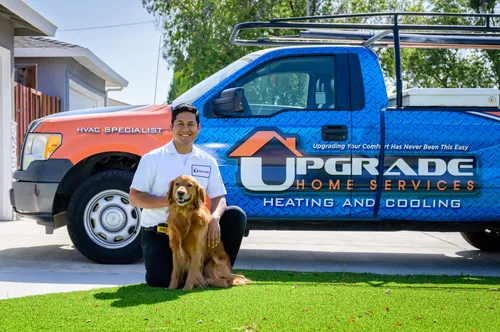
Upgrade Home Services, HVAC
743 Ames Ave, Milpitas, CA 95035
Upgrade Home Services, HVAC is a family-owned company serving San Jose, CA, and the surrounding Bay Area since 2002. They provide a range of HVAC services including air conditioning, furnace, heat pump, and mini split installation and repair, as well as indoor air quality testing and improvements. The company is experienced in handling all major HVAC brands and offers tailored solutions for both basic maintenance and complex home remodeling projects. Their expertise includes helping customers transition to energy-efficient electric heat pump systems. Upgrade Home Services is committed to maintaining comfortable home environments year-round.
Understanding Santa Cruz's Unique Air Quality Challenges
Santa Cruz's beautiful coastal climate comes with a hidden cost for indoor environments. The combination of marine moisture and specific seasonal events creates a distinct set of air quality concerns that every homeowner and business manager should understand.
- Coastal Humidity and Mold: The moist ocean air is a constant driver for mold growth. Without proper ventilation and humidity control, dampness accumulates in crawlspaces, basements, bathrooms, and behind walls, creating ideal conditions for mold colonies that release spores into your air.
- Wildfire Smoke Infiltration: Seasonal wildfires have become a recurring threat, blanketing the region in hazardous particulate matter (PM2.5). During these events, residents are advised to stay indoors with windows closed, which can paradoxically lead to a buildup of other indoor pollutants if proper filtration isn't in place.
- Legacy and Modern Pollutants: Older homes may contain materials that off-gas chemicals, while newer renovations often introduce volatile organic compounds (VOCs) from paints, adhesives, and pressed wood products. Combustion appliances like gas stoves, furnaces, and fireplaces can also produce carbon monoxide and nitrogen dioxide (NO₂), particularly during colder months when homes are sealed up.
Common Indoor Pollutants in Santa Cruz Homes & Offices
Identifying the specific contaminants in your space is the first step toward cleaner air. Here are the most prevalent offenders in our area:
- Biological Contaminants: This includes mold, mildew, dust mites, and pet dander. Mold is particularly pervasive due to our climate and can cause allergic reactions, asthma attacks, and other respiratory issues 1 2.
- Fine Particulate Matter (PM2.5): Primarily from wildfire smoke but also from cooking, candles, and fireplaces, these microscopic particles can penetrate deep into the lungs and bloodstream.
- Volatile Organic Compounds (VOCs): These are gases emitted from a wide array of products including household cleaners, aerosols, air fresheners, paints, varnishes, and new furniture. Concentrations can be many times higher indoors than outdoors.
- Combustion Byproducts: Carbon monoxide (CO) is a deadly, odorless gas from faulty fuel-burning appliances. Nitrogen dioxide (NO₂) from gas stoves is linked to respiratory problems.
- Radon: This radioactive, colorless, and odorless gas can seep from the soil into building foundations. While risk levels vary, testing is recommended, especially in older properties with basements or slab-on-grade foundations 3.
Professional Air Quality Testing and Assessment
How do you know what's in your air? Professional assessment provides a clear, scientific snapshot. Local experts offer several approaches to diagnose your indoor environment's health.
Comprehensive IAQ Inspections: Certified professionals conduct thorough evaluations, testing for a suite of pollutants including mold spores, VOC levels, radon, carbon monoxide, and allergen counts. Companies like ARE Inspections offer these detailed services to give you a complete picture 4 5.
Independent Mold Investigations: Some firms, such as Mold Inspection Sciences, specialize solely in testing and do not perform remediation. This model is designed to provide an unbiased report, free from any conflict of interest, which can be invaluable when determining the necessary next steps 6 7.
Advanced Diagnostic Tools: Inspectors often use tools like thermal imaging cameras to detect hidden moisture, insulation gaps, and thermal bridges that contribute to mold growth and energy loss. They may also use real-time air monitors to log fluctuations in particulate and VOC levels throughout the day 8.
DIY Monitoring: For ongoing awareness, smart indoor air quality monitors are available for residential use. These devices track key metrics like PM2.5, humidity, CO2, and VOCs in real-time, helping you understand patterns and know when to increase ventilation or turn on air purifiers.
Find the perfect indoor air quality service providers for your needs
Get personalized recommendations and expert advice
Effective Strategies for Improving Your Indoor Air
Once you understand the challenges, you can implement targeted solutions. Improving your home's air involves a combination of source control, ventilation, and filtration.
1. Source Control and Prevention
The most effective way to improve air quality is to prevent pollutants from entering or being created in the first place.
- Manage Moisture: Use dehumidifiers in damp areas like basements and crawlspaces to keep relative humidity below 60% and inhibit mold growth. Fix plumbing leaks promptly and ensure proper drainage around your home's foundation 9 10.
- Choose Low-VOC Products: Opt for paints, sealants, and cleaning supplies labeled "low-VOC" or "zero-VOC." Allow new furniture and building materials to off-gas in a well-ventilated area before bringing them inside.
- Maintain Combustion Appliances: Have gas furnaces, water heaters, and stoves serviced annually by a qualified technician to ensure they are venting properly and not leaking carbon monoxide. Consider switching from a gas to an electric stove if possible 11.
2. Ventilation Solutions
Bringing in fresh outdoor air is crucial, but timing is everything in Santa Cruz.
- Natural Ventilation: Open windows and doors when outdoor air quality is good-typically on clear, breezy days. Avoid this during wildfire season or on high-pollen days.
- Mechanical Ventilation: For constant fresh air without energy loss, Heat Recovery Ventilators (HRVs) or Energy Recovery Ventilators (ERVs) are excellent. These systems exhaust stale indoor air while bringing in fresh outdoor air, transferring heat (and in some cases moisture) between the two streams to maintain indoor comfort 12.
- Spot Ventilation: Always use exhaust fans in bathrooms and kitchens to remove moisture and cooking pollutants directly at the source.
3. Air Cleaning and Filtration
When source control and ventilation aren't enough, filtration is key.
- Upgrade HVAC Filters: The filter in your central heating and cooling system is your first line of defense. Upgrade to a filter with a Minimum Efficiency Reporting Value (MERV) of 13 or higher to capture fine particles like mold spores and smoke. Ensure your system can handle the increased airflow resistance 13.
- Use Portable Air Cleaners: For rooms where you spend the most time, like bedrooms and home offices, a portable air purifier with a true HEPA filter is highly effective. Look for a unit with a Clean Air Delivery Rate (CADR) that is appropriate for your room size-aim for a CADR at least 2/3 of the room's square footage. CARB-certified models are verified for both safety and efficiency 14.
- Consider Whole-House Air Purification: For integrated solutions, systems like UV-C lights (to neutralize biological growth on coils) or whole-house air purifiers that work with your HVAC can provide comprehensive cleaning throughout your home.
Investing in Your Air: Understanding Local Service Options
Engaging a local professional ensures solutions are tailored to Santa Cruz's specific climate and challenges. Services range from one-time assessments to full system upgrades.
A professional indoor air quality assessment for a Santa Cruz home typically costs around $400, though prices can range from $250 to over $550 depending on the scope of testing (e.g., mold-only vs. full VOC and allergen panel) 15 16. For ongoing improvement, portable HEPA air purifiers start around $200 for a single room, with more powerful, whole-room models exceeding $1,000 17. Major system upgrades, like installing a new HVAC system with advanced filtration and ventilation capabilities, represent a significant investment that varies greatly by home size and existing infrastructure 18. Regular maintenance, such as a furnace tune-up that includes a carbon monoxide check and filter inspection, is a preventative measure that typically costs about $149 19.
Frequently asked questions
Sources
Footnotes
-
Indoor Air Quality and Health - https://www.ourair.org/edu/indoor-air-quality-and-health/ ↩
-
County of Santa Cruz - https://www.santacruzcountyca.gov/Portals/0/County/CAO/press%20releases/2020/Santa%20Cruz%20County%20Air%20Quality%20Guidance%20082420.pdf ↩
-
Substandard Housing - https://scceh.com/NewHome/Programs/ConsumerProtection/Housing/SubstandardHousing.aspx ↩
-
Indoor Air Quality Testing - Santa Cruz - Inspections - https://areinspections.com/services/indoor-air-quality-testing/ ↩
-
Indoor Air Quality Testing - Santa Cruz - Inspections - https://areinspections.com/services/indoor-air-quality-testing/ ↩
-
TOP 10 BEST Indoor Air Quality Testing in Santa Cruz, CA - Yelp - https://m.yelp.com/search?find_desc=Indoor+Air+Quality+Testing&find_loc=Santa+Cruz%2C+CA ↩
-
Santa Cruz | +1.650.351.2099 - Mold Inspection Sciences - https://www.moldsci.com/locations/santa-cruz ↩
-
Reliable Indoor Air Quality Testing in Santa Cruz, CA - https://www.greenhomesolutions.com/santa-cruz-ca/our-services/air-quality-testing/ ↩
-
Air Quality Tips for Santa Cruz: Filters, Humidity, and Healthy ... - https://www.bognerhvac.com/post/air-quality-tips-for-santa-cruz-filters-humidity-and-healthy-living ↩
-
How to Improve Indoor Air Quality - Strada Services - https://stradaservices.com/about-us/blog/how-to-improve-indoor-air-quality/ ↩
-
Los Angeles Office Air Quality Testing: Essential Compliance Guide - myshyft.com - https://www.myshyft.com/blog/indoor-air-quality-testing-for-offices-los-angeles-california/ ↩
-
Enhancing Indoor Air Quality in Santa Cruz - Bogner HVAC - https://www.bognerhvac.com/post/indoor-air-quality-santa-cruz-bogner-hvac ↩
-
Indoor Air Quality Improvement - ProFlo, AC, Heating, & Plumbing - https://proflohvac.com/services/cooling-services/air-quality-improvement/ ↩
-
Improving Indoor Air Quality - CDPH - CA.gov - https://www.cdph.ca.gov/Programs/CCDPHP/DEODC/OHB/Pages/Improving%20Indoor%20Air%20Quality.aspx ↩
-
Indoor Air Quality Solutions for Santa Cruz Homes - https://www.bognerhvac.com/air-quality-solutions-santa-cruz ↩
-
How Much Does Professional Home Indoor Air Quality Testing Cost? - https://www.airpf.com/how-much-does-a-home-indoor-air-quality-testing-cost/ ↩
-
Improving Indoor Air Quality - https://www.youtube.com/watch?v=mqbgMyOzwnA&t=479 ↩
-
Indoor Air Quality Research - California Air Resources Board - https://ww2.arb.ca.gov/resources/documents/indoor-air-quality-research ↩
-
The Furnace Room, Inc. - https://www.google.com/viewer/place?mid=/g/1tdgkh7b ↩