Find the Best Indoor Air Quality Service Providers for Your Business
No obligation • Fast responses • Nationwide coverage

Why you can trust HVAC Firms
HVAC Firms is a leading United States resource for evaluating HVAC service providers. Our team researches companies, checks credentials, and reviews customer feedback to present clear, unbiased information. Listings and rankings are based on merit, and companies cannot pay to change our editorial content.
Search providers near you
Top Indoor Air Quality Service Providers in San Leandro, California Ranked
The air inside your California home or business can be more polluted than the air outside, impacting comfort, health, and productivity. Indoor Air Quality (IAQ) focuses on managing pollutants like volatile organic compounds (VOCs), carbon monoxide, radon, smoke, and mold. In California, this is guided by specific building standards and public health resources. This guide explains the key pollutants, state-specific regulations, testing procedures, and practical strategies to create a healthier indoor environment for your family or employees.

Elite Comfort Systems
570 Valdry Ct C3, Brentwood, CA 94513
Elite Comfort Systems is a family-owned HVAC company serving Oakland, CA, and the surrounding East Bay area. They provide heating and air conditioning repair and installation services, including heat pump installation and indoor air quality solutions. The company has been serving the community since 2008 and offers 24/7 emergency service to ensure homes remain comfortable year-round. Their technicians focus on quality workmanship and maintain a clean work environment during service visits.
QC Guys - Whole House Fan Experts
1258 Quarry Ln suite e, Pleasanton, CA 94566
QC Guys - Whole House Fan Experts provides indoor air quality and ventilation solutions in Fremont, CA. They specialize in installing whole house fans and attic fans designed to improve home cooling, ventilation, and energy efficiency. Their systems help reduce reliance on air conditioning by pulling in fresh outdoor air and expelling hot, stale air, which can also improve indoor air quality by removing odors, pet dander, and other airborne particles. The company offers multiple fan packages tailored to different needs, including zoned systems for targeted cooling. They are a Platinum QuietCool dealer with over 10,000 customers served.
Lowe's Air Duct Cleaning
1046 W Taylor St #208b, San Jose, CA 95126
Lowe's Air Duct Cleaning provides air duct and dryer vent cleaning services in San Jose, CA. The company focuses on improving indoor air quality by removing dust, pet dander, and allergens from home duct systems. They use professional cleaning tools and offer before-and-after photos to demonstrate their work. Their dryer vent cleaning service helps reduce the risk of dryer fires by clearing lint buildup. Lowe's Air Duct Cleaning does not use subcontractors and employs trained staff to ensure thorough cleaning.
Vent Wise - Air Duct Cleaning Services
San Jose, CA
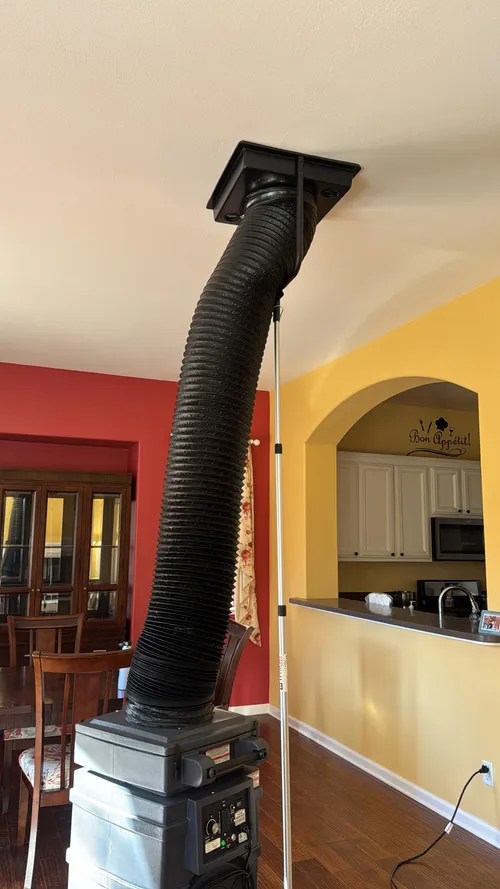
Vent Wise - Air Duct Cleaning Services provides air duct cleaning and indoor air quality services in San Jose, CA. They use advanced equipment to remove dust, debris, and allergens, aiming to improve HVAC efficiency and home comfort. Their skilled technicians focus on delivering cleaner, fresher air for residential and commercial properties.
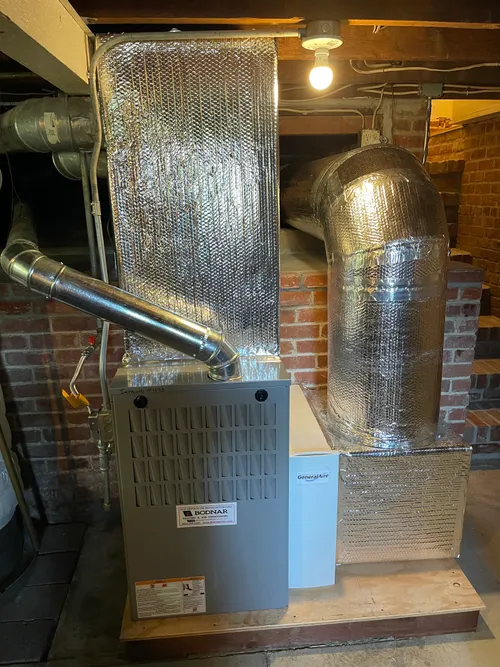
Bodnar Heating & Air Conditioning, Inc.
1251 Fifth Ave, Redwood City, CA 94063
Bodnar Heating & Air Conditioning, Inc. provides residential heating and cooling repair, installation, and maintenance services in Fremont, CA. They specialize in air conditioning, furnace, and heat pump systems, including thermostat installation and indoor air quality improvements. The company emphasizes honest recommendations without commission-based incentives and offers expertise backed by three generations of residential HVAC knowledge. Their services cover a broad area including Redwood City and nearby communities. Bodnar Heating & Air Conditioning, Inc. is committed to thorough system maintenance and proper installation to ensure long-lasting performance and energy efficiency.
Common Indoor Air Pollutants in California Homes
Understanding what you're dealing with is the first step toward cleaner air. California's unique climate, building practices, and lifestyle contribute to a specific mix of indoor contaminants.
- Volatile Organic Compounds (VOCs): These are gases emitted from a wide array of household products, including paints, varnishes, cleaning supplies, adhesives, and even new furniture and building materials 1. They can cause headaches, eye and throat irritation, and long-term health effects.
- Combustion Pollutants: These include carbon monoxide (CO) from malfunctioning gas appliances, fireplaces, and attached garages, and nitrogen dioxide (NO2). Smoke from wildfires, which has become a frequent concern, also falls into this category and contains fine particulate matter.
- Radon: A naturally occurring radioactive gas that can seep into buildings from the ground. While radon risks vary by region, testing is recommended statewide as it is the second leading cause of lung cancer 2.
- Biological Contaminants: Mold, mildew, dust mites, and pet dander thrive in areas with excess moisture. California's coastal humidity or hidden water leaks can promote mold growth, triggering allergies and asthma 3.
- Particulate Matter (PM2.5): These are fine inhalable particles found in dust, smoke, and airborne debris. The World Health Organization recommends maintaining an annual average concentration below 5 µg/m³ for health protection 4.
California's Building Standards and Ventilation Requirements
California leads the nation with stringent building codes designed to improve energy efficiency and indoor environmental quality. Title 24 of the California Code of Regulations sets the benchmark.
- Mandatory Mechanical Ventilation: In new home construction, Title 24 requires whole-house mechanical ventilation systems. A common standard is providing a minimum of 0.3 Air Changes per Hour (ACH), meaning the entire volume of air in the home is replaced every few hours. This is crucial for diluting and removing indoor pollutants.
- Exhaust Requirements: The code mandates properly sized and installed exhaust fans in kitchens and bathrooms to remove moisture and pollutants at their source.
- Exceeding Minimums: In practice, many new homes, especially those built with health-focused certifications, often exceed these minimum ventilation rates to ensure superior air quality 5.
- National Benchmarks: These state standards align with national benchmarks like ASHRAE Standards 62.1 and 62.2, which define acceptable IAQ and prescribe ventilation rates for commercial and residential buildings (e.g., often 30+ cubic feet per minute per person in certain settings) 6.
How to Test Your Indoor Air Quality
If you experience persistent odors, humidity issues, or health symptoms that improve when you leave the building, professional testing may be warranted.
- What Testing Involves: A comprehensive assessment identifies and measures levels of specific pollutants like VOCs, formaldehyde, mold spores, carbon monoxide, radon, and particulate matter.
- Cost of Testing: For a typical California home of 1,000 to 2,500 square feet, professional indoor air quality testing averages between $300 and $500. For larger homes or more complex tests (like asbestos or detailed VOC panels), costs can rise to $1,000 or more. A basic professional assessment can start at around $200 to $300 7 8.
- When to Test: Consider testing before purchasing a new home, after any major renovation, if you suspect mold, or if household members have unexplained respiratory issues.
Find the perfect indoor air quality service providers for your needs
Get personalized recommendations and expert advice
Practical Steps to Improve Your Indoor Air
Improving IAQ is often a multi-step process of source control, ventilation, and cleaning. The California Air Resources Board (CARB) provides excellent public fact sheets and guidelines to help homeowners.
- Identify and Control Sources: The most effective strategy is to remove pollutants at their origin. Use CARB's guides to find common sources. Choose low-VOC or VOC-free paints, cleaners, and building materials. Ensure gas stoves and heaters are properly vented and maintained. Fix water leaks immediately to prevent mold.
- Ventilate Properly: Ensure your kitchen and bathroom exhaust fans are functional and vented to the outdoors-run them during and after cooking or showering. Utilize whole-house ventilation systems as designed. On days with good outdoor air quality, simply opening windows can significantly refresh indoor air 9.
- Clean and Maintain: Regular cleaning with a HEPA-filter vacuum reduces dust and allergens. Control humidity levels (ideally between 30-50%) with dehumidifiers or air conditioners to inhibit mold growth. Replace HVAC filters regularly with high-quality filters (like MERV 13, if your system allows).
- Consider Air Purifiers: For targeted removal of particles, smoke, or allergens, portable air cleaners with HEPA and carbon filters can be effective, especially in bedrooms or living areas.
Costs of IAQ Improvements
The investment for cleaner air varies widely based on the solutions needed.
- Source Control: This is often the most cost-effective approach. Switching to green cleaning products, sealing or removing moldy materials, and proper maintenance may involve minimal to moderate costs.
- Ventilation Upgrades: Installing new bathroom fans, upgrading to a smarter HVAC thermostat with ventilation control, or adding a dedicated Energy Recovery Ventilator (ERV) system represents a larger investment but provides long-term benefits for air quality and energy efficiency 10. Increased ventilation can add to energy costs for heating or cooling incoming air.
- Air Purification: Standalone room air purifiers range from $100 to $800+, while whole-house systems integrated into your HVAC are a more significant installation.
Frequently asked questions
Sources
Footnotes
-
Indoor Air Pollutants | Smarter House - https://smarterhouse.org/ventilation-and-air-distribution/indoor-air-pollutants ↩
-
Indoor Air Quality - NM-Tracking - https://nmtracking.doh.nm.gov/environment/air/IndoorQuality.html ↩
-
Indoor Air Quality (IAQ) for Building Environments - Intertek - https://www.intertek.com/building/indoor-air-quality/ ↩
-
WHO air quality guidelines - C40 Knowledge Hub - https://www.c40knowledgehub.org/s/article/WHO-Air-Quality-Guidelines?language=en_US ↩
-
Ventilation and Indoor Air Quality in New California Homes with Gas ... - https://www.aivc.org/sites/default/files/AIVC_CR18.pdf ↩
-
Standards 62.1 & 62.2 - ASHRAE - https://www.ashrae.org/technical-resources/bookstore/standards-62-1-62-2 ↩
-
Indoor Fact Sheets & Guidelines | California Air Resources ... - https://ww2.arb.ca.gov/resources/documents/indoor-fact-sheets-guidelines ↩
-
How Much Does Indoor Air Quality Testing Cost? [2026 Data] | Angi - https://www.angi.com/articles/how-much-does-indoor-air-quality-testing-cost.htm ↩
-
Ventilation and Air Quality in New California Homes with Gas ... - https://www.energy.ca.gov/sites/default/files/2021-05/CEC-500-2020-023.pdf ↩
-
Improving Indoor Air Quality | US EPA - https://www.epa.gov/indoor-air-quality-iaq/improving-indoor-air-quality ↩