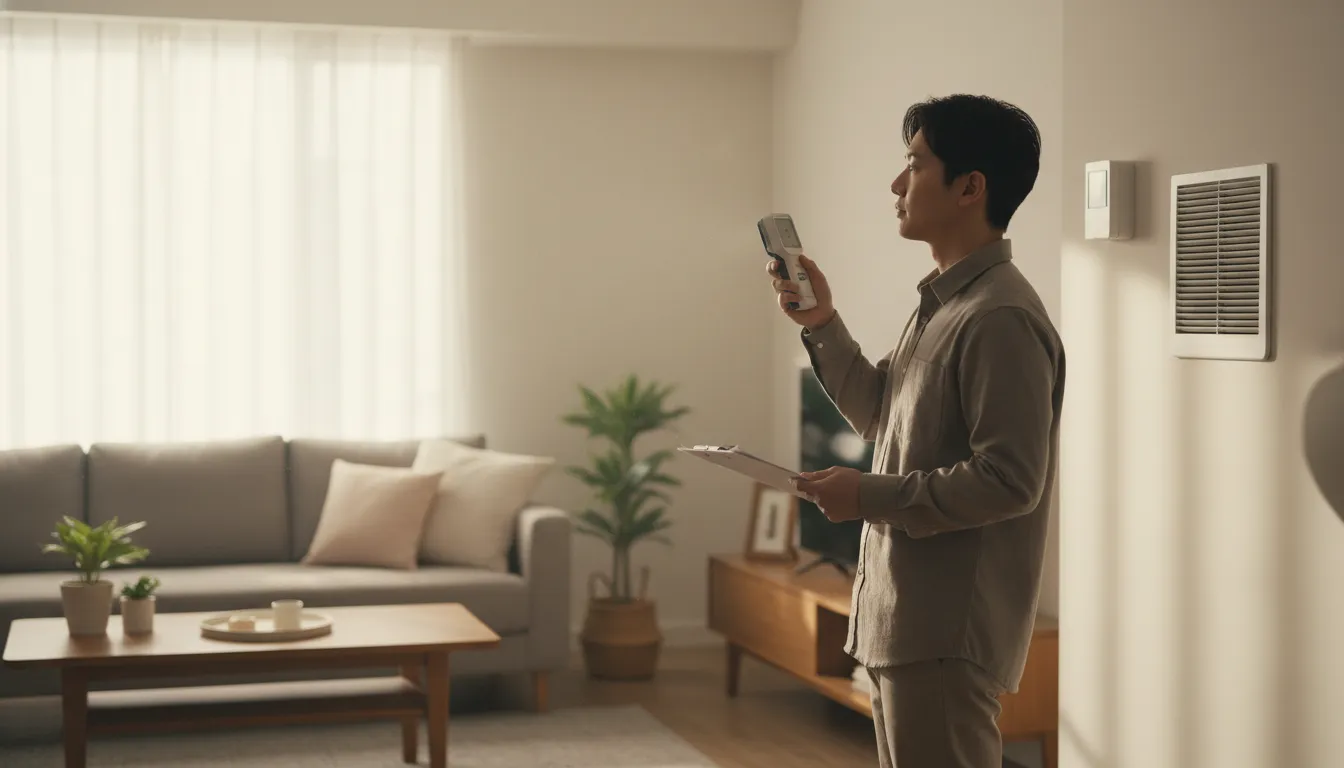
Find the Best Indoor Air Quality Service Providers for Your Business
No obligation • Fast responses • Nationwide coverage

Why you can trust HVAC Firms
HVAC Firms is a leading United States resource for evaluating HVAC service providers. Our team researches companies, checks credentials, and reviews customer feedback to present clear, unbiased information. Listings and rankings are based on merit, and companies cannot pay to change our editorial content.
Search providers near you
Top Indoor Air Quality Service Providers in San Clemente, California Ranked
Breathing clean, healthy air inside your home is essential for comfort and well-being, especially in a beautiful coastal community like San Clemente. Indoor air quality (IAQ) refers to the condition of the air within and around buildings, particularly as it relates to the health and comfort of occupants. With unique environmental factors at play, from ocean humidity to local allergens, understanding and managing your home's air is crucial. This guide will help you identify common pollutants, explore testing options, and discover effective strategies for improvement, connecting you with the knowledge to find local specialists who can help create a healthier indoor environment.
Air Care
30211 Avenida de las Banderas #200, Rancho Santa Margarita, CA 92688
Air Care is a veteran-owned heating and air conditioning company based in Long Beach, CA. They provide residential HVAC services including air conditioning repair, furnace repair, mini split installation, HVAC tune-ups, and indoor air quality solutions. Serving Long Beach and the surrounding Orange County areas, Air Care offers 24/7 emergency services to address heating and cooling issues promptly. Their technicians are licensed, trained, and certified, ensuring professional and reliable workmanship. The company emphasizes quality and integrity in all their services and partners with top brands like Trane to deliver high-quality products.
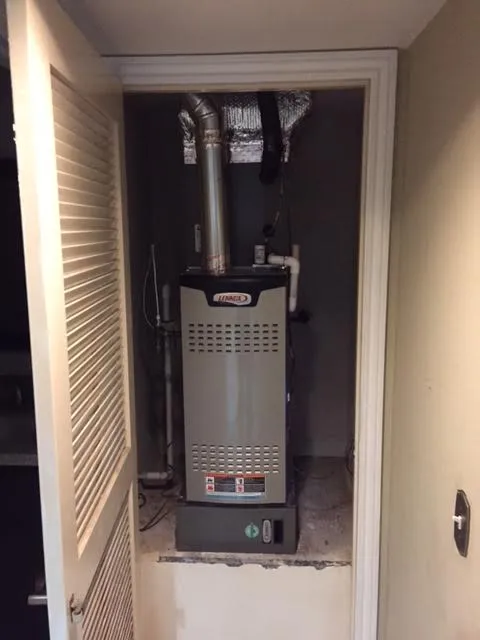
1st Choice Heating & Air Conditioning, Inc.
23372 Madero Suite B, Mission Viejo, CA 92691
1st Choice Heating & Air Conditioning, Inc. provides a wide range of HVAC services in Anaheim, CA. Their offerings include installation, repair, and maintenance of air conditioners, furnaces, heat pumps, mini-split systems, and thermostats, along with indoor air quality solutions. As a Lennox Premier Dealer and recipient of the Centurion Award, they specialize in Lennox products and deliver energy-efficient heating and cooling systems. Their technicians are trained to handle various HVAC needs, from tune-ups to system replacements, ensuring comfort throughout the year.
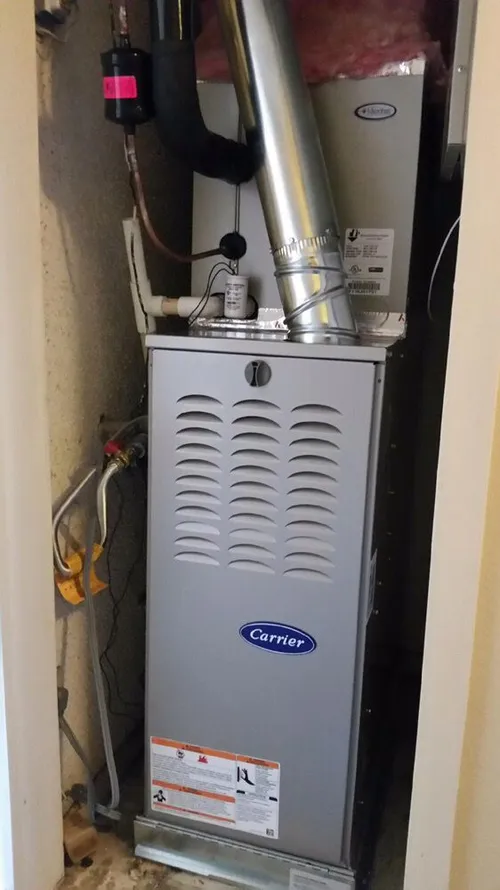
AC Cool, Inc.
Anaheim, CA
AC Cool, Inc. is a family-owned HVAC company serving Anaheim, CA, and the greater Orange County area since 1991. They provide residential and commercial heating and air conditioning services, including installation, repair, maintenance, and indoor air quality solutions. As a Carrier Factory Authorized Dealer, they offer expert installation and repair of heating and cooling systems backed by manufacturer warranties. Their technicians are NATE-certified and factory-trained, ensuring skilled service for all makes and models. AC Cool, Inc. also offers multi-point tune-ups and can accommodate emergency and after-hours repair requests.
MAYDAY Heating and Air Conditioning Irvine
208 Technology Dr Suite A, Irvine, CA 92618
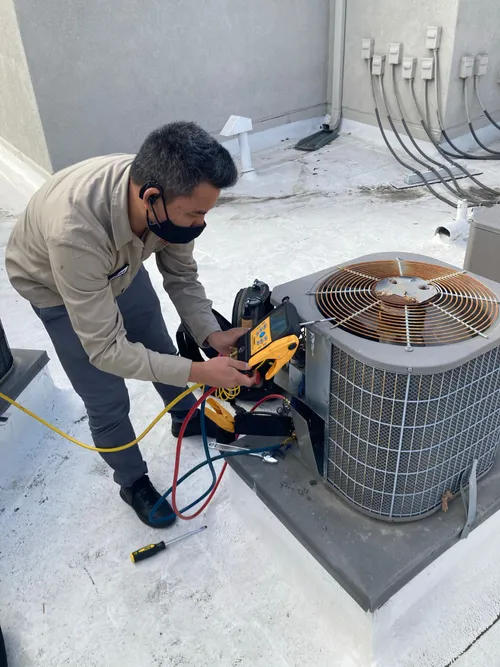
MAYDAY Heating and Air Conditioning Irvine is a locally owned HVAC and home services provider based in Irvine, CA. They offer a wide range of services including air conditioning, furnace, and heat pump repair and installation, as well as HVAC tune-ups and indoor air quality solutions. Serving all of Orange County, their licensed technicians handle both residential and commercial projects with expertise in diagnostics and code-compliant work. The company also provides plumbing, appliance repair, and refrigeration services. MAYDAY emphasizes transparent quotes and backs their HVAC repairs with a six-month warranty.
Direct AC
502 Chaney St STE L, Lake Elsinore, CA 92530
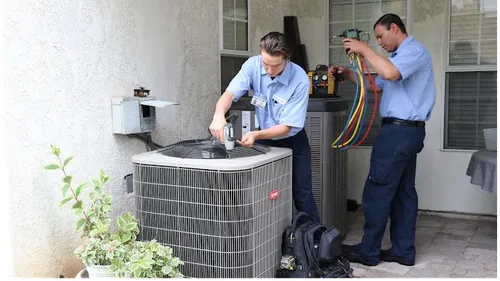
Direct AC is an HVAC company serving Irvine, CA, and the surrounding Southern California region. They provide a range of services including air conditioning, furnace, and heat pump repair and installation, as well as indoor air quality solutions. Their team handles residential and commercial HVAC needs with a focus on maintaining healthy indoor environments. Direct AC operates throughout the Inland Empire, North San Diego County, and South Orange County, offering expertise in system tune-ups and repairs. The company emphasizes quality workmanship backed by years of experience in Riverside County.
Why Indoor Air Matters in San Clemente
We often think of air pollution as an outdoor problem, but the air inside our homes can be two to five times more polluted than outdoor air1. Given that most people spend about 90% of their time indoors, the quality of that air has a direct impact on health, sleep, and productivity. For San Clemente residents, the coastal climate presents specific challenges. The moist, salty air can contribute to persistent humidity indoors, which creates an ideal breeding ground for mold and dust mites2. Furthermore, while the ocean breezes are refreshing, they can carry pollen and other allergens into homes, where they become trapped. Addressing these indoor environmental quality issues is key to maintaining a comfortable and safe living space.
Common Indoor Air Pollutants in Coastal Homes
Several specific contaminants are frequently encountered in San Clemente area homes. Identifying these is the first step toward remediation.
Mold and Mildew: The relatively high humidity levels common in coastal Southern California can lead to condensation and dampness in poorly ventilated areas like bathrooms, basements, and crawl spaces. This moisture encourages the growth of mold and mildew, which release spores and microbial volatile organic compounds (mVOCs) into the air. Exposure can trigger allergic reactions, asthma attacks, and other respiratory issues.
Allergens: Pollen from local vegetation, pet dander, dust mite droppings, and cockroach particles are common indoor allergens. These can easily be tracked in or circulate through a home's ventilation system, causing year-round discomfort for sensitive individuals.
Volatile Organic Compounds (VOCs): These are gases emitted from a wide array of everyday products and materials. Common sources in homes include new furniture, carpeting, paints, varnishes, cleaning supplies, disinfectants, air fresheners, and even cosmetics. During and after activities like remodeling, VOC levels can be significantly elevated 3.
Combustion Pollutants: These dangerous gases include carbon monoxide (CO), nitrogen dioxide (NO2), and particulate matter. They are produced by fuel-burning appliances that are not properly vented, maintained, or adjusted. Sources include gas stoves, furnaces, water heaters, fireplaces, and attached garages where cars idle. Carbon monoxide is particularly dangerous as it is odorless and colorless4 5.
Asthma Triggers: Beyond allergens and mold, other factors like dust, tobacco smoke, and certain chemical irritants can act as triggers. The South Coast Air Quality Management District (SCAQMD) monitors and regulates outdoor air in the region, but these outdoor pollutants can also infiltrate homes and combine with indoor sources to exacerbate conditions6.
How to Test Your Home's Air Quality
If you suspect a problem or are experiencing unexplained health symptoms, testing your home's air is a logical next step. There are two primary approaches: DIY kits and professional assessment.
DIY Testing Kits: Available at hardware stores or online, these kits are an affordable starting point for checking a single specific contaminant, such as mold, radon, or lead dust. Prices typically range from $15 to over $1507. Most involve taking an air or surface sample and mailing it to a laboratory for analysis, which incurs an additional fee. While useful for initial screening, DIY kits may not provide the comprehensive picture or accuracy needed for complex issues8 9.
Professional Indoor Air Quality Inspection: For a thorough evaluation, especially with persistent problems or health concerns, hiring a certified professional is recommended. A qualified inspector will conduct a visual assessment, ask about occupant symptoms and home history, and use specialized equipment to take air and surface samples. They can test for a broad spectrum of pollutants simultaneously and provide a detailed report with actionable recommendations10. This service is particularly valuable when buying a home or after a major water leak.
Find the perfect indoor air quality service providers for your needs
Get personalized recommendations and expert advice
Solutions for Healthier Indoor Air
Improving your home's air doesn't always require expensive equipment; often, the most effective strategies are about control and prevention.
Source Control: This is the most effective and often lowest-cost method. It involves eliminating or reducing the emission of pollutants at their source. Examples include switching to low-VOC paints and cleaning products, ensuring fuel-burning appliances are correctly installed and vented, fixing water leaks promptly to prevent mold, and establishing a no-smoking policy indoors 11.
Ventilation Improvement: Increasing the amount of outdoor air that comes indoors helps dilute and remove pollutants. Simple actions include opening windows and doors when weather permits, using bathroom and kitchen exhaust fans that vent to the outside, and ensuring your attic and crawl spaces have adequate ventilation. For whole-home solutions, an energy recovery ventilator (ERV) can bring in fresh air while minimizing energy loss 12.
Air Cleaning and Filtration: When source control and ventilation are insufficient, air cleaners can be effective. They range from portable room units to whole-house systems integrated into your HVAC.
- High-Efficiency Filters: Upgrading the filter in your central heating and cooling system to a Minimum Efficiency Reporting Value (MERV) 13 or higher rating can capture a significant percentage of airborne particles.
- Portable Air Purifiers: These are excellent for targeting specific rooms. It's important to choose a unit that is properly sized for the space and uses a HEPA filter for allergens. Note: All portable air cleaning devices sold in California must be certified by the California Air Resources Board (CARB) for electrical safety and ozone emissions13.
- Air Duct Cleaning: If there is visible mold growth, excessive dust, or vermin infestation in your ductwork, professional cleaning may be warranted. However, routine duct cleaning is not generally necessary for all homes.
Humidity Control: Maintaining indoor relative humidity between 30% and 50% helps control mold, dust mites, and some bacteria. In San Clemente's climate, a dehumidifier may be needed in naturally damp areas. Conversely, in dry periods, a humidifier can prevent irritation from overly dry air14.
Understanding Remediation Costs
The cost to fix an indoor air quality problem depends entirely on the pollutant and the extent of the issue. Here are some average ranges for common remediation services15:
- Professional Mold Remediation: For an average case, costs can range from $1,150 to $3,400 or more, depending on the square footage affected and the location (e.g., crawl space vs. wall cavity).
- Radon Mitigation System Installation: Installing a system to vent radon gas from beneath your home typically costs between $700 and $1,300+.
- Asbestos Abatement: Safe removal of asbestos-containing materials averages between $1,190 and $3,260.
- Air Duct Cleaning: Costs vary widely but are often part of a larger HVAC service call.
- New Air Purification System: The price for a whole-home system or high-end portable units varies significantly by technology, capacity, and brand.
For accurate pricing and to address specific concerns, it's best to consult with a local, certified professional. You can also contact the Orange County Environmental Health agency for guidance and resources16 17.
Maintaining Good Air Quality Long-Term
Creating healthy indoor air is an ongoing process. Establish simple habits like using doormats, removing shoes at the door, dusting with a damp cloth, and vacuuming regularly with a HEPA-filtered vacuum. Schedule annual maintenance for your HVAC system, including filter changes. Be mindful of activities that generate pollutants-like painting, sanding, or using strong cleaners-and ensure extra ventilation during those times. By combining awareness, preventive maintenance, and targeted solutions, you can enjoy the fresh, clean air that complements San Clemente's coastal lifestyle.
Frequently asked questions
Sources
Footnotes
-
Power Pro: Indoor Air Quality Solutions in San Clemente, CA - https://www.powerproplumbing.com/indoor-air-quality/indoor-air-quality-solutions-san-clemente-ca ↩
-
Indoor Air Quality in San Clemente, CA - D C Plumbing - https://www.dcplumbing.net/air-conditioning-service-company/indoor-air-quality/ ↩
-
Indoor Air Quality & Exposure - California Air Resources Board - https://ww2.arb.ca.gov/our-work/topics/indoor-air-quality-exposure ↩
-
Indoor Air Quality | Los Angeles County Department of Public Health - http://publichealth.lacounty.gov/eh/safety/indoor-air-quality.htm ↩
-
Carbon Monoxide Testing Valparaiso IN | Kent Heating & AC - https://www.kentheatingandac.com/indoor-air-quality-products/carbon-monoxide-testing ↩
-
4.3 Air Quality - City of Irvine Website - https://legacy.cityofirvine.org/civica/filebank/blobdload.asp?BlobID=24582 ↩
-
How Much Does Professional Home Indoor Air Quality Testing Cost? - https://www.airpf.com/how-much-does-a-home-indoor-air-quality-testing-cost/ ↩
-
How Much Does Indoor Air Quality Testing Cost? [2026 Data] - https://www.angi.com/articles/how-much-does-indoor-air-quality-testing-cost.htm ↩
-
The Importance of Regular Mold Assessments: Benefits, Health Risks, and Prevention - Mold and Restoration Experts - https://moldandrestorationexperts.com/the-importance-of-regular-mold-assessments/ ↩
-
Indoor Air Quality Testing & Inspection Services, Orange ... - https://www.titan-enviro.com/indoor-air-quality-assessment/ ↩
-
Top Sources of Indoor Air Pollution At Home And Effects - https://filterbuy.com/resources/health-and-wellness/top-sources-indoor-air-pollution-at-home-and-its-effects/ ↩
-
Here's Why High Indoor Air Quality Is Important - https://www.stanfordhvac.net/blog/why-your-indoor-air-quality-matters/ ↩
-
Indoor Air - California Air Resources Board - CA.gov - https://ww2.arb.ca.gov/our-work/programs/indoor-air ↩
-
Indoor Air - California Air Resources Board - CA.gov - https://ww2.arb.ca.gov/our-work/programs/indoor-air ↩
-
How Much Does a Mold Inspection Cost? [2025 Data] | Angi - https://www.angi.com/articles/mold-inspection-professionals-and-costs.htm ↩
-
Indoor Air Quality Testing - Southern California, Arizona, Nevada - https://www.ellisenvironmental.com/services/southern-california-indoor-air-quality-testing ↩
-
Indoor Air Quality | Orange County California - https://www.ochealthinfo.com/services-programs/environmental-health/indoor-air-quality ↩