Find the Best Indoor Air Quality Service Providers for Your Business
No obligation • Fast responses • Nationwide coverage

Why you can trust HVAC Firms
HVAC Firms is a leading United States resource for evaluating HVAC service providers. Our team researches companies, checks credentials, and reviews customer feedback to present clear, unbiased information. Listings and rankings are based on merit, and companies cannot pay to change our editorial content.
Search providers near you
Top Indoor Air Quality Service Providers in Rialto, California Ranked
The air you breathe inside your Rialto home or business has a direct impact on your health, comfort, and productivity. Indoor air quality (IAQ) refers to the condition of the air within and around buildings, especially as it relates to the health and well-being of occupants. In Rialto, local factors like outdoor pollution, older building materials, and specific climate conditions make proactive IAQ management essential. This guide will help you understand common local air quality concerns, the process of professional assessment, and the solutions available to create a cleaner, healthier indoor environment.

All City Plumbing, Air & Electrical
5612 E La Palma Ave, Anaheim, CA 92807
All City Plumbing, Air & Electrical is a full-service provider based in Anaheim, CA, offering plumbing, HVAC, and electrical services. They serve residential and commercial customers with repair, installation, and maintenance for air conditioning, furnaces, thermostats, and indoor air quality systems. The company is known for its ACE-certified technicians and uses advanced technology such as hydro jetting for plumbing services. With over 13 years in business, All City Plumbing, Air & Electrical provides 24/7 emergency service to address urgent HVAC and plumbing needs.
MSP HEATING AND AIR CONDITIONING
2932 Rubidoux Blvd Suite B, Jurupa Valley, CA 92509
MSP HEATING AND AIR CONDITIONING is an HVAC company based in Riverside, CA, offering repair, installation, and maintenance services for air conditioning, furnaces, heat pumps, and indoor air quality systems. Serving Riverside County and parts of San Bernardino County, they provide certified expertise including heat exchange, NATE, EPA 608, and indoor air quality certifications. With over a decade of experience, MSP HEATING AND AIR CONDITIONING focuses on preventing issues through regular maintenance and delivering prompt repairs when needed. They also offer 24/7 availability for emergency HVAC services.
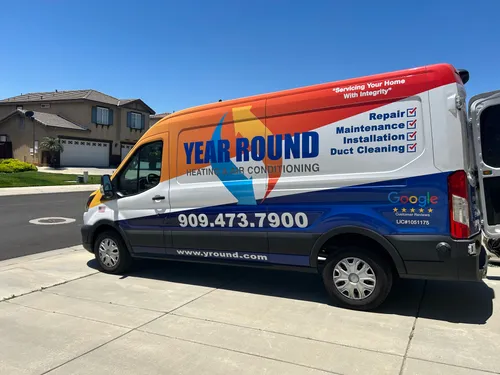
Year Round Heating & Air Conditioning
10444 Corporate Dr Unit A-B, Redlands, CA 92374
Year Round Heating & Air Conditioning provides comprehensive HVAC services in Riverside, CA, including air conditioning and furnace repair, installation, maintenance, and indoor air quality solutions. As a Lennox Dealer, the company offers skilled technicians who handle a variety of heating and cooling systems, ensuring accurate and efficient service. Established in 2016, Year Round Heating & Air Conditioning also offers emergency response services and financing options for repairs and installations.
Sano Heating & Air Conditioning
5546 E La Palma Ave, Anaheim, CA 92807
Sano Heating & Air Conditioning is an HVAC company based in Anaheim, CA, providing a range of heating and cooling services. They offer repair and installation for air conditioners, furnaces, heat pumps, mini splits, and perform HVAC tune-ups. The company also specializes in indoor air quality solutions and energy-efficient options like ductless and zoned systems. Serving Anaheim and the surrounding Orange County area, they handle new construction projects and have sheet metal capabilities to support their HVAC services.
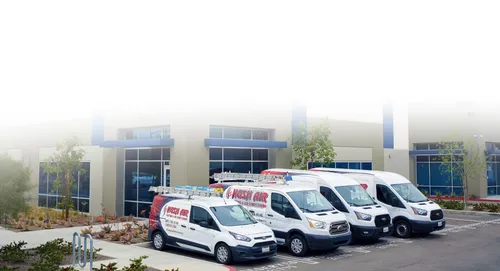
Hush Air Heating & Air Conditioning
21790 Van Buren Boulevard Ste 104, Riverside, CA 92518
Hush Air Heating & Air Conditioning is a full-service HVAC company based in Riverside, CA. They offer a range of services including air conditioning and heat pump repair, installation of central AC systems, ductless mini splits, and heat pumps. The company also provides indoor air quality evaluations and installs whole-house air filtration and purification systems to improve home environments. Additionally, they service tankless water heaters and offer routine HVAC maintenance to ensure system efficiency and reliability.
Why Indoor Air Quality Matters in Rialto
We spend up to 90% of our time indoors, where pollutant levels can be two to five times higher than outdoor levels1. For Rialto residents and business owners, paying attention to indoor environmental quality is not just about comfort-it's a health consideration. The region's unique challenges mean that outdoor air pollution doesn't stay outside; it infiltrates our living and working spaces, combining with indoor pollutants to create a complex mix. Poor IAQ can lead to immediate effects like headaches, dizziness, fatigue, and irritation of the eyes, nose, and throat, as well as long-term respiratory diseases, heart disease, and even cancer2 1. Understanding and controlling common pollutants can help reduce the risk of these health concerns.
Common Indoor Air Pollutants in Rialto Homes & Businesses
Rialto's indoor air concerns stem from a combination of indoor sources and the region's existing outdoor air pollution, particularly ozone and particulate matter 3. Being aware of these common contaminants is the first step toward mitigation.
Outdoor Air Intrusion
The Southern California Air Basin, which includes Rialto, is a nonattainment area for ozone and particulate matter (PM2.5 and PM10)4. This means outdoor air quality often fails to meet health-based standards. Windblown dust from local construction, agriculture, and traffic, along with industrial emissions, can easily infiltrate homes and offices through windows, doors, and building cracks. This constant influx means that even if you generate no indoor pollutants, your air can still be compromised by the external environment.
Combustion Pollutants
Many homes in Rialto use gas appliances for cooking and heating. Sources like gas stoves, furnaces, water heaters, fireplaces, and attached garages (where cars may idle) produce harmful combustion byproducts. These include carbon monoxide (CO), nitrogen dioxide (NO₂), and fine particles, which can be especially hazardous if ventilation is inadequate5. Ensuring proper venting and maintenance of these appliances is critical for safety.
Volatile Organic Compounds (VOCs)
These are gases emitted from a wide array of everyday products and materials. In Rialto homes, common sources include:
- Building materials like pressed wood products (plywood, particleboard).
- New furniture, carpets, and upholstery.
- Household cleaning and disinfecting products.
- Paints, varnishes, and adhesives.
- Air fresheners and personal care products like perfumes. These chemicals can off-gas for months or even years after installation, contributing to poor indoor air and potential health effects6.
Moisture and Biological Contaminants
High humidity, water damage from leaks, or flooding can create the perfect environment for biological growth. Mold, mildew, dust mites, and bacteria thrive in damp conditions and can cause allergic reactions, asthma attacks, and other respiratory issues7. Proper moisture control through ventilation, dehumidification, and prompt repair of leaks is a cornerstone of good IAQ.
Legacy Contaminants in Older Buildings
Rialto has a mix of older and newer construction. Older homes and commercial buildings may contain legacy materials that pose IAQ risks:
- Lead: Dust from deteriorating lead-based paint is a significant concern, especially during renovations.
- Asbestos: Found in insulation, floor tiles, and pipe wrap in buildings constructed before the 1980s.
- Radon: A naturally occurring radioactive gas that can seep into buildings from the soil; testing is recommended even in Southern California 8.
Find the perfect indoor air quality service providers for your needs
Get personalized recommendations and expert advice
The Professional Indoor Air Quality Assessment Process
If you suspect an issue or want a baseline measurement, a professional IAQ assessment provides a scientific, comprehensive evaluation. This process is far more detailed than a simple home monitor and is conducted by trained environmental specialists.
1. Initial Consultation and Visual Inspection
The process typically begins with a discussion of your concerns, occupant health symptoms, and building history. A specialist will then perform a thorough visual walkthrough of the property. They look for signs of water damage, mold growth, improper ventilation, potential pollutant sources (like unvented appliances), and the condition of existing building materials 9.
2. Occupant Questionnaires and History
Professionals often use detailed questionnaires to gather information on occupant activities, timelines of symptoms (often related to "sick building syndrome"), and any recent changes to the building or its contents. This helps correlate potential causes with reported health effects.
3. Air Monitoring and Sampling
This is the core technical phase. Specialists use calibrated equipment to measure pollutant levels. Methods include:
- Real-Time Monitoring: Devices that provide instant readings for parameters like particulate matter (PM2.5, PM10), carbon dioxide (CO₂), carbon monoxide (CO), temperature, and humidity10.
- Air Sampling: Collecting air samples for later laboratory analysis. This is essential for identifying specific mold spore types, asbestos fibers, lead dust, or a detailed breakdown of VOC compounds11 12.
4. Targeted Pollutant Testing
Based on the initial findings, the assessment may include specific tests for known or suspected hazards:
- Mold Inspection: Surface and air sampling to identify species and concentration levels13.
- Radon Testing: Deploying short-term or long-term radon test kits in the lowest livable area of the home.
- Formaldehyde Testing: Specific sampling for this common and irritating VOC.
- Asbestos/Lead Testing: Bulk sampling of suspect materials or dust wipe sampling for lead14.
5. HVAC System Evaluation
Since the heating, ventilation, and air conditioning system is the "lungs" of a building, its evaluation is crucial. A specialist will assess:
- Airflow and ventilation rates to ensure adequate fresh air exchange.
- The condition and efficiency of air filters.
- Ductwork for cleanliness, leaks, or mold growth.
- The overall balance of the system15.
Solutions for Improving Your Indoor Air
Once an assessment identifies problems, a range of solutions exists, from simple behavioral changes to mechanical system upgrades.
Source Control
The most effective way to improve IAQ is to eliminate or reduce the sources of pollution16. This can include:
- Switching to electric or properly vented appliances.
- Using low-VOC paints, cleaners, and building materials.
- Ensuring gas appliances are correctly installed, maintained, and vented outdoors.
- Fixing water leaks immediately and addressing mold remediation professionally if needed17.
Ventilation Improvements
Increasing the amount of outdoor air coming indoors helps dilute and remove pollutants.
- Natural Ventilation: Opening windows and doors when weather and outdoor air quality permit.
- Mechanical Ventilation: Installing or upgrading systems like bathroom and kitchen exhaust fans.
- Advanced Systems: For a tightly sealed, energy-efficient home, a balanced ventilation system like an Energy Recovery Ventilator (ERV) or Heat Recovery Ventilator (HRV) is ideal. These systems bring in fresh air while exhausting stale air, recovering energy in the process to minimize heating/cooling costs.
Air Cleaning and Filtration
When source control and ventilation are insufficient, air cleaners can be effective.
- Portable Air Purifiers: Units with True HEPA filters can capture over 99.97% of fine particles, including dust, pollen, and mold spores. Look for units with appropriate Clean Air Delivery Rates (CADR) for your room size. Note that filter replacement is an ongoing cost18.
- HVAC System Upgrades: Installing a higher-efficiency pleated filter (MERV 13 or higher, if your system can accommodate it) can significantly improve whole-house filtration. For ultimate protection against particles, viruses, and some gases, professionally installed in-duct air purification systems are an option.
Cost Considerations for IAQ Improvements
Investing in better air has a range of price points 19.
- Professional IAQ Testing: A comprehensive assessment typically ranges from $1,000 to over $2,000, while basic testing for a specific concern may average around $400. Targeted add-ons like mold inspection ($250-$500), radon testing ($125-$220), or lead testing ($130-$1,500) vary in scope and price20 21.
- Improvement/Remediation Costs:
- Portable HEPA air purifiers: $100 - $800+ (plus filter replacements).
- Radon mitigation system installation: $700 - $1,200+.
- Professional ERV/HRV system installation: $2,000 and up.
- Source control (e.g., mold remediation, asbestos abatement, fixing leaks): Costs depend entirely on the scale and severity of the problem.
Monitoring Your Indoor Air
For ongoing awareness, consumer-grade indoor air quality monitors are widely available. These devices can track key parameters like PM2.5, VOCs, CO₂, temperature, and humidity in real-time, providing data to your smartphone22 23. While not a substitute for professional-grade diagnostic equipment, they are excellent tools for tracking trends, verifying the effectiveness of your interventions, and knowing when to increase ventilation or change filters.
Frequently asked questions
Sources
Footnotes
-
Indoor Air Quality | US EPA - https://www.epa.gov/report-environment/indoor-air-quality ↩ ↩2
-
Indoor Air Quality - Frequently Asked Questions - OSHA - https://www.osha.gov/indoor-air-quality/faqs ↩
-
Indoor Air Quality & Exposure - California Air Resources Board - https://ww2.arb.ca.gov/our-work/topics/indoor-air-quality-exposure ↩
-
July 27, 2023 TO: Ray Hussey, Enplanners FROM - Rialto, CA - https://www.rialtoca.gov/DocumentCenter/View/4857/RHNC-Appendix-A ↩
-
Combustion Pollutants & Indoor Air Quality - https://ww2.arb.ca.gov/resources/documents/combustion-pollutants-indoor-air-quality ↩
-
Indoor Air Quality - NM-Tracking - https://nmtracking.doh.nm.gov/environment/air/IndoorQuality.html ↩
-
Indoor Air Quality - County of Los Angeles Public Health - http://www.publichealth.lacounty.gov/Eh/safety/indoor-air-quality.htm ↩
-
Sources of Air Pollution - California Air Resources Board - CA.gov - https://ww2.arb.ca.gov/resources/sources-air-pollution ↩
-
Indoor Air Quality Testing & Inspection Services, Orange County, ... - https://www.titan-enviro.com/indoor-air-quality-assessment/ ↩
-
INDOOR AIR QUALITY - https://www.dir.ca.gov/DOSHPol/P&PC-48.HTM ↩
-
JLM Environmental - https://www.jlmenvironmental.com/ ↩
-
Indoor Air Quality Lab Services - LA Testing - https://www.latesting.com/Services.aspx?action=list&TopServiceCategoryID=4&ServiceCategoryID=4 ↩
-
Indoor Air Quality Testing Services - https://www.titan-enviro.com/indoor-air-quality-testing/ ↩
-
Testing for Indoor Air Quality | EST - https://estechlab.com/indoor-air-quality-investigations/ ↩
-
Understanding Commercial Indoor Air Quality Testing: What's Involved? - https://www.aeroenergy.com/understanding-commercial-indoor-air-quality-testing-whats-involved/ ↩
-
Indoor Air - California Air Resources Board - CA.gov - https://ww2.arb.ca.gov/our-work/programs/indoor-air ↩
-
Improving indoor air quality might save your life - https://yaleclimateconnections.org/2025/12/improving-indoor-air-quality-might-save-your-life/ ↩
-
6 Methods For Improving Indoor Air Quality (IAQ) on a Budget | Veris - https://www.veris.com/blog/6-methods-for-improving-indoor-air-quality-iaq-on-a-budget ↩
-
Step 1: Custom Indoor Air Quality Test in Your Milwuakee Home - https://pureindoorair.com/how-it-works/indoor-air-quality-test/ ↩
-
How Much Does Professional Home Indoor Air Quality Testing Cost? - https://www.airpf.com/how-much-does-a-home-indoor-air-quality-testing-cost/ ↩
-
How Much Does Indoor Air Quality Testing Cost? [2026 Data] - https://www.angi.com/articles/how-much-does-indoor-air-quality-testing-cost.htm ↩
-
How to test indoor air quality in your home - Airthings - https://www.airthings.com/resources/how-to-test-air-quality-in-your-home ↩
-
Indoor Air Quality Monitor - https://aurassure.com/indoor-air-quality-monitor/ ↩