Find the Best Indoor Air Quality Service Providers for Your Business
No obligation • Fast responses • Nationwide coverage

Why you can trust HVAC Firms
HVAC Firms is a leading United States resource for evaluating HVAC service providers. Our team researches companies, checks credentials, and reviews customer feedback to present clear, unbiased information. Listings and rankings are based on merit, and companies cannot pay to change our editorial content.
Search providers near you
Top Indoor Air Quality Service Providers in Palmdale, California Ranked
Living in Palmdale offers beautiful high desert vistas, but the local environment presents unique challenges for the air inside your home or business. Indoor air quality (IAQ) refers to the condition of the air within and around buildings, especially as it relates to the health and comfort of occupants. For Palmdale residents, managing IAQ is crucial due to the area's specific climate and pollution profile, which can directly impact indoor environments. This guide will help you understand the common pollutants in our region, how to test for them, and the practical steps you can take to create a healthier, cleaner indoor atmosphere.
Hilo Aire
28220 Ave Crocker # 407, Valencia, CA 91355
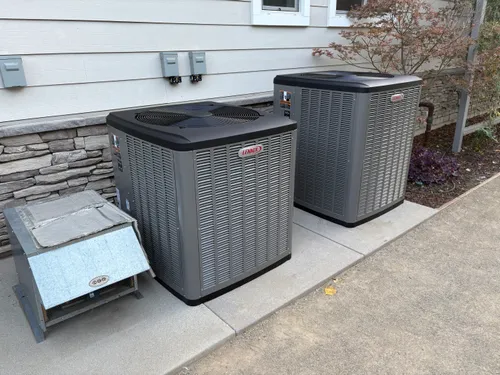
Hilo Aire is an HVAC company serving Santa Clarita, CA, and surrounding areas including Ventura and Los Angeles counties. They provide a range of heating and cooling services such as air conditioning, furnace, heat pump, and ductless mini-split installation, maintenance, and repair. The company also offers indoor air quality services and customized system design focused on energy efficiency. With over 30 years of combined industry experience, Hilo Aire emphasizes transparent pricing and customer-centered service. They provide same-day, weekend, and emergency service options.

Mor Air
11661 Saticoy St, North Hollywood, CA 91605
Mor Air is an HVAC company serving Los Angeles, CA, including North Hollywood and Glendale. They provide a full range of services such as air conditioning and furnace repair, installation, maintenance, duct cleaning, and indoor air quality solutions. Mor Air is licensed and insured, focusing on honest diagnostics and energy-efficient system replacements. The company is recognized for quality workmanship and holds an A+ rating with the Better Business Bureau, along with a strong reputation on HomeAdvisor and BuildZoom.
Just Rite Air Heating & Cooling Santa Clarita
25030 Avenue Stanford suite 70, Santa Clarita, CA 91355
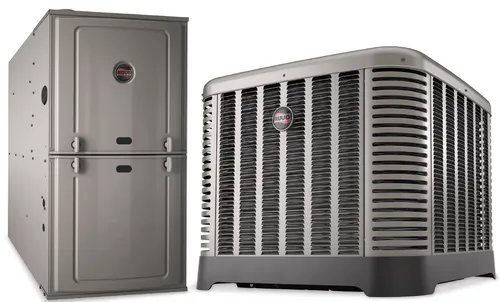
Just Rite Air Heating & Cooling Santa Clarita provides comprehensive HVAC services in Santa Clarita, CA. They specialize in the installation, repair, and maintenance of heating and cooling systems including furnaces, air conditioners, heat pumps, boilers, ductless mini-splits, and geothermal heat pumps. Their services also cover indoor air quality solutions such as air purifiers, humidifiers, and duct cleaning. The company handles diagnostics and repairs for various HVAC components and offers system tune-ups to maintain efficiency. They serve the entire Santa Clarita Valley including Valencia, Saugus, Canyon Country, and Newhall.
Purified Air Heating and Air Conditioning, Inc
117 E Colorado Blvd Suite 600, Pasadena, CA 91105
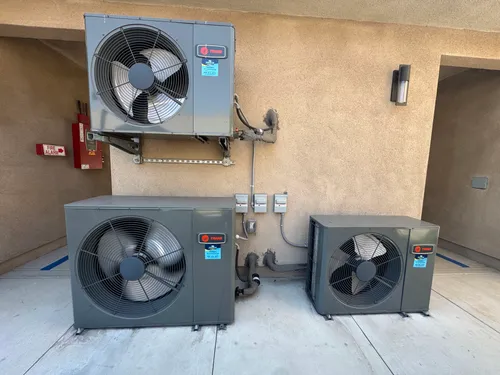
Purified Air Heating and Air Conditioning, Inc provides heating and cooling services in Los Angeles, CA. They specialize in HVAC installation, repair, and maintenance for both residential and commercial properties. As a Lennox Certified Dealer, they offer energy-efficient furnace and air conditioning installations, as well as indoor air quality services. Their team is experienced in handling system upgrades and emergency repairs to ensure reliable comfort. Purified Air emphasizes honest recommendations and straightforward pricing to help customers make informed decisions without upsells or hidden fees.
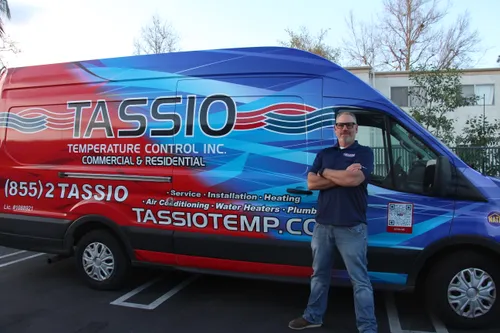
Tassio Temperature Control
28358 Constellation Rd #696, Valencia, CA 91355
Tassio Temperature Control is an HVAC company serving Santa Clarita, CA, and the surrounding San Fernando Valley and Ventura County areas. They provide heating, air conditioning, and indoor air quality services for both residential and commercial clients. Their technicians are NATE certified with an average of 10 years of experience, and they carry a wide range of parts to complete most repairs on the spot. Established in 2006, Tassio Temperature Control has over 20 years of experience in the industry.
Understanding Palmdale's Unique Air Quality Challenges
Palmdale's indoor air is influenced by a combination of typical household sources and the distinct characteristics of the Antelope Valley. The dry climate, while often pleasant, interacts with outdoor pollution in ways that can degrade the air you breathe indoors every day. Being informed about these local factors is the first step toward effective management.
Primary Outdoor Influences on Indoor Air
The air outside doesn't stay outside. It infiltrates your home through doors, windows, and the building envelope, making outdoor air quality a significant contributor to your indoor environment.
- Particulate Matter (PM2.5/PM10): Palmdale's air quality does not meet federal standards for fine particulate matter (PM2.5) and ozone. These particles come from dust-a common feature in our desert landscape-as well as regional transportation, industrial emissions, and increasingly, wildfire smoke. These tiny particles can easily enter homes and are linked to respiratory and cardiovascular issues.
- Ozone: High temperatures and low humidity, hallmarks of our climate, contribute to the formation of ground-level ozone 1. While ozone is primarily an outdoor pollutant, it can seep indoors and react with other chemicals to create different irritants.
- Wildfire Smoke: While not a constant issue, seasonal wildfires can dramatically affect regional air quality for extended periods. Smoke particles and gases can penetrate indoors, making effective filtration during these events a critical health consideration.
Common Indoor Pollutant Sources
Inside our homes and offices, everyday activities and materials generate their own pollutants.
- Biological Contaminants: The dry air generally inhibits mold growth, but any source of moisture-a leaking pipe, poor bathroom ventilation, or an over-humidified room-can quickly lead to mold and mildew. Dust mites, though less prevalent in low humidity, can also be a concern.
- Combustion Pollutants: Gas stoves, fireplaces, wood-burning stoves, and improperly vented or malfunctioning furnaces and water heaters can release harmful gases like carbon monoxide (CO) and nitrogen dioxide2. Ensuring these appliances are well-maintained and properly vented is essential.
- Volatile Organic Compounds (VOCs): These are gases emitted from a wide array of household products. In Palmdale homes, common sources include cleaning supplies, air fresheners, paints, varnishes, new furniture, carpets, and even certain hobbies and crafts3 4. These chemicals can cause short-term irritation and may have long-term health effects.
- Radon: Los Angeles County, including Palmdale, is not classified as a high-risk radon area. However, this naturally occurring radioactive gas can be found anywhere. It enters buildings through cracks in the foundation and, being odorless and colorless, requires specific testing to detect.
- Legacy Contaminants: Older homes may contain materials like asbestos in insulation or lead-based paint. Disturbing these materials during renovations can release dangerous particles into the air5.
How to Test Your Indoor Air in Palmdale
You can't manage what you don't measure. Assessing your indoor air is a multi-step process that ranges from simple DIY checks to comprehensive professional analysis.
Do-It-Yourself Monitoring and Testing
Many effective tools are available for homeowners to get a clear picture of their air quality.
- Air Quality Monitors: Portable, consumer-grade monitors are an excellent starting point. These devices can track levels of particulate matter (PM2.5), VOCs, carbon dioxide (CO2), and sometimes formaldehyde and carbon monoxide in real-time. They help you identify patterns-like spikes during cooking or cleaning-so you can adjust your habits.
- Radon Test Kits: Available at most hardware stores or online, these kits are simple to use. You place a collector in the lowest livable area of your home (like a basement or first-floor bedroom) for a period (e.g., 3-7 days or several months) and then mail it to a lab for analysis.
- Carbon Monoxide Detectors: This is non-negotiable for safety. Install battery-operated or hardwired CO detectors on every level of your home, especially near sleeping areas. They provide an immediate alarm for dangerous levels of this deadly, odorless gas.
- Humidity Gauges (Hygrometers): A simple, inexpensive device to monitor relative humidity. The EPA recommends keeping indoor humidity between 30% and 50% to prevent mold growth and discourage dust mites 6.
Professional Indoor Air Quality Assessment
For a definitive diagnosis, especially if health symptoms are present or you suspect a specific issue like hidden mold, hiring a certified professional is advised.
- Comprehensive Testing: Professionals use advanced equipment to sample air and surfaces. They can identify specific types of mold spores, measure a broader range of VOCs, check for asbestos fibers, and provide a detailed report with remediation recommendations 7.
- HVAC System Evaluation: A key part of IAQ is your heating and cooling system. A pro can assess your ductwork for leaks, contamination, or inadequate airflow, which are common issues that recirculate pollutants throughout your home8.
Find the perfect indoor air quality service providers for your needs
Get personalized recommendations and expert advice
Effective Strategies for Cleaner Indoor Air
Improving your home's atmosphere involves a three-pronged strategy endorsed by the EPA and the California Air Resources Board: source control, ventilation improvement, and air cleaning9 10 11.
1. Source Control: Stopping Pollutants at the Origin
This is the most effective way to improve IAQ.
- Maintain Combustion Appliances: Have furnaces, water heaters, and gas stoves inspected annually by a qualified technician to ensure proper venting and operation.
- Choose Low-VOC Products: Opt for paints, cleaners, and building materials labeled "low-VOC" or "zero-VOC."
- Control Moisture: Fix leaks promptly. Use exhaust fans in bathrooms and kitchens, and ensure your clothes dryer vents to the outside.
- Store Chemicals Safely: Keep paints, solvents, pesticides, and adhesives in a well-ventilated shed or garage, not in living spaces.
2. Enhance Ventilation: Diluting Stale Air with Fresh Air
Good ventilation reduces pollutant concentration by bringing in outdoor air.
- Natural Ventilation: When outdoor air quality is good (check local AQI reports), open windows and doors to create cross-ventilation.
- Mechanical Ventilation: Ensure bathroom and kitchen exhaust fans are powerful enough and vented outdoors. Consider upgrading your HVAC system with devices like Energy Recovery Ventilators (ERVs) or Heat Recovery Ventilators (HRVs), which bring in fresh air while minimizing energy loss.
- Duct Cleaning & Sealing: Over time, ducts can accumulate dust, mold, and debris. Professional duct cleaning ($300-$500 on average for a standard home) can remove this source of contamination. Sealing leaky ducts also prevents polluted air from attics or crawl spaces from entering the supply air.
3. Air Cleaning: Filtering Out Remaining Pollutants
When source control and ventilation aren't enough, air cleaners can help.
- Upgrade HVAC Filters: The simplest and most cost-effective step. Use a high-efficiency filter (look for a MERV rating of 13 or higher) in your central system and change it regularly (every 1-3 months). Filters typically cost between $10 and $40 each.
- Use Portable Air Purifiers: Choose units with True HEPA filters for particulate matter and activated carbon filters for gases and odors (VOCs). Select a purifier sized for the room where it will be used. Prices range from $100 to over $500 per unit12 13.
- Consider Whole-House Air Cleaners: These are installed directly into your HVAC ductwork, such as UV-C light systems to neutralize biological contaminants or enhanced filtration systems, providing whole-home cleaning.
Understanding Costs for IAQ Improvements
Investment in indoor air quality varies based on the solutions you choose.
- Testing & Monitoring: DIY monitors ($100-$300), radon test kits ($15-$50), professional comprehensive testing ($300-$800+).
- Source Control & Remediation: Radon mitigation system installation: $800 - $2,500+14. Professional mold remediation: Can range from $500 for a small area to several thousand dollars for extensive damage15.
- Ventilation & Filtration: Duct cleaning: $300-$50016. Installing a whole-house ventilator (ERV/HRV): $1,500-$4,500+. High-quality HVAC filters: $10-$40 each. Portable air purifiers: $100-$500+ per unit.
- Regular Maintenance: The most cost-effective strategy is consistent upkeep, like changing filters and servicing appliances, which prevents larger, more expensive problems.
Frequently asked questions
Sources
Footnotes
-
Palmdale, CA Poor Air Quality Map and Forecast | First Street - https://firststreet.org/city/palmdale-ca/655156_fsid/air ↩
-
Combustion Pollutants & Indoor Air Quality - https://ww2.arb.ca.gov/resources/documents/combustion-pollutants-indoor-air-quality ↩
-
Palmdale, CA Poor Air Quality Map and Forecast | First Street - https://firststreet.org/city/palmdale-ca/655156_fsid/air ↩
-
Indoor Air Quality - County of Los Angeles Public Health - http://www.publichealth.lacounty.gov/Eh/safety/indoor-air-quality.htm ↩
-
Indoor Air Quality - County of Los Angeles Public Health - http://www.publichealth.lacounty.gov/Eh/safety/indoor-air-quality.htm ↩
-
How to test indoor air quality in your home - Airthings - https://www.airthings.com/resources/how-to-test-air-quality-in-your-home ↩
-
How to Test Indoor Air Quality in Your Home or Office - Aeroseal - https://aeroseal.com/blog/how-to-test-indoor-air-quality/ ↩
-
How Your HVAC Unit Can Affect Your Health - https://www.spoorsheatingandac.com/how-hvac-systems-can-impact-health/ ↩
-
Indoor Air - California Air Resources Board - CA.gov - https://ww2.arb.ca.gov/our-work/programs/indoor-air ↩
-
Indoor Air Quality Research - California Air Resources Board - https://ww2.arb.ca.gov/resources/documents/indoor-air-quality-research ↩
-
Measurements of Indoor Air Quality - https://link.springer.com/rwe/10.1007/978-981-19-1550-5_90-1 ↩
-
How to Test Indoor Air Quality: A Super Simple Process for ... - https://gowithpeak.com/blog/indoor-air-quality-service/how-to-test-indoor-air-quality-a-super-simple-process-for-homeowners/ ↩
-
How to Test Home Air Quality - Atmo Tube - https://atmotube.com/blog/how-to-test-home-air-quality ↩
-
How to Test The Indoor Air Quality of Your Home | Kalins - https://www.kalinsindoor.com/how-to-test-the-indoor-air-quality-of-your-home/ ↩
-
Mold Inspection & Testing Palmdale California - https://moldinspectionandtest.com/palmdale-ca ↩
-
Indoor Air Quality Service in Palmdale, CA - https://callallheart.com/indoor-air-quality-palmdale-ca/ ↩