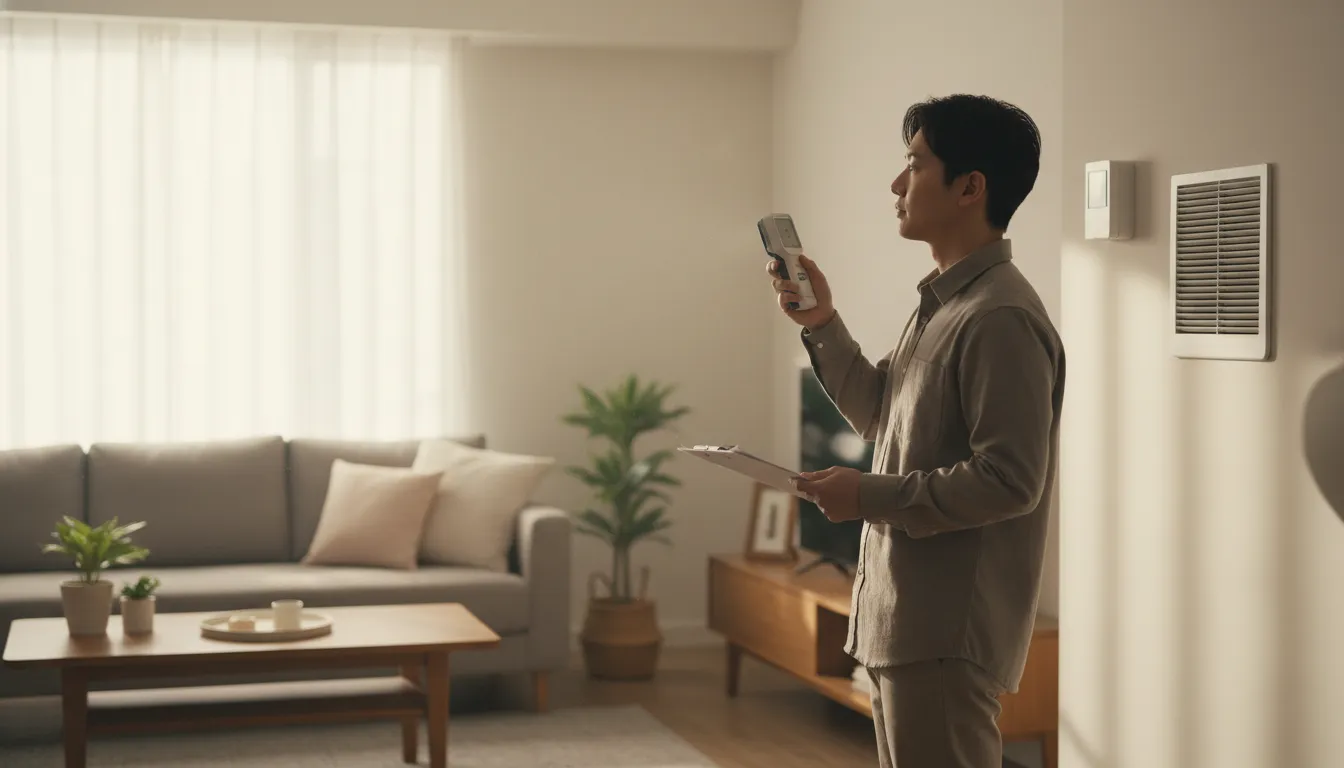
Find the Best Indoor Air Quality Service Providers for Your Business
No obligation • Fast responses • Nationwide coverage

Why you can trust HVAC Firms
HVAC Firms is a leading United States resource for evaluating HVAC service providers. Our team researches companies, checks credentials, and reviews customer feedback to present clear, unbiased information. Listings and rankings are based on merit, and companies cannot pay to change our editorial content.
Search providers near you
Top Indoor Air Quality Service Providers in Palm Desert, California Ranked
The air you breathe inside your home or office in Palm Desert is a critical component of your health and comfort. Indoor Air Quality (IAQ) refers to the condition of the air within and around buildings, particularly as it relates to the well-being of occupants. In the Coachella Valley, unique desert factors like pervasive dust, extreme heat, and humidity from cooling systems can create specific challenges for maintaining clean indoor air. This guide is designed to help you understand common local IAQ concerns, identify potential problems, and explore effective solutions, from simple DIY steps to professional assessments and system upgrades.
Riverside Kwik Dry
Riverside, CA
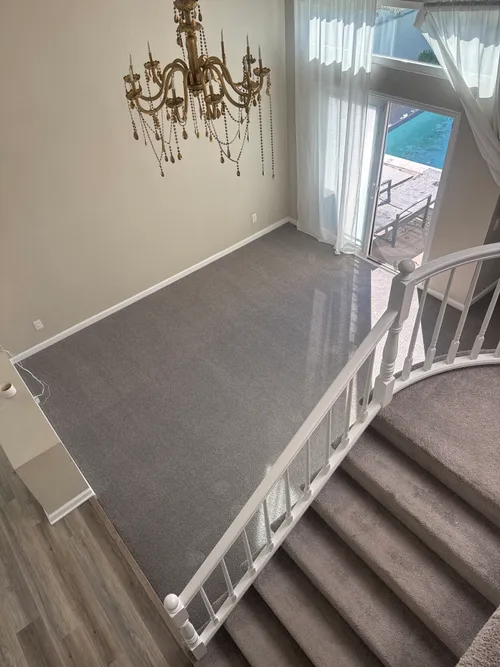
Riverside Kwik Dry is a cleaning company based in Riverside, CA, offering carpet cleaning, air duct cleaning, upholstery cleaning, tile and grout cleaning, dryer vent cleaning, and mattress cleaning services. They use an all-natural, eco-friendly cleaning formula that dries carpets in about an hour. Their air duct cleaning includes a source removal process with mechanical agitation and extraction, followed by disinfection using an EPA-approved product effective against COVID-19. The company emphasizes safe, green cleaning methods suitable for families and pets.
Action Duct Cleaning Company of Riverside
Riverside, CA
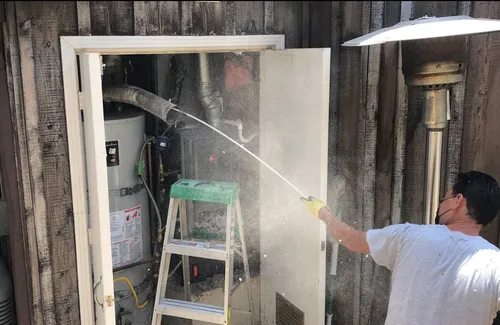
Action Duct Cleaning Company of Riverside provides a wide range of duct cleaning and indoor air quality services in Riverside, CA. They serve residential, commercial, industrial, and restaurant clients with offerings such as heating and air conditioning cleaning, dryer duct cleaning, kitchen exhaust cleaning, HVAC cleaning, and aeroseal duct sealing. Established in 1996, the company has extensive experience in improving air quality, reducing fire risks, and enhancing environmental efficiency. Their services include camera duct inspection and power washing, supporting thorough cleaning and maintenance of duct systems.
Understanding Palm Desert's Unique Indoor Air Challenges
The desert environment presents a distinct set of factors that influence the air inside local homes and businesses. While the outdoor air is often dry, the interior climate-shaped by air conditioning and sealed building envelopes-can foster its own issues. Awareness of these local specifics is the first step toward creating a healthier indoor environment.
Desert Dust and Particulate Matter
High levels of ambient desert dust are a signature challenge in Palm Desert. This fine particulate matter (often referred to as PM2.5) can easily infiltrate homes, affecting respiratory health and settling on surfaces. It's a primary contributor to poor indoor air conditions, especially when ventilation is limited to keep the heat out.
Humidity and Microbial Growth
Paradoxically, the desert heat can lead to indoor humidity problems. Air conditioning systems cool air, which can cause condensation within ducts or on coils if not properly maintained. This damp, dark environment is ideal for mold and microbial growth, which then release spores into your circulating air.
Volatile Organic Compounds (VOCs)
VOCs are gases emitted from a wide array of common household products. In Palm Desert, sources can include new furniture, cleaning supplies, paints, and even certain desert landscaping or pool chemicals stored in garages. In tightly sealed homes, these compounds can accumulate to levels that cause irritation or longer-term health effects 1.
Inadequate Ventilation
To conserve energy, many desert homes are built to be very airtight. While this is efficient for temperature control, it can trap pollutants inside. Without adequate mechanical ventilation or periodic window-opening (when outdoor air quality permits), carbon dioxide, VOCs, and odors can build up, leading to stale, unhealthy air.
Other Potential Contaminants
- Carbon Monoxide (CO): Faulty or poorly vented gas heating systems, water heaters, or stoves can produce this odorless, dangerous gas 2.
- Radon: While less common in California compared to other regions, testing for this naturally occurring radioactive gas is still a wise precaution for home safety.
How to Assess Your Indoor Air
Before investing in solutions, it's helpful to understand the specific conditions in your space. Assessment can range from simple self-monitoring to comprehensive professional evaluation.
DIY Air Quality Monitoring
A growing number of consumer-grade devices allow you to track key IAQ metrics in real time. These monitors can measure levels of PM2.5, VOCs, carbon dioxide (CO2), humidity, and even radon. Brands like Airthings offer units that provide continuous data to your smartphone, helping you identify patterns-like VOC spikes during cleaning or high humidity at certain times of day 3 4. These devices typically represent an initial investment of a few hundred dollars.
Professional Indoor Air Quality Testing
For a more definitive analysis, local IAQ specialists and certain environmental firms offer professional testing. Companies like Breathe California provide services that may include a thorough walkthrough inspection, assessment of your HVAC system, and sampling of air or surfaces sent to laboratories 5. Professionals can test for specific concerns like mold species, asbestos (in older homes), or a full spectrum of VOCs, providing a detailed report and remediation guidance.
HVAC System Evaluation
Since your heating, ventilation, and air conditioning system is the lungs of your home, its condition is paramount. A qualified HVAC technician can assess critical components: the cleanliness of ducts and coils, the functionality of fresh air intakes, the adequacy of exhaust systems (like in bathrooms and kitchens), and the correct operation of humidistats or dehumidification controls 6 7.
Effective Solutions for Cleaner Indoor Air
Improving your home's air involves a multi-pronged strategy often summarized as "source control, ventilation, and filtration."
1. Source Control
The most effective way to improve IAQ is to prevent pollutants from entering the air in the first place.
- Use low-VOC or VOC-free paints, adhesives, and cleaning products.
- Ensure chemicals, pesticides, and fuels are stored in well-ventilated areas outside the main living space, such as in a detached shed.
- Address water leaks immediately and control humidity to prevent mold growth at its source.
2. Enhanced Filtration
Upgrading the filtration in your central HVAC system is one of the most cost-effective steps.
- Use a filter with a Minimum Efficiency Reporting Value (MERV) of 13 or higher to capture fine desert dust and other particulates effectively.
- Remember to change filters regularly (every 1-3 months, especially during dusty or high-use seasons). The annual cost for high-quality filters typically ranges from $50 to $200 8.
3. Proper Ventilation
Introducing fresh, filtered air is crucial for diluting indoor pollutants.
- Open windows when outdoor temperatures and air quality are favorable.
- Consider installing an Energy Recovery Ventilator (ERV) or Heat Recovery Ventilator (HRV). These systems efficiently exchange stale indoor air for fresh outdoor air while minimizing energy loss, making them ideal for Palm Desert's climate. Installation represents a more significant investment, often costing several thousand dollars 9.
4. Air Purification
For targeted particle and gas removal, air purifiers are a key tool.
- Portable Units: Look for CARB-certified (California Air Resources Board) portable air cleaners with HEPA filters for particles and activated carbon for gases. These are effective for single rooms.
- Whole-Home Systems: These are integrated directly into your HVAC ductwork, providing cleaned air throughout the entire house. Both portable and whole-home systems vary widely in price, from a few hundred dollars for a room unit to several thousand for a whole-home installation 10.
Find the perfect indoor air quality service providers for your needs
Get personalized recommendations and expert advice
5. Humidity Management
Controlling moisture is essential to prevent mold.
- Stand-alone dehumidifiers can help in problem areas like garages or laundry rooms.
- For whole-home control, a dedicated dehumidifier integrated with your HVAC system can maintain optimal humidity levels (generally between 30-50%) regardless of how much your air conditioner runs. These systems also involve a more substantial investment 11 12.
6. Duct Cleaning and Sealing
If your ducts are contaminated with significant dust, debris, or mold, professional cleaning may be warranted. The cost for duct cleaning in a typical Palm Desert home can range from a few hundred to over a thousand dollars. Sealing leaky ducts can also improve system efficiency and prevent dust from being drawn into the system from attics or crawl spaces.
Creating a Healthy Indoor Environment in the Desert
For Palm Desert residents, a proactive approach to Indoor Air Quality focuses on the local trifecta: controlling invasive desert dust, ensuring proper ventilation in a sealed-home environment, and managing humidity to thwart mold. A practical strategy often combines DIY monitoring for ongoing awareness with periodic professional testing for peace of mind. Investments can be scaled from simple, immediate steps like upgrading HVAC filters to larger capital improvements in ventilation or purification systems. By following guidelines from organizations like the EPA and the California Air Resources Board (CARB), you can create a safer, more comfortable, and healthier indoor environment for you and your family.
Frequently asked questions
Sources
Footnotes
-
Indoor Air Quality | US EPA - https://www.epa.gov/report-environment/indoor-air-quality ↩
-
Indoor Air Quality - NM-Tracking - https://nmtracking.doh.nm.gov/environment/air/IndoorQuality.html ↩
-
How to test indoor air quality in your home - Airthings - https://www.airthings.com/resources/how-to-test-air-quality-in-your-home ↩
-
Towards Personalization of Indoor Air Quality: Review of Sensing ... - https://pmc.ncbi.nlm.nih.gov/articles/PMC9104953/ ↩
-
Free Indoor Air Assessments - Breathe California - https://lungsrus.org/free-indoor-air-assessments/ ↩
-
Indoor Air Quality - Frequently Asked Questions - OSHA - https://www.osha.gov/indoor-air-quality/faqs ↩
-
Indoor air quality investigations - SAIF - https://www.saif.com/documents/SafetyandHealth/IndoorAirQuality/S436_Indoor_Air_Quality_Investigations.pdf ↩
-
Ionization: Solving for Real-World Practical Challenges - https://gpsair.com/blogs/ionization-solving-for-real-world-practical-challenges ↩
-
Five Key Factors Affecting Your Indoor Air Quality | Second Nature - https://www.secondnature.com/blog/five-key-factors-affecting-your-indoor-air-quality ↩
-
Indoor Air - California Air Resources Board - CA.gov - https://ww2.arb.ca.gov/our-work/programs/indoor-air ↩
-
Improving Indoor Air Quality | US EPA - https://www.epa.gov/indoor-air-quality-iaq/improving-indoor-air-quality ↩
-
Indoor Air Quality Issues in California Workplaces and How to ... - https://www.latesting.com/News.aspx?newsid=1460 ↩