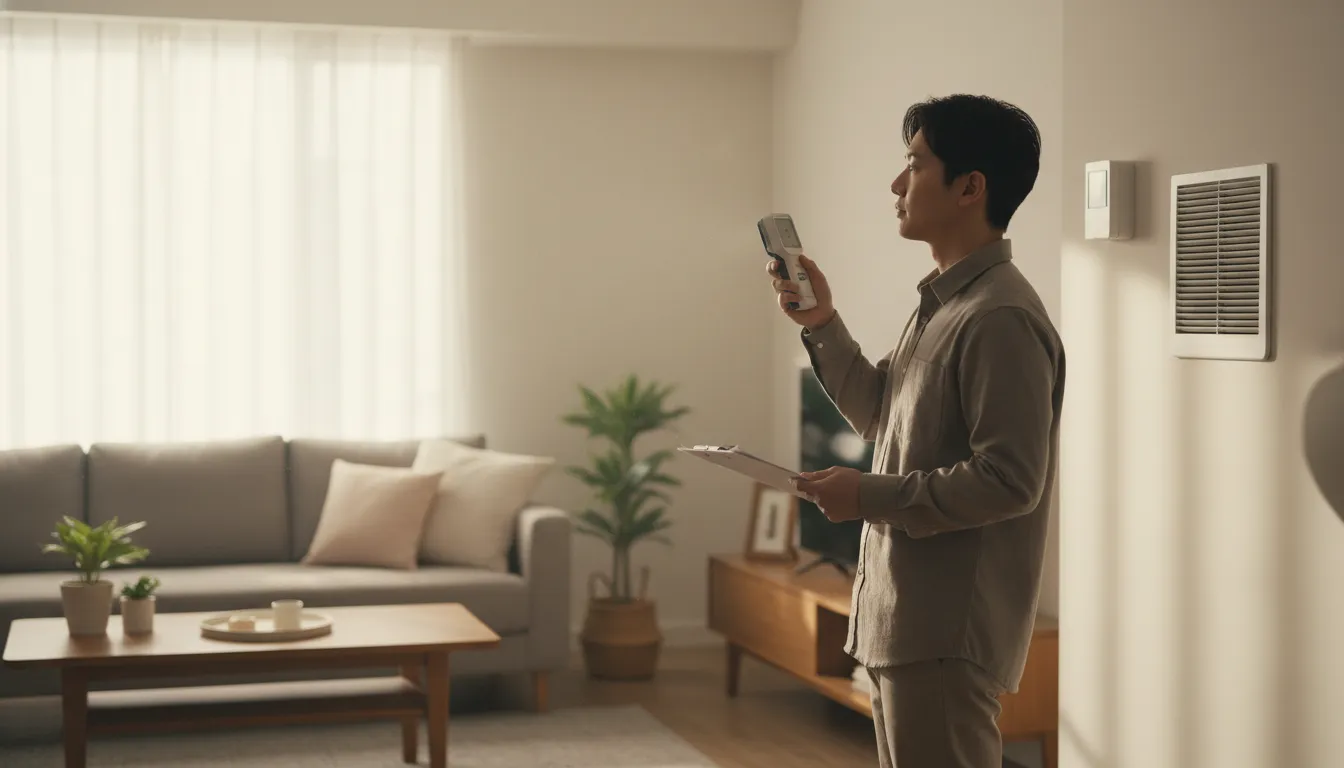
Find the Best Indoor Air Quality Service Providers for Your Business
No obligation • Fast responses • Nationwide coverage

Why you can trust HVAC Firms
HVAC Firms is a leading United States resource for evaluating HVAC service providers. Our team researches companies, checks credentials, and reviews customer feedback to present clear, unbiased information. Listings and rankings are based on merit, and companies cannot pay to change our editorial content.
Search providers near you
Top Indoor Air Quality Service Providers in Newport Beach, California Ranked
The air you breathe inside your home or office has a direct impact on your health, comfort, and productivity. In Newport Beach, maintaining excellent indoor air quality (IAQ) is a unique challenge, influenced by the coastal climate, regional pollution, and everyday indoor sources. This guide explains the common pollutants found in local buildings, outlines effective testing methods, and details practical solutions to help you create a healthier indoor environment for your family or employees.

All City Plumbing, Air & Electrical
5612 E La Palma Ave, Anaheim, CA 92807
All City Plumbing, Air & Electrical is a full-service provider based in Anaheim, CA, offering plumbing, HVAC, and electrical services. They serve residential and commercial customers with repair, installation, and maintenance for air conditioning, furnaces, thermostats, and indoor air quality systems. The company is known for its ACE-certified technicians and uses advanced technology such as hydro jetting for plumbing services. With over 13 years in business, All City Plumbing, Air & Electrical provides 24/7 emergency service to address urgent HVAC and plumbing needs.
Air Care
30211 Avenida de las Banderas #200, Rancho Santa Margarita, CA 92688
Air Care is a veteran-owned heating and air conditioning company based in Long Beach, CA. They provide residential HVAC services including air conditioning repair, furnace repair, mini split installation, HVAC tune-ups, and indoor air quality solutions. Serving Long Beach and the surrounding Orange County areas, Air Care offers 24/7 emergency services to address heating and cooling issues promptly. Their technicians are licensed, trained, and certified, ensuring professional and reliable workmanship. The company emphasizes quality and integrity in all their services and partners with top brands like Trane to deliver high-quality products.
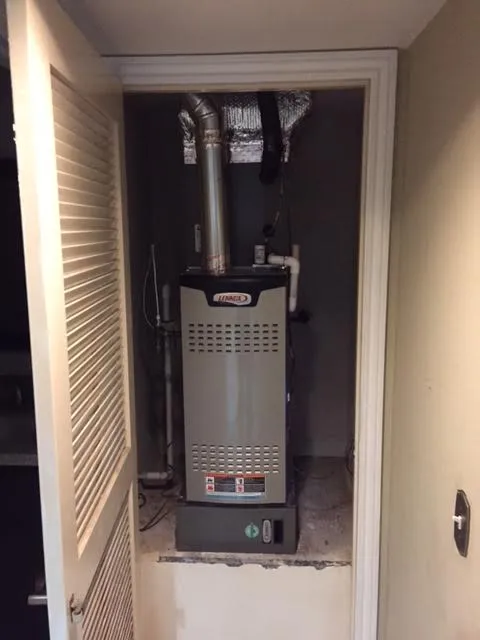
1st Choice Heating & Air Conditioning, Inc.
23372 Madero Suite B, Mission Viejo, CA 92691
1st Choice Heating & Air Conditioning, Inc. provides a wide range of HVAC services in Anaheim, CA. Their offerings include installation, repair, and maintenance of air conditioners, furnaces, heat pumps, mini-split systems, and thermostats, along with indoor air quality solutions. As a Lennox Premier Dealer and recipient of the Centurion Award, they specialize in Lennox products and deliver energy-efficient heating and cooling systems. Their technicians are trained to handle various HVAC needs, from tune-ups to system replacements, ensuring comfort throughout the year.
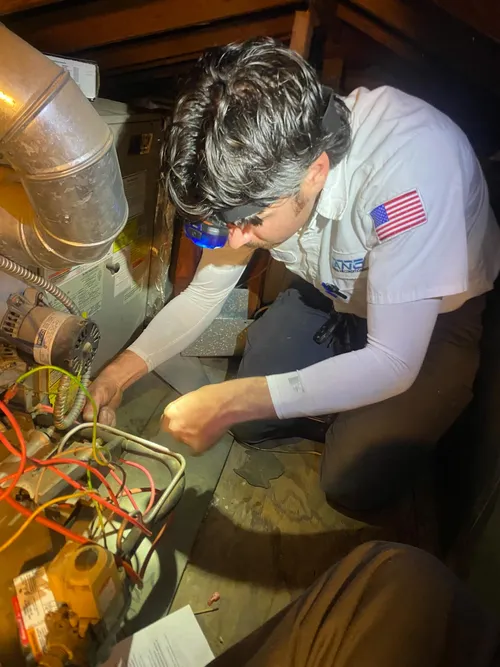
Sano Heating & Air Conditioning
5546 E La Palma Ave, Anaheim, CA 92807
Sano Heating & Air Conditioning is an HVAC company based in Anaheim, CA, providing a range of heating and cooling services. They offer repair and installation for air conditioners, furnaces, heat pumps, mini splits, and perform HVAC tune-ups. The company also specializes in indoor air quality solutions and energy-efficient options like ductless and zoned systems. Serving Anaheim and the surrounding Orange County area, they handle new construction projects and have sheet metal capabilities to support their HVAC services.
Eco Air Solutions- Heating/Air/QuietCool-That Fan Guy
3900 E Miraloma Ave unit d, Anaheim, CA 92806
Eco Air Solutions- Heating/Air/QuietCool-That Fan Guy is an HVAC company based in Anaheim, CA, offering services in heating, air conditioning, and indoor air quality. They serve Orange County, the Inland Empire, and South L.A. County, providing installation, repair, and maintenance for furnaces, air conditioners, and whole house fans. The company specializes in QuietCool whole house fans to improve indoor air quality and home comfort.
Understanding Newport Beach's Air Quality Challenges
Newport Beach's beautiful coastal setting comes with specific environmental factors that affect the air inside local buildings. The city is part of the South Coast Air Basin, which is designated as a "non-attainment" area for certain pollutants under the Clean Air Act 1. This means outdoor air quality can directly influence your indoor environment. Common concerns stem from a mix of outdoor pollutants that seep inside and contaminants generated within the home itself 2.
Primary Indoor Air Pollutants in the Area
Being aware of the most common contaminants is the first step toward cleaner air. Here are the key issues faced by Newport Beach residents and business owners:
- Outdoor Air Intrusion: Regional emissions from industrial facilities, ports, and vehicle traffic contribute to elevated levels of fine particulate matter (PM2.5) and ozone. These pollutants can easily infiltrate homes through windows, doors, and ventilation systems 3.
- Moisture and Mold: The coastal environment brings inherent humidity, which increases the risk of dampness and moisture damage. Inadequate ventilation in bathrooms, kitchens, and basements can lead to microbial contamination and mold growth, a frequent trigger for allergies and respiratory issues 4.
- Combustion Pollutants: Gas stoves, fireplaces, and malfunctioning furnaces are common in local homes. If not properly vented or maintained, they can produce dangerous gases like carbon monoxide (CO) and nitrogen dioxide (NO2) 5.
- Volatile Organic Compounds (VOCs): Off-gassing from new furnishings, pressed wood products, paints, cleaning supplies, and even personal care items releases VOCs into the air. This is a significant concern in both newly constructed and renovated spaces 6.
- Naturally Occurring Hazards: Radon gas, which originates from uranium decay in soil, is present across California and can enter buildings through foundation cracks. Additionally, older homes may contain asbestos or lead-based paint, which become hazardous if disturbed during renovations.
How to Test Your Indoor Air
A proactive approach to indoor environmental quality involves identifying specific problems before they affect your health. A combination of do-it-yourself monitoring and professional inspection is often the most effective strategy 7.
DIY Air Quality Monitoring
For ongoing awareness, smart indoor air quality monitors are a valuable tool. Available for purchase (ranging from approximately $35 to over $300), these devices provide real-time data on key parameters like PM2.5, carbon dioxide (CO2), VOCs, humidity, and temperature 8. They are excellent for spotting trends, such as high particulate levels during wildfire season or elevated CO2 in a crowded, poorly ventilated room.
Professional IAQ Inspection and Testing
For a comprehensive assessment, certified home inspectors and environmental testing companies in Newport Beach offer specialized services. These professionals use advanced equipment, such as thermal imaging cameras to detect hidden moisture sources, and collect air or surface samples to be analyzed in laboratories for mold spores, asbestos fibers, or lead dust 9 10. They can also conduct a thorough evaluation of your HVAC system, which is the lungs of your building, to ensure it is providing adequate ventilation and filtration.
Find the perfect indoor air quality service providers for your needs
Get personalized recommendations and expert advice
Solutions for Healthier Indoor Air
Once you understand your air quality challenges, you can implement targeted solutions. Improvement costs vary widely depending on the nature and severity of the problem, but there are effective options for every budget.
1. Source Control and Ventilation
The most effective way to improve air quality is to remove the source of the pollution. This includes using low-VOC paints and materials, ensuring gas appliances are correctly vented, and promptly fixing water leaks. Equally important is ensuring adequate fresh air intake. Strategies range from simple actions like opening windows to installing exhaust fans in kitchens and bathrooms (approx. $150-$500+ per fan) or upgrading to a balanced ventilation system like an Energy Recovery Ventilator (ERV) as part of an HVAC overhaul 11 12.
2. Air Cleaning and Filtration
For pollutants that can't be easily eliminated, air purification is key.
- HVAC Filters: Upgrading the filter in your central heating and cooling system to a higher MERV rating (Minimum Efficiency Reporting Value) can trap more particulates. Ensure your system can handle the increased airflow resistance.
- Portable Air Purifiers: These units are effective for treating air in single rooms or open areas. Prices typically range from $100 to over $800, depending on features, technology (like HEPA filters for particles or activated carbon for gases), and the square footage they can cover.
- Specialized Solutions: For specific issues like high radon levels-detected through a low-cost test kit (around $15-$30)-a professional mitigation system, which typically costs $1,500 to $3,000+, may be necessary to vent the gas from beneath the foundation 13.
3. Humidity and Moisture Management
Controlling humidity is critical in a coastal climate to prevent mold growth. Using dehumidifiers in damp areas and ensuring your air conditioner is properly sized and maintained can keep relative humidity in the ideal 30-50% range. Professional mold remediation costs depend on the extent of the problem, from a few hundred dollars for a small area to thousands for major damage 14.
4. Regular Maintenance
Preventive care is one of the most cost-effective strategies. This includes annual professional inspection and servicing of gas appliances, furnaces, and chimneys (typically between $100 and $250 per appliance) to prevent combustion pollutant leaks 15. Regularly cleaning ducts, replacing filters, and ensuring drain pans are clear also keeps your HVAC system functioning as a tool for clean air, not a source of contamination.
The Impact of Clean Indoor Air
Investing in indoor air quality is an investment in well-being. Good IAQ can reduce the risk of respiratory illnesses, alleviate allergy and asthma symptoms, improve sleep quality, and enhance cognitive function and productivity 16. For businesses, it can also mean fewer sick days and a more comfortable environment for customers and employees. By taking the steps outlined here-testing, identifying problems, and implementing solutions-you can ensure the air inside your Newport Beach property supports a healthier, more comfortable life.
Frequently asked questions
Sources
Footnotes
-
- ENVIRONMENTAL IMPACT ANALYSIS B. AIR QUALITY - https://www.newportbeachca.gov/pln/CEQA_REVIEW/Back%20Bay%20Landing/DEIR-Newport%20Back%20Bay-October%202013/09-DEIR_Chapter%204.B_Air%20Quality.pdf
-
Carrier 360° Whole Home Energy Audits & Air Quality Testing, Newport Beach - https://energyexpertsorangecounty.com/newport-beach.php ↩
-
Newport Beach, CA Poor Air Quality Map and Forecast - https://firststreet.org/city/newport-beach-ca/651182_fsid/air ↩
-
Indoor Air Quality - Just Right Services - https://www.justrightservices.net/other-services/indoor-air-quality/ ↩
-
Indoor Air Quality - Frequently Asked Questions - OSHA - https://www.osha.gov/indoor-air-quality/faqs ↩
-
Indoor Air Quality & Exposure - California Air Resources Board - https://ww2.arb.ca.gov/our-work/topics/indoor-air-quality-exposure ↩
-
Indoor Air Quality Requirements and Credits in WELL v2, LEED v5, and RESET Air - https://learn.kaiterra.com/en/resources/indoor-air-quality-requirements-and-credits-in-well-v2-leed-v4-and-reset-air ↩
-
Indoor Air Quality Solutions Newport Beach, CA - https://www.powerproplumbing.com/indoor-air-quality/indoor-air-quality-solutions-newport-beach-ca ↩
-
5.2 AIR QUALITY - City of Newport Beach - https://www.newportbeachca.gov/pln/CEQA_REVIEW/General%20Plan%20Land%20Use%20Element%20Amendment/Draft%20Supplemental%20EIR/Ch_05-02%20Air%20Quality.pdf ↩
-
Inspections | Broward County, FL - https://www.iaqcorp.com/indoor-air-quality-inspections ↩
-
Indoor Air Quality | Los Angeles County Department of Public Health - http://publichealth.lacounty.gov/eh/safety/indoor-air-quality.htm ↩
-
Breathe Life Into U.S. Economy with Healthy Air Upgrades - AprilAire - Blog - https://www.aprilaire.com/blog/healthy-air-key-to-revitalizing-u-s-economy/ ↩
-
Indoor Air Quality - NM-Tracking - https://nmtracking.doh.nm.gov/environment/air/IndoorQuality.html ↩
-
TOP 10 BEST Indoor Air Quality Testing in Newport Beach, CA - https://m.yelp.com/search?find_desc=Indoor+Air+Quality+Testing&find_loc=Newport+Beach%2C+CA ↩
-
How to Improve Indoor Air Quality - Strada Services - https://stradaservices.com/about-us/blog/how-to-improve-indoor-air-quality/ ↩
-
Indoor Air Quality | US EPA - https://www.epa.gov/report-environment/indoor-air-quality ↩