Find the Best Indoor Air Quality Service Providers for Your Business
No obligation • Fast responses • Nationwide coverage

Why you can trust HVAC Firms
HVAC Firms is a leading United States resource for evaluating HVAC service providers. Our team researches companies, checks credentials, and reviews customer feedback to present clear, unbiased information. Listings and rankings are based on merit, and companies cannot pay to change our editorial content.
Search providers near you
Top Indoor Air Quality Service Providers in Moreno Valley, California Ranked
The air you breathe inside your Moreno Valley home or business directly impacts your health, comfort, and well-being. Indoor air quality, or IAQ, refers to the condition of the air within and around buildings, and it's a critical concern given the region's environmental factors. From common pollutants like mold and dust to more complex issues like volatile organic compounds (VOCs) and outdoor air intrusion, understanding your indoor environment is the first step toward a healthier space. This guide provides essential information on local air quality concerns, testing methods, and improvement strategies to help you connect with qualified professionals who can assess and address your specific needs.
Air Care
30211 Avenida de las Banderas #200, Rancho Santa Margarita, CA 92688
Air Care is a veteran-owned heating and air conditioning company based in Long Beach, CA. They provide residential HVAC services including air conditioning repair, furnace repair, mini split installation, HVAC tune-ups, and indoor air quality solutions. Serving Long Beach and the surrounding Orange County areas, Air Care offers 24/7 emergency services to address heating and cooling issues promptly. Their technicians are licensed, trained, and certified, ensuring professional and reliable workmanship. The company emphasizes quality and integrity in all their services and partners with top brands like Trane to deliver high-quality products.
MSP HEATING AND AIR CONDITIONING
2932 Rubidoux Blvd Suite B, Jurupa Valley, CA 92509
MSP HEATING AND AIR CONDITIONING is an HVAC company based in Riverside, CA, offering repair, installation, and maintenance services for air conditioning, furnaces, heat pumps, and indoor air quality systems. Serving Riverside County and parts of San Bernardino County, they provide certified expertise including heat exchange, NATE, EPA 608, and indoor air quality certifications. With over a decade of experience, MSP HEATING AND AIR CONDITIONING focuses on preventing issues through regular maintenance and delivering prompt repairs when needed. They also offer 24/7 availability for emergency HVAC services.
Year Round Heating & Air Conditioning
10444 Corporate Dr Unit A-B, Redlands, CA 92374
Year Round Heating & Air Conditioning provides comprehensive HVAC services in Riverside, CA, including air conditioning and furnace repair, installation, maintenance, and indoor air quality solutions. As a Lennox Dealer, the company offers skilled technicians who handle a variety of heating and cooling systems, ensuring accurate and efficient service. Established in 2016, Year Round Heating & Air Conditioning also offers emergency response services and financing options for repairs and installations.
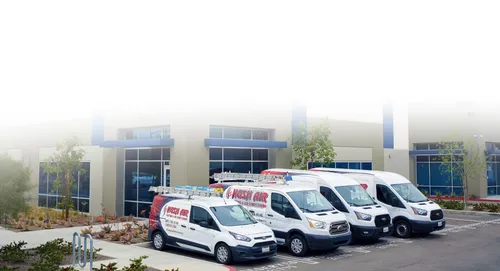
Hush Air Heating & Air Conditioning
21790 Van Buren Boulevard Ste 104, Riverside, CA 92518
Hush Air Heating & Air Conditioning is a full-service HVAC company based in Riverside, CA. They offer a range of services including air conditioning and heat pump repair, installation of central AC systems, ductless mini splits, and heat pumps. The company also provides indoor air quality evaluations and installs whole-house air filtration and purification systems to improve home environments. Additionally, they service tankless water heaters and offer routine HVAC maintenance to ensure system efficiency and reliability.
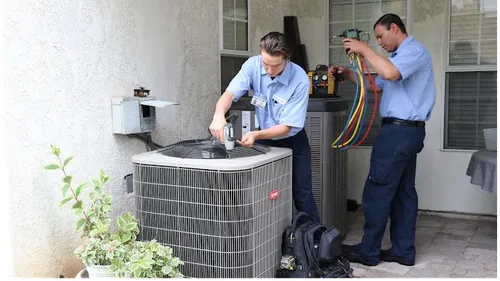
Direct AC
502 Chaney St STE L, Lake Elsinore, CA 92530
Direct AC is an HVAC company serving Irvine, CA, and the surrounding Southern California region. They provide a range of services including air conditioning, furnace, and heat pump repair and installation, as well as indoor air quality solutions. Their team handles residential and commercial HVAC needs with a focus on maintaining healthy indoor environments. Direct AC operates throughout the Inland Empire, North San Diego County, and South Orange County, offering expertise in system tune-ups and repairs. The company emphasizes quality workmanship backed by years of experience in Riverside County.
Why Indoor Air Quality Matters in Moreno Valley
The importance of maintaining good indoor air in Moreno Valley cannot be overstated. Residents spend a significant amount of time indoors, where pollutant levels can be two to five times higher than outdoor levels 1. For vulnerable groups like children, the elderly, and those with asthma or allergies, poor indoor air can exacerbate health issues. Furthermore, the city's location within the South Coast Air Basin-a non-attainment area for federal and state ozone and particulate matter standards-means outdoor air pollution is a persistent challenge that can infiltrate homes and workplaces. Proactively managing your interior environment is a key component of public health and personal comfort in Southern California.
Common Indoor Air Pollutants in Moreno Valley Homes
A variety of contaminants can compromise the air in local residences and commercial buildings. Identifying these common pollutants is the first step in creating an effective mitigation plan.
Outdoor Air Intrusion and Particulate Matter
Moreno Valley's overall air quality is affected by regional pollution from traffic and industrial sources 2. Fine particulate matter (PM2.5) and ozone can easily enter buildings through doors, windows, and ventilation systems. Once inside, these pollutants can linger, making high-efficiency air filtration a valuable consideration for many households.
Biological Contaminants: Mold and Moisture
Mold growth is a frequent issue, often stemming from high humidity, water leaks, or past flooding. Mold releases spores and microbial volatile organic compounds (mVOCs) into the air, which can trigger allergic reactions, asthma attacks, and other respiratory symptoms. Controlling moisture is fundamental to controlling mold.
Chemical Pollutants: VOCs and Combustion Byproducts
Volatile Organic Compounds (VOCs) are gases emitted from a wide array of household products and materials. In Moreno Valley, sources can include cleaning supplies, paints, new furniture, carpets, and even building materials in newer constructions 3. These compounds can cause eye, nose, and throat irritation, headaches, and, in some cases, long-term health effects.
Combustion pollutants are another significant concern. Gas stoves, fireplaces, wood-burning appliances, and malfunctioning furnaces or water heaters can release harmful gases like carbon monoxide (CO) and nitrogen dioxide (NO2) directly into the living space. Ensuring these appliances are properly vented and maintained is crucial for safety.
Legacy Hazards: Asbestos and Lead
In older buildings constructed before the 1980s, there is a potential for asbestos-containing materials or lead-based paint. These materials are generally not a hazard if they are intact and undisturbed. However, during renovations, repairs, or if materials become damaged, fibers or dust can become airborne and pose serious health risks 4. Specialized testing is required to identify these hazards.
How to Test Your Indoor Air
Determining the specific pollutants in your environment requires some form of air quality assessment. Options range from do-it-yourself kits to comprehensive professional evaluations.
DIY Testing Kits
For homeowners curious about a specific pollutant, affordable DIY test kits are available at hardware stores or online. These are commonly used for radon, mold (via surface or air sampling), or limited VOC panels. It's important to note that most kits require you to collect a sample and then mail it to a laboratory for analysis. While cost-effective, they may not provide the full picture of your air quality and can be less accurate than professional methods 5.
Professional IAQ Inspection and Testing
For a definitive assessment, hiring a certified indoor environmental consultant or specialist is recommended. A professional conducts a thorough visual inspection of the property, identifies potential sources, and uses calibrated equipment to take air and surface samples. These samples are analyzed in accredited laboratories, providing a detailed report on pollutant types and concentrations 6. Professionals often evaluate the HVAC system as a core part of the inspection, as it plays a central role in air circulation and filtration 7.
Continuous Air Monitoring Devices
For ongoing awareness, homeowners can invest in continuous monitoring devices. These include standalone carbon monoxide detectors, which are essential for safety, and more advanced monitors that track particulate matter (PM2.5), VOCs, humidity, and temperature. Some high-efficiency air purifiers also come with built-in air quality sensors that provide real-time feedback 8.
Understanding Costs for Testing and Improvement
Investing in better indoor air involves costs for diagnosis and remediation. Prices in Moreno Valley will vary based on the size of your home, the specific contaminants involved, and the severity of the problem.
Professional IAQ Testing: A general indoor air quality assessment by a professional typically costs between $292 and $584, with an average around $437. This baseline inspection can identify a range of common issues.
Targeted Testing: If a specific contaminant is suspected, testing costs can vary:
- Mold Inspection: $300 to $1,000
- Radon Testing: $150 to $800
- VOC Testing (per sample): $200 to $300
- Asbestos Testing: $250 to $800
Remediation and Mitigation Costs: If testing reveals a problem, addressing it requires a separate investment:
- Mold Remediation: $1,150 to $3,400 or more, depending on the extent of the growth.
- Radon Mitigation System: Installing a system to vent radon gas from beneath the home typically ranges from $700 to $1,300+ 9.
- Air Filtration System Installation: Costs vary widely based on whether you choose portable units, upgraded HVAC filters, or a whole-home air purification system integrated into your ductwork.
Find the perfect indoor air quality service providers for your needs
Get personalized recommendations and expert advice
Strategies for Improving Your Indoor Air
Once you understand your air quality challenges, you can implement solutions. Often, a combination of source control, ventilation, and filtration is most effective.
Source Control
The most effective way to improve indoor air is to eliminate or reduce the sources of pollution.
- Address Moisture Promptly: Fix leaks and use dehumidifiers in damp areas like basements to prevent mold growth.
- Choose Low-VOC Products: Opt for paints, cleaners, and building materials labeled as low-VOC or no-VOC.
- Maintain Combustion Appliances: Have gas stoves, furnaces, fireplaces, and water heaters inspected annually to ensure they are venting properly and not leaking carbon monoxide 10.
- Isolate Renovations: Seal off areas during remodeling, especially in older homes, to contain dust from potential lead or asbestos materials.
Ventilation
Increasing the amount of outdoor air coming inside helps dilute indoor pollutants.
- Use Exhaust Fans: Always run bathroom and kitchen exhaust fans that vent to the outside when showering or cooking.
- Open Windows: When outdoor air quality is good (check local air quality indexes), open windows to cross-ventilate your home.
- HVAC Maintenance: Ensure your heating and cooling system is properly maintained and that vents are not blocked. Consider having your ductwork inspected and cleaned if necessary.
Air Cleaning and Filtration
Air purifiers can remove pollutants that are already circulating, but they are not a substitute for source control and ventilation.
- Portable Air Cleaners: Look for units with HEPA filters for particulate matter and activated carbon filters for gases and odors. Choose a unit sized appropriately for the room.
- HVAC Filter Upgrades: Upgrade the filter in your central HVAC system to a higher Minimum Efficiency Reporting Value (MERV) rating, such as MERV 13, if your system can handle the increased airflow resistance. This can significantly reduce particulate matter throughout the home 11.
The Role of Your HVAC System in Air Quality
Your heating, ventilation, and air conditioning system is the lungs of your building. Its condition and configuration have a profound impact on indoor environmental quality. A poorly maintained system can circulate dust, allergens, and mold spores. Conversely, a well-designed and maintained system with proper filtration can be your best defense against airborne pollutants. Professionals evaluating your air will often assess the HVAC system to ensure it provides adequate air exchange, filtration, and humidity control 12.
Frequently asked questions
Sources
Footnotes
-
Indoor Air Quality | US EPA - https://www.epa.gov/report-environment/indoor-air-quality ↩
-
5.3 AIR QUALITY Air quality calculations generated by P&D ... - https://www.moval.org/city_hall/general-plan/06gpfinal/ieir/5_3-airqual.pdf ↩
-
Indoor Air - California Air Resources Board - CA.gov - https://ww2.arb.ca.gov/our-work/programs/indoor-air ↩
-
Indoor Air Quality Research - California Air Resources Board - https://ww2.arb.ca.gov/resources/documents/indoor-air-quality-research ↩
-
How Much Does Indoor Air Quality Testing Cost? [2026 Data] - https://www.angi.com/articles/how-much-does-indoor-air-quality-testing-cost.htm ↩
-
Indoor Air Quality Testing Services - https://www.titan-enviro.com/indoor-air-quality-testing/ ↩
-
California Environmental Testing LLC - http://www.calenvironmental.com/ ↩
-
Environmental Testing Services in SoCal | Air Quality Testing - https://www.vertenviro.com/airquality-testing ↩
-
How Much Does Professional Home Indoor Air Quality Testing Cost? - https://www.airpf.com/how-much-does-a-home-indoor-air-quality-testing-cost/ ↩
-
Combustion Pollutants & Indoor Air Quality - https://ww2.arb.ca.gov/resources/documents/combustion-pollutants-indoor-air-quality ↩
-
Indoor Air Quality | Los Angeles County Department of Public Health - http://www.publichealth.lacounty.gov/Eh/safety/indoor-air-quality.htm ↩
-
Moreno Valley Indoor Air Quality - First Choice Plumbing - https://firstchoiceplumbing.com/moreno-valley-indoor-air-quality/ ↩