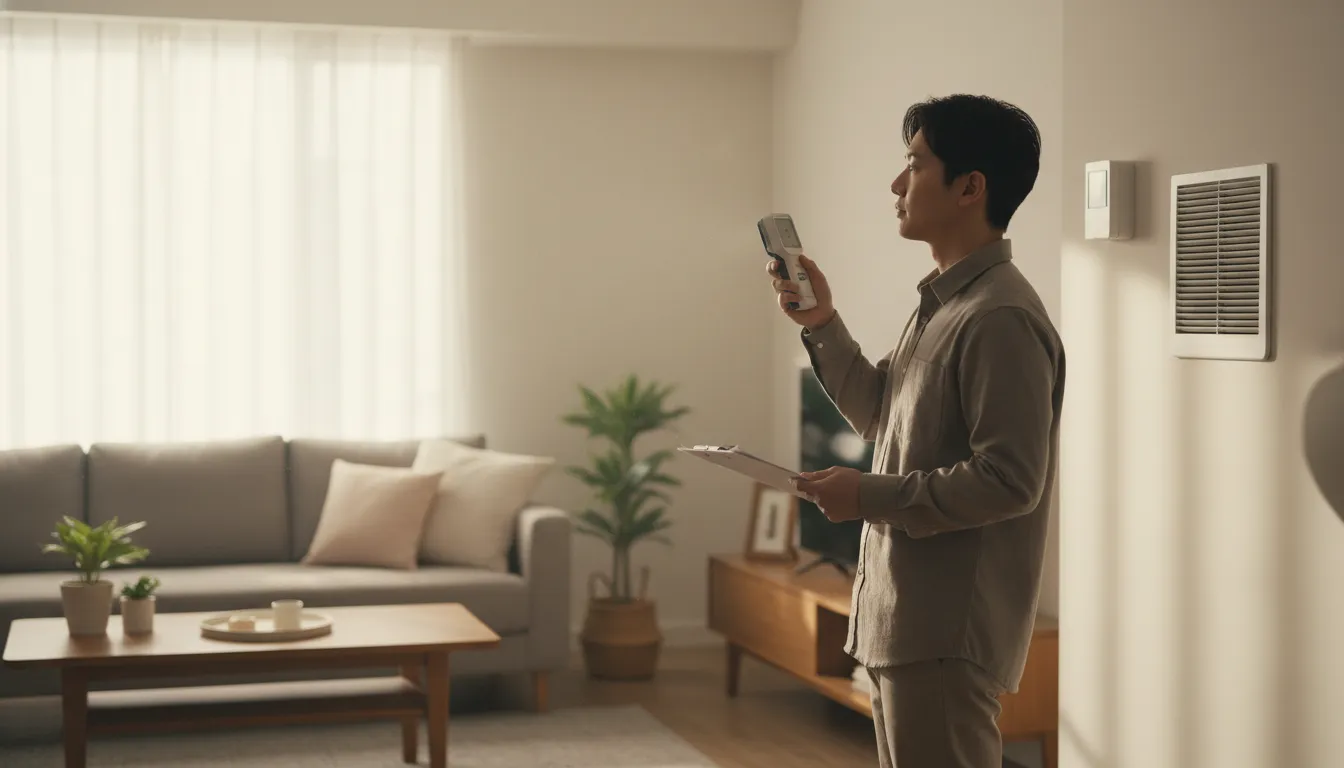
Find the Best Indoor Air Quality Service Providers for Your Business
No obligation • Fast responses • Nationwide coverage

Why you can trust HVAC Firms
HVAC Firms is a leading United States resource for evaluating HVAC service providers. Our team researches companies, checks credentials, and reviews customer feedback to present clear, unbiased information. Listings and rankings are based on merit, and companies cannot pay to change our editorial content.
Search providers near you
Top Indoor Air Quality Service Providers in Hesperia, California Ranked
The air you breathe inside your Hesperia home directly impacts your comfort, health, and well-being. Indoor air quality (IAQ) refers to the condition of the air within and around buildings, particularly as it relates to the health of occupants. In Hesperia's unique desert environment, managing IAQ is crucial due to high dust, wildfire smoke, and other local pollutants. This guide helps you understand the specific challenges and solutions for maintaining healthy indoor air, connecting you with the knowledge and local expertise needed to create a safer, cleaner living environment.
MSP HEATING AND AIR CONDITIONING
2932 Rubidoux Blvd Suite B, Jurupa Valley, CA 92509
MSP HEATING AND AIR CONDITIONING is an HVAC company based in Riverside, CA, offering repair, installation, and maintenance services for air conditioning, furnaces, heat pumps, and indoor air quality systems. Serving Riverside County and parts of San Bernardino County, they provide certified expertise including heat exchange, NATE, EPA 608, and indoor air quality certifications. With over a decade of experience, MSP HEATING AND AIR CONDITIONING focuses on preventing issues through regular maintenance and delivering prompt repairs when needed. They also offer 24/7 availability for emergency HVAC services.
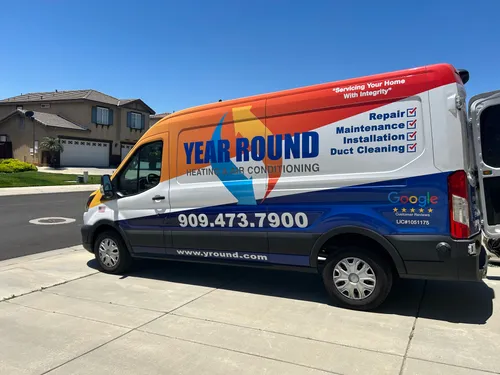
Year Round Heating & Air Conditioning
10444 Corporate Dr Unit A-B, Redlands, CA 92374
Year Round Heating & Air Conditioning provides comprehensive HVAC services in Riverside, CA, including air conditioning and furnace repair, installation, maintenance, and indoor air quality solutions. As a Lennox Dealer, the company offers skilled technicians who handle a variety of heating and cooling systems, ensuring accurate and efficient service. Established in 2016, Year Round Heating & Air Conditioning also offers emergency response services and financing options for repairs and installations.
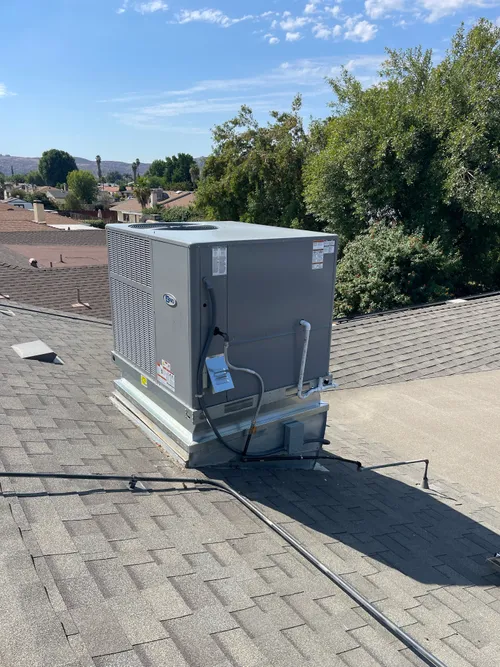
Cal-Air Heating & Cooling
245 Ford St, Redlands, CA 92374
Cal-Air Heating & Cooling is a locally owned HVAC company serving Riverside, CA, and the Inland Empire including Redlands, Yucaipa, Highland, and Calimesa. Since 2010, they have provided residential, commercial, and industrial heating and air conditioning services, including repair, installation, and maintenance of heaters, furnaces, package units, air conditioners, and ductwork. They offer specialized maintenance programs designed to extend equipment life and improve indoor air quality. Cal-Air is known for thorough furnace and AC services and emphasizes safety and efficiency in their work.

Marathon Plumbing, Heating and Air
B, 24300 Woodson Rd, Colton, CA 92324
Marathon Plumbing, Heating and Air is a full-service home comfort provider based in Riverside, CA, serving the greater Los Angeles, Riverside, and Orange Counties. Since 1990, the company has offered a range of HVAC services including air conditioning and furnace installation and repair, as well as indoor air quality upgrades. Their capabilities include installing energy-efficient and smart-home heating and cooling systems, alongside comprehensive plumbing solutions to maintain home comfort and safety year-round.
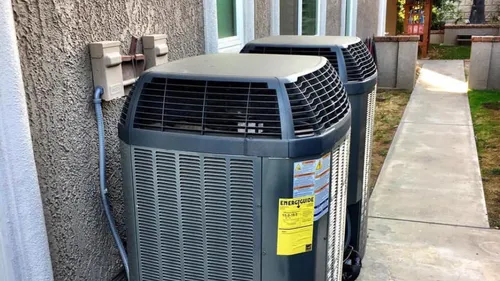
Daniels Heating and Air Conditioning
25041 Redlands Blvd, Loma Linda, CA 92354
Daniels Heating and Air Conditioning is an HVAC company serving Riverside, CA, specializing in air conditioning and furnace repair, installation, and maintenance. They offer services including mini split installation, duct cleaning, thermostat installation, and indoor air quality solutions. The company is known for thorough diagnostics and efficient repairs, with technicians who explain options clearly and maintain clean workspaces. Daniels Heating and Air Conditioning has a history of over 20 years in the industry, providing reliable HVAC services to local homeowners and businesses.
Why Indoor Air Matters in Hesperia
We spend up to 90% of our time indoors, where pollutant levels can be two to five times higher than outdoor levels 1. For Hesperia residents, the stakes are even higher. The city's arid climate and location contribute to an "extreme" risk level for poor air quality compared to other California cities 2. The air inside your home isn't just recirculated desert dust; it's a complex mix of outdoor pollutants that seep in and contaminants generated from everyday activities indoors. Proactively managing your home's air environment is a key component of long-term health and comfort in the High Desert.
Common Indoor Air Pollutants in Hesperia Homes
Understanding what's in your air is the first step toward improving it. Hesperia's climate and common household factors create a distinct profile of indoor air contaminants.
Particulate Matter: Dust and Pollen
The defining challenge for Hesperia's indoor air is particulate matter. Fine dust from the surrounding desert landscape and pollen from local vegetation constantly infiltrates homes. Construction activity in growing areas of the city can further elevate dust levels. These tiny particles can penetrate deep into the lungs, aggravating allergies, asthma, and other respiratory conditions.
Wildfire Smoke and Regional Smog
Infiltration of PM2.5-extremely fine particles from wildfires and regional traffic pollution-poses a significant seasonal threat. During fire season, these hazardous particles can seep into homes, degrading indoor air quality even with windows closed, particularly in older buildings with less sealing 3. This makes having a strategy for sealed, filtered air during smoke events essential.
Combustion Pollutants from HVAC and Appliances
Gas-burning furnaces, water heaters, and stoves are common sources of indoor combustion pollutants like carbon monoxide (CO) and nitrogen dioxide (NO2) 4. Inadequate ventilation or poorly maintained systems can allow these odorless, dangerous gases to accumulate. Ensuring proper appliance venting and having working CO detectors are critical safety measures.
Volatile Organic Compounds (VOCs)
Chemicals from everyday household products degrade indoor air. Paints, cleaning supplies, air fresheners, adhesives, and even new furniture can off-gas VOCs like formaldehyde 5. In newer Hesperia homes, these compounds can be particularly noticeable. These chemicals can cause short-term irritation and are linked to long-term health effects.
Mold and Biological Contaminants
While Hesperia is dry, moisture can still create problems. Bathrooms, kitchens, leaky pipes, or faulty HVAC system drip pans can create pockets of humidity perfect for mold and mildew growth 6. Spores from these growths then circulate in the air, triggering allergic reactions and respiratory issues.
Find the perfect indoor air quality service providers for your needs
Get personalized recommendations and expert advice
How to Assess Your Home's Air Quality
You can't manage what you don't measure. Evaluating your home's indoor air environment involves a combination of professional insight and homeowner vigilance.
Professional Air Quality Audits
For a comprehensive analysis, specialists can perform detailed testing. A professional audit typically measures levels of specific pollutants like VOCs, formaldehyde, carbon monoxide, mold spores, and PM2.5 7 8. They can also assess your home's overall ventilation effectiveness. The cost for a standard residential assessment in Hesperia generally ranges from $292 to $584, with more extensive testing for larger homes reaching up to $1,500.
Real-Time Air Monitoring
Technology allows for ongoing awareness. Installing an indoor air quality monitor (like a PurpleAir or similar smart device) lets you track PM2.5 levels in real-time 9. This is especially valuable during wildfire season, providing immediate data to know when to ramp up filtration and keep windows closed.
HVAC System Inspection
Your heating and cooling system is the lungs of your home. A routine inspection by a qualified technician can identify issues like excessive dust buildup in ducts, incorrect filter sizing, or inadequate fresh air intake that compromise air quality 10. They can also check for proper combustion venting on gas appliances.
DIY Testing Kits
For initial screening, DIY test kits are available. Basic kits for a single pollutant (like mold or radon) can cost $15 to $50. More comprehensive kits, which you mail to a lab for analysis, range from $100 to $300 11. While not a substitute for professional diagnosis, they can indicate if a larger problem exists.
Effective Strategies for Cleaner Indoor Air
Improving your home's air doesn't have to be overwhelming. A layered approach targeting source control, ventilation, and filtration is most effective.
Source Control: Stop Pollutants at the Origin
The most effective way to improve air quality is to prevent pollutants from entering the air in the first place 12.
- Minimize Dust: Use doormats, remove shoes at the door, and choose easy-to-clean flooring.
- Manage Chemicals: Opt for low-VOC paints and cleaning products. Store chemicals like pesticides and solvents in sealed containers in a detached garage or shed.
- Maintain Appliances: Ensure gas stoves, furnaces, and fireplaces are properly vented and serviced annually to prevent CO and NO2 buildup.
- Control Moisture: Fix leaks promptly, use exhaust fans in bathrooms and kitchens, and consider a dehumidifier for any damp areas to inhibit mold growth.
Ventilation: Dilute and Remove Stale Air
Bringing in fresh outdoor air is vital, but timing is key in Hesperia.
- Natural Ventilation: Open windows and doors during periods when the outdoor Air Quality Index (AQI) is good-typically in the early morning or after rain-to flush out indoor contaminants 13.
- Mechanical Ventilation: Run bathroom and kitchen exhaust fans while showering or cooking to remove moisture and pollutants directly at the source. Consider installing a whole-house ventilation system, like an Energy Recovery Ventilator (ERV), which brings in fresh air while minimizing energy loss.
Filtration: Capture Airborne Particles
Filtration is your primary defense against particulate matter like dust and smoke.
- Upgrade HVAC Filters: Replace standard furnace filters with higher-efficiency filters rated MERV 11 or 13. Ensure your HVAC system can handle the increased airflow resistance 14.
- Use Portable Air Purifiers: Place HEPA-filter air purifiers in frequently used rooms, especially bedrooms. These units are highly effective at removing fine particles. Prices range from around $100 for a single room to over $1,000 for whole-house or large-capacity models 15.
- Clean with HEPA Vacuums: Use a vacuum cleaner equipped with a HEPA filter to capture dust and allergens from carpets and upholstery instead of recirculating them into the air 16.
Investing in Long-Term IAQ Solutions
For homeowners looking to make more permanent upgrades, several system-based solutions can be integrated into your home.
HVAC System Upgrades: Beyond filter changes, you can install in-duct air purifiers, such as UV germicidal lights that target biological contaminants, or electronic air cleaners. These modifications typically range from a few hundred to over a thousand dollars.
Dedicated Air Purification Systems: For whole-home protection, a dedicated air cleaner installed within your ductwork can provide comprehensive, whole-house filtration without the need for multiple portable units.
Balanced Ventilation Systems: As mentioned, systems like Heat Recovery Ventilators (HRVs) or Energy Recovery Ventilators (ERVs) are excellent for maintaining fresh air exchange in Hesperia's climate while conserving energy used for heating and cooling.
Frequently asked questions
Sources
Footnotes
-
Indoor Air Quality and Health - https://www.ourair.org/edu/indoor-air-quality-and-health/ ↩
-
Hesperia, CA Poor Air Quality Map and Forecast | First Street - https://firststreet.org/city/hesperia-ca/633434_fsid/air ↩
-
5 Hidden Indoor Air Quality Risks in Southern California ... - https://healthscience.com/5-hidden-indoor-air-quality-risks-in-southern-california-workplaces-and-how-to-fix-them/ ↩
-
Indoor Air Quality in Hesperia, CA | Clean Home Air - Exclusive HVAC - https://www.exclusive-hvac.com/indoor-air-quality-hesperia-ca/ ↩
-
What are the major sources of indoor air pollution? | The effects ... - Metrikus - https://www.metrikus.io/blog/what-are-the-major-sources-of-indoor-air-pollution ↩
-
10 Things That Degrade Indoor Air Quality - https://www.ppsthane.com/blog/things-that-degrade-indoor-air-quality ↩
-
Monitor Testing and Calibration - SJVAir - https://www.sjvair.com/about/testing/ ↩
-
CARB Technical Report draft.docx - https://apifm.org/wp-content/uploads/2025/05/PM-Air-Quality-in-the-SGV-Evaluating-PM2.5-Hotspots-and-Indoor-Air-Filters-using-PAir-Sensors-25.pdf ↩
-
Air Quality Monitoring | ACC Environmental California - https://www.accenv.com/air-quality-monitoring/ ↩
-
Protecting Indoor Air Quality from Wildfire Smoke with HVAC Best Practices - https://www.linkedin.com/pulse/protecting-indoor-air-quality-from-wildfire-smoke-hvac-best-practices-honjc ↩
-
How Much Does Indoor Air Quality Testing Cost? [2025 Data] - https://www.homeadvisor.com/cost/environmental-safety/test-indoor-air-quality/ ↩
-
Improving Indoor Air Quality | US EPA - https://www.epa.gov/indoor-air-quality-iaq/improving-indoor-air-quality ↩
-
How to Improve Indoor Air Quality - Strada Services - https://stradaservices.com/about-us/blog/how-to-improve-indoor-air-quality/ ↩
-
Progresses and Challenges on Indoor Air Quality in California - https://ww2.arb.ca.gov/resources/documents/progresses-and-challenges-indoor-air-quality-california ↩
-
How Much Does Indoor Air Quality Testing Cost? [2026 Data] - https://www.angi.com/articles/how-much-does-indoor-air-quality-testing-cost.htm ↩
-
Indoor Air - California Air Resources Board - CA.gov - https://ww2.arb.ca.gov/our-work/programs/indoor-air ↩