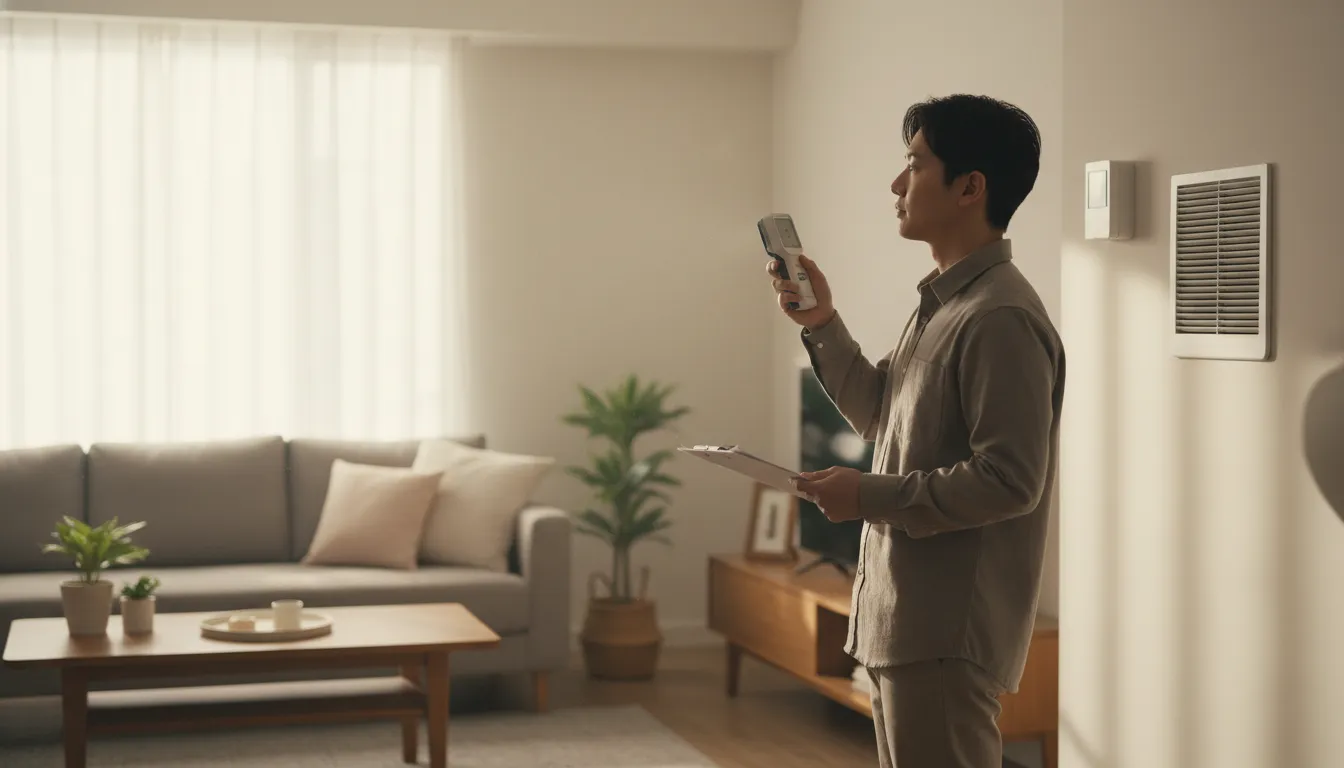
Find the Best Indoor Air Quality Service Providers for Your Business
No obligation • Fast responses • Nationwide coverage

Why you can trust HVAC Firms
HVAC Firms is a leading United States resource for evaluating HVAC service providers. Our team researches companies, checks credentials, and reviews customer feedback to present clear, unbiased information. Listings and rankings are based on merit, and companies cannot pay to change our editorial content.
Search providers near you
Top Indoor Air Quality Service Providers in Glendora, California Ranked
The air you breathe inside your Glendora home or office has a direct impact on your health, comfort, and productivity. Indoor air quality (IAQ) refers to the condition of the air within and around buildings, particularly as it relates to the health and well-being of occupants. In a region like Southern California, where outdoor pollution can seep indoors and combine with internal contaminants, managing your indoor environment is crucial. This resource helps you understand the common pollutants in Glendora, the professional assessment process, and the solutions available to create a cleaner, healthier indoor space.
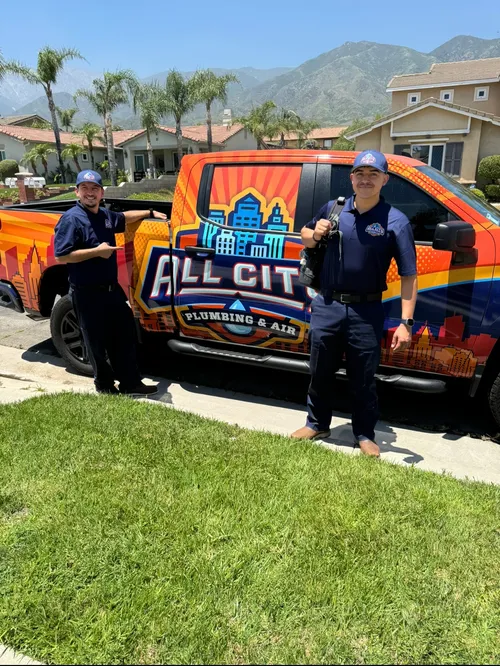
All City Plumbing, Air & Electrical
5612 E La Palma Ave, Anaheim, CA 92807
All City Plumbing, Air & Electrical is a full-service provider based in Anaheim, CA, offering plumbing, HVAC, and electrical services. They serve residential and commercial customers with repair, installation, and maintenance for air conditioning, furnaces, thermostats, and indoor air quality systems. The company is known for its ACE-certified technicians and uses advanced technology such as hydro jetting for plumbing services. With over 13 years in business, All City Plumbing, Air & Electrical provides 24/7 emergency service to address urgent HVAC and plumbing needs.
MSP HEATING AND AIR CONDITIONING
2932 Rubidoux Blvd Suite B, Jurupa Valley, CA 92509
MSP HEATING AND AIR CONDITIONING is an HVAC company based in Riverside, CA, offering repair, installation, and maintenance services for air conditioning, furnaces, heat pumps, and indoor air quality systems. Serving Riverside County and parts of San Bernardino County, they provide certified expertise including heat exchange, NATE, EPA 608, and indoor air quality certifications. With over a decade of experience, MSP HEATING AND AIR CONDITIONING focuses on preventing issues through regular maintenance and delivering prompt repairs when needed. They also offer 24/7 availability for emergency HVAC services.
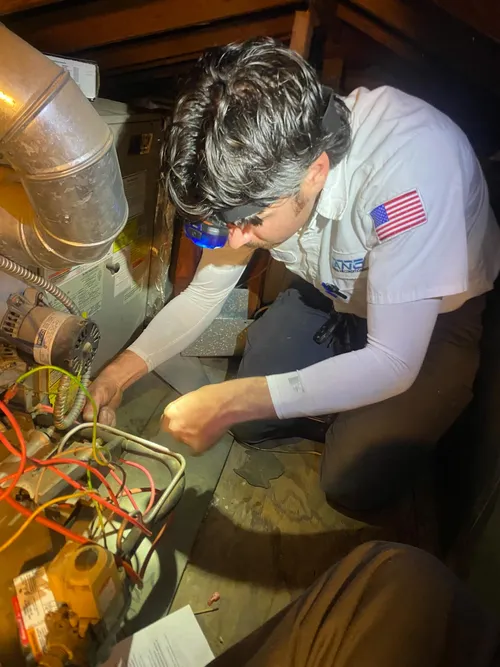
Sano Heating & Air Conditioning
5546 E La Palma Ave, Anaheim, CA 92807
Sano Heating & Air Conditioning is an HVAC company based in Anaheim, CA, providing a range of heating and cooling services. They offer repair and installation for air conditioners, furnaces, heat pumps, mini splits, and perform HVAC tune-ups. The company also specializes in indoor air quality solutions and energy-efficient options like ductless and zoned systems. Serving Anaheim and the surrounding Orange County area, they handle new construction projects and have sheet metal capabilities to support their HVAC services.
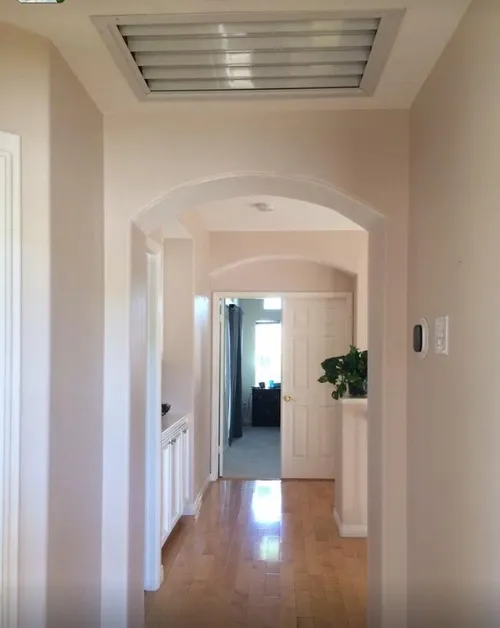
Eco Air Solutions- Heating/Air/QuietCool-That Fan Guy
3900 E Miraloma Ave unit d, Anaheim, CA 92806
Eco Air Solutions- Heating/Air/QuietCool-That Fan Guy is an HVAC company based in Anaheim, CA, offering services in heating, air conditioning, and indoor air quality. They serve Orange County, the Inland Empire, and South L.A. County, providing installation, repair, and maintenance for furnaces, air conditioners, and whole house fans. The company specializes in QuietCool whole house fans to improve indoor air quality and home comfort.
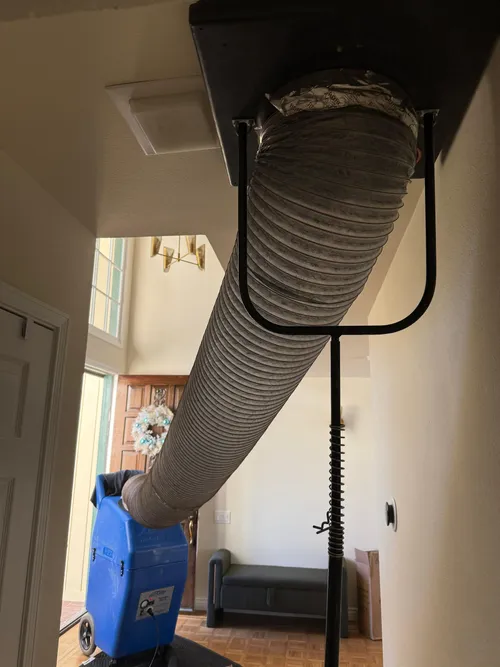
Dr. Dryer Vent Cleaning & Air Duct Cleaning OC
Irvine, CA
Dr. Dryer Vent Cleaning & Air Duct Cleaning OC is a family-owned company serving Irvine, CA, and the surrounding Orange County and Los Angeles areas. They specialize in air duct cleaning, dryer vent cleaning, and AeroSeal duct sealing services to improve indoor air quality, enhance HVAC efficiency, and reduce fire risks. Established in 2007, the company has over 16 years of experience and uses state-of-the-art equipment to address dust, fungus, and allergens in air ducts. Their technicians provide thorough inspections to ensure safety and cleaner air for homes and businesses.
Understanding Glendora's Unique IAQ Challenges
Glendora's beautiful setting comes with specific air quality considerations. The city's proximity to major urban areas and its climate create a blend of outdoor and indoor pollution sources that can significantly degrade the air inside local buildings.
The primary concern is outdoor air infiltration. Pollutants like fine particulate matter (PM2.5) from vehicle exhaust, industrial emissions, and seasonal threats like wildfire smoke and regional smog can easily enter homes through doors, windows, and building cracks. When outdoor levels are high, these particles become a persistent indoor issue.
Furthermore, Glendora's older housing stock may contain legacy hazards. Deteriorating lead-based paint and asbestos-containing materials in insulation, flooring, or ceiling tiles can become airborne during renovations or simple wear and tear, posing serious long-term health risks.
Common Indoor Pollutants in Glendora Homes and Businesses
A comprehensive approach to indoor environmental quality starts with identifying the culprits. Beyond outdoor infiltration, several common indoor sources contribute to poor air.
- Biological Pollutants: This category includes mold spores, pollen, pet dander, and dust mites. Moisture is the key enabler here. Poorly ventilated bathrooms, basements, or areas with water leaks can lead to toxic mold growth, which releases spores and microbial volatile organic compounds (mVOCs) into the air 1.
- Combustion Pollutants: Gas-burning appliances-such as stoves, furnaces, water heaters, and fireplaces-are standard in many homes. If these are not properly maintained, vented, or adjusted, they can release dangerous gases like carbon monoxide (CO) and nitrogen dioxide (NO2) directly into your living space.
- Volatile Organic Compounds (VOCs): These are chemicals emitted as gases from a vast array of everyday products. New furniture, carpets, paints, cleaning supplies, air fresheners, and even personal care products can off-gas VOCs like formaldehyde, contributing to "new building" syndrome and chronic irritation 2 3.
- Poor Ventilation: Ironically, energy-efficient, tightly sealed buildings can trap pollutants indoors. Without adequate mechanical ventilation or fresh air exchange, contaminant concentrations can build up to levels much higher than those outdoors.
The Professional IAQ Assessment Process
When air quality concerns arise, a professional evaluation provides clarity and direction. A thorough indoor air quality inspection is a systematic, multi-step investigation.
- Initial Visual Inspection: A certified specialist begins with a comprehensive walkthrough of your property. They look for visible signs of contamination like mold growth, water stains, condensation, and improper venting of combustion appliances. They also assess general ventilation and potential pollutant pathways 4.
- Air Sampling and Monitoring: This scientific phase uses specialized equipment to quantify pollutants.
- Particulate Matter: Real-time monitors, similar to PurpleAir sensors or more advanced regulatory-grade devices, measure levels of PM2.5 and other particulates 5.
- Gases: Combustion analyzers detect carbon monoxide and nitrogen dioxide. Separate testing kits are used for radon, a naturally occurring radioactive gas 6.
- VOCs: Air samples are collected in canisters or on sorbent tubes and analyzed in a lab using techniques like gas chromatography/mass spectrometry (GC/MS) to identify specific chemical compounds.
- Laboratory Analysis and Reporting: The collected samples are analyzed, and the inspector compiles a detailed report. This document outlines the specific pollutants found, their concentrations compared to health guidelines or baseline levels, and, most importantly, a set of tailored recommendations for remediation and improvement 9 10.
Find the perfect indoor air quality service providers for your needs
Get personalized recommendations and expert advice
Strategies and Solutions for Cleaner Air
The U.S. EPA recommends a three-pronged strategy for better IAQ: source control, improved ventilation, and air cleaning 11. The right combination for your Glendora property depends on the assessment findings.
Source Control is the most effective method. This involves:
- Fixing water leaks immediately to prevent mold.
- Ensuring gas appliances are professionally serviced and properly vented.
- Choosing low-VOC paints, sealants, and building materials.
- Prohibiting smoking indoors.
- Using exhaust fans in kitchens and bathrooms.
Ventilation Improvements dilute indoor pollutants with fresh outdoor air. Solutions range from simply opening windows when outdoor air is good (check resources like AirNow.gov or the South Coast AQMD app12 13) to installing mechanical systems like Energy Recovery Ventilators (ERVs) or whole-house fans that bring in fresh air without sacrificing energy efficiency.
Air Cleaning targets pollutants that cannot be eliminated at the source. The right solution depends on the pollutant:
- For Particulates and Allergens: High-efficiency particulate air (HEPA) filters are the gold standard. These can be installed in portable air purifiers or integrated into your home's HVAC system with a properly sealed housing. Upgrading your standard furnace filter to a higher MERV rating (13-16) can also capture fine particles effectively 14 15.
- For Gases and VOCs: Activated carbon or other specialized gas-phase filters are necessary, as HEPA filters do not capture gaseous pollutants. These are often used in combination with particulate filters in advanced air purifiers or HVAC systems.
Understanding Costs for IAQ Improvements
Investment in indoor air quality varies widely based on the specific issues identified and the solutions chosen. Here are general estimates for common services in the Glendora area 16 17:
- Air Filters & Purifiers: High-efficiency HVAC filters or standalone HEPA air cleaners range from tens to several hundred dollars per unit, with ongoing filter replacement costs.
- Duct Cleaning: Professional cleaning of the HVAC ductwork to remove accumulated dust, debris, and allergens typically costs between $300 and $1,000+ for an average residential system 18.
- Ventilation System Upgrades: Installing a whole-house fan or an ERV system can range from several hundred to a couple of thousand dollars, depending on complexity 19.
- Professional Remediation:
- Mold Remediation: Costs are highly variable, from $500 for a small, contained area to several thousand dollars for extensive growth requiring containment, removal, and structural repairs 20.
- Asbestos/Lead Abatement: Due to stringent safety regulations, this is a specialized and costly process, often running into the thousands of dollars based on the scope of material that needs to be safely removed and disposed of 21 22.
Maintaining Healthy Indoor Air
Good IAQ is an ongoing commitment. Simple habits make a big difference: use kitchen exhaust fans when cooking, vacuum regularly with a HEPA-filtered vacuum, control humidity levels (ideally between 30-50%) to deter mold, and be mindful of the products you bring into your home. For proactive monitoring, some companies offer IAQ monitoring membership plans that provide regular check-ups and data 23.
Frequently asked questions
Sources
Footnotes
-
Indoor Air Quality - County of Los Angeles Public Health - http://www.publichealth.lacounty.gov/Eh/safety/indoor-air-quality.htm ↩
-
5 Hidden Indoor Air Quality Risks in Southern California ... - https://healthscience.com/5-hidden-indoor-air-quality-risks-in-southern-california-workplaces-and-how-to-fix-them/ ↩
-
Indoor Air Quality & Exposure - California Air Resources Board - https://ww2.arb.ca.gov/our-work/topics/indoor-air-quality-exposure ↩
-
Environmental Testing Services in SoCal | Air Quality Testing - https://www.vertenviro.com/airquality-testing ↩
-
Outline of Measurement Technologies - https://ww2.arb.ca.gov/capp-resource-center/community-air-monitoring/outline-of-measurement-technologies ↩
-
Indoor Air Quality - County of Los Angeles Public Health - http://www.publichealth.lacounty.gov/Eh/safety/indoor-air-quality.htm ↩
-
Indoor Air Quality Solutions & Testing Glendora CA - https://www.powerproplumbing.com/indoor-air-quality/indoor-air-quality-solutions-glendora-ca ↩
-
Indoor Air Quality Testing Services - https://www.titan-enviro.com/indoor-air-quality-testing/ ↩
-
Air Quality Impacts of the January 2025 Los Angeles Wildfires - https://pubs.acs.org/doi/10.1021/acs.estlett.5c00486 ↩
-
D7297 - 06 - Standard Practice for - Evaluating Residential Indoor Air Quality Concerns1 - https://www.bpi.org/__cms/docs/D7297-IEQ-Assessment.pdf ↩
-
Indoor Air Quality Solutions in Glendora & Rancho ... - https://accurateelectricplumbingheatingandair.com/hvac/indoor-air-quality/ ↩
-
Sources of Indoor Particulate Matter (PM) | US EPA - https://www.epa.gov/indoor-air-quality-iaq/sources-indoor-particulate-matter-pm ↩
-
Check Before You Burn - AQMD - https://www.aqmd.gov/home/programs/community/community-detail?title=check-before-you-burn ↩
-
Particulate Matter Air Quality in the San Gabriel Valley ... - APIFM - https://apifm.org/wp-content/uploads/2025/05/PM-Air-Quality-in-the-SGV-Evaluating-PM2.5-Hotspots-and-Indoor-Air-Filters-using-PAir-Sensors-25.pdf ↩
-
Indoor Air Quality Services Parker CO | Moore Heating & A/C - https://www.mooreheatingac.com/indoor-air-quality ↩
-
The Hidden Cost of Air Pollution: Economic Impacts Beyond Health ... - https://tisch-env.com/hidden-cost-of-air-pollution/ ↩
-
Indoor Air Quality Installation in San Ramon, CA | IAQ Installation - https://www.comfyhvac.com/indoor-air-quality/installation ↩
-
Indoor Air Quality Solutions & Testing Glendora CA - https://www.powerproplumbing.com/indoor-air-quality/indoor-air-quality-solutions-glendora-ca ↩
-
Indoor Air Quality Solutions in Glendora & Rancho ... - https://accurateelectricplumbingheatingandair.com/hvac/indoor-air-quality/ ↩
-
SERVPRO of Glendora/San Dimas - https://www.google.com/viewer/place?mid=/g/1tfdz3ng ↩
-
Indoor Air Quality - County of Los Angeles Public Health - http://www.publichealth.lacounty.gov/Eh/safety/indoor-air-quality.htm ↩
-
Indoor Air Quality | Los Angeles County Department of Public Health - http://publichealth.lacounty.gov/eh/safety/indoor-air-quality.htm ↩
-
IAQ Monitoring Membership Plan - EcoSafe Environmental Services - https://www.ecosafekc.com/iaq-monitoring-plan ↩