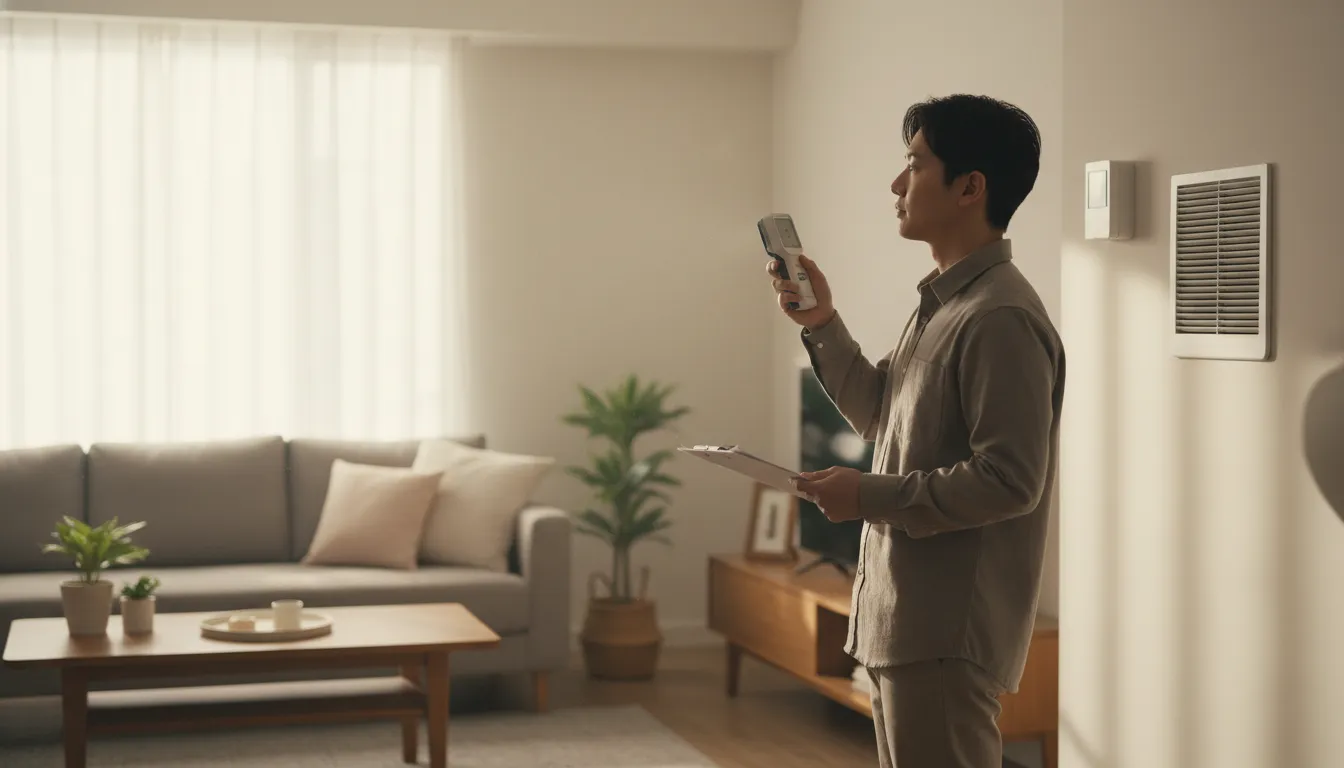
Find the Best Indoor Air Quality Service Providers for Your Business
No obligation • Fast responses • Nationwide coverage

Why you can trust HVAC Firms
HVAC Firms is a leading United States resource for evaluating HVAC service providers. Our team researches companies, checks credentials, and reviews customer feedback to present clear, unbiased information. Listings and rankings are based on merit, and companies cannot pay to change our editorial content.
Search providers near you
Top Indoor Air Quality Service Providers in Gilroy, California Ranked
The air you breathe inside your home or business is a critical component of your health and comfort. Indoor air quality, or IAQ, refers to the condition of the air within and around buildings, particularly as it relates to the health and well-being of occupants. In Gilroy, local environmental factors make managing your indoor environment especially important. This guide is designed to help you understand the specific air quality challenges in the area, the solutions available, and how to connect with local professionals who can assess and improve your indoor air.
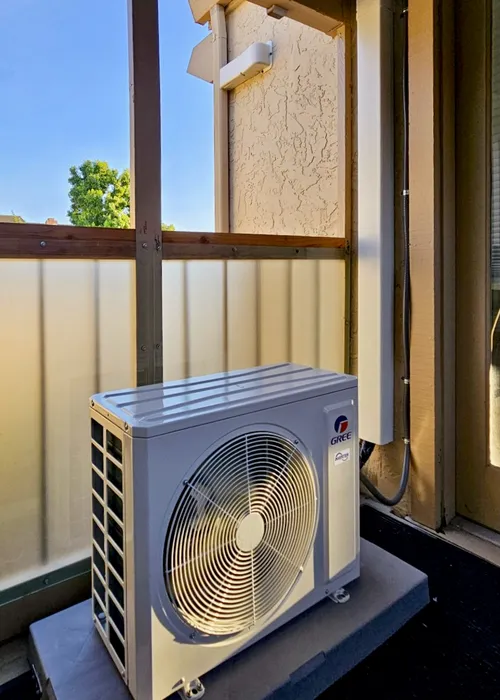
Freon HVAC, Electrical & Appliance
299 E McGlincy Ln Suite A, Campbell, CA 95008
Freon HVAC, Electrical & Appliance provides a range of heating and air conditioning services in San Jose, CA. They specialize in HVAC installation, repair, and maintenance, including air conditioning, furnaces, heat pumps, mini splits, and thermostat installation. Their team handles ductwork repair and indoor air quality services to support comfortable indoor environments. Freon HVAC offers expertise in refrigerant replacement and commercial HVAC solutions, focusing on efficient system operation throughout the year.

Air Care Heating & Cooling Inc.
1577 Almaden Rd, San Jose, CA 95125
Air Care Heating & Cooling Inc. is a locally owned HVAC company serving San Jose, CA, and nearby communities since 2013. They provide a range of heating and cooling services including air conditioner and heat pump repair and installation, furnace repair, HVAC tune-ups, and indoor air quality solutions. The company is experienced in servicing all brands and models and offers practical advice to improve system efficiency. Their technicians are knowledgeable in diagnosing furnace issues and installing heat pumps, supporting customers throughout the process.
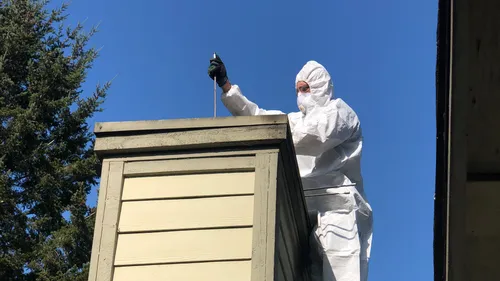
Cal Duct Cleaning
San Jose, CA
Cal Duct Cleaning is a licensed, certified, and insured family-owned business serving the San Jose, CA area and the broader San Francisco Bay Area. They specialize in air duct cleaning, chimney sweeping, and dryer vent cleaning for both residential and commercial properties. Their services include thorough inspections and cleaning using advanced tools such as rotary brushes and HEPA negative-air equipment to remove dust, allergens, creosote, and lint buildup, promoting improved indoor air quality and home safety. The company also offers chimney level 1 inspections and dryer vent inspections to help prevent fire hazards. Cal Duct Cleaning is locally owned and operated, with a focus on safety and efficiency.
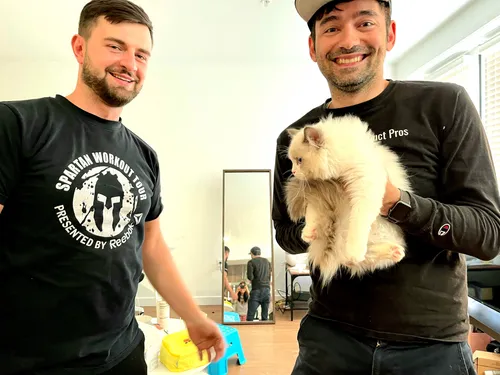
Duct Pros- Bay Area, California
San Jose, CA
Duct Pros- Bay Area, California offers air duct cleaning, dryer vent cleaning, chimney sweeping, and duct repair services in San Jose, CA. They serve homes and businesses across the SF Bay Area, including Santa Clara, San Mateo, Alameda, and San Francisco counties. Their services help improve indoor air quality and airflow by removing dust, lint, and allergens that can block ventilation and reduce system efficiency. In addition to cleaning, they provide HVAC installation and fireplace inspections through trusted partners. Duct Pros is recognized locally and highly rated on multiple platforms.
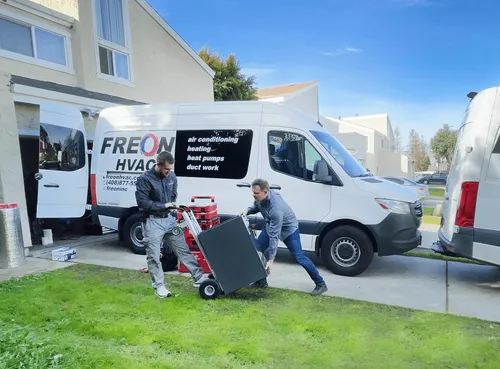
Freon Service
6291 Kelez Ct, San Jose, CA 95120
Freon Service is an HVAC and electrical company based in San Jose, CA, offering heating, air conditioning, and electrical repair, installation, and maintenance services. Their skilled technicians handle a wide range of HVAC needs, including furnace and AC repair, HVAC system installation, thermostat installation, indoor air quality improvements, and electrical services for residential and commercial properties. They provide tailored solutions based on property assessments to ensure efficient and effective system performance. With years of experience in the industry, Freon Service serves San Jose and surrounding areas, focusing on customer satisfaction and quality workmanship.
Understanding Gilroy's Unique Air Quality Challenges
Gilroy's setting in the Santa Clara Valley, surrounded by agricultural land and near wildland areas, creates a distinct mix of indoor air pollutants. While common concerns like dust, pet dander, and volatile organic compounds (VOCs) are present everywhere, residents here face additional, region-specific issues.
The most prominent seasonal challenge is wildfire smoke. When fires occur in nearby forested regions, smoke can travel into the valley, significantly elevating outdoor levels of fine particulate matter, known as PM2.5. These microscopic particles easily infiltrate homes, making indoor air unhealthy 1. Furthermore, Gilroy's agricultural heritage means that at certain times, agricultural dust and potential pesticide drift can also affect outdoor air, which then finds its way indoors.
Beyond these external factors, standard indoor pollutant sources are always at play. These include:
- Mold and Moisture: From humidity, leaks, or flooding.
- VOCs: Released from cleaning products, paints, new furniture, and office equipment.
- Combustion Pollutants: Such as carbon monoxide and nitrogen dioxide from gas stoves, water heaters, or fireplaces.
- Biological Contaminants: Including dust mites, pollen, and pet dander.
- Radon: A naturally occurring radioactive gas from soil that can seep into building foundations 2.
Common Indoor Pollutants and Their Sources
To effectively manage your home's air, it's helpful to know what you're up against. Here's a closer look at the key pollutants affecting indoor environments in Gilroy.
Particulate Matter (PM2.5): This is arguably the most critical metric to watch, especially during fire season. PM2.5 refers to particles so small they can be inhaled deep into the lungs and even enter the bloodstream. Indoor sources include cooking, burning candles, and dust, but the major spikes often come from outdoor wildfire smoke 3 4.
Volatile Organic Compounds (VOCs): These are gases emitted from a wide array of household products. Formaldehyde (in pressed-wood products), benzene (from stored fuels), and chemicals from air fresheners and aerosol sprays are common examples. Reducing the use of these products is a key form of "source control" 5.
Mold and Biological Agents: Mold grows where there is moisture. In Gilroy, this can be due to poor ventilation in bathrooms, leaks in roofs or pipes, or even from over-humidified air. Mold spores can trigger allergies, asthma, and other respiratory issues.
Carbon Dioxide (CO2): While not a pollutant in the traditional sense, high levels of CO2 are a strong indicator of poor ventilation. In tightly sealed homes or crowded offices, CO2 can build up, leading to drowsiness, poor concentration, and stagnant air that allows other pollutants to accumulate.
Radon: This colorless, odorless gas is the second leading cause of lung cancer. It enters homes through cracks in floors and walls, construction joints, or gaps around service pipes. Testing for radon is a specific and important part of a comprehensive indoor air assessment.
How to Assess Your Indoor Air
You can't manage what you don't measure. Fortunately, there are several ways to evaluate the air quality in your Gilroy home or business, from professional services to consumer-grade devices.
Professional Indoor Air Quality Testing: For a comprehensive analysis, local environmental service companies offer professional assessments. Firms like Green Home Solutions, Adviro, and All Bay Environmental provide testing for a suite of pollutants including mold, radon, VOCs, formaldehyde, asbestos, and lead 6 7. These services typically involve an in-person inspection by a specialist, such as an industrial hygienist, who can take samples and provide a detailed report. The cost for a general assessment typically ranges from $250 to $550, with more specialized testing (e.g., for asbestos or detailed mold analysis) potentially costing $100 to $1,000 or more 6 8.
Continuous Air Quality Monitors: For ongoing, real-time insight, smart air quality monitors are an excellent tool. These devices track key metrics and often connect to smartphone apps.
- High-End Monitors: Devices like the Airthings View Plus (approximately $298-$330) or the IQAir AirVisual Pro (approximately $300-$330) track PM2.5, CO2, VOCs, radon, humidity, and temperature 9 10.
- Mid-Range/Basic Monitors: Options like the bonoch 16-in-1 or Govee Smart Monitor offer more basic tracking of multiple parameters at a lower cost, often between $69 and $90 11.
The most important metrics for health are generally PM2.5, CO2 (for ventilation assessment), and VOC levels. Monitoring these can tell you when to increase filtration, open a window, or address a specific source.
Find the perfect indoor air quality service providers for your needs
Get personalized recommendations and expert advice
Strategies and Solutions for Cleaner Indoor Air
Improving your indoor environment involves a multi-pronged approach: monitoring, source control, ventilation, and filtration.
1. Source Control: The most effective way to improve air quality is to prevent pollutants from entering the air in the first place.
- Choose low-VOC paints, cleaning supplies, and building materials.
- Ensure gas stoves, water heaters, and fireplaces are properly vented to the outside.
- Address water leaks and moisture issues promptly to prevent mold growth.
- Minimize the use of aerosol sprays, scented candles, and incense 12 13.
2. Ventilation: Diluting indoor air with cleaner outdoor air is crucial.
- When outdoor air is good: Open windows and doors, use window or attic fans, or run a window air conditioner with the vent control open.
- During wildfire smoke events: Keep windows and doors closed. Run your air conditioning system on the "recirculate" setting to avoid pulling in smoky air 14.
3. Air Cleaning and Filtration: When source control and ventilation aren't enough, air cleaners can remove pollutants from the air.
- HVAC System Filters: Upgrade the filter in your central heating/cooling system to a Minimum Efficiency Reporting Value (MERV) 13 rating or higher, and change it regularly, especially after periods of poor outdoor air quality.
- Portable Air Purifiers: Use high-efficiency particulate air (HEPA) purifiers in key rooms like bedrooms. These are particularly effective at removing PM2.5 from wildfire smoke. Ensure the purifier is sized correctly for the room 15.
- Duct Cleaning: Having your HVAC ducts professionally cleaned can remove accumulated dust, debris, and mold that would otherwise be circulated throughout your home.
4. Professional Remediation: For specific, serious issues, professional intervention is necessary.
- Mold Remediation: If you have a significant mold problem, professional remediation is required to safely remove it and address the underlying moisture issue. Local companies may use methods like plant-based enzyme treatments.
- Radon Mitigation: If testing reveals high radon levels, a mitigation system (typically a pipe and fan system) must be installed by a professional to vent the gas from beneath your home to the outside.
Maintaining Healthy Air Long-Term
Good indoor air quality is an ongoing process. Establish simple habits to maintain a healthier environment:
- Monitor Regularly: Keep an eye on your air quality monitor, especially during fire season or when using products that could emit VOCs.
- Maintain Your HVAC System: Schedule regular maintenance for your heating and cooling system. A well-maintained system is more efficient at filtering and circulating air 16.
- Clean Smart: Use a vacuum with a HEPA filter, damp-dust surfaces, and keep bedding clean to reduce dust mites and pet dander.
- Manage Humidity: Use dehumidifiers in damp areas (like basements) and exhaust fans in bathrooms and kitchens to keep indoor relative humidity ideally between 30% and 50% to discourage mold growth and dust mites.
Frequently asked questions
Sources
Footnotes
-
Gilroy, CA Air Quality Index | AccuWeather - https://www.accuweather.com/en/us/gilroy/95020/air-quality-index/332134 ↩
-
INDOOR AIR QUALITY - https://www.dir.ca.gov/DOSHPol/P&PC-48.HTM ↩
-
Indoor Air Quality and Health - https://www.ourair.org/edu/indoor-air-quality-and-health/ ↩
-
Gilroy, CA Poor Air Quality Map and Forecast | First Street - https://firststreet.org/city/gilroy-ca/629504_fsid/air ↩
-
Indoor Air Quality | Los Angeles County Department of Public Health - http://www.publichealth.lacounty.gov/Eh/safety/indoor-air-quality.htm ↩
-
Air Quality Services in Gilroy, CA | Green Home Solutions - https://www.greenhomesolutions.com/gilroy-ca/ ↩ ↩2
-
THE BEST 10 ENVIRONMENTAL TESTING near GILROY, CA 95020 - https://m.yelp.com/search?cflt=environmentaltesting&find_loc=Gilroy%2C+CA+95020 ↩
-
How Much Does Professional Home Indoor Air Quality Testing Cost? - https://www.airpf.com/how-much-does-a-home-indoor-air-quality-testing-cost/ ↩
-
iqair AirVisual PRO AIR-QUALITY Monitor - https://www.google.com/search?q=product&prds=pvt:hg,productid:12731750861393503074,catalogid:16835460390359639346,gpcid:10152811169155146236,mid:576462399365726378&ibp=oshop ↩
-
Airthings View Plus Air Quality Monitor - https://www.google.com/search?q=product&prds=pvt:hg,productid:6072329373947128373,catalogid:7712427545849036561,gpcid:4854218481369443652,mid:576462731890981916&ibp=oshop ↩
-
bonoch - 16 in 1 Air Quality Monitor Indoor 7" Display 9 AQI+7 AQI Alerts Air Quality Meter - White - https://www.google.com/search?q=product&prds=pvt:hg,productid:12732073894879340278,catalogid:6986460155330375637,mid:18446744073709551615&ibp=oshop ↩
-
Indoor Air Quality Research - California Air Resources Board - https://ww2.arb.ca.gov/resources/documents/indoor-air-quality-research ↩
-
Indoor Air Quality - Frequently Asked Questions - OSHA - https://www.osha.gov/indoor-air-quality/faqs ↩
-
Air quality rated 'unhealthy' for high-risk groups | Gilroy Dispatch - https://gilroydispatch.com/air-quality-rated-unhealthy-for-high-risk-groups/ ↩
-
Indoor Air Quality & Exposure | California Air Resources Board - https://ww2.arb.ca.gov/our-work/topics/indoor-air-quality-exposure ↩
-
Enhancing Indoor Air Quality Through HVAC Systems - https://texasairmechanical.com/enhancing-indoor-air-quality-through-hvac-systems/ ↩