Find the Best Indoor Air Quality Service Providers for Your Business
No obligation • Fast responses • Nationwide coverage

Why you can trust HVAC Firms
HVAC Firms is a leading United States resource for evaluating HVAC service providers. Our team researches companies, checks credentials, and reviews customer feedback to present clear, unbiased information. Listings and rankings are based on merit, and companies cannot pay to change our editorial content.
Search providers near you
Top Indoor Air Quality Service Providers in Clovis, California Ranked
The air you breathe inside your Clovis home or business directly impacts your health, comfort, and productivity. Indoor air quality, or IAQ, refers to the condition of the air within and around buildings, particularly as it relates to the health and well-being of occupants. In the San Joaquin Valley, where Clovis is located, unique environmental factors make managing your indoor environment especially important. This guide helps you understand local IAQ concerns, from common pollutants to practical solutions, so you can find the right local expertise to assess and improve the air in your space.
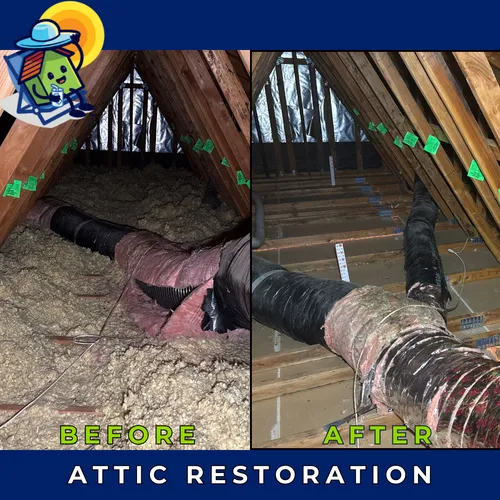
Tyson Insulation
5645 E Westover Ave #101, Fresno, CA 93727
Tyson Insulation provides indoor air quality and attic insulation services in Fresno, CA, and the Central Valley. They specialize in attic insulation upgrades, full restorations, ductwork, air sealing, and whole house fan installations to improve home comfort and energy efficiency. Tyson Insulation focuses on creating cleaner, sealed, and energy-smart environments for homeowners. They serve a broad area across Central and Northern California and have earned a strong local reputation through numerous positive reviews.

J's Heating & Cooling
2269 S G St, Fresno, CA 93721
J's Heating & Cooling is a full-service HVAC company based in Fresno, CA, serving residential and commercial clients throughout the Central Valley. They offer a wide range of services including air conditioning and furnace repair, installation, maintenance, and indoor air quality solutions. The company is known for its expertise in HVAC tune-ups and specializes in efficient heating and cooling systems, including advanced inverter technology and quiet Bosch air-to-air systems. Established in 2008, J's Heating & Cooling has built a reputation for skilled workmanship and comprehensive HVAC services. They also provide financing options to assist with system installations and repairs.
NALK Air Conditioning and Heating
4535 N Bendel Ave Ste 105, Fresno, CA 93722
NALK Air Conditioning and Heating is a veteran-owned HVAC company serving Fresno, CA. Since 1986, they have provided installation, repair, and maintenance services for air conditioning, furnaces, thermostats, and indoor air quality systems. They offer emergency HVAC services, including weekend and evening availability, and specialize in smart thermostat installation and whole-building air purification to improve indoor air quality. Their Energy Savings Agreement helps maintain HVAC system efficiency year-round.
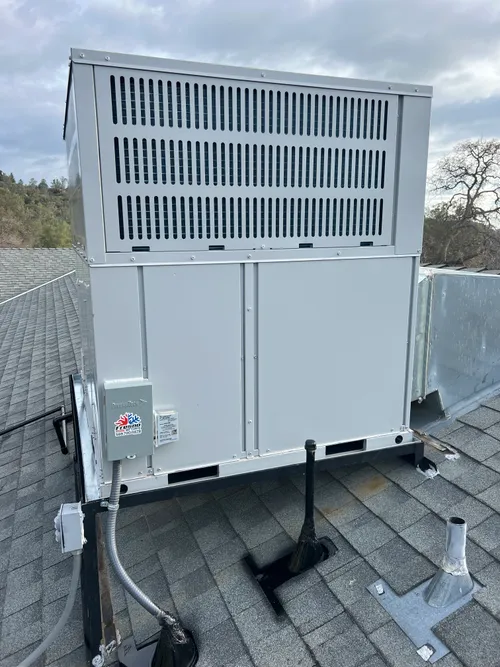
Fresno Heating and Cooling
4051 N Valentine Ave #108, Fresno, CA 93722
Fresno Heating and Cooling is a family-owned HVAC company serving Fresno, CA, and surrounding counties including Kings, Tulare, and Madera. They offer a wide range of services such as air conditioner and furnace repair, installation of heat pumps and mini splits, duct cleaning, and indoor air quality solutions. The company specializes in installing and repairing high-efficiency heating and cooling systems from brands like Bosch, American Standard, and Goodman. They focus on providing tailored HVAC solutions and emphasize transparency to help customers make informed decisions. Fresno Heating and Cooling also participates in rebate programs to support energy-efficient upgrades.
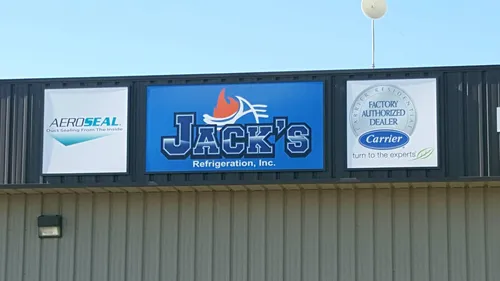
Jack's Refrigeration
2539 Simpson St, Kingsburg, CA 93631
Jack's Refrigeration is an HVAC company serving Fresno, CA, and the surrounding Central Valley communities. They provide a range of services including air conditioning and furnace repair, installation of HVAC and geothermal heat pump systems, duct cleaning, and indoor air quality improvements. With over 60 years of experience, Jack's Refrigeration offers expertise in duct sealing using Aeroseal technology to enhance comfort and energy efficiency. They serve both residential and commercial customers and have a long history of supporting local homes and businesses.
Why Indoor Air Quality Matters in Clovis
We spend up to 90% of our time indoors, where concentrations of some pollutants can be two to five times higher than typical outdoor levels 1. For residents and business owners in Clovis, paying attention to your indoor environment is not just about comfort-it's a health consideration. The Clovis area falls within the San Joaquin Valley, a region designated as a nonattainment area for federal ozone and fine particulate matter (PM2.5) standards 2 3. This means outdoor air pollution is a persistent challenge, and these pollutants readily find their way inside. Poor indoor air can lead to immediate effects like headaches, dizziness, and irritation of the eyes, nose, and throat, as well as long-term respiratory diseases, heart disease, and even cancer 1. Ensuring good indoor air is a proactive step toward safeguarding your family's health or creating a healthier, more productive workplace.
Common Indoor Air Pollutants in the Clovis Area
Understanding what you're up against is the first step. The primary indoor air concerns in Clovis and the wider Central Valley stem from both outdoor infiltration and indoor sources.
Particulate Matter (PM2.5)
This is one of the most significant concerns. PM2.5 refers to tiny inhalable particles, with diameters that are generally 2.5 micrometers and smaller. In the San Joaquin Valley, outdoor PM2.5 comes from sources like vehicle exhaust, agricultural operations, and industrial activity 4. Critically, during California's wildfire seasons, smoke events can dramatically elevate PM2.5 levels both outdoors and indoors as smoke infiltrates buildings. These fine particles can penetrate deep into the lungs and even enter the bloodstream, posing serious health risks 4.
Inadequate Ventilation
Modern buildings are built to be energy-efficient, which often means they are tightly sealed. While this saves on heating and cooling costs, it can trap pollutants inside. Studies in California have found that many commercial buildings and even some new homes have low air exchange rates, failing to meet ventilation standards and allowing pollutants to accumulate 5. Without proper mechanical ventilation, carbon dioxide from occupants, odors, and chemical vapors have nowhere to go.
Volatile Organic Compounds (VOCs)
These are gases emitted from a wide array of products and materials. Common sources in homes and offices include paints, varnishes, cleaning and disinfecting supplies, air fresheners, furnishings, and building materials like adhesives and pressed wood. A specific concern recognized by California regulatory agencies is vapor intrusion (VI), where VOCs from contaminated soil or groundwater migrate upward into buildings 6 7.
Biological Contaminants
These include mold, mildew, dust mites, pet dander, and pollen. They often thrive in the presence of moisture. Dampness due to leaks, flooding, or high humidity is a common root cause of indoor air quality problems, particularly mold growth. Controlling moisture is essential to controlling biological pollutants.
Find the perfect indoor air quality service providers for your needs
Get personalized recommendations and expert advice
How to Assess Your Indoor Air in Clovis
Before investing in solutions, it's wise to understand the specific issues in your building. You have several options for assessment, ranging from free consultations to professional testing.
Professional IAQ Testing: Hiring a certified professional to conduct a comprehensive assessment is the most thorough approach. They can use specialized equipment to test for a wide range of pollutants, including specific molds, VOCs, formaldehyde, carbon monoxide, and particulate levels. The cost for general indoor air quality testing typically ranges from $250 to over $550, while testing for specific pollutants can cost anywhere from $100 to $1,000 or more 8 9. This is often recommended if occupants are experiencing health issues or if you suspect a specific problem like mold or vapor intrusion.
DIY Air Quality Monitors: For ongoing awareness, a personal air quality monitor is an efficient tool. These consumer-grade devices can continuously track parameters like PM2.5, VOCs, carbon dioxide (CO2), humidity, and temperature. They provide real-time data and trends, helping you identify when pollutant levels spike-for example, during cooking, cleaning, or poor outdoor air days.
Free Assessments: Some local non-profit organizations offer assistance. For instance, Breathe California provides free indoor air quality assessments to help identify triggers for asthma and other respiratory conditions and offers recommendations for improvements 10. This can be an excellent, no-cost starting point.
Effective Strategies for Improving Indoor Air
Improving your indoor environment often involves a multi-pronged strategy. The most cost-effective approach is always source control-preventing pollutants from entering or being released in the first place 11.
1. Source Control and Maintenance
- Seal Entry Points: Minimize the infiltration of outdoor PM2.5 and pollen by sealing cracks and gaps around windows, doors, and foundations.
- Manage Activities: Use exhaust fans vented to the outside when cooking, burning candles, or using chemical cleaners. Store paints and solvents in well-ventilated sheds or garages, not living spaces.
- Regular HVAC Maintenance: Have your heating and cooling system inspected and serviced annually. A dirty system can circulate dust and allergens throughout your home.
2. Enhance Ventilation
- Use Exhaust Fans: Consistently use bathroom and kitchen fans to remove moisture and contaminants at the source.
- Open Windows (When Possible): When outdoor air quality is good, opening windows and doors is the simplest way to increase ventilation and dilute indoor pollutants.
- Upgrade Mechanical Ventilation: For a more consistent solution, consider systems like Energy Recovery Ventilators (ERVs) or Heat Recovery Ventilators (HRVs). These devices systematically bring in fresh outdoor air while exhausting stale indoor air, recovering energy in the process to minimize the impact on your heating and cooling bills. Installation costs vary based on your existing HVAC setup.
3. Utilize Air Cleaning and Filtration
- Portable Air Purifiers: These units are effective for cleaning the air in a single room or specific area. Look for models with a true HEPA filter for capturing particulate matter and a carbon filter for adsorbing gases and odors. Prices vary based on size and features.
- Whole-Home Air Cleaners: These are integrated directly into your central HVAC system, cleaning the air throughout the entire house as it circulates. They represent a higher upfront investment for installation but provide whole-building coverage.
- Upgrade HVAC Filters: The simplest step is to upgrade the filter in your central air system to one with a higher MERV rating (Minimum Efficiency Reporting Value). A MERV 13 filter can capture a high percentage of airborne particles, including PM2.5 12. Ensure your system can handle the increased airflow resistance of a higher-MERV filter.
4. Control Moisture and Humidity
- Fix Leaks Promptly: Repair roof, plumbing, or foundation leaks immediately to prevent mold growth.
- Use Dehumidifiers: In naturally damp areas like basements, a dehumidifier can help maintain humidity levels between 30-50%, a range that inhibits mold and dust mite growth 13.
- Vent Moisture: Always vent clothes dryers to the outside.
Navigating Local Regulations and Resources
Clovis is under the jurisdiction of the San Joaquin Valley Air Pollution Control District (SJVAPCD). While the district's primary focus is on reducing outdoor emissions to meet federal standards, their work directly impacts indoor air by improving the quality of air that infiltrates your home 14 15. They provide public resources and alerts, especially during high-pollution episodes or wildfire smoke events. For workplace IAQ, the California Division of Occupational Safety and Health (Cal/OSHA) has guidelines and standards that employers must follow to ensure safe indoor environments 16.
Frequently asked questions
Sources
Footnotes
-
Indoor Air Quality | US EPA - https://www.epa.gov/report-environment/indoor-air-quality ↩ ↩2
-
Indoor Air Quality Research - California Air Resources Board - https://ww2.arb.ca.gov/resources/documents/indoor-air-quality-research ↩
-
May 2013 - Fresno Council of Governments - https://www.fresnocog.org/wp-content/uploads/publications/Air_Quality/FCOG_2008_OzoneConformityFINAL_5-31-13.pdf ↩
-
Protecting public health from the risks of particle pollution - https://www.valleyair.org/media/4yibvr4t/dustcontrolbrochure_2024-web.pdf ↩ ↩2
-
Indoor Air Quality Issues in California Workplaces and How to ... - https://www.latesting.com/News.aspx?newsid=1460 ↩
-
Vapor Intrusion (VI) | Department of Toxic Substances Control - https://dtsc.ca.gov/vapor-intrusion/ ↩
-
Overview of State Approaches to Vapor Intrusion: 2023 Update - https://ngwa.onlinelibrary.wiley.com/doi/10.1111/gwmr.12627 ↩
-
How to test indoor air quality in your home - Airthings - https://www.airthings.com/resources/how-to-test-air-quality-in-your-home ↩
-
How Much Does Professional Home Indoor Air Quality Testing Cost? - https://www.airpf.com/how-much-does-a-home-indoor-air-quality-testing-cost/ ↩
-
Free Indoor Air Assessments - Breathe California - https://lungsrus.org/free-indoor-air-assessments/ ↩
-
Improving Indoor Air Quality | US EPA - https://www.epa.gov/indoor-air-quality-iaq/improving-indoor-air-quality ↩
-
HVAC Technical Blog | The Importance of Indoor Air Quality: Reasons to Improve Your Environment - https://www.cambridgeair.com/resources/hvac-technical-blog/importance-of-indoor-air-quality ↩
-
BEST PRACTICES GUIDE FOR IMPROVING INDOOR AIR QUALITY ... - https://assessments.epa.gov/risk/document/&deid%3D365813 ↩
-
DATE: August 19, 2021 TO: SJVUAPCD Governing Board FROM - https://ww2.valleyair.org/media/4a3oolm0/gb-item.pdf ↩
-
DATE: December 17, 2020 TO: SJVUAPCD Governing Board ... - https://ww2.valleyair.org/media/xdrjftc0/12.pdf ↩
-
Indoor Air Quality - Frequently Asked Questions - OSHA - https://www.osha.gov/indoor-air-quality/faqs ↩