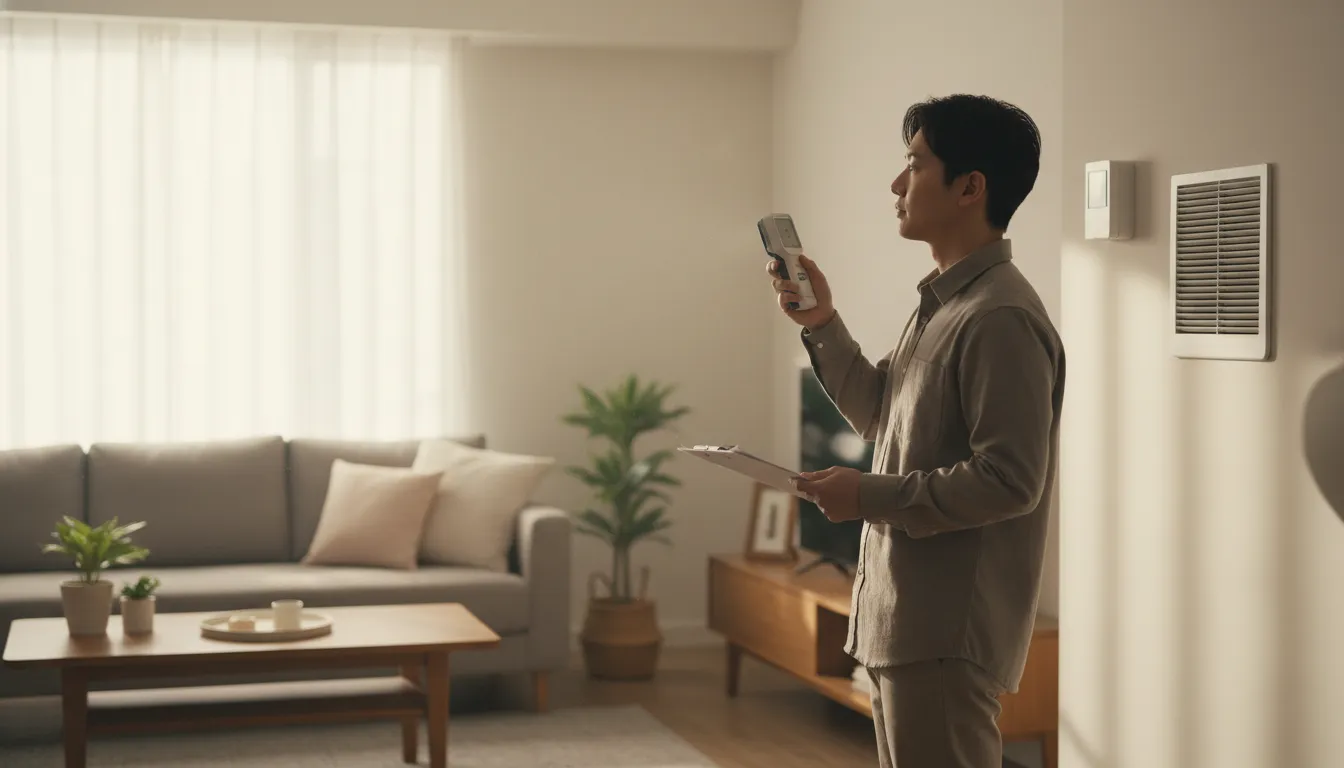
Find the Best Indoor Air Quality Service Providers for Your Business
No obligation • Fast responses • Nationwide coverage

Why you can trust HVAC Firms
HVAC Firms is a leading United States resource for evaluating HVAC service providers. Our team researches companies, checks credentials, and reviews customer feedback to present clear, unbiased information. Listings and rankings are based on merit, and companies cannot pay to change our editorial content.
Search providers near you
Top Indoor Air Quality Service Providers in Baldwin Park, California Ranked
The air you breathe inside your home or workplace has a direct impact on your health, comfort, and well-being. In Baldwin Park, indoor air quality (IAQ) is influenced by a unique mix of regional outdoor pollutants and common indoor sources. Understanding and managing your indoor environment is crucial for mitigating allergies, respiratory issues, and long-term health risks. This guide will help you identify common local air quality concerns, explore assessment options, and connect with effective solutions to create a healthier indoor space.
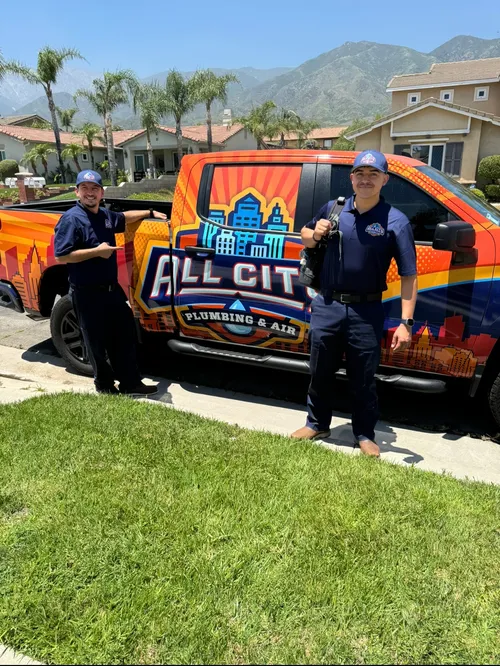
All City Plumbing, Air & Electrical
5612 E La Palma Ave, Anaheim, CA 92807
All City Plumbing, Air & Electrical is a full-service provider based in Anaheim, CA, offering plumbing, HVAC, and electrical services. They serve residential and commercial customers with repair, installation, and maintenance for air conditioning, furnaces, thermostats, and indoor air quality systems. The company is known for its ACE-certified technicians and uses advanced technology such as hydro jetting for plumbing services. With over 13 years in business, All City Plumbing, Air & Electrical provides 24/7 emergency service to address urgent HVAC and plumbing needs.
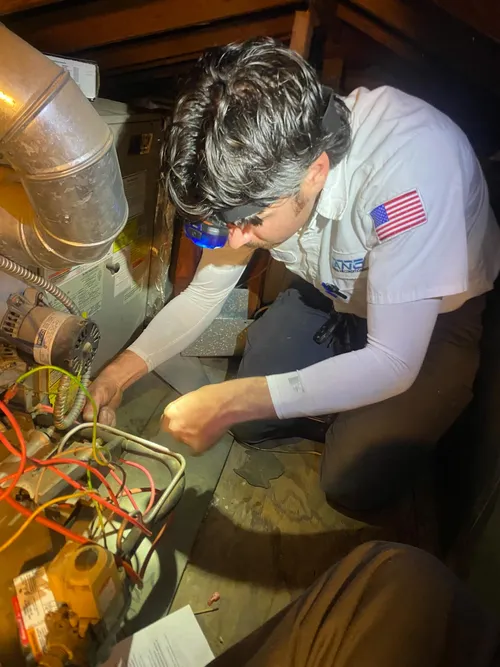
Sano Heating & Air Conditioning
5546 E La Palma Ave, Anaheim, CA 92807
Sano Heating & Air Conditioning is an HVAC company based in Anaheim, CA, providing a range of heating and cooling services. They offer repair and installation for air conditioners, furnaces, heat pumps, mini splits, and perform HVAC tune-ups. The company also specializes in indoor air quality solutions and energy-efficient options like ductless and zoned systems. Serving Anaheim and the surrounding Orange County area, they handle new construction projects and have sheet metal capabilities to support their HVAC services.
Eco Air Solutions- Heating/Air/QuietCool-That Fan Guy
3900 E Miraloma Ave unit d, Anaheim, CA 92806
Eco Air Solutions- Heating/Air/QuietCool-That Fan Guy is an HVAC company based in Anaheim, CA, offering services in heating, air conditioning, and indoor air quality. They serve Orange County, the Inland Empire, and South L.A. County, providing installation, repair, and maintenance for furnaces, air conditioners, and whole house fans. The company specializes in QuietCool whole house fans to improve indoor air quality and home comfort.
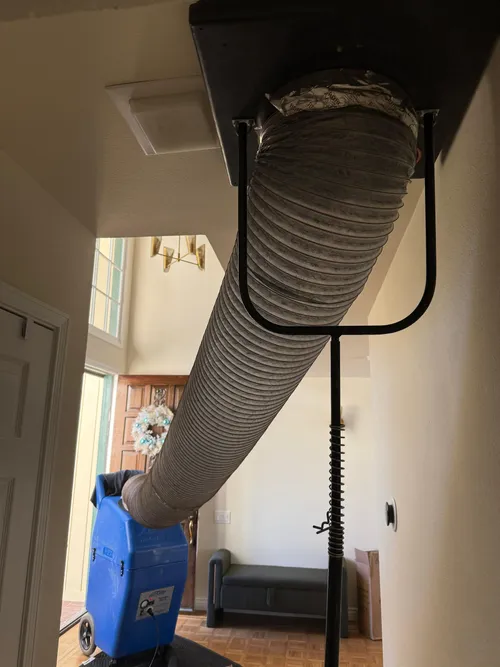
Dr. Dryer Vent Cleaning & Air Duct Cleaning OC
Irvine, CA
Dr. Dryer Vent Cleaning & Air Duct Cleaning OC is a family-owned company serving Irvine, CA, and the surrounding Orange County and Los Angeles areas. They specialize in air duct cleaning, dryer vent cleaning, and AeroSeal duct sealing services to improve indoor air quality, enhance HVAC efficiency, and reduce fire risks. Established in 2007, the company has over 16 years of experience and uses state-of-the-art equipment to address dust, fungus, and allergens in air ducts. Their technicians provide thorough inspections to ensure safety and cleaner air for homes and businesses.
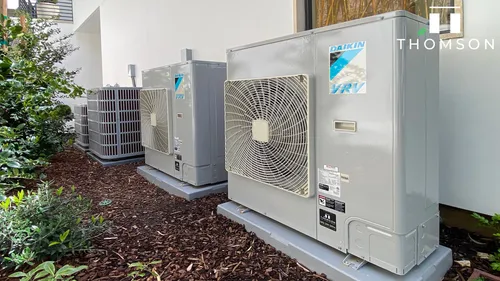
Thomson Air Conditioning & Heating
5731 McFadden Ave A, Huntington Beach, CA 92649
Thomson Air Conditioning & Heating provides HVAC repair, installation, and indoor air quality services in Long Beach, CA. They serve both residential and commercial customers across Southern California, offering solutions for air conditioning, heating, heat pumps, ductless systems, and HVAC tune-ups. Their team includes certified technicians who focus on honest recommendations and reliable workmanship. The company emphasizes transparent service without upselling and guarantees their labor for five years on repairs.
Why Indoor Air Quality Matters in Baldwin Park
While we often think of smog as an outdoor problem, the air inside our buildings can be two to five times more polluted than outdoor air. In Baldwin Park, residents face a dual challenge: pollutants generated indoors and those that infiltrate from the outside. The city is within the jurisdiction of the South Coast Air Quality Management District (SCAQMD), where key outdoor concerns are ozone and fine particulate matter (PM2.5). These pollutants can easily enter homes through windows, doors, and building ventilation systems, combining with indoor contaminants to create a complex IAQ profile. Proactive management of your indoor air is not just about comfort-it's a vital component of public health, especially for children, the elderly, and those with pre-existing conditions.
Common Indoor Air Pollutants in Baldwin Park Homes
A comprehensive approach to air cleaning and purification starts with knowing what you're up against. The primary contaminants in local indoor environments fall into several categories.
Particulate Matter (PM2.5)
These are microscopic particles 2.5 microns or smaller that can penetrate deep into the lungs and even enter the bloodstream. In our region, PM2.5 primarily originates from traffic, industrial activity, and increasingly, wildfires. Once these fine particles infiltrate a building, they can remain suspended in the air for long periods, contributing to respiratory and cardiovascular problems.
Ozone
Ground-level ozone is a significant outdoor pollutant in the Los Angeles Basin. While it's monitored outdoors, it's important to know that some types of electronic air cleaners, including certain ionizers and older ozone generators, can produce ozone indoors as a byproduct. California has regulations on these devices because indoor ozone can irritate the respiratory system and worsen asthma.
Biological Contaminants: Mold, Dust Mites, and Allergens
The climate in Southern California can contribute to humidity issues, particularly in poorly ventilated bathrooms, basements, or kitchens. This moisture can lead to mold growth and create an ideal environment for dust mites. Both are potent allergens and asthma triggers. Pet dander and pollen are also common biological pollutants that affect indoor air.
Chemical Pollutants (VOCs and Formaldehyde)
Volatile Organic Compounds (VOCs) are gases emitted from a wide array of everyday products. Common sources in Baldwin Park homes include:
- Off-gassing from new furniture, cabinets, and flooring
- Building materials like paints, adhesives, and varnishes
- Household cleaning and disinfecting products
- Air fresheners and personal care items like hairspray1 2 Formaldehyde, a specific VOC, is often found in pressed-wood products. These chemicals can cause short-term irritation and are associated with long-term health effects.
Combustion Pollutants
Gas-burning appliances are a major source of indoor pollution if not properly vented. A gas stove, furnace, water heater, or fireplace can release carbon monoxide (CO) and nitrogen dioxide (NO2)3 4. CO is an odorless, deadly gas, while NO2 can irritate the airways and reduce resistance to respiratory infections.
Legacy Pollutants: Lead and Asbestos
In Baldwin Park's older buildings, legacy materials pose a risk when disturbed. Deteriorating lead-based paint can create dust that is especially hazardous to children5. Asbestos-containing materials, found in some insulation, floor tiles, and pipe wrap, are safe if intact but can release dangerous fibers during renovations or damage.
How to Assess Your Indoor Air Quality
Determining your home's specific IAQ profile is the first step toward improvement. You have several options, from professional evaluations to DIY monitoring.
Professional Indoor Air Quality Testing
Hiring a certified inspector or environmental consultant provides the most accurate and comprehensive assessment. A professional will conduct a visual inspection and use calibrated equipment to collect air and surface samples for laboratory analysis6 7. This method is ideal for identifying specific pollutant levels, verifying mold types, or diagnosing mysterious health symptoms. The final report typically includes detailed findings and prioritized recommendations for remediation. The cost for a standard professional assessment in Baldwin Park generally ranges from a few hundred dollars up to $1,200, depending on the size of the property and number of pollutants tested6.
Do-It-Yourself (DIY) Testing Kits
For a more affordable initial screening, DIY test kits are available for specific concerns like mold, radon, or lead dust. These kits usually involve collecting a sample and mailing it to a lab for analysis. While helpful, they lack the contextual expertise of a professional who can identify hidden sources or interpret results in relation to building conditions.
Low-Cost Sensor Technology
The California Air Resources Board (CARB) now provides guidance on using Low-Cost Sensors (LCS) for real-time monitoring of pollutants like PM2.5 and carbon dioxide (CO2)8. These consumer-grade devices empower homeowners to track pollutant levels over time, identify patterns (like spikes during cooking), and take immediate action, such as increasing ventilation9. They are a powerful tool for ongoing awareness rather than a definitive diagnostic tool.
Find the perfect indoor air quality service providers for your needs
Get personalized recommendations and expert advice
Effective Strategies for Healthier Indoor Air
Improving your home's air doesn't rely on a single magic solution. The most effective strategy, endorsed by the EPA, involves a three-pronged approach: source control, improved ventilation, and air cleaning10.
1. Source Control
The most effective way to improve IAQ is to prevent pollutants from entering the air in the first place.
- Manage Moisture: Fix leaks promptly, use exhaust fans in bathrooms and kitchens, and consider a dehumidifier in damp areas to prevent mold growth.
- Choose Low-VOC Products: Opt for paints, cleaners, and building materials labeled "low-VOC" or "zero-VOC."
- Maintain Combustion Appliances: Have gas stoves, furnaces, and water heaters inspected annually to ensure they are venting properly and not leaking CO.
- Isolate Renovations: Seal off areas during projects that generate dust or VOCs, and increase ventilation.
2. Enhance Ventilation
Diluting stale indoor air with fresh outdoor air is crucial.
- Natural Ventilation: Open windows and doors when weather and outdoor air quality permit.
- Mechanical Ventilation: Ensure bathroom and kitchen exhaust fans vent to the outside and are used consistently. For whole-home solutions, consider installing an Energy Recovery Ventilator (ERV) or Heat Recovery Ventilator (HRV) to bring in fresh air without losing heating or cooling energy.
3. Air Cleaning and Filtration
When source control and ventilation aren't enough, filtration devices can remove pollutants from the air.
- HVAC System Filters: Upgrade the filter in your central heating and cooling system. Look for a Minimum Efficiency Reporting Value (MERV) rating of 13 or higher to effectively capture fine particles like PM2.511. Remember to replace filters regularly.
- Portable Air Purifiers: Use HEPA-filter-based air cleaners in bedrooms or main living areas. If considering an electronic air cleaner, ensure it is CARB certified for sale in California to verify it does not emit harmful levels of ozone12.
- Duct Cleaning & Sealing: Having your air ducts professionally cleaned can be a valuable part of your IAQ strategy if there is visible mold growth, pest infestation, or excessive dust and debris13. Sealing leaky ducts can also improve system efficiency and prevent drawing pollutants from attics or crawl spaces into your living areas.
Understanding Costs for IAQ Improvements
Investment in indoor air quality varies based on the scope of the problem and the solutions chosen. Here's a general overview of potential costs associated with common improvements:
- Professional Testing/Inspection: As noted, initial assessment typically costs between $300 and $1,20014 15.
- Air Filters: An inexpensive upgrade; high-efficiency filters cost more but offer better protection.
- Portable Air Purifiers: Prices range from basic models to advanced whole-room systems.
- Duct Cleaning & Sealing: Cost depends on the size of the home and extent of contamination.
- Mold Remediation: For a standard remediation project, homeowners might spend between $1,150 and $3,400, with extreme cases exceeding $20,00016.
- Radon Mitigation: If testing reveals radon, a mitigation system averages $800 to $1,300 to install.
- Ventilation System Upgrades: Adding exhaust fans, ERVs, or HRVs involves a wider range of costs based on the home's existing infrastructure.
Frequently asked questions
Sources
Footnotes
-
Indoor Air - California Air Resources Board - CA.gov - https://ww2.arb.ca.gov/our-work/programs/indoor-air ↩
-
Indoor Air - California Air Resources Board - CA.gov - https://ww2.arb.ca.gov/our-work/programs/indoor-air ↩
-
Indoor Air Quality | Los Angeles County Department of Public Health - http://publichealth.lacounty.gov/eh/safety/indoor-air-quality.htm ↩
-
Indoor Air Quality & Exposure - California Air Resources Board - https://ww2.arb.ca.gov/our-work/topics/indoor-air-quality-exposure ↩
-
Indoor Air Quality - County of Los Angeles Public Health - http://www.publichealth.lacounty.gov/Eh/safety/indoor-air-quality.htm ↩
-
How Much Does Indoor Air Quality Testing Cost? [2026 Data] - https://www.angi.com/articles/how-much-does-indoor-air-quality-testing-cost.htm ↩ ↩2
-
Indoor Air Quality Assessments in San Luis Obispo | Wighton's - https://wightons.com/hvac/ductwork/indoor-air-quality-assessment/ ↩
-
Guidance: Low-Cost Sensors for Healthier Indoor Air - https://ww2.arb.ca.gov/sites/default/files/2025-05/CARB%20LCS%20Guidance%20Document.pdf ↩
-
9-Step Indoor Air Quality Testing - https://comfortbros.com/blog/9-step-indoor-air-quality-testing/ ↩
-
What can I do to improve indoor air quality in my home? | US EPA - https://www.epa.gov/indoor-air-quality-iaq/what-can-i-do-improve-indoor-air-quality-my-home ↩
-
Indoor Air Quality Solutions in Baldwin Park, CA - https://www.powerproplumbing.com/indoor-air-quality/indoor-air-quality-solutions-baldwin-park-ca ↩
-
Air Quality Element - Baldwin Park - https://www.baldwinpark.com/DocumentCenter/View/569/Air-Quality-PDF ↩
-
Indoor Air Quality Solutions in Baldwin Park, CA - https://www.powerproplumbing.com/indoor-air-quality/indoor-air-quality-solutions-baldwin-park-ca ↩
-
How Much Does An Indoor Air Quality Test Cost? - https://www.cleanairsciences.com/indoor-air-quality-cost/ ↩
-
How To Test Your Indoor Air Quality: Tips, Kits & Costs - How To Test Your Indoor Air Quality: Tips, Kits & Costs - https://filterbuy.com/resources/health-and-wellness/how-to-test-your-indoor-air-quality-tips-kits-costs/ ↩
-
How Much Does a Mold Inspection Cost? [2025 Data] | Angi - https://www.angi.com/articles/mold-inspection-professionals-and-costs.htm ↩