Find the Best Indoor Air Quality Service Providers for Your Business
No obligation • Fast responses • Nationwide coverage

Why you can trust HVAC Firms
HVAC Firms is a leading United States resource for evaluating HVAC service providers. Our team researches companies, checks credentials, and reviews customer feedback to present clear, unbiased information. Listings and rankings are based on merit, and companies cannot pay to change our editorial content.
Search providers near you
Top Indoor Air Quality Service Providers in Azusa, California Ranked
Breathing clean air inside your home or business is fundamental to health and comfort. In Azusa, managing indoor air quality (IAQ) is a unique challenge, influenced by the region's outdoor air pollution and common indoor contaminants. This guide explains the specific air quality concerns for Azusa residents, outlines practical strategies for testing and monitoring, and details effective solutions for improvement. Use this resource to understand your options and connect with local specialists who can assess your space and recommend tailored interventions.

All City Plumbing, Air & Electrical
5612 E La Palma Ave, Anaheim, CA 92807
All City Plumbing, Air & Electrical is a full-service provider based in Anaheim, CA, offering plumbing, HVAC, and electrical services. They serve residential and commercial customers with repair, installation, and maintenance for air conditioning, furnaces, thermostats, and indoor air quality systems. The company is known for its ACE-certified technicians and uses advanced technology such as hydro jetting for plumbing services. With over 13 years in business, All City Plumbing, Air & Electrical provides 24/7 emergency service to address urgent HVAC and plumbing needs.
Sano Heating & Air Conditioning
5546 E La Palma Ave, Anaheim, CA 92807
Sano Heating & Air Conditioning is an HVAC company based in Anaheim, CA, providing a range of heating and cooling services. They offer repair and installation for air conditioners, furnaces, heat pumps, mini splits, and perform HVAC tune-ups. The company also specializes in indoor air quality solutions and energy-efficient options like ductless and zoned systems. Serving Anaheim and the surrounding Orange County area, they handle new construction projects and have sheet metal capabilities to support their HVAC services.
Eco Air Solutions- Heating/Air/QuietCool-That Fan Guy
3900 E Miraloma Ave unit d, Anaheim, CA 92806
Eco Air Solutions- Heating/Air/QuietCool-That Fan Guy is an HVAC company based in Anaheim, CA, offering services in heating, air conditioning, and indoor air quality. They serve Orange County, the Inland Empire, and South L.A. County, providing installation, repair, and maintenance for furnaces, air conditioners, and whole house fans. The company specializes in QuietCool whole house fans to improve indoor air quality and home comfort.
Dr. Dryer Vent Cleaning & Air Duct Cleaning OC
Irvine, CA
Dr. Dryer Vent Cleaning & Air Duct Cleaning OC is a family-owned company serving Irvine, CA, and the surrounding Orange County and Los Angeles areas. They specialize in air duct cleaning, dryer vent cleaning, and AeroSeal duct sealing services to improve indoor air quality, enhance HVAC efficiency, and reduce fire risks. Established in 2007, the company has over 16 years of experience and uses state-of-the-art equipment to address dust, fungus, and allergens in air ducts. Their technicians provide thorough inspections to ensure safety and cleaner air for homes and businesses.
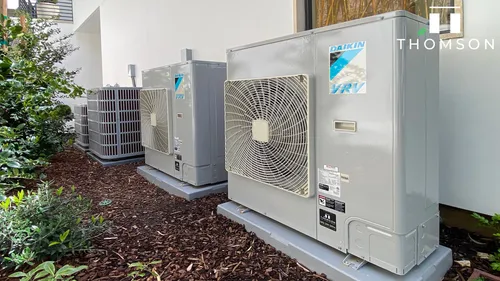
Thomson Air Conditioning & Heating
5731 McFadden Ave A, Huntington Beach, CA 92649
Thomson Air Conditioning & Heating provides HVAC repair, installation, and indoor air quality services in Long Beach, CA. They serve both residential and commercial customers across Southern California, offering solutions for air conditioning, heating, heat pumps, ductless systems, and HVAC tune-ups. Their team includes certified technicians who focus on honest recommendations and reliable workmanship. The company emphasizes transparent service without upselling and guarantees their labor for five years on repairs.
Understanding Azusa's Indoor Air Quality Challenges
The air you breathe indoors in Azusa is a mix of outdoor air that infiltrates your building and pollutants generated from activities and materials inside. Given the city's location within the Los Angeles air basin, external air quality significantly impacts what comes inside. Common indoor pollutants then compound the issue, creating an environment that can affect respiratory health, trigger allergies, and impact overall well-being.
Primary Sources of Indoor Pollution in Azusa Homes
A comprehensive approach to air purification begins with identifying where pollutants originate. Key sources in the Azusa area include:
- Outdoor Air Intrusion: The South Coast Air Basin, which includes Azusa, frequently experiences high levels of ozone, carbon monoxide (CO), and fine particulate matter (PM2.5) 1 2. These pollutants can enter buildings through open windows, doors, and even small cracks, especially on days when regional air quality is poor.
- Biological Contaminants: Mold and mildew thrive in areas with excess moisture, which can stem from water leaks, flooding, or simply poor ventilation in bathrooms and kitchens 3. Pollen from local flora and pet dander are also pervasive allergens that degrade indoor air.
- Chemical Pollutants (VOCs): Volatile Organic Compounds are gases emitted from a vast array of everyday products. In Azusa homes, common sources include household cleaners, paints, solvents, new furniture, pressed wood products, and even some air fresheners 4 5.
- Combustion Byproducts: Appliances like gas stoves, furnaces, water heaters, and fireplaces can produce carbon monoxide and nitrogen dioxide if they are not properly vented, maintained, or are malfunctioning 6.
- Legacy Building Materials: Older buildings may contain asbestos in insulation or lead-based paint, which can become airborne if disturbed during renovations 7. Formaldehyde, another concerning VOC, is often found in composite wood products.
- Pesticides: Residues from pest control treatments can linger in the indoor environment, contributing to the chemical load in the air.
How to Test and Monitor Your Indoor Air
You can't manage what you don't measure. Assessing your indoor environment is the critical first step toward cleaner air. A combination of public resources, DIY tools, and professional services provides a full picture.
Public and DIY Monitoring: For a general sense of the outdoor air influencing your home, resources like the EPA's AirNow website or the South Coast Air Quality Management District (AQMD) provide real-time data and forecasts for Azusa 8. To monitor conditions inside, low-cost consumer sensors from brands like IQAir or PurpleAir can track particulate matter levels in real time 9. Simple, mail-in test kits are also widely available for detecting radon or specific VOC levels.
Professional Indoor Air Quality Assessments: For a definitive diagnosis of persistent problems-such as suspected mold growth, unknown odors, or health symptoms linked to the indoor environment-a professional assessment is recommended. Certified industrial hygienists or environmental testing firms, such as those operating in Southern California, conduct comprehensive evaluations 10 11. These experts use specialized equipment to sample for mold spores, asbestos fibers, lead dust, formaldehyde, and a broad range of VOCs. They can pinpoint exact contamination sources and provide a detailed report with remediation guidelines.
Effective Strategies for Improving Indoor Air
Improving your home's air involves a multi-pronged strategy often summarized as: Source Control, Ventilation, and Cleaning.
1. Source Control (The Most Effective Method) This means removing or reducing the emission of pollutants at their origin.
- Moisture Control: Fix leaks promptly, use dehumidifiers in damp areas, and ensure crawl spaces are properly sealed and ventilated to prevent mold.
- Choose Low-VOC Products: Opt for paints, adhesives, and cleaning supplies labeled "low-VOC" or "zero-VOC."
- Proper Appliance Maintenance: Have gas-burning appliances, furnaces, and chimneys inspected annually to ensure safe, efficient combustion and venting.
- Professional Remediation: For confirmed hazards like asbestos or extensive mold, hire licensed professionals for safe abatement and removal.
2. Enhance Ventilation Diluting stale indoor air with fresh outdoor air is crucial, though in Azusa, this must be balanced with outdoor pollution levels.
- Local Exhaust: Use exhaust fans vented to the outside in kitchens and bathrooms to remove moisture and contaminants directly at the source.
- Balanced Systems: For whole-home solutions, Energy Recovery Ventilators (ERVs) or Heat Recovery Ventilators (HRVs) can bring in fresh air while preconditioning it (transferring heat and humidity) to minimize energy loss.
- HVAC Adjustments: A professional can help balance your existing forced-air system to improve overall air exchange.
Find the perfect indoor air quality service providers for your needs
Get personalized recommendations and expert advice
3. Air Cleaning and Filtration When source control and ventilation aren't enough, air cleaners provide an additional layer of protection.
- HVAC Filter Upgrades: The filter in your central heating and cooling system is your first line of defense. Upgrade to a filter with a higher MERV rating (13-16 is often recommended for better particle capture) that your system can accommodate.
- Portable Air Purifiers: These units are excellent for targeting specific rooms. Look for models with a true HEPA filter for capturing particles and, if needed, an activated carbon filter for adsorbing gases and odors. Note: All air cleaning devices sold in California must be certified by the California Air Resources Board (CARB) for electrical safety and ozone emissions 12.
- Specialized Systems: For whole-home purification, in-duct air cleaners, UV germicidal lights (to target biological growth on coils), and dedicated air scrubbers can be integrated into your HVAC system.
Understanding the Costs of IAQ Improvements
Investment in cleaner air varies based on the scope of the problem and the solutions chosen. Here's a general overview of potential costs for common improvements in the Azusa area 13 14:
| Improvement Strategy | Example Cost Range & Notes |
|---|---|
| Air Purifiers/Cleaners | Portable HEPA units range from $100 to over $500 per unit, depending on room coverage and features. |
| HVAC Maintenance & Upgrades | Routine maintenance and duct cleaning: $200 - $500+. Upgrading to high-efficiency filtration and improved ventilation can cost several thousand dollars, depending on system compatibility and complexity. |
| Source Control & Remediation | Professional mold remediation can start at a few hundred dollars. Complex asbestos abatement can range from $1,000 to over $10,000+ based on the extent of the material. |
| Ventilation Improvements | Installing new exhaust fans or balancing systems can range from a few hundred to several thousand dollars for advanced ERV/HRV installations. |
The most effective and often most cost-efficient plan is one developed with a professional who can accurately diagnose your home's specific needs 15.
Frequently asked questions
Sources
Footnotes
-
Indoor Air Quality Solutions in Azusa, CA - Power Pro Plumbing - https://www.powerproplumbing.com/indoor-air-quality/indoor-air-quality-solutions-azusa-ca ↩
-
4.3 Air Quality - AzusaCA.gov - https://www.azusaca.gov/DocumentView.asp?DID=315 ↩
-
Indoor Air Quality and Health - https://www.ourair.org/edu/indoor-air-quality-and-health/ ↩
-
Indoor Air - California Air Resources Board - CA.gov - https://ww2.arb.ca.gov/our-work/programs/indoor-air ↩
-
Indoor Air Quality | Los Angeles County Department of Public Health - http://publichealth.lacounty.gov/eh/safety/indoor-air-quality.htm ↩
-
Indoor Air Quality & Exposure | California Air Resources Board - https://ww2.arb.ca.gov/our-work/topics/indoor-air-quality-exposure ↩
-
Indoor Air Quality - County of Los Angeles Public Health - http://www.publichealth.lacounty.gov/Eh/safety/indoor-air-quality.htm ↩
-
Current Air Quality Data - AQMD - https://www.aqmd.gov/home/air-quality/current-air-quality-data ↩
-
Consumer Reports: How to monitor dangerous air quality - https://www.youtube.com/watch?v=txuvsYnb1xo ↩
-
Core Environmental Solutions - https://www.google.com/viewer/place?mid=/g/11l6gjqg41 ↩
-
Indoor Air Quality Testing - Southern California, Arizona, Nevada - https://www.ellisenvironmental.com/services/southern-california-indoor-air-quality-testing ↩
-
Indoor Air - California Air Resources Board - CA.gov - https://ww2.arb.ca.gov/our-work/programs/indoor-air ↩
-
Indoor Air Quality Installation in San Ramon, CA | IAQ Installation - https://www.comfyhvac.com/indoor-air-quality/installation ↩
-
Power Pro: Indoor Air Quality Solutions in Santa Ana, CA - https://www.powerproplumbing.com/indoor-air-quality/indoor-air-quality-solutions-santa-ana-ca ↩
-
What can I do to improve indoor air quality in my home? | US EPA - https://www.epa.gov/indoor-air-quality-iaq/what-can-i-do-improve-indoor-air-quality-my-home ↩