Find the Best Indoor Air Quality Service Providers for Your Business
No obligation • Fast responses • Nationwide coverage

Why you can trust HVAC Firms
HVAC Firms is a leading United States resource for evaluating HVAC service providers. Our team researches companies, checks credentials, and reviews customer feedback to present clear, unbiased information. Listings and rankings are based on merit, and companies cannot pay to change our editorial content.
Search providers near you
Top Indoor Air Quality Service Providers in Alhambra, California Ranked
The air you breathe inside your Alhambra home or business directly impacts your health, comfort, and well-being. Indoor air quality (IAQ) refers to the condition of the air within and around buildings, especially as it relates to the health of occupants. In Alhambra, specific local factors like regional air pollution and older housing stock make managing IAQ particularly important. This guide explains the common pollutants, testing methods, and improvement strategies to help you find the right local expertise to create a cleaner, healthier indoor environment.

All City Plumbing, Air & Electrical
5612 E La Palma Ave, Anaheim, CA 92807
All City Plumbing, Air & Electrical is a full-service provider based in Anaheim, CA, offering plumbing, HVAC, and electrical services. They serve residential and commercial customers with repair, installation, and maintenance for air conditioning, furnaces, thermostats, and indoor air quality systems. The company is known for its ACE-certified technicians and uses advanced technology such as hydro jetting for plumbing services. With over 13 years in business, All City Plumbing, Air & Electrical provides 24/7 emergency service to address urgent HVAC and plumbing needs.
Sano Heating & Air Conditioning
5546 E La Palma Ave, Anaheim, CA 92807
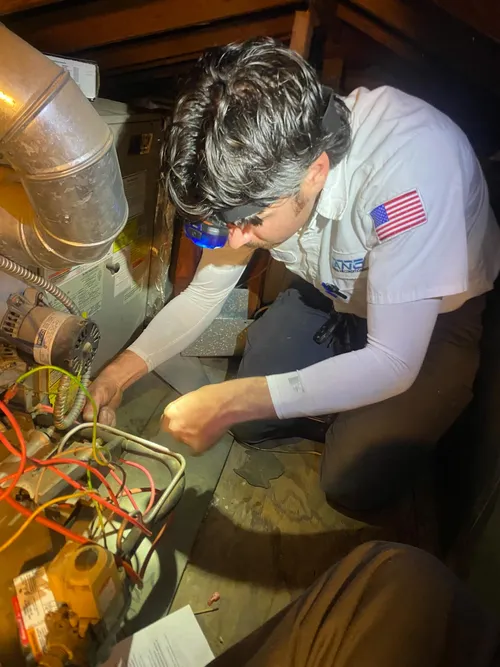
Sano Heating & Air Conditioning is an HVAC company based in Anaheim, CA, providing a range of heating and cooling services. They offer repair and installation for air conditioners, furnaces, heat pumps, mini splits, and perform HVAC tune-ups. The company also specializes in indoor air quality solutions and energy-efficient options like ductless and zoned systems. Serving Anaheim and the surrounding Orange County area, they handle new construction projects and have sheet metal capabilities to support their HVAC services.
Eco Air Solutions- Heating/Air/QuietCool-That Fan Guy
3900 E Miraloma Ave unit d, Anaheim, CA 92806
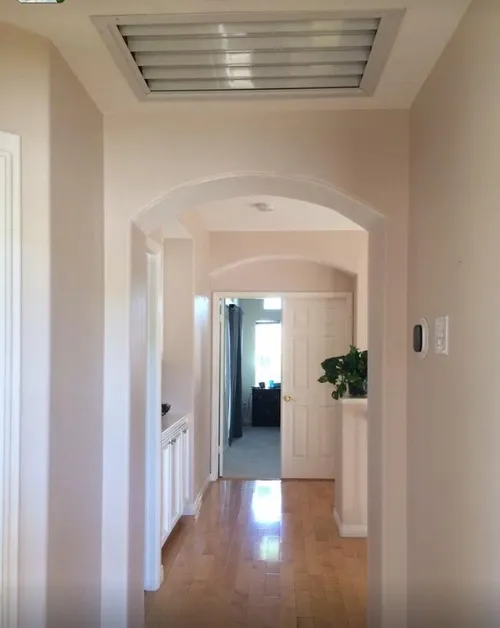
Eco Air Solutions- Heating/Air/QuietCool-That Fan Guy is an HVAC company based in Anaheim, CA, offering services in heating, air conditioning, and indoor air quality. They serve Orange County, the Inland Empire, and South L.A. County, providing installation, repair, and maintenance for furnaces, air conditioners, and whole house fans. The company specializes in QuietCool whole house fans to improve indoor air quality and home comfort.
Dr. Dryer Vent Cleaning & Air Duct Cleaning OC
Irvine, CA
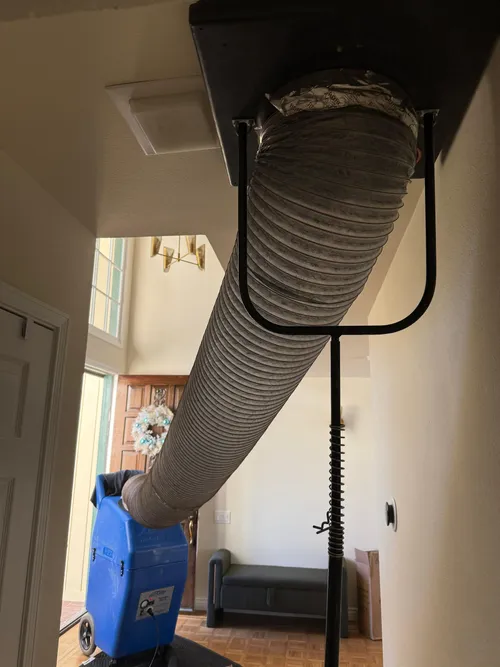
Dr. Dryer Vent Cleaning & Air Duct Cleaning OC is a family-owned company serving Irvine, CA, and the surrounding Orange County and Los Angeles areas. They specialize in air duct cleaning, dryer vent cleaning, and AeroSeal duct sealing services to improve indoor air quality, enhance HVAC efficiency, and reduce fire risks. Established in 2007, the company has over 16 years of experience and uses state-of-the-art equipment to address dust, fungus, and allergens in air ducts. Their technicians provide thorough inspections to ensure safety and cleaner air for homes and businesses.
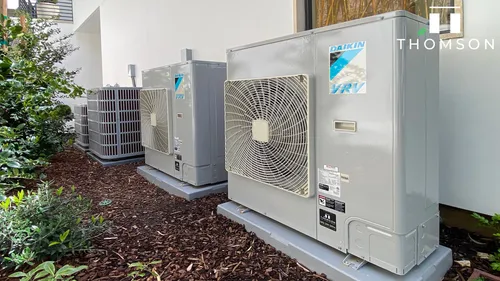
Thomson Air Conditioning & Heating
5731 McFadden Ave A, Huntington Beach, CA 92649
Thomson Air Conditioning & Heating provides HVAC repair, installation, and indoor air quality services in Long Beach, CA. They serve both residential and commercial customers across Southern California, offering solutions for air conditioning, heating, heat pumps, ductless systems, and HVAC tune-ups. Their team includes certified technicians who focus on honest recommendations and reliable workmanship. The company emphasizes transparent service without upselling and guarantees their labor for five years on repairs.
Understanding Alhambra's Indoor Air Quality Challenges
Alhambra's location in the San Gabriel Valley presents unique challenges for maintaining clean indoor air. The primary concern is the infiltration of outdoor fine particulate matter (PM2.5) from regional traffic and other sources, which frequently exceeds EPA standards. This outdoor pollution doesn't stay outside; it seeps into homes and offices, mixing with a host of common indoor-generated pollutants. Understanding these specific threats is the first step toward effective management.
Common Pollutants in Alhambra Homes and Buildings
Residents and business owners in Alhambra should be aware of several key indoor air contaminants:
- Particulate Matter (PM2.5): As mentioned, this is a dominant concern. These microscopic particles can penetrate deep into the lungs and even enter the bloodstream, exacerbating asthma, allergies, and other respiratory and cardiovascular conditions 1.
- Mold and Moisture: Damp environments in kitchens, bathrooms, basements, or areas with poor ventilation are prime locations for mold growth. Mold releases spores and mycotoxins that act as potent allergens and respiratory irritants2.
- Volatile Organic Compounds (VOCs): These are gases emitted from a wide array of household products and materials. Common sources in Alhambra homes include new furniture, paints, varnishes, cleaning supplies, air fresheners, and even personal care products.
- Combustion Pollutants: Gas stoves, fireplaces, water heaters, and furnaces can produce carbon monoxide (CO) and nitrogen dioxide (NO2), especially if they are not properly vented or maintained. These colorless, odorless gases pose serious health risks.
- Legacy Hazards: Asbestos and Lead: Many of Alhambra's charming older properties may contain lead-based paint or asbestos in insulation, floor tiles, or pipe wrap. These materials are generally safe if intact but become hazardous if disturbed during renovations or as they deteriorate over time3.
- Radon: While Los Angeles County is not classified as a high-risk radon zone, this radioactive gas can still enter any home through cracks in the foundation. Radon is the second leading cause of lung cancer, so testing is a prudent safety measure for all homeowners4.
How to Test Your Indoor Air
Before investing in solutions, it's wise to assess the specific conditions in your space. Testing helps identify which pollutants are present and at what levels, guiding targeted remediation efforts.
Do-It-Yourself (DIY) Testing Kits: Homeowners can find relatively inexpensive kits for specific concerns like radon, VOCs, or mold. These typically involve placing a sampler in your home for a set period and then mailing it to a laboratory for analysis. While convenient and cost-effective for initial screening, they may not provide the comprehensive picture or accuracy of a professional assessment 5.
Professional IAQ Assessment: Hiring a certified indoor air quality inspector or environmental consultant is the most reliable method. These professionals use advanced, calibrated equipment to take air and surface samples, measure humidity and ventilation rates, and identify hidden sources of contamination like mold behind walls. They provide a detailed report with lab-verified results and specific remediation recommendations6 7.
Real-Time Air Quality Sensors: An approach gaining popularity in the San Gabriel Valley is the use of consumer-grade sensors, such as PurpleAir monitors. These devices provide real-time data on PM2.5 levels and can help identify indoor hotspots or times of day when outdoor air infiltration is worst, allowing for smarter management of ventilation and filtration.
Strategies and Solutions for Cleaner Air
Improving your home's air involves a combination of source control, ventilation, and air cleaning. The right mix depends on your test results, home layout, and budget.
Source Control: The most effective way to improve IAQ is to prevent pollutants from entering the air in the first place.
- Use low-VOC or VOC-free paints, adhesives, and cleaning products.
- Ensure gas appliances are properly vented and serviced annually.
- Fix water leaks promptly to prevent mold growth.
- Seal foundation cracks to reduce radon entry and pest allergens.
Ventilation: Diluting stale, polluted indoor air with fresh outdoor air is crucial.
- Use exhaust fans in kitchens and bathrooms that vent to the outside.
- Open windows when outdoor air quality is good (check local air quality indexes).
- Consider installing an Energy Recovery Ventilator (ERV) or Heat Recovery Ventilator (HRV) to bring in fresh air without losing heating or cooling efficiency.
Air Cleaning and Filtration: When source control and ventilation aren't enough, filtration devices can remove particles and gases from the air.
- HVAC Filter Upgrades: The simplest step is upgrading the filter in your central heating and cooling system to a MERV-13 rating or higher, which can effectively capture fine particles like PM2.5.
- Portable Air Purifiers: Standalone HEPA air purifiers are highly effective at removing particulate matter, dust, and allergens from a single room. Look for units with a CADR rating appropriate for your room size.
- Whole-House Air Cleaners: These systems integrate directly with your HVAC ductwork to clean the air throughout your entire home.
Find the perfect indoor air quality service providers for your needs
Get personalized recommendations and expert advice
Addressing Specific Contaminants: Costs and Considerations
The cost for indoor air quality improvements in Alhambra varies significantly based on the pollutant and the scope of work required. Here's a breakdown of common remediation projects:
- Air Purifiers and Filters: Commercial HEPA purifiers range from $100 to $500+ per unit, while high-quality HVAC filters (MERV-13+) typically cost between $15 and $50 each8.
- Duct Cleaning: Professional cleaning of your home's HVAC ductwork to remove accumulated dust, mold, and debris generally costs between $450 and $1,000 or more, depending on the size of the system9.
- Mold Remediation: Professional mold cleanup, which includes containment, removal, and ensuring the moisture source is fixed, is a more significant investment, typically ranging from $1,200 to $3,800.
- Radon Mitigation: Installing a sub-slab depressurization system or other ventilation method to divert radon gas from under your home usually costs between $800 and $1,30010.
- Asbestos Abatement: The professional removal of asbestos-containing materials is a highly regulated process due to the health risks, with costs commonly between $1,200 and $3,30011.
Local Resources and Regulations
Alhambra residents have access to valuable information from state and county health agencies. The California Air Resources Board (CARB) provides extensive resources on indoor air pollutants and health-based guidelines12. The Los Angeles County Department of Public Health offers guidance on everything from mold and asbestos to general indoor air quality safety13. Consulting these resources can help you understand your rights and make informed decisions when hiring local IAQ professionals.
Creating a healthy indoor environment is an ongoing process. By staying informed about local air quality issues, testing your space when concerns arise, and implementing a layered strategy of source control, ventilation, and filtration, you can significantly improve the air you breathe every day in Alhambra.
Frequently asked questions
Sources
Footnotes
-
CARB Technical Report draft.docx - https://apifm.org/wp-content/uploads/2025/05/PM-Air-Quality-in-the-SGV-Evaluating-PM2.5-Hotspots-and-Indoor-Air-Filters-using-PAir-Sensors-25.pdf ↩
-
Indoor Air Quality in Your Home | California Childcare Health Program - https://cchp.ucsf.edu/resources/fact-sheets-families/indoor-air-quality-your-home ↩
-
Indoor Air Quality Solutions in Alhambra, CA - https://www.powerproplumbing.com/indoor-air-quality/indoor-air-quality-solutions-alhambra-ca ↩
-
Indoor Air Quality | US EPA - https://www.epa.gov/report-environment/indoor-air-quality ↩
-
Top 5 Methods for Testing Indoor Air Quality in Your Home - https://www.ubreathe.in/post/top-5-methods-for-testing-indoor-air-quality-in-your-home ↩
-
How Much Does Professional Home Indoor Air Quality Testing Cost? - https://www.airpf.com/how-much-does-a-home-indoor-air-quality-testing-cost/ ↩
-
Why Indoor Air Quality Testing is Essential for a Healthier Home - Discover the Benefits Today - https://filterbuy.com/resources/how-to-guides-and-hvac-maintenance/indoor-air-quality-testing/ ↩
-
Particulate Matter Air Quality in the San Gabriel Valley ... - APIFM - https://apifm.org/wp-content/uploads/2025/05/PM-Air-Quality-in-the-SGV-Evaluating-PM2.5-Hotspots-and-Indoor-Air-Filters-using-PAir-Sensors-25.pdf ↩
-
Indoor Air Quality & Exposure - California Air Resources Board - https://ww2.arb.ca.gov/our-work/topics/indoor-air-quality-exposure ↩
-
How Much Does Indoor Air Quality Testing Cost? [2026 Data] - https://www.angi.com/articles/how-much-does-indoor-air-quality-testing-cost.htm ↩
-
Indoor Air Quality - County of Los Angeles Public Health - http://www.publichealth.lacounty.gov/Eh/safety/indoor-air-quality.htm ↩
-
Indoor Air - California Air Resources Board - CA.gov - https://ww2.arb.ca.gov/our-work/programs/indoor-air ↩
-
Indoor Air Quality - County of Los Angeles Public Health - http://www.publichealth.lacounty.gov/Eh/safety/indoor-air-quality.htm ↩