Find the Best Indoor Air Quality Service Providers for Your Business
No obligation • Fast responses • Nationwide coverage

Why you can trust HVAC Firms
HVAC Firms is a leading United States resource for evaluating HVAC service providers. Our team researches companies, checks credentials, and reviews customer feedback to present clear, unbiased information. Listings and rankings are based on merit, and companies cannot pay to change our editorial content.
Search providers near you
Top Indoor Air Quality Service Providers in Alameda, California Ranked
The air you breathe inside your Alameda home directly impacts your health, comfort, and well-being. Indoor air quality (IAQ) services focus on identifying and mitigating pollutants-from wildfire smoke and mold to chemical vapors and combustion gases-to create a safer, cleaner living environment. Given Alameda's unique climate and urban setting, proactive management of your home's atmosphere is essential. This guide will help you understand the local risks, testing options, and improvement strategies available from qualified professionals in the area.

Elite Comfort Systems
570 Valdry Ct C3, Brentwood, CA 94513
Elite Comfort Systems is a family-owned HVAC company serving Oakland, CA, and the surrounding East Bay area. They provide heating and air conditioning repair and installation services, including heat pump installation and indoor air quality solutions. The company has been serving the community since 2008 and offers 24/7 emergency service to ensure homes remain comfortable year-round. Their technicians focus on quality workmanship and maintain a clean work environment during service visits.
QC Guys - Whole House Fan Experts
1258 Quarry Ln suite e, Pleasanton, CA 94566
QC Guys - Whole House Fan Experts provides indoor air quality and ventilation solutions in Fremont, CA. They specialize in installing whole house fans and attic fans designed to improve home cooling, ventilation, and energy efficiency. Their systems help reduce reliance on air conditioning by pulling in fresh outdoor air and expelling hot, stale air, which can also improve indoor air quality by removing odors, pet dander, and other airborne particles. The company offers multiple fan packages tailored to different needs, including zoned systems for targeted cooling. They are a Platinum QuietCool dealer with over 10,000 customers served.
Lowe's Air Duct Cleaning
1046 W Taylor St #208b, San Jose, CA 95126
Lowe's Air Duct Cleaning provides air duct and dryer vent cleaning services in San Jose, CA. The company focuses on improving indoor air quality by removing dust, pet dander, and allergens from home duct systems. They use professional cleaning tools and offer before-and-after photos to demonstrate their work. Their dryer vent cleaning service helps reduce the risk of dryer fires by clearing lint buildup. Lowe's Air Duct Cleaning does not use subcontractors and employs trained staff to ensure thorough cleaning.
Vent Wise - Air Duct Cleaning Services
San Jose, CA
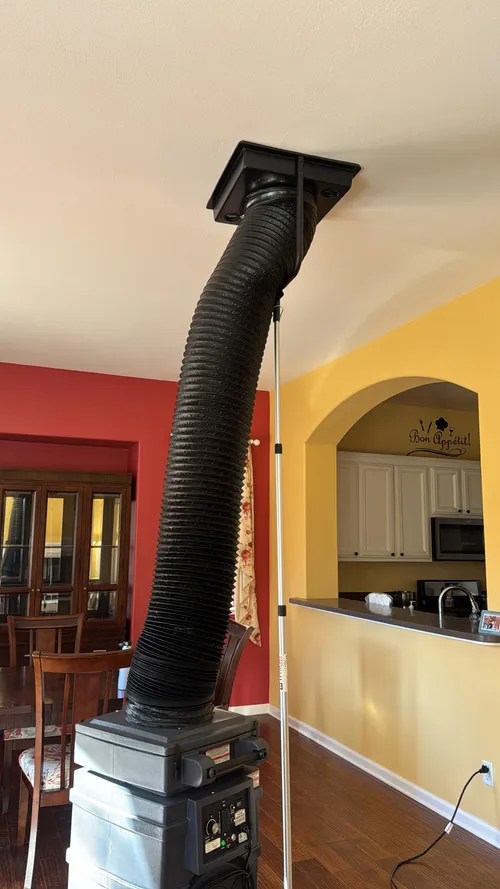
Vent Wise - Air Duct Cleaning Services provides air duct cleaning and indoor air quality services in San Jose, CA. They use advanced equipment to remove dust, debris, and allergens, aiming to improve HVAC efficiency and home comfort. Their skilled technicians focus on delivering cleaner, fresher air for residential and commercial properties.
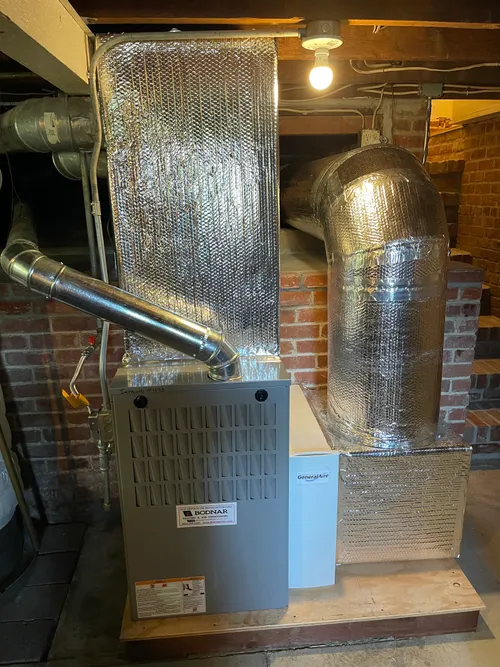
Bodnar Heating & Air Conditioning, Inc.
1251 Fifth Ave, Redwood City, CA 94063
Bodnar Heating & Air Conditioning, Inc. provides residential heating and cooling repair, installation, and maintenance services in Fremont, CA. They specialize in air conditioning, furnace, and heat pump systems, including thermostat installation and indoor air quality improvements. The company emphasizes honest recommendations without commission-based incentives and offers expertise backed by three generations of residential HVAC knowledge. Their services cover a broad area including Redwood City and nearby communities. Bodnar Heating & Air Conditioning, Inc. is committed to thorough system maintenance and proper installation to ensure long-lasting performance and energy efficiency.
Why Indoor Air Quality is a Critical Concern in Alameda
Alameda residents face a distinct set of challenges when it comes to maintaining clean indoor air. The city's location in the San Francisco Bay Area makes it susceptible to regional issues like seasonal wildfire smoke, while its housing stock and climate contribute to persistent local problems. The combination of these factors means that ignoring your home's air can lead to increased allergy symptoms, respiratory issues, and long-term health risks, especially for children, the elderly, and those with asthma or other pre-existing conditions.
Common pollutants in Alameda homes include:
- Fine Particulate Matter (PM2.5): Primarily from wildfire smoke that can seep indoors, creating hazardous conditions that necessitate staying inside with proper filtration 1.
- Mold and Mildew: Alameda's Mediterranean climate, coupled with older homes that may have moisture issues, creates ideal conditions for mold growth in attics, basements, and crawlspaces.
- Combustion Pollutants: Nitrogen dioxide (NO2) and carbon monoxide (CO) from gas stoves, furnaces, and water heaters are common in homes without proper ventilation.
- Volatile Organic Compounds (VOCs): These are emitted as gases from products like paints, cleaning supplies, building materials, and new furniture 2 3.
- Legacy Hazards: Older homes may also contain asbestos in building materials or be at risk for radon gas accumulation, both of which require specialized testing 4.
Professional Air Quality Testing and Assessment
To effectively address air quality issues, you first need to know what you're dealing with. Professional indoor air testing provides a scientific analysis of your home's specific contaminant profile.
What a Professional Inspection Involves
A comprehensive assessment typically includes an on-site evaluation of your HVAC system, visual inspection for moisture and mold, and air sampling. Technicians may use equipment to map humidity levels and take samples that are sent to an independent laboratory for analysis. This process can identify specific types of mold spores, concentrations of VOCs, levels of particulate matter, and the presence of gases like radon or carbon monoxide 5. Some local organizations, such as Breathe California, even offer specialized assessments focused on identifying asthma triggers for sensitive individuals 6.
Understanding Testing Costs
Investment in professional testing provides a clear roadmap for improvements. In the Alameda area, a comprehensive air quality and mold inspection for a home under 1,000 square feet, including two air samples, often costs around $300 7 8. More targeted inspections or additional samples will affect the price, with individual air samples typically priced at about $100 each 8. It's important to view this not just as a cost, but as a diagnostic tool that prevents unnecessary spending on the wrong solutions.
DIY Monitoring and Initial Steps
While professional testing is best for a definitive diagnosis, several proactive steps and tools can help you monitor your environment.
Consumer Air Quality Monitors: Devices like PurpleAir are widely used in the Bay Area for real-time tracking of PM2.5, especially crucial during wildfire season. Other monitors, such as those from Airthings, can track a broader range of factors including CO2, VOC levels, radon, and humidity, giving you a continuous picture of your indoor climate 9.
Immediate Source Control: You can make a significant impact by controlling pollution sources:
- Minimize VOCs: Choose low-VOC paints and cleaning products, and increase ventilation when using any products that emit fumes.
- Manage Combustion: Ensure gas appliances are properly vented and serviced. Consider alternatives like induction cooktops to eliminate stove-top pollutants 10 11.
- Control Moisture: Use exhaust fans in bathrooms and kitchens, fix leaks promptly, and use a dehumidifier if needed to keep indoor humidity below 50% to inhibit mold growth 12.
Find the perfect indoor air quality service providers for your needs
Get personalized recommendations and expert advice
Effective Solutions for Cleaner Indoor Air
Once you understand your home's specific issues, a range of solutions are available, from simple upgrades to whole-system interventions.
Advanced Filtration and Purification
For particulate matter from wildfires and other sources, filtration is key.
- HVAC Filter Upgrades: The simplest upgrade is installing a high-efficiency filter (MERV 13 or higher) in your forced-air heating and cooling system, provided your system can handle the increased airflow resistance 13.
- Portable Air Cleaners: Standalone HEPA air purifiers are highly effective for single rooms. Look for models with a high Clean Air Delivery Rate (CADR) appropriate for your room size.
- Whole-House Air Purification Systems: For a comprehensive solution, systems like IQ Air can be integrated directly into your existing HVAC ductwork, providing purified air throughout the entire home 14.
Ventilation and Duct Care
Proper ventilation dilutes indoor pollutants, while clean ducts ensure they aren't recirculated.
- Balanced Ventilation: Energy Recovery Ventilators (ERVs) or Heat Recovery Ventilators (HRVs) bring in fresh, filtered outdoor air while exhausting stale indoor air, conserving energy in the process.
- Duct Inspection and Cleaning: Over time, ducts can accumulate dust, mold, and debris. Specialized local services offer duct cleaning and repair to ensure your HVAC system is distributing clean air 15. The Bay Area Air Quality Management District (BAAQMD) also runs programs that may provide air filtration resources to eligible residents 16.
Specialized Remediation
For identified hazards like mold or asbestos, specialized remediation is non-negotiable.
- Mold Remediation: This involves not just cleaning visible mold, but identifying and correcting the moisture source, containing the area, removing contaminated materials, and cleaning the air with HEPA filtration.
- Asbestos and Radon Mitigation: These require certified professionals. Asbestos abatement involves safe containment and removal, while radon mitigation typically involves installing a sub-slab depressurization system to vent the gas safely outside.
Creating a Healthy Home Environment Long-Term
Maintaining good indoor air is an ongoing process. Combine technology with smart habits:
- Ventilate: Open windows when outdoor air quality is good (check resources like the EPA's AirNow.gov).
- Filter: Run your HVAC fan or air purifiers regularly, and change filters as recommended.
- Clean: Use a vacuum with a HEPA filter and damp-dust to reduce settled particulates.
- Maintain: Schedule regular HVAC maintenance to ensure systems are operating efficiently and safely.
By taking a layered approach-starting with source control, adding ventilation and filtration, and addressing major issues professionally-you can significantly improve the health and comfort of your Alameda home.
Frequently asked questions
Sources
Footnotes
-
Wood Smoke Pollution - BAAQMD - https://www.baaqmd.gov/rules-and-compliance/wood-smoke ↩
-
Indoor Air Quality Testing Oakland CA - AirMD - https://airmd.com/areas-served/california/oakland/indoor-air-quality-testing/ ↩
-
Indoor Air Quality | Los Angeles County Department of Public Health - http://www.publichealth.lacounty.gov/Eh/safety/indoor-air-quality.htm ↩
-
Environmental Testing Services in SoCal | Air Quality Testing - https://www.vertenviro.com/airquality-testing ↩
-
Indoor Air Quality Testing Services - Titan Environmental Solutions - https://www.titan-enviro.com/indoor-air-quality-testing/ ↩
-
Free Indoor Air Assessments - Breathe California - https://lungsrus.org/free-indoor-air-assessments/ ↩
-
Certified Air Quality Testing, Environmental and Mold ... - https://airqualitytesters.com/ ↩
-
Air Quality Testers | Alameda, CA - Thumbtack - https://www.thumbtack.com/ca/alameda/mold-remediation/air-quality-testers/service/537480823940440072 ↩ ↩2
-
How to test indoor air quality in your home - Airthings - https://www.airthings.com/resources/how-to-test-air-quality-in-your-home ↩
-
Combustion Pollutants & Indoor Air Quality - https://ww2.arb.ca.gov/resources/documents/combustion-pollutants-indoor-air-quality ↩
-
Air Quality - Alameda County Public Health Department - https://acphd.org/air-quality/ ↩
-
Mold Inspection & Testing Alameda County Vicinity - https://www.titan-enviro.com/mold-testing-alameda-ca/ ↩
-
Investigation of HVAC operation strategies for office buildings during COVID-19 pandemic - https://www.sciencedirect.com/science/article/abs/pii/S0360132321009148 ↩
-
East Bay Air Purifiers | Hassler Heating and Air Conditioning - https://www.hasslerheating.com/indoor-air-quality/air-purifiers/ ↩
-
Breathable - https://www.google.com/viewer/place?mid=/g/11x9znxrf ↩
-
Home Air Filtration Program and Projects - BAAQMD - https://www.baaqmd.gov/about-air-quality/wildfire-air-quality-response-program/clean-air-filtration-program/home-air-filtration-program-and-projects ↩