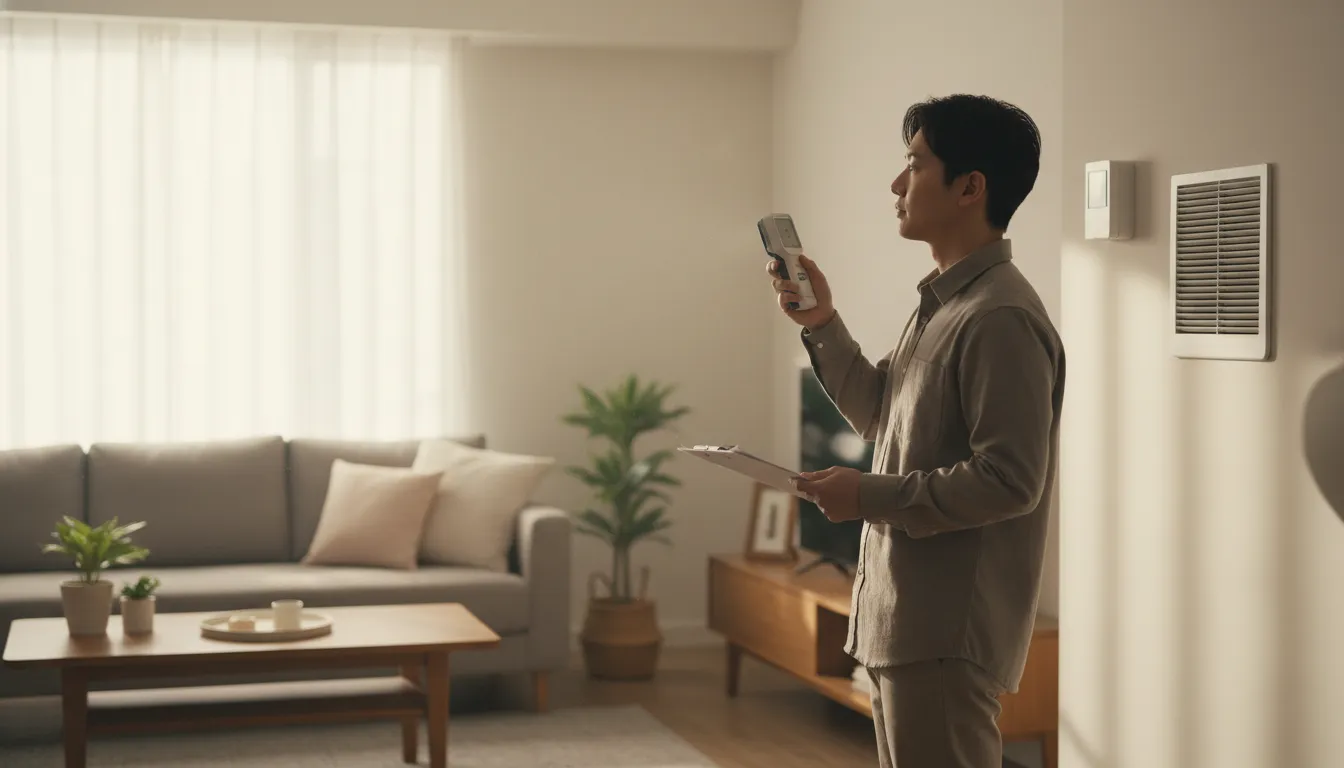
Find the Best Indoor Air Quality Service Providers for Your Business
No obligation • Fast responses • Nationwide coverage

Why you can trust HVAC Firms
HVAC Firms is a leading United States resource for evaluating HVAC service providers. Our team researches companies, checks credentials, and reviews customer feedback to present clear, unbiased information. Listings and rankings are based on merit, and companies cannot pay to change our editorial content.
Search providers near you
Top Indoor Air Quality Service Providers in Phoenix, Arizona Ranked
Breathing clean air inside your home or office is essential for health and comfort, especially in a unique environment like Phoenix. Indoor air quality (IAQ) refers to the condition of the air within and around buildings, directly impacting the well-being of occupants. In the Valley of the Sun, a combination of intense outdoor pollution and specific indoor sources can create significant air quality challenges. This guide will help you understand the common pollutants, testing options, and improvement strategies available to Phoenix residents, empowering you to find the right local expertise to create a healthier indoor environment.
Mountain Peak Air
Mesa, AZ
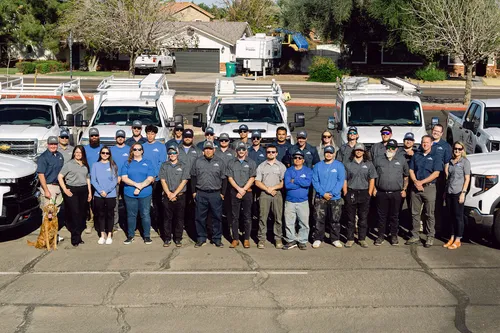
Mountain Peak Air is a family-owned HVAC company based in Mesa, AZ, specializing in air conditioning repair, installation, heating, and indoor air quality services. They focus on maintaining and improving home comfort by offering AC repairs, system installations, and advanced air purification using NASA technology. The company provides tailored solutions suited to the desert climate of Mesa, ensuring both cooling efficiency and clean air for residents. Mountain Peak Air emphasizes repairing before replacing systems and offers maintenance plans to keep units in optimal condition.

Everest Air LLC
1455 E University Dr, Mesa, AZ 85203
Everest Air LLC is a licensed and insured HVAC company serving Mesa, AZ, specializing in air conditioning and heating services for residential and commercial clients. They offer a full range of services including installation, repair, maintenance, and replacement of air conditioning and heating systems. Everest Air works with leading manufacturers like Carrier, Trane, Rheem, and American Standard to ensure quality equipment and precise installation. The company also provides indoor air quality services to help maintain healthier environments. With a team of certified technicians, Everest Air is committed to meeting local codes and delivering reliable HVAC solutions in Mesa and nearby areas.
Cave Creek Cooling Company
Scottsdale, AZ
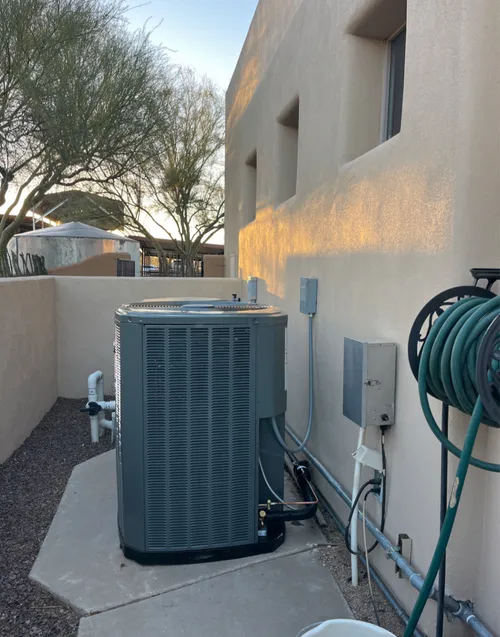
Cave Creek Cooling Company provides heating, cooling, and indoor air quality services in Scottsdale, AZ, and surrounding Northern Phoenix communities. They offer HVAC tune-ups, furnace and air conditioner repairs, and maintenance to help systems run efficiently and reliably, especially during extreme seasonal conditions. The company serves a wide area including Cave Creek, Carefree, New River, Anthem, and more.
Island Breeze Air Conditioning & Heating LLC
809 E Fairmount Ave, Phoenix, AZ 85014
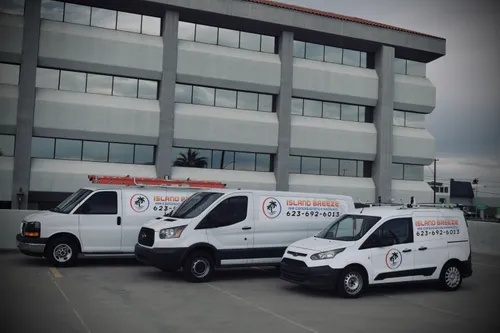
Island Breeze Air Conditioning & Heating LLC is a firefighter-owned HVAC company serving Phoenix, AZ, and surrounding areas including Gilbert, Mesa, Peoria, and Surprise. They provide residential and light commercial services such as air conditioning, furnace, heat pump, and ductless HVAC installation, repair, and maintenance. Their NATE-certified technicians focus on energy-efficient solutions and indoor air quality improvements. The company emphasizes integrity, accountability, and continuous improvement in their work. Island Breeze also offers after-hours service to address urgent HVAC needs.

AZ Home Services Group AC Repair & Plumbing Services of Fountain Hills
16930 E Palisades Blvd #100, Fountain Hills, AZ 85268
AZ Home Services Group AC Repair & Plumbing Services of Fountain Hills provides HVAC and plumbing services in Scottsdale, AZ. They offer air conditioning repair, HVAC installation, mini-split installation, thermostat installation, indoor air quality solutions, and plumbing repairs. The company handles emergency HVAC and plumbing services, including 24/7 availability. Their capabilities include ductless mini-split installation, hydro-jetting for drains, and whole-home air purification system installations. Licensed and certified, they serve residential and light commercial customers in the area.
Why Phoenix Homes Face Unique Air Quality Challenges
Phoenix's climate and geography create a perfect storm for indoor air pollution. The extreme heat necessitates tightly sealed buildings to keep cool air in, but this also traps pollutants indoors with limited fresh air exchange. High outdoor pollution levels, including desert dust, ozone, and seasonal wildfire smoke, constantly threaten to infiltrate your living space. Furthermore, the arid environment doesn't eliminate moisture problems; monsoon humidity and specific appliances can create pockets ideal for mold growth. Understanding these local factors is the first step toward effective management of your home's atmosphere.
Common Indoor Pollutants in the Valley
The air inside a Phoenix home can contain a mix of particulates, gases, and biological contaminants.
- Particulate Matter (PM): Fine dust from haboobs (dust storms), construction sites, and diesel emissions is a major concern 1. These tiny particles can penetrate deep into the lungs, aggravating asthma, allergies, and other respiratory conditions.
- Ozone: Phoenix frequently experiences some of the highest ground-level ozone levels in the nation, which forms in intense heat and sunlight 2. This gas can seep indoors, causing throat irritation, coughing, and chest pain.
- Allergens: Pollen levels can spike seasonally, and when combined with prevalent pet dander and dust mites, create a persistent problem for allergy sufferers. These allergens accumulate in carpets, upholstery, and bedding.
- Mold and Moisture: While the climate is dry, the summer monsoon season introduces humidity. Poor ventilation in bathrooms, kitchens, or from improperly maintained evaporative coolers (swamp coolers) can lead to mold growth.
- Volatile Organic Compounds (VOCs): These are gases emitted from a wide array of household products, including paints, cleaning supplies, new furniture, and even office equipment like printers 3. Off-gassing can contribute to headaches and long-term health issues.
- Carbon Monoxide & Radon: These are silent, odorless killers. Carbon monoxide can leak from faulty fuel-burning appliances, while radon gas can seep from the ground into basements and crawl spaces 4. Both require specific detection methods.
- Legacy Hazards: Older buildings constructed before the 1980s may contain asbestos in insulation or lead-based paint. These materials are hazardous if disturbed during renovations or repairs 5.
Find the perfect indoor air quality service providers for your needs
Get personalized recommendations and expert advice
Professional Indoor Air Quality Testing and Assessment
Because many harmful pollutants are invisible and odorless, professional testing is often recommended to accurately diagnose problems 6. A certified inspector can provide a clear picture of what you're breathing.
What Does Professional Testing Involve?
A comprehensive indoor air quality evaluation goes beyond a simple sniff test. Professionals use advanced tools to collect data and samples.
- On-Site Assessment: Inspectors use real-time monitors to measure levels of carbon monoxide, humidity, temperature, and particulate matter. They also perform a visual inspection for mold, moisture, and ventilation issues.
- Air and Surface Sampling: For contaminants like mold spores, specific VOCs, or asbestos fibers, air pumps and surface swabs are used to collect samples. These samples are then sent to an accredited laboratory for detailed analysis 7.
- Targeted vs. Comprehensive Analysis: Testing can be tailored. You might request a basic assessment for common allergens and CO2, or a targeted test for a specific concern like radon or formaldehyde 8.
Understanding Testing Costs
The cost of professional IAQ testing in Phoenix varies based on the size of your home, the number of samples taken, and the specific pollutants being analyzed 9.
- Average Professional IAQ Test: Most homeowners pay between $292 and $584 for a standard assessment that covers multiple parameters.
- Specific Pollutant Testing: Targeted tests have their own price ranges:
Solutions for Cleaner Indoor Air in Your Home
Once testing identifies the issues, a range of solutions can be implemented to improve your home's air.
Source Control and Remediation
The most effective strategy is to remove or seal the source of the pollution.
- Mold Remediation: Professional mold removal averages $1,200 to $3,800 in Phoenix, depending on the extent of the infestation.
- Radon Mitigation: Installing a radon mitigation system typically costs $700 to $1,300 and involves venting the gas from beneath your home to the outside.
- Asbestos Abatement: Safe removal of asbestos-containing materials is a job for licensed professionals and averages $1,190 to $3,260 12.
Ventilation and Filtration Improvements
Increasing fresh air and filtering recirculated air are cornerstone strategies for better IAQ.
- HVAC Maintenance: Your heating and cooling system is the lungs of your home. Scheduling professional maintenance at least once a year ensures it is not circulating dust and allergens 13. Regularly changing filters is critical; upgrading to a high-efficiency MERV 13 filter can significantly reduce particulate matter 14.
- Air Purification Systems: For whole-home protection, consider integrating an air purifier into your HVAC system. Portable HEPA air purifiers are also effective for single rooms. These systems are particularly helpful for managing allergens, smoke, and fine dust.
- Controlled Ventilation: Using bathroom and kitchen exhaust fans, and considering an Energy Recovery Ventilator (ERV) or Heat Recovery Ventilator (HRV), can introduce fresh air without sacrificing energy efficiency, helping to dilute indoor pollutants 15.
Practical Daily Habits
You can take immediate, low-cost steps to improve your home's air.
- Control Humidity: Use dehumidifiers during the monsoon season and ensure evaporative coolers are properly maintained to prevent mold growth.
- Go Natural with Cleaning: Opt for cleaning products with low VOCs, or use simple solutions like vinegar and baking soda.
- Remove Shoes: Implement a no-shoes policy indoors to prevent tracking in dust, pesticides, and other pollutants.
- Vacuum Regularly: Use a vacuum cleaner with a HEPA filter to effectively capture dust mites and pet dander from carpets and furniture.
A good first step is always to address obvious sources and improve ventilation. If problems persist, professional testing can confirm the issue and guide targeted remediation efforts. You can find qualified local professionals through reputable state resources and consumer platforms 16 17.
Frequently asked questions
Sources
Footnotes
-
Air Quality in Phoenix: What It Means for Your Home - Zerorez - https://www.zerorez.com/phoenix/blog/air-quality-in-phoenix ↩
-
How Polluted Is The Air In Phoenix? Effects On Indoor Air Quality - https://www.penguinair.com/blog/how-polluted-is-the-air-in-phoenix/ ↩
-
Enhance Indoor Air Quality in Phoenix, AZ - https://aztrademasters.com/iaq ↩
-
Indoor Air Quality in Phoenix, AZ | Bucksworth Home Services - https://getyourbucksworth.com/phoenix/hvac-services/indoor-air-quality/ ↩
-
The Types of Asbestos and Safe Abatement Solutions - https://www.qualityaireaz.com/blog/2025/october/understanding-the-different-types-of-mold-and-ho/ ↩
-
Phoenix Indoor Air Quality Testing - https://npiweb.com/slanderson/services/indoor-air-testing/ ↩
-
Indoor Air Quality Testing / Industrial Hygiene Services - Safex - https://www.safex.us/our-services/indoor-air-quality/ ↩
-
Arizona Indoor Air Quality & Environmental Testing | Mesa, AZ - https://www.aziaqtesting.com/indoor-air-quality-testing ↩
-
How Much Does An Indoor Air Quality Test Cost? - https://www.cleanairsciences.com/indoor-air-quality-cost/ ↩
-
How Much Does Professional Home Indoor Air Quality Testing Cost? - https://www.airpf.com/how-much-does-a-home-indoor-air-quality-testing-cost/ ↩
-
How Much Does Indoor Air Quality Testing Cost? [2026 Data] - https://www.angi.com/articles/how-much-does-indoor-air-quality-testing-cost.htm ↩
-
How Much Does Indoor Air Quality Testing Cost? [2025 Data] - https://www.homeadvisor.com/cost/environmental-safety/test-indoor-air-quality/ ↩
-
Improving Indoor Air Quality in Phoenix, Arizona - https://www.alienairconditioning.com/improve-iaq-by-taking-a-whole-house-approach/ ↩
-
Ways To Reduce Home Allergens in Arizona: Expert Tips for Better ... - https://teamairzona.com/blog/ways-to-reduce-home-allergens-in-arizona-expert-tips-for-better-indoor-air-quality/ ↩
-
5 Ways to Improve Indoor Air Quality in Phoenix - https://www.alaskanac.com/phoenix-az/indoor-air-quality/improve-in-phoenix/ ↩
-
Arizona Indoor Air Quality | Emergency Air Heating and Cooling - https://www.emergencyair.com/arizona-indoor-air-quality/ ↩
-
Top 6 Tips for Improving Indoor Air Quality in Phoenix Homes - https://larsonairaz.com/articles/improving-indoor-air-quality-tips/ ↩