Find the Best Indoor Air Quality Service Providers for Your Business
No obligation • Fast responses • Nationwide coverage

Why you can trust HVAC Firms
HVAC Firms is a leading United States resource for evaluating HVAC service providers. Our team researches companies, checks credentials, and reviews customer feedback to present clear, unbiased information. Listings and rankings are based on merit, and companies cannot pay to change our editorial content.
Search providers near you
Top Indoor Air Quality Service Providers in Maricopa, Arizona Ranked
The air you breathe inside your home or business in Maricopa has a direct impact on your health, comfort, and productivity. Indoor air quality, or IAQ, refers to the condition of the air within and around buildings, particularly as it relates to the health of the occupants. In our desert climate, unique challenges like pervasive dust, high ozone levels, and tightly sealed buildings make managing indoor air a critical concern. This guide will help you understand the specific pollutants affecting Maricopa, how to identify problems, and the professional solutions available to create a cleaner, healthier indoor environment.
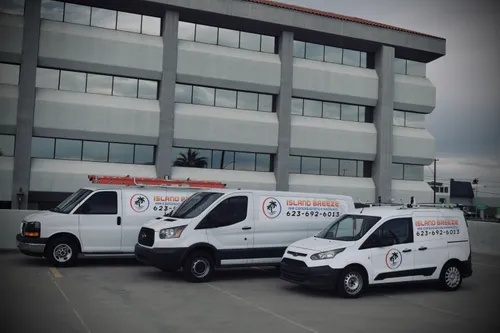
Island Breeze Air Conditioning & Heating LLC
809 E Fairmount Ave, Phoenix, AZ 85014
Island Breeze Air Conditioning & Heating LLC is a firefighter-owned HVAC company serving Phoenix, AZ, and surrounding areas including Gilbert, Mesa, Peoria, and Surprise. They provide residential and light commercial services such as air conditioning, furnace, heat pump, and ductless HVAC installation, repair, and maintenance. Their NATE-certified technicians focus on energy-efficient solutions and indoor air quality improvements. The company emphasizes integrity, accountability, and continuous improvement in their work. Island Breeze also offers after-hours service to address urgent HVAC needs.
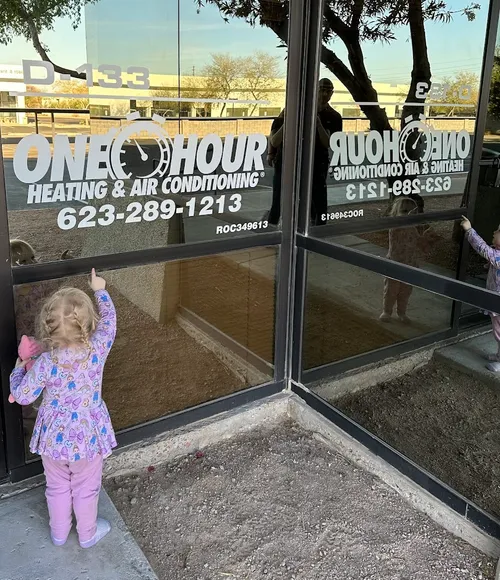
One Hour Heating & Air Conditioning
9831 S 51st St Suite D133, Phoenix, AZ 85044
One Hour Heating & Air Conditioning provides comprehensive HVAC services in Phoenix, AZ, including air conditioning, heating, heat pump, and mini split installation and repair. They also offer duct cleaning, thermostat installation, indoor air quality services, and HVAC tune-ups. Known for their punctuality and customer-focused approach, they serve the Phoenix metropolitan area and the West Valley with a range of capabilities such as emergency HVAC repairs and duct inspections. The company guarantees satisfaction with every job and offers 24/7 emergency service to address unexpected HVAC issues promptly.
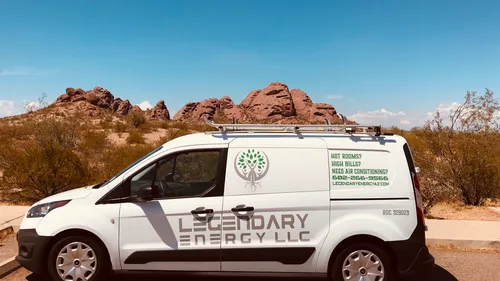
Legendary Energy
7600 N 15th St Suite 150, Phoenix, AZ 85020
Legendary Energy is a family-owned HVAC company serving residential and commercial customers in Phoenix, AZ. They provide a range of services including AC repair, installation, HVAC tune-ups, duct cleaning, and indoor air quality improvements. The company specializes in professional installation and maintenance of air conditioning systems, as well as ductwork services to enhance airflow and energy efficiency. Founded by Victor Ramirez, Legendary Energy has over 7 years of experience in the HVAC industry and works with all major brands. They offer warranties on their services and focus on transparent pricing and customer satisfaction.
HilCo Air Conditioning & Heating
11780 N 91st Ave Suite 1, Peoria, AZ 85345
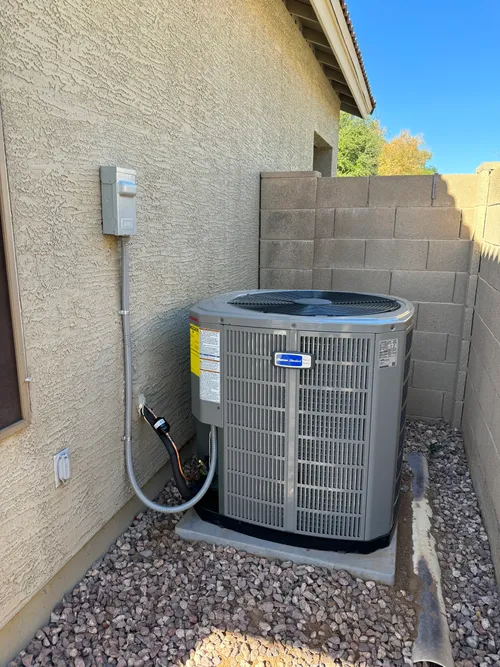
HilCo Air Conditioning & Heating is a family-owned HVAC company serving Glendale, AZ, and the wider valley area. Established in 1989, HilCo provides a range of services including air conditioning and furnace repair, installation, and precision tune-ups for both residential and commercial clients. The company also offers indoor air quality solutions featuring advanced air purifying technology that can improve home air cleanliness by up to 99%. HilCo's team consists of factory-trained, licensed, bonded, and insured technicians who stay updated with the latest diagnostic methods to ensure HVAC systems are safe and functioning properly.
Arizaz Heating and Cooling
Mesa, AZ
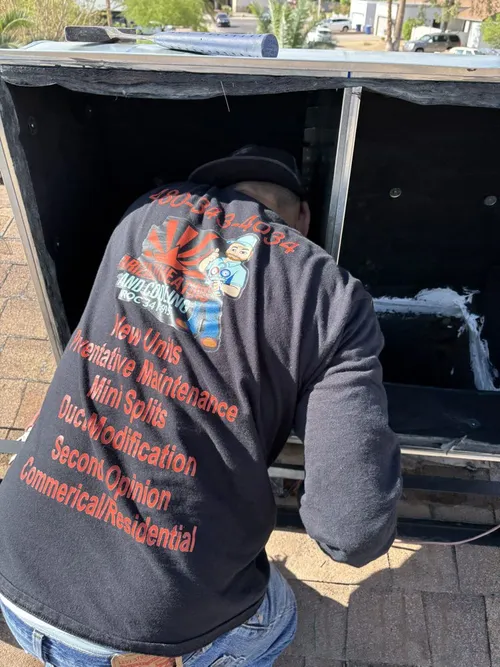
Arizaz Heating and Cooling is an HVAC company based in Mesa, AZ, offering a wide range of heating and cooling services. Their offerings include AC repair and installation, furnace repair, ductless mini-split installation, HVAC tune-ups, and indoor air quality solutions. The company serves customers throughout Maricopa and Pinal Counties and provides energy-efficient upgrades along with multi-point inspections. Founded by Robert Gracia, Arizaz Heating and Cooling is a BBB-accredited business known for its community involvement and 24/7 availability for emergency HVAC services.
Understanding Maricopa's Unique Air Quality Challenges
Living in the Sonoran Desert presents distinct indoor air quality issues. The arid climate, combined with urban activity, creates a mix of pollutants that can easily find their way indoors. The primary goal of any IAQ strategy here is not just to filter the air, but to manage the specific contaminants prevalent in our region.
Common Pollutants in Maricopa Homes and Businesses
Particulate Matter (Dust and Soot): The dry, windy conditions frequently lead to dust storms and kick up construction-related dust, known as PM10. Additionally, fine particles (PM2.5) from vehicle emissions and occasional wood-burning can penetrate deep into the lungs, exacerbating asthma and other respiratory conditions 1.
Ground-Level Ozone: Maricopa's intense heat and sunlight trigger a chemical reaction between pollutants from cars, industry, and solvents, forming high levels of ground-level ozone, especially on hot afternoons 2. While primarily an outdoor concern, this ozone can infiltrate indoor spaces through ventilation systems and open doors.
Mold and Allergens: Contrary to the dry stereotype, moisture from plumbing leaks, evaporative coolers, or poor ventilation can lead to mold growth, a significant indoor air problem. Desert plants also produce pollen that can affect allergy sufferers year-round.
Volatile Organic Compounds (VOCs): Modern, energy-efficient homes are often sealed tightly to conserve energy. This can trap VOCs released from common household sources like paints, cleaning supplies, new furniture, and building materials, allowing them to accumulate to uncomfortable or unhealthy levels 3.
Poor Ventilation: To combat extreme heat, buildings are sealed, which prevents the natural exchange of indoor and outdoor air. Without proper mechanical ventilation, pollutants generated indoors have no way to escape, leading to a buildup of contaminants and stale air 4.
How to Diagnose Your Indoor Air Problems
Before investing in solutions, it's wise to understand what you're dealing with. Diagnosing air quality issues involves a combination of observation, self-testing, and professional assessment.
Signs of Poor Indoor Air:
- Persistent musty or chemical odors
- Excessive dust accumulation on surfaces shortly after cleaning
- Worsening allergy symptoms or respiratory irritation while indoors
- Condensation on windows, which can indicate high humidity and mold risk
- General stuffiness or lack of fresh air
Professional IAQ Testing and Inspection: For a definitive diagnosis, specialists use a multi-layered approach 5. This can include:
- Air Sampling: Technicians collect air samples that are sent to a lab to quantify specific contaminants like mold spores, allergens, and VOCs.
- Real-Time Monitoring: Advanced instruments provide on-site measurements of PM2.5, CO2, humidity, and temperature.
- HVAC and Ductwork Inspection: A visual check of your heating and cooling system can reveal mold growth, dust buildup, and leaks that distribute pollutants throughout your building.
DIY and Public Monitoring Tools: Residents can take proactive steps. Consumer-grade indoor air quality monitors can track levels of key pollutants like PM2.5 and VOCs in real time. Prices for these devices generally range from $64 to over $300 6. For outdoor air context, which directly affects indoor air, the Maricopa County Air Quality Department provides daily AQI forecasts and alerts through the "Clean Air Make More" app, helping you plan when to keep windows closed 7.
Find the perfect indoor air quality service providers for your needs
Get personalized recommendations and expert advice
Professional Solutions for Cleaner Indoor Air
Addressing indoor air pollution effectively often requires targeted solutions. Local professionals offer a range of services tailored to the Arizona climate.
Air Duct Cleaning and Sealing: In a dusty environment like Maricopa, HVAC ducts can become major reservoirs for particulate matter. Professional duct cleaning, recommended every 2-3 years, uses specialized equipment to remove debris. The average cost for a standard home typically ranges from $300 to $600, but can be higher for larger systems 8. Be wary of suspiciously low quotes, as thorough cleaning requires proper tools. Sealing leaky ducts is also crucial to prevent dust from being sucked into the system from attics or crawl spaces.
Advanced Filtration and Air Purification: Upgrading the filter in your central HVAC system to a higher MERV rating (like MERV 13) can capture more fine particles. For targeted purification, standalone air purifiers with HEPA filters are effective for single rooms. It's important to note that while purifiers help, they are not a substitute for controlling pollution at its source or ensuring adequate ventilation 9.
Ventilation Improvements: Since sealing buildings traps pollutants, introducing fresh air in a controlled way is essential. Professionals can install or upgrade mechanical ventilation systems, such as Energy Recovery Ventilators (ERVs) or Heat Recovery Ventilators (HRVs), which bring in fresh outdoor air while preconditioning it (removing heat/humidity or dust) to minimize energy loss.
Source Control and Moisture Management: The most effective strategy is to prevent pollutants from entering the air in the first place. This includes:
- Using low-VOC or no-VOC paints, adhesives, and cleaning products.
- Ensuring gas appliances are properly vented and maintained to prevent carbon monoxide issues.
- Fixing water leaks promptly and using dehumidifiers in areas prone to dampness to inhibit mold growth 10.
Professional IAQ Assessment Costs: If you opt for a full professional indoor air quality inspection and lab testing, the average cost is around $400, but can range from $250 to over $550 depending on the scope and number of pollutants tested 11. This investment can pinpoint exact issues, saving money on unnecessary solutions.
Maintaining Healthy Air Long-Term
Good indoor air quality is an ongoing process, not a one-time fix. Simple habits make a big difference:
- Vacuum regularly using a machine with a HEPA filter to reduce settled dust.
- Use exhaust fans in kitchens and bathrooms to remove moisture and odors at the source.
- Place doormats at every entrance and adopt a "no shoes indoors" policy to limit tracking in dust and pollutants.
- Schedule regular HVAC maintenance, including filter changes, to ensure your system is circulating and cleaning air efficiently.
- Monitor outdoor air quality and keep windows closed on days with high ozone or particulate advisories 12.
By understanding the specific threats to Maricopa's indoor air and utilizing the available professional services and technologies, you can significantly improve the health and comfort of your indoor environment.
Frequently asked questions
Sources
Footnotes
-
News Flash • Maricopa County, AZ • CivicEngage - https://www.maricopa.gov/CivicAlerts.asp?AID=2527&ARC=3942 ↩
-
Indoor Air Quality Testing Phoenix AZ - https://airmd.com/areas-served/arizona/phoenix/indoor-air-quality-testing/ ↩
-
With bad air outdoors, don't overlook indoor air quality - https://www.azfamily.com/2025/01/03/with-bad-air-outdoors-dont-overlook-indoor-air-quality/ ↩
-
The Inside Story: A Guide to Indoor Air Quality | CPSC.gov - https://www.cpsc.gov/Safety-Education/Safety-Guides/Home/The-Inside-Story-A-Guide-to-Indoor-Air-Quality ↩
-
Enhance Indoor Air Quality in Phoenix, AZ - Arizona TradeMasters - https://aztrademasters.com/iaq ↩
-
Google's Shopping Data - https://blog.google/products/shopping/shopping-graph-explained/ ↩
-
Air Quality and Lung Health in Maricopa County - https://www.lung.org/clean-air/climate-change/climate-change-lung-health/burden/arizona-air-quality ↩
-
Essential Guide to Air Duct Cleaning in Phoenix - https://www.myductcleaners.com/home-improvement/essential-guide-to-air-duct-cleaning-in-phoenix-costs-benefits-and-what-to-expect/ ↩
-
P2 Week | Breathe Easy: Out With The Bad Air, In With The Good - https://azdeq.gov/p2_GoodAir ↩
-
Outreach | Maricopa County, AZ - https://www.maricopa.gov/5914/Outreach ↩
-
How Much Does Professional Home Indoor Air Quality Testing Cost? - https://www.airpf.com/how-much-does-a-home-indoor-air-quality-testing-cost/ ↩
-
The Arizona Department of Environmental Quality has issued a PM2. ... - https://ein.az.gov/arizona-department-environmental-quality-has-issued-pm25-and-pm10-high-pollution-advisory-hpa ↩