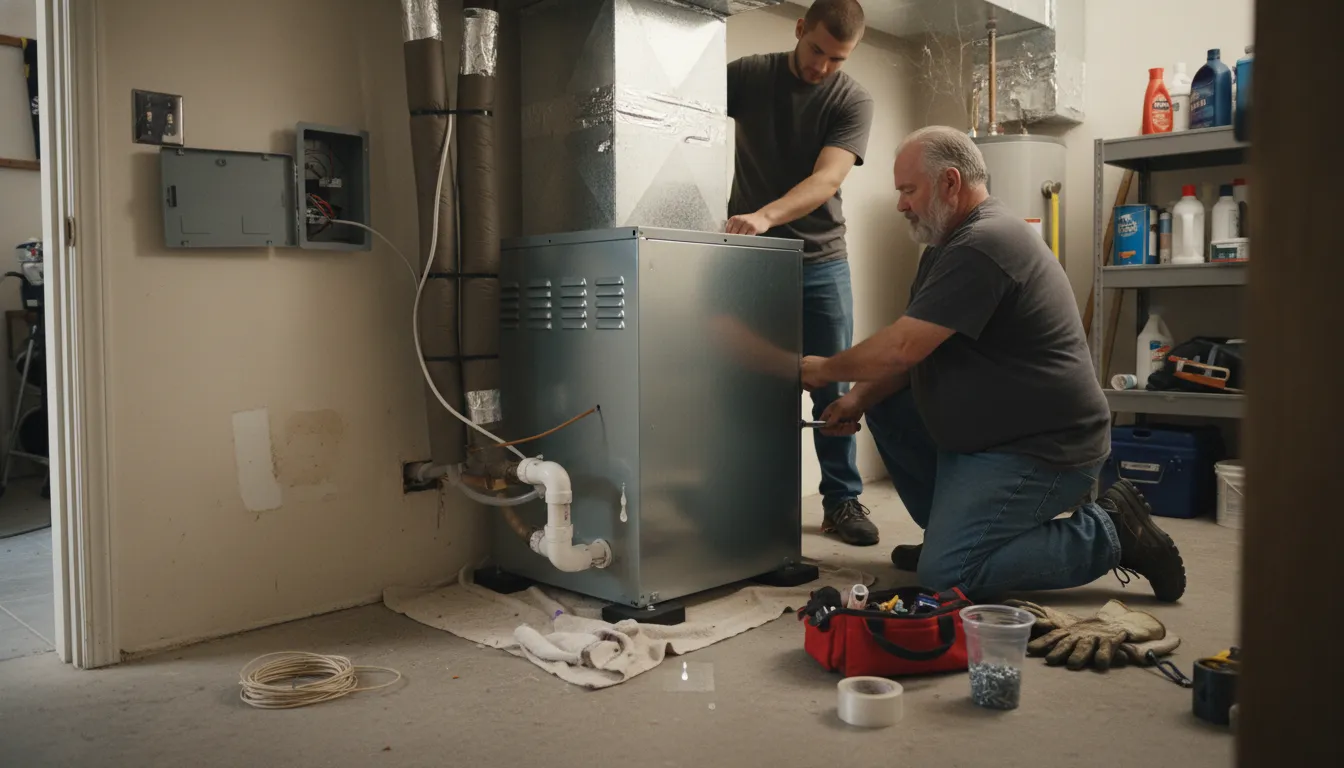
Find the Best HVAC Installers for Your Business
No obligation • Fast responses • Nationwide coverage

Why you can trust HVAC Firms
HVAC Firms is a leading United States resource for evaluating HVAC service providers. Our team researches companies, checks credentials, and reviews customer feedback to present clear, unbiased information. Listings and rankings are based on merit, and companies cannot pay to change our editorial content.
Search providers near you
Top HVAC Installers in Missouri City, Texas Ranked
For homeowners in Missouri City, a properly installed heating and cooling system is essential for year-round comfort in the Texas climate. HVAC installation involves the professional setup of a complete system to manage your home's temperature and air quality. This guide will help you understand the process, options, and key considerations for a new air conditioning and heating system, empowering you to make informed decisions when selecting a local service provider.
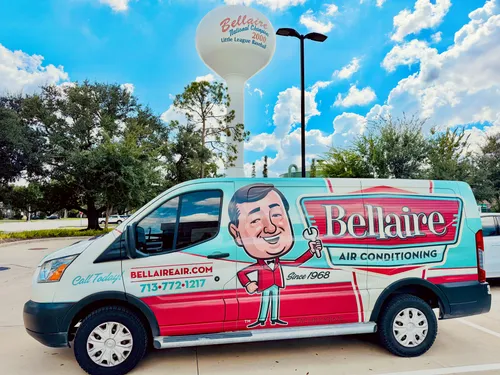
Bodensteiner Service Inc
3403 Houston Ave, Houston, TX 77009
Bodensteiner Service Inc is an HVAC company based in Houston, TX, offering heating, cooling, and indoor air quality services. They provide installation, repair, and maintenance for air conditioners, furnaces, heat pumps, mini splits, and thermostats. The company fabricates custom ductwork to ensure proper ventilation and serves the greater Houston area. As an American Standard dealer, they offer a range of indoor comfort equipment including air cleaners, UV lights, and zoning products. Bodensteiner Service Inc has experience installing many systems locally and emphasizes doing the job right the first time.
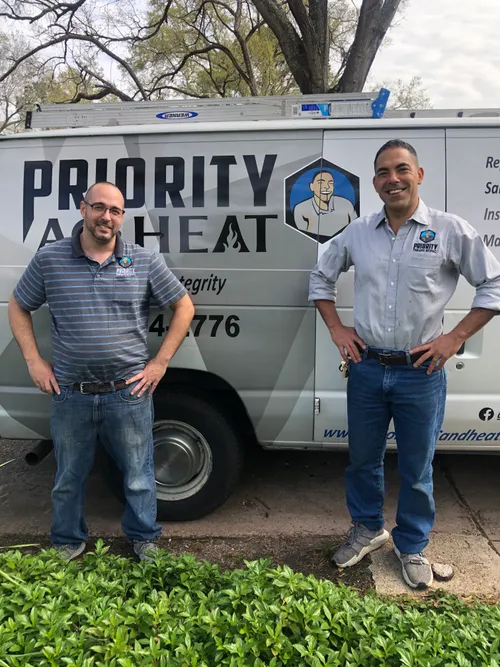
Priority AC & Heat
846 Wavecrest Ln, Houston, TX 77062
Priority AC & Heat is a family-owned HVAC company serving Houston, TX, and the greater Houston Bay Area since 2011. They offer a full range of air conditioning and heating services, including installation, repair, and maintenance for air conditioners, heat pumps, furnaces, and indoor air quality products. Their certified technicians provide 24-hour emergency repair services year-round, covering areas such as Alvin, Baycliff, Clear Lake, Deer Park, Friendswood, and more. One notable capability is their installation of the REME HALO whole home air purification system, which integrates with existing HVAC systems to reduce bacteria, mold, and viruses throughout the home.
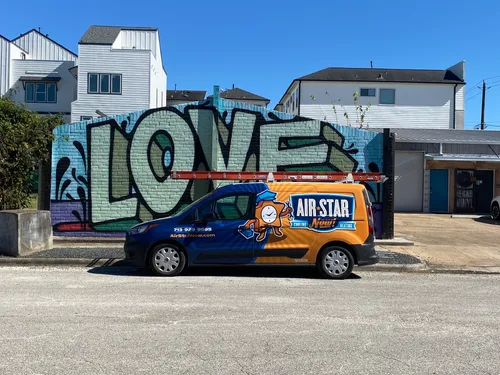
Air Star Now
6607 Flintlock Rd, Houston, TX 77040
Air Star Now is a family-owned HVAC company serving Houston, TX, and nearby areas including Katy, Cypress, and Spring. They provide a full range of heating and cooling services such as air conditioner and furnace repair, installation, and maintenance. Their licensed technicians offer 24/7 emergency service and specialize in system diagnostics, repairs, and energy efficiency improvements, including programmable thermostat installation. Air Star Now emphasizes preventative maintenance to extend system lifespan and reduce energy costs, supporting homeowners with expert advice and quality parts.
Cool Care Heating and Air Conditioning
2015 Bauer Dr, Houston, TX 77080
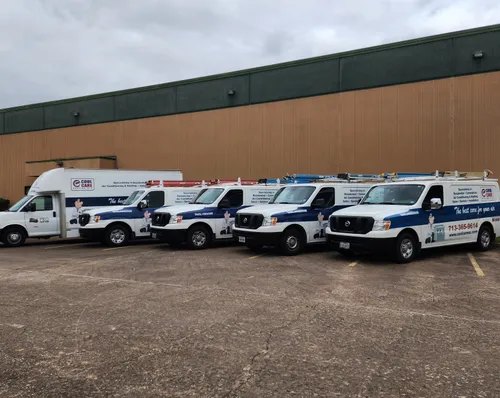
Cool Care Heating and Air Conditioning is a family-owned HVAC company based in Houston, TX. They provide a full range of heating, cooling, indoor air quality, and maintenance services tailored to the local climate. Their offerings include installation, repair, and tune-ups for air conditioners, furnaces, heat pumps, and HVAC systems, along with indoor air quality solutions such as humidifiers, air purifiers, and UV germicidal lights. Cool Care emphasizes craftsmanship and personalized service to help homeowners maintain comfort year-round while managing energy efficiency.
Cool Techies
1811 Upland Dr Suite C, Houston, TX 77043
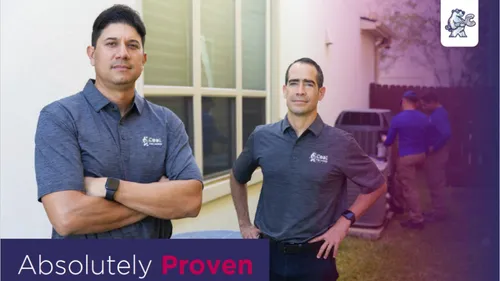
Cool Techies is an HVAC company based in Houston, TX, offering a range of heating and air conditioning services. They provide furnace and air conditioner repair, installation, and preventive maintenance to help extend the lifespan and efficiency of HVAC systems. Their services include thorough inspections, cleaning, and performance checks to identify potential issues early. Cool Techies also assists customers in selecting suitable HVAC systems tailored to their needs and budget. They serve Houston and the surrounding areas, focusing on energy-efficient and reliable solutions.
Understanding Your HVAC System Options
When it's time for a new system, Missouri City residents typically choose between a few primary configurations. The right choice depends on your home's layout, existing infrastructure, and your comfort goals for handling both humid summers and occasional chilly winters.
Split System (AC + Furnace) This is the most common setup, consisting of an outdoor air conditioning condenser paired with an indoor furnace. It's a versatile solution for Texas weather, providing efficient cooling and reliable gas or electric heat. This traditional system is often the go-to for whole-home replacements.
Heat Pump System Instead of generating heat, a heat pump moves existing heat from one place to another, making it highly efficient for both cooling and heating. Modern models perform well in Missouri City's generally mild winters, though their efficiency can decrease during periods of extreme cold. They are an excellent all-in-one solution.
Ductless Mini-Split Systems These systems are ideal for home additions, sunrooms, or providing zoned comfort to specific rooms without extending existing ductwork. While they offer great flexibility and efficiency for targeted areas, they are typically not chosen as the primary system for a whole-home replacement unless the house lacks ducts entirely.
The Step-by-Step Installation Process
A professional HVAC installation is a multi-stage project that ensures your system runs safely and efficiently for years to come. Here's what you can expect from start to finish.
1. Initial Assessment and System Sizing The process begins with a technician evaluating your home. They will calculate the correct system size (measured in tons) based on square footage, insulation, window placement, and other factors. Proper sizing is critical-an oversized or undersized unit will lead to comfort issues, higher energy bills, and premature wear.
2. Securing Permits Reputable installers will handle pulling the necessary local permits before work begins. This step ensures the installation meets all Missouri City and Texas building codes and safety standards, and it typically involves a final inspection by the city.
3. Removal of Old Equipment The existing indoor furnace, outdoor condenser, and evaporator coil are safely disconnected and removed from the property. Proper disposal of the old unit, especially one containing refrigerant, is handled by the technicians.
4. Ductwork Evaluation and Modification The installer will inspect your home's existing ductwork. If modifications, sealing, or entirely new ducts are needed to ensure optimal airflow, this work will be completed at this stage. This can add significant time and cost to the project but is essential for system performance.
5. Installation of New Units The new outdoor condenser is placed on a stable pad, and the new indoor air handler or furnace is positioned. Refrigerant lines and drainage tubing are run between the units and properly insulated 1. A new thermostat is also installed and wired.
6. Electrical Connections and System Startup All electrical connections are made to code. Finally, the system is charged with refrigerant, powered on, and put through a series of tests. The technician will check for proper airflow, refrigerant levels, and heating/cooling operation before handing the system over to you 2.
What to Expect: Timeline and Investment
A standard full HVAC system replacement in a Missouri City home typically takes 1 to 3 days to complete. The timeline can extend if significant ductwork modifications or custom fabrication is required.
The total investment for a new HVAC system is substantial and varies based on system capacity, efficiency, and the scope of installation work. For a typical 1,500 to 2,000 square foot home, homeowners should be prepared for a total project cost in the range of $7,000 to $17,000 or more. This total encompasses several components:
- Equipment Cost: $4,500 - $12,000+, varying by brand and efficiency (SEER rating).
- Ductwork: $2,000 - $5,000+ if new ducts or major modifications are needed.
- Installation Labor: $1,000 - $3,000+.
- Permits and Inspections: $200 - $500 3 4 5.
Find the perfect hvac installers for your needs
Get personalized recommendations and expert advice
Key Factors for a Successful Installation
Beyond choosing a unit, several strategic decisions impact the long-term value and performance of your new system.
Efficiency Ratings: SEER and SEER2 The Seasonal Energy Efficiency Ratio (SEER) measures cooling efficiency. In Texas, the minimum standard is 14 SEER, but systems are available up to 26 SEER or higher. The newer SEER2 standard provides a more accurate real-world measurement. While a higher SEER rating increases the upfront equipment cost, it significantly reduces monthly energy bills, offering savings that can offset the initial investment over the system's lifespan 6.
The Importance of Professional Sizing As mentioned, a "Manual J" load calculation performed by a technician is non-negotiable. Simply matching the tonnage of your old unit can lead to problems. An undersized system will run constantly in peak summer, failing to cool your home, while an oversized system will short-cycle, turning on and off frequently, which leads to uneven temperatures, excess humidity, and unnecessary wear.
Consider Replacing Both AC and Furnace Together If your air conditioner and furnace are near the same age, replacing them simultaneously is often recommended. This ensures both components are designed to work at peak efficiency together, simplifies warranty management, and can reduce overall labor costs compared to two separate installations.
Explore Available Rebates and Incentives Investing in a high-efficiency system may qualify you for rebates. It's wise to check with CenterPoint Energy or ask your local installer about current utility rebate programs or federal tax credits for energy-efficient home improvements 7. These incentives can meaningfully reduce your net project cost.
Maintaining Your New System
Once your new heating and cooling system is installed, protect your investment with regular maintenance. An annual tune-up, typically scheduled once for cooling in the spring and once for heating in the fall, will keep the system running efficiently, extend its life, and help prevent unexpected breakdowns. Simple homeowner tasks like regularly changing the air filter (every 1-3 months) are also crucial for maintaining airflow and indoor air quality.
Frequently asked questions
Sources
Footnotes
-
Step-by-Step HVAC Installation Guide - Carrier - https://www.carrier.com/residential/en/us/products/air-conditioners/hvac-installation/ ↩
-
Air Conditioning Installation: A Step-by-Step Process - https://nexgenairandplumbing.com/blog/air-conditioning-installation-a-step-by-step-process/ ↩
-
Heating and Air Conditioning Installation in Missouri City, TX - https://www.homedepot.com/services/l/tx/missouri-city/heating-air-conditioning-installation/c16fbb4b7 ↩
-
The Texas AC Replacement Guide 2025 - Costs & Pro Guidance - https://ctrairandheat.com/blog/texas-ac-replacement-costs-guide-2025/ ↩
-
New HVAC System Cost Calculator: Get a Custom Estimate in 2026 - https://modernize.com/hvac/cost-calculator ↩
-
How Much Does an Air Conditioner Cost for a 1,200-Square-Foot Home? - https://www.thisoldhouse.com/heating-cooling/air-conditioner-cost-for-1200-square-foot-home ↩
-
Home Depot HVAC Installation Cost, Pros & Cons, Reviews (2024) - https://www.hvaccalc.org/home-depot-hvac/ ↩