Find the Best HVAC Installers for Your Business
No obligation • Fast responses • Nationwide coverage

Why you can trust HVAC Firms
HVAC Firms is a leading United States resource for evaluating HVAC service providers. Our team researches companies, checks credentials, and reviews customer feedback to present clear, unbiased information. Listings and rankings are based on merit, and companies cannot pay to change our editorial content.
Search providers near you
Top HVAC Installers in Austin, Texas Ranked
Installing a new heating, ventilation, and air conditioning (HVAC) system is a significant investment in your Austin home's comfort, energy efficiency, and long-term value. Given the city's hot summers and mild winters, choosing the right system and a qualified installer is crucial. This guide will help you understand your options, the installation process, and how to find reputable local professionals to ensure your project is completed correctly and efficiently.
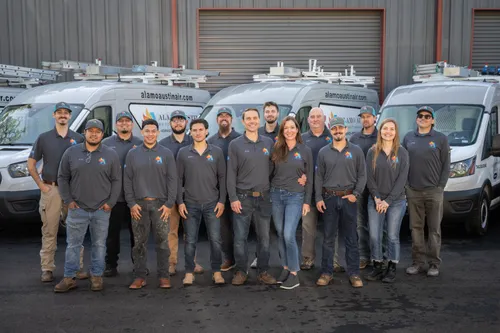
Alamo Austin Air Conditioning & Heating
8819 Jim Davis Pl, Austin, TX 78736
Alamo Austin Air Conditioning & Heating is a family-owned HVAC company serving Austin, TX, and nearby areas since 2006. They offer a range of services including air conditioning and furnace repair, installation, thermostat installation, and HVAC tune-ups. The company is a Carrier Factory Authorized Dealer, providing expertise in zone control system replacement and coil repairs. Their Advantage Club maintenance plan includes a 20-point air conditioning tune-up to help maintain system performance during Austin's hot summers.
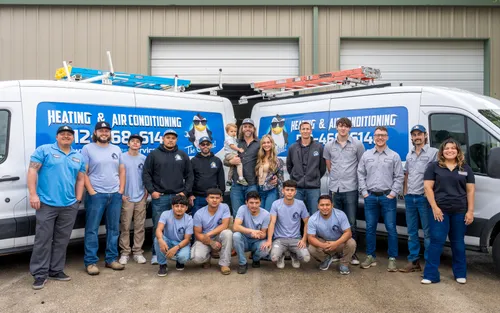
The Coolest LLC
4505 Terry-O Ln, Austin, TX 78745
The Coolest LLC is an HVAC company based in Austin, TX, specializing in air conditioning installation, repair, and indoor air quality services. They focus on installing energy-efficient HVAC systems that help reduce electricity consumption while improving air quality by filtering dust and pollution. Their services include AC installation, HVAC tune-ups, and maintenance tailored to meet customer needs, aiming to lower overall HVAC-related expenses through efficient and durable equipment. The company emphasizes transparency in pricing and offers options for exchanging older units with newer models to enhance efficiency.

SM Air A/C & Heating
3500 TX-123, San Marcos, TX 78666
SM Air A/C & Heating provides heating and cooling services in Austin, TX, specializing in repair, installation, and maintenance of HVAC systems. Their offerings include furnace and heat pump services, air conditioning repairs and installations, and indoor air quality solutions such as air purifiers and whole-home dehumidifiers. The company serves residential customers with a focus on energy-efficient and reliable HVAC solutions. SM Air is a member of the ACCA and emphasizes using innovative technology to meet industry standards and customer needs.
Chuck's Air Conditioning
55 Country Oaks Dr, Buda, TX 78610
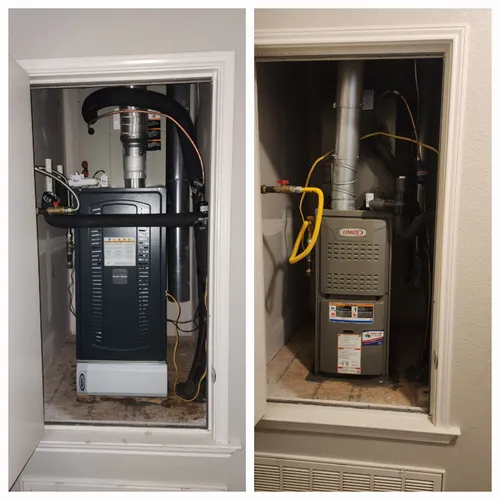
Chuck's Air Conditioning is a family-owned HVAC company serving Austin, TX, and nearby communities such as Buda, Round Rock, Kyle, and San Marcos. Since 1984, they have provided a full range of heating and cooling services including air conditioning repair, furnace repair, system installation, and thermostat installation. Their technicians handle all brands and offer 24/7 customer support to address urgent cooling and heating needs. With over 42 years of experience, Chuck's Air Conditioning is equipped to perform maintenance, repairs, and installations to help maintain home comfort throughout Central Texas.
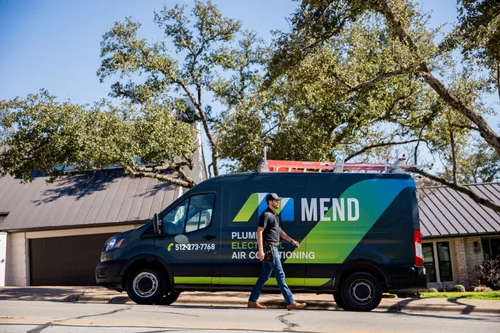
Mend Services
12951 Wright Rd, Buda, TX 78610
Mend Services is a comprehensive home service provider based in Austin, TX, offering plumbing, electrical, and HVAC solutions. They serve Austin and surrounding areas including Buda, Cedar Park, Round Rock, and more. Their HVAC services cover installation, repair, and maintenance of air conditioning, furnaces, heat pumps, mini splits, and smart thermostats, along with indoor air quality solutions like humidifiers and air purifiers. Mend Services also provides 24/7 emergency after-hours support. The company emphasizes a workmanship guarantee and integrates smart technology for efficient home system management.
Understanding Your HVAC System Options
When it's time for a new air conditioning and heating system, Austin homeowners have several excellent choices. The best option depends on your home's layout, existing infrastructure, and your specific comfort and efficiency goals.
Central Air Conditioning Systems The most common choice for homes with existing ductwork is a traditional split system. This pairs an outdoor condenser unit with an indoor air handler or furnace. In Austin's climate, you'll often see high-efficiency models from brands like Lennox, Goodman, and Carrier. These systems can be configured with either a gas furnace for heating or an electric air handler, providing powerful whole-home cooling.
Heat Pump Systems Heat pumps are increasingly popular in Austin because they provide both highly efficient cooling and heating in one unit. They work by transferring heat rather than generating it, making them exceptionally energy-efficient for our relatively mild winters. Modern models perform well even on cooler days, making them a versatile and cost-effective year-round solution.
Ductless Mini-Split Systems For homes without existing ducts, or for adding climate control to specific zones like sunrooms or garage conversions, ductless mini-splits are ideal. Systems from manufacturers like Mitsubishi and LG allow for flexible, room-by-room temperature control and can be a more efficient alternative to window units 1. They require only a small hole in the wall for the conduit, minimizing installation disruption.
The HVAC Installation Process: A Step-by-Step Guide
A professional HVAC installation is a multi-step process designed for safety, compliance, and optimal performance. Knowing what to expect can help you prepare your home and ask the right questions.
1. Initial Consultation and Site Evaluation A reputable technician will begin with a thorough assessment of your home. They will measure square footage, evaluate existing ductwork, check insulation levels, and discuss your comfort needs and budget. This load calculation is critical-an oversized or undersized system will lead to inefficiency, discomfort, and higher costs 2.
2. System Selection and Permit Acquisition Based on the evaluation, your contractor will recommend a properly sized system and equipment options. They will also handle pulling any required permits from the City of Austin, ensuring the installation meets all local building and mechanical codes. Never work with a contractor who suggests skipping permits.
3. Removal of the Old System The installation team will safely disconnect and remove your old air conditioner, furnace, and related components. This includes properly recovering refrigerant from old units, which is required by law.
4. Installation of New Components This is the core phase. The team will install the new outdoor condenser, indoor coil, and air handler or furnace. They will connect new refrigerant line sets, electrical wiring, and condensate drainage lines. If you're integrating a smart thermostat like Nest or Honeywell, it will be wired and configured at this time 3.
5. Ductwork Inspection and Modification Your existing ductwork will be inspected for leaks, damage, and proper sizing. Sealing and insulating ducts is one of the most cost-effective ways to improve system efficiency. If new ductwork is needed, such as for an addition or to replace damaged sections, it will be fabricated and installed 4 5.
6. System Startup and Testing Finally, the system is charged with refrigerant, powered on, and put through a series of tests. The technician will check refrigerant levels, airflow at all vents, electrical amp draw, thermostat operation, and safety controls. You should receive a demonstration of how to operate your new system and maintain its warranty.
Find the perfect hvac installers for your needs
Get personalized recommendations and expert advice
What to Know About Installation Timelines and Costs
How Long Does Installation Take? A standard full HVAC system replacement in Austin typically takes 1 to 3 days from start to finish 6. The timeline can vary based on the complexity of the job. A straightforward swap-out with no ductwork changes may be completed in a single day. A job requiring new duct runs, electrical upgrades, or custom fabrication will take longer. Remember that the permit approval process can add time before physical work begins.
Understanding the Costs HVAC installation is a significant investment, but it pays off in comfort and energy savings. Costs in Austin vary widely based on system type, brand, efficiency rating, and home size.
- System-Only Costs: For a full system replacement (condenser + air handler/furnace), homeowners can expect average costs ranging from $6,000 to over $20,000 for units typically between 1.5 and 5 tons 7.
- Impact of Ductwork: If your project includes modifying or installing new ductwork, add approximately $3,000 to $5,000+ to the total cost 8.
- Example for a 2,000 sq ft Home: A complete system replacement with associated ductwork for an average Austin home can cost around $13,430 9.
It's essential to get detailed, written estimates from multiple contractors. The lowest price isn't always the best value-consider the proposed equipment's efficiency, the warranty, and the company's reputation.
Maximizing Value with Rebates and High-Efficiency Systems
Austin is a leader in promoting energy efficiency, and upgrading your HVAC system can make you eligible for valuable financial incentives.
Austin Energy Rebate Programs Through initiatives like the Austin Climate Equity Plan, Austin Energy offers rebates to encourage upgrades to high-efficiency equipment 10. These rebates can significantly offset your upfront costs. Incentives are often available for:
- Installing ENERGY STAR certified heat pumps and air conditioners.
- Adding a qualifying smart thermostat.
- Completing professional duct sealing and insulation improvements.
The Long-Term Savings of High-Efficiency Equipment While a high-efficiency system (with a high SEER rating for cooling) may have a higher initial price tag, it will cost much less to operate monthly. In Austin's long cooling season, the savings on your electricity bills can be substantial, allowing the system to pay for the difference in cost over time. Always ask your contractor to calculate the estimated annual energy savings for the models you're considering.
Choosing the Right HVAC Installation Professional in Austin
Your installer is as important as the equipment brand. A proper installation is vital for efficiency, durability, and safety.
- Verify Licenses and Insurance: Ensure the company holds a valid Texas HVAC contractor license and carries both liability and workers' compensation insurance.
- Check Reviews and References: Look for consistently positive reviews on independent platforms and ask for references from recent local jobs similar to yours.
- Get a Detailed Written Proposal: The quote should include model numbers, efficiency ratings, labor warranty details, a project timeline, and a clear breakdown of all costs.
- Ask About Post-Installation Support: Understand the company's process for handling any post-installation adjustments or warranty service.
As costs and rebate programs can change, always get multiple quotes and verify current incentives directly with Austin Energy before making your final decision 11 12.
Frequently asked questions
Sources
Footnotes
-
Cost to Install Central Air in 2026: How to Save - NerdWallet - https://www.nerdwallet.com/home-ownership/home-improvement/learn/cost-to-install-central-air ↩
-
HVAC Installation in Austin, TX: What to Expect - https://austincoolingandheating.com/hvac-installation-in-austin-tx-what-to-expect/ ↩
-
Best HVAC Brands for Austin Homes in 2025 - https://hvacexpress.pro/best-hvac-brands-for-austin-homes/ ↩
-
Step-by-Step HVAC Installation Guide - Carrier - https://www.carrier.com/residential/en/us/products/air-conditioners/hvac-installation/ ↩
-
Duct System Improvements - https://savings.austinenergy.com/multifamily/offerings/cooling-and-heating/duct ↩
-
How Long Does It Take to Replace an HVAC System? - https://bobsrepair.com/how-long-does-it-take-to-replace-hvac-system/ ↩
-
What Is The Average Cost For A New HVAC System? 2025 Shocking Facts - https://comforttemp.com/what-is-the-average-cost-for-a-new-hvac-system/ ↩
-
AC Installation in Austin TX: Best Replacement & Repair - https://efficienttexas.com/austin-ac-installation/ ↩
-
New HVAC System Cost Calculator: Get a Custom Estimate in 2026 - https://modernize.com/hvac/cost-calculator ↩
-
Austin Energy Incentive Programs 2023 - https://quickelectricity.com/austin-energy-incentive-programs/ ↩
-
HVAC-RCONTRACTOR STUDY - AustinTexas.gov - https://services.austintexas.gov/edims/document.cfm?id=441519 ↩
-
How Much Does an Air Conditioner Cost for a 4,000-Square-Foot Home? - https://www.thisoldhouse.com/heating-cooling/air-conditioner-cost-for-4000-square-foot-home ↩