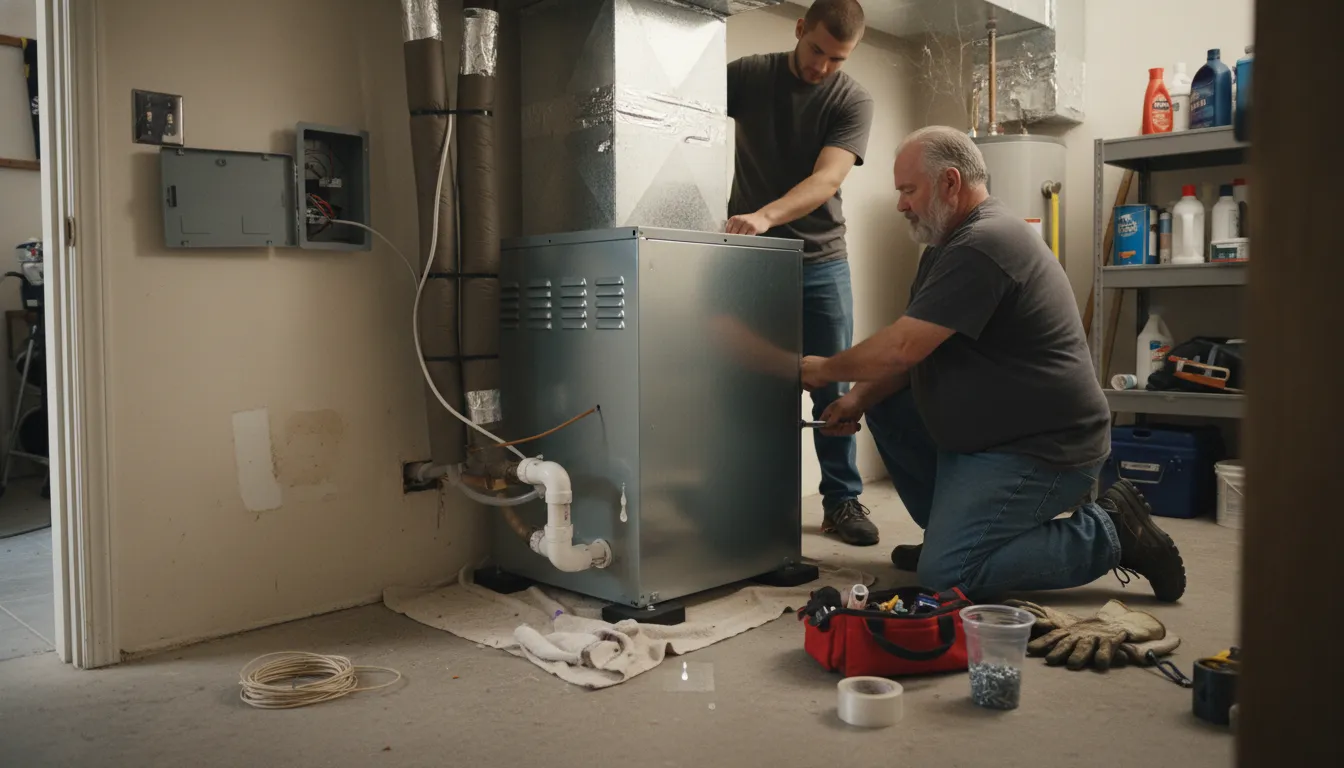
Find the Best HVAC Installers for Your Business
No obligation • Fast responses • Nationwide coverage

Why you can trust HVAC Firms
HVAC Firms is a leading United States resource for evaluating HVAC service providers. Our team researches companies, checks credentials, and reviews customer feedback to present clear, unbiased information. Listings and rankings are based on merit, and companies cannot pay to change our editorial content.
Search providers near you
Top HVAC Installers in Garland, Texas Ranked
Upgrading your heating and cooling system is a significant investment in your home's comfort, energy efficiency, and long-term value. HVAC installation involves the professional setup of a complete climate control system, including air conditioners, furnaces, heat pumps, and associated ductwork. For Garland residents, choosing the right system and a qualified installer is crucial to withstand the Texas heat and occasional cold snaps. This guide provides essential information on the process, common system choices, timelines, and costs to help you make an informed decision when seeking local heating and air conditioning services.
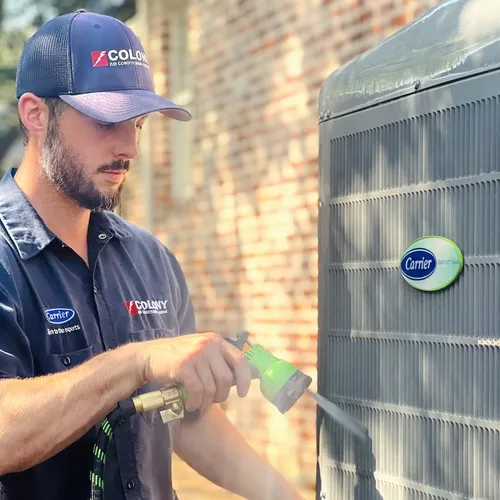
Colony Air Conditioning & Heating
4805 S Colony Blvd, The Colony, TX 75056
Colony Air Conditioning & Heating has provided HVAC repair, installation, and maintenance services in Dallas, TX, and surrounding North Dallas communities for nearly 50 years. They offer a range of services including air conditioning and furnace repair, installation, and tune-ups. The company serves areas such as Frisco, Plano, Carrollton, Flower Mound, and The Colony, focusing on clear communication and trustworthy recommendations to ensure customer comfort.
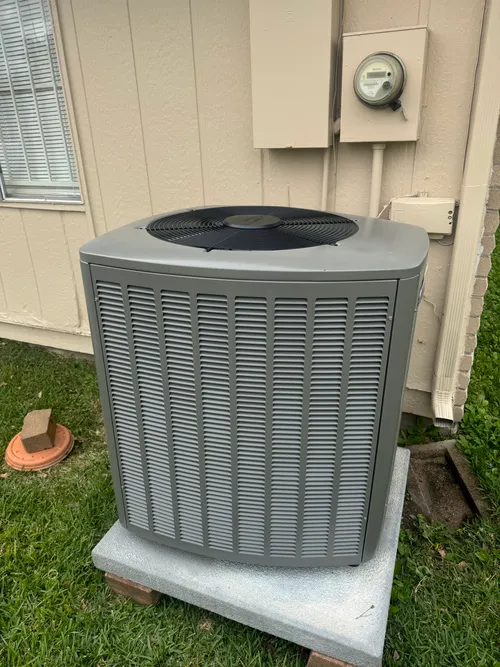
United States Home Services
1805 Royal Ln #101, Dallas, TX 75229
United States Home Services is a Dallas, TX-based company specializing in HVAC, plumbing, and insulation solutions. They provide a range of services including air conditioning, furnace, and heat pump repair and installation, as well as HVAC tune-ups. With over 20 years of experience, they serve homeowners throughout the Dallas metroplex, offering reliable and transparent service. One of their key capabilities is providing custom HVAC installations tailored to home comfort needs. The company emphasizes clear pricing and customer satisfaction, backed by a 100% satisfaction guarantee.

Medley Heating Air Conditioning Plumbing
1711 Briercroft Ct ste 127, Carrollton, TX 75006
Medley Heating Air Conditioning Plumbing provides heating, air conditioning, indoor air quality, and plumbing services in Dallas, TX. They offer installation, repair, and maintenance for HVAC systems, including furnaces and air conditioners, with a focus on high-efficiency solutions. Their licensed technicians are employees who receive ongoing training and background checks, ensuring careful and knowledgeable service. Medley also offers financing options to assist with system upgrades and emergency repairs. The company serves Dallas and nearby communities such as Carrollton, Coppell, and Plano.
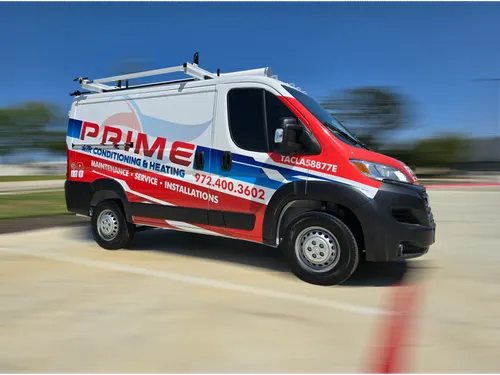
Prime AC and Heat
150 Valley Ridge Blvd Suite #102, Lewisville, TX 75057
Prime AC and Heat is a residential HVAC company serving Dallas, TX, and the wider DFW metroplex, including Lewisville, Flower Mound, and surrounding areas. They offer a full range of home comfort services such as air conditioning repair and replacement, furnace installation and repair, heat pump service, duct cleaning, thermostat installation, and indoor air quality solutions. The company provides 24/7 emergency service with same-day appointments to address urgent HVAC needs. Prime AC and Heat is known for its licensed technicians, A+ BBB rating, and transparent pricing without hidden fees.
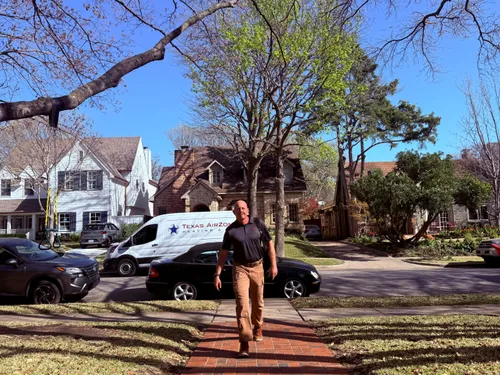
Texas AirZone LLC
10763 Mapleridge Dr, Dallas, TX 75238
Texas AirZone LLC is an HVAC and plumbing service provider based in Dallas, TX. They offer a range of services including air conditioner repair, furnace installation and repair, indoor air quality solutions, and plumbing repairs for both residential and commercial clients. Their team has over 100 years of combined experience, specializing in whole-home HVAC systems with a focus on duct design and testing to maximize comfort and efficiency. Established in 1997, Texas AirZone provides 24/7 emergency service to ensure reliable heating and cooling year-round in the Texas climate.
Understanding Your HVAC System Options
Selecting the right equipment is the first step toward year-round comfort. The choice depends on your home's size, existing infrastructure, and your efficiency goals. In Garland's climate, a system that can handle extreme summer temperatures while providing reliable winter warmth is essential.
High-Efficiency Air Conditioners and Furnaces
This is the most popular and traditional setup for North Texas homes. It involves a split system with an outdoor air conditioning unit and an indoor furnace. The key to modern systems is their high-efficiency ratings:
- SEER (Seasonal Energy Efficiency Ratio): For cooling. The current federal minimum is 14 SEER, but systems in Garland often range from 16 to over 20 SEER. A higher SEER rating means greater energy savings, especially during long, hot summers 1.
- AFUE (Annual Fuel Utilization Efficiency): For gas furnaces. Modern high-efficiency furnaces have AFUE ratings of 90% or higher, meaning they convert over 90% of their fuel into heat for your home.
This combination provides powerful, dedicated cooling and heating, making it a reliable choice for the region's specific demands.
Heat Pump Systems
Heat pumps are versatile units that provide both heating and cooling by moving heat rather than generating it. They are extremely efficient in moderate climates and can be a great all-in-one solution.
- Operation: In summer, they extract heat from inside your home and release it outdoors. In winter, the process reverses, pulling heat from the outside air (even in cold weather) to warm your interior.
- Consideration: While efficient, their heating capacity can diminish during Texas' rare but severe freezes, so a supplemental heat source is sometimes recommended.
Ductless Mini-Split Systems
For homes without existing ductwork, room additions, or for creating independent temperature zones, ductless mini-splits are an excellent option.
- Setup: They consist of an outdoor compressor/condenser and one or more indoor air-handling units mounted on walls or ceilings.
- Benefits: They offer high efficiency and zoned comfort control, allowing you to cool or heat only the rooms you're using.
- Cost: The installation can have a higher upfront cost per zone but may lead to significant energy savings by avoiding duct losses 2.
The Professional Installation Process Explained
A proper HVAC installation is a detailed, multi-step process that ensures safety, efficiency, and system longevity. It's far more complex than simply swapping an old unit for a new one.
Step 1: Initial Consultation and Load Calculation
A reputable technician will never guess your home's needs. This critical first step involves:
- A thorough assessment of your home's square footage, insulation levels, window types, and sun exposure.
- Performing a Manual J load calculation. This precise measurement determines the exact heating and cooling capacity (in BTUs) your home requires. An oversized or undersized unit will lead to comfort issues, higher bills, and premature wear 3.
Step 2: System Design and Permitting
Based on the load calculation, your contractor will design a system layout. They will also handle pulling the necessary permits from the City of Garland. Permits ensure the installation meets local building and safety codes, and their acquisition is a sign of a professional, above-board company 4.
Step 3: Removal of Old Equipment
The existing furnace, air handler, and outdoor condenser are safely disconnected-this includes sealing refrigerant lines on old AC units-and removed from your property.
Step 4: Installation of New Components
This is the core phase where the new system is put in place:
- The new furnace or air handler is positioned and secured.
- The new outdoor condenser unit is placed on a stable, level pad.
- The refrigerant lineset is connected between the indoor and outdoor units.
- Electrical wiring and low-voltage control wires are run and connected.
- The condensate drain line is installed for proper moisture removal.
Step 5: Ductwork Evaluation and Modification
The existing ductwork is inspected for leaks, damage, or improper sizing. For optimal performance, modifications such as sealing leaks with mastic, adding new duct runs, or resizing may be necessary. This step is vital for ensuring good airflow and efficiency 5.
Step 6: System Testing and Startup
The final and most important step. The technician will:
- Start the system and check for proper operation of all modes (heating and cooling).
- Measure refrigerant levels and adjust to the manufacturer's exact specifications.
- Verify correct airflow across the indoor coil.
- Test safety controls and thermostat calibration.
- Explain the system's operation and basic maintenance to you.
Find the perfect hvac installers for your needs
Get personalized recommendations and expert advice
What to Expect: Project Timeline and Costs
Knowing the general timeframe and investment required helps in planning your HVAC upgrade.
Installation Timeline
The duration of an HVAC replacement project in Garland can vary based on complexity:
- Simple Straight Swap: Replacing a standard system with a similar model, with no ductwork changes, can often be completed in a single day, typically within 4 to 8 hours.
- Standard Full Replacement: Most projects involving a new AC and furnace, with some minor duct adjustments, take 1 to 3 days.
- Complex Installations: Jobs requiring extensive new ductwork design and installation, or those in homes with difficult access, may extend to 3 to 5 days or more 6.
Cost Factors for Garland Homeowners
HVAC installation costs are influenced by several key variables. For a full system replacement in the Texas market, homeowners can expect a general range of $6,000 to over $20,000 7.
- System Size and Capacity: A correctly sized unit (from the load calculation) is the primary cost driver.
- Efficiency Ratings: Higher SEER and AFUE ratings command a higher initial price but offer lower monthly utility bills.
- Equipment Brand: Premium brands (e.g., Carrier, Trane) often cost more than standard brands (e.g., Rheem, Goodman), though installer quality is equally important.
- Ductwork Modifications: Adding, replacing, or significantly modifying ductwork is one of the largest potential add-on costs.
- Specific Project Example: For a typical 2,000 square foot home in Garland, a full high-efficiency AC and furnace replacement might average around $13,000 to $14,0008 9. A listed project for a Rheem 3-piece system in the 75040 zip code indicated a price point of approximately $20,000, which may have included comprehensive ductwork upgrades or premium model selections 9.
Choosing a Qualified Garland HVAC Installer
Your installer's expertise is as important as the equipment brand. Look for a contractor who:
- Is licensed, insured, and bonded in the state of Texas.
- Has strong local references and reviews specific to installation work.
- Provides a detailed, written estimate that includes model numbers, labor scope, and warranty information.
- Performs a manual J load calculation and discusses all options without high-pressure sales tactics.
- Handles the permit process and schedules a final inspection.
Frequently asked questions
Sources
Footnotes
-
How Much Does HVAC Installation Cost? - https://ashburnhvac.com/how-much-does-hvac-installation-cost/ ↩
-
Commercial HVAC Cost Calculator in Fort Worth, TX - https://r10heatandair.com/commercial-hvac-cost-calculator-fort-worth-tx/ ↩
-
Step-by-Step HVAC Installation Guide - Carrier - https://www.carrier.com/residential/en/us/products/air-conditioners/hvac-installation/ ↩
-
Air Conditioning Installation: A Step-by-Step Process - https://nexgenairandplumbing.com/blog/air-conditioning-installation-a-step-by-step-process/ ↩
-
HVAC Installation and Replacement in Garland, TX - https://www.chapaservice.com/hvac/hvac-installation-replacement-garland-tx ↩
-
How Long Does It Take To Replace Your HVAC System? - https://downeyplumbing.com/blog/how-long-does-it-take-to-replace-your-hvac-system/ ↩
-
What Is The Average Cost For A New HVAC System? 2025 Shocking Facts - https://comforttemp.com/what-is-the-average-cost-for-a-new-hvac-system/ ↩
-
The Texas AC Replacement Guide 2025 - Costs & Pro Guidance - https://ctrairandheat.com/blog/texas-ac-replacement-costs-guide-2025/ ↩
-
Heating and Air Conditioning Installation in Garland, TX - https://www.homedepot.com/services/l/tx/garland/heating-air-conditioning-installation/c16fbb4b7 ↩ ↩2