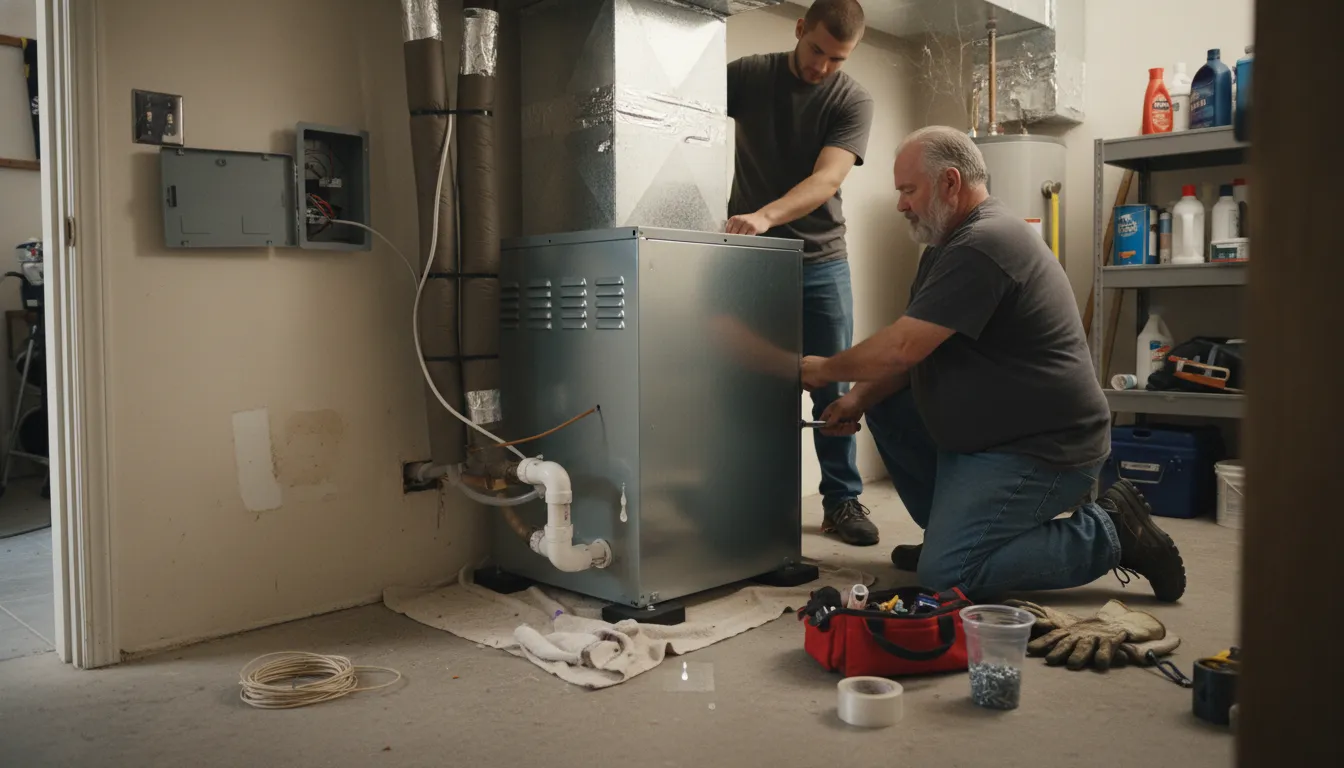
Find the Best HVAC Installers for Your Business
No obligation • Fast responses • Nationwide coverage

Why you can trust HVAC Firms
HVAC Firms is a leading United States resource for evaluating HVAC service providers. Our team researches companies, checks credentials, and reviews customer feedback to present clear, unbiased information. Listings and rankings are based on merit, and companies cannot pay to change our editorial content.
Search providers near you
Top HVAC Installers in Keller, Texas Ranked
Upgrading your home's heating and cooling system is a significant investment in comfort, efficiency, and long-term value. In Keller's climate, where summers are hot and winters can bring chilly snaps, a reliable and properly installed HVAC system is essential. This guide will help you understand the process, options, and key considerations for a new HVAC installation or replacement, empowering you to make informed decisions with local professionals.
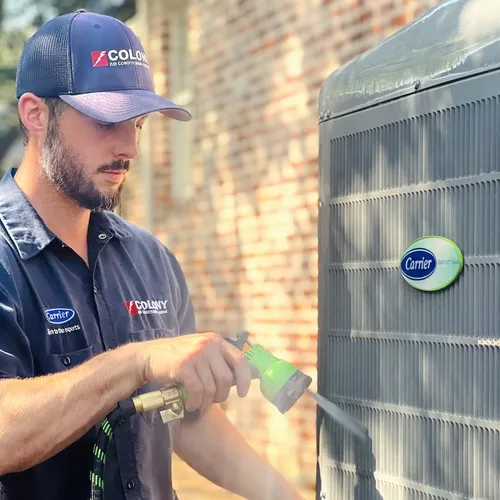
Colony Air Conditioning & Heating
4805 S Colony Blvd, The Colony, TX 75056
Colony Air Conditioning & Heating has provided HVAC repair, installation, and maintenance services in Dallas, TX, and surrounding North Dallas communities for nearly 50 years. They offer a range of services including air conditioning and furnace repair, installation, and tune-ups. The company serves areas such as Frisco, Plano, Carrollton, Flower Mound, and The Colony, focusing on clear communication and trustworthy recommendations to ensure customer comfort.
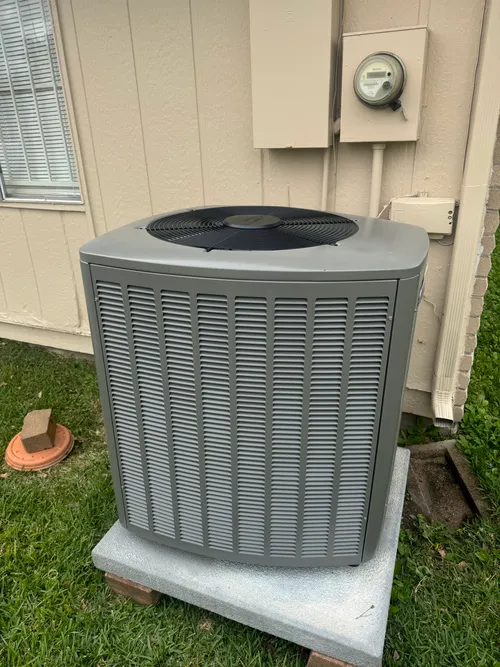
United States Home Services
1805 Royal Ln #101, Dallas, TX 75229
United States Home Services is a Dallas, TX-based company specializing in HVAC, plumbing, and insulation solutions. They provide a range of services including air conditioning, furnace, and heat pump repair and installation, as well as HVAC tune-ups. With over 20 years of experience, they serve homeowners throughout the Dallas metroplex, offering reliable and transparent service. One of their key capabilities is providing custom HVAC installations tailored to home comfort needs. The company emphasizes clear pricing and customer satisfaction, backed by a 100% satisfaction guarantee.

Medley Heating Air Conditioning Plumbing
1711 Briercroft Ct ste 127, Carrollton, TX 75006
Medley Heating Air Conditioning Plumbing provides heating, air conditioning, indoor air quality, and plumbing services in Dallas, TX. They offer installation, repair, and maintenance for HVAC systems, including furnaces and air conditioners, with a focus on high-efficiency solutions. Their licensed technicians are employees who receive ongoing training and background checks, ensuring careful and knowledgeable service. Medley also offers financing options to assist with system upgrades and emergency repairs. The company serves Dallas and nearby communities such as Carrollton, Coppell, and Plano.
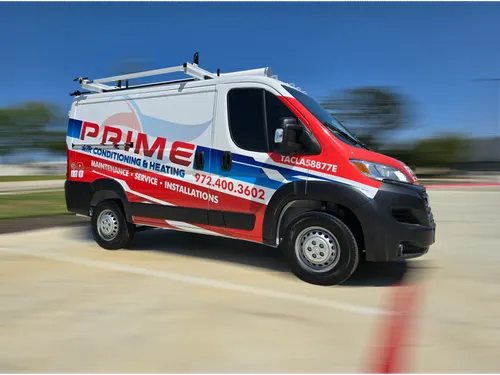
Prime AC and Heat
150 Valley Ridge Blvd Suite #102, Lewisville, TX 75057
Prime AC and Heat is a residential HVAC company serving Dallas, TX, and the wider DFW metroplex, including Lewisville, Flower Mound, and surrounding areas. They offer a full range of home comfort services such as air conditioning repair and replacement, furnace installation and repair, heat pump service, duct cleaning, thermostat installation, and indoor air quality solutions. The company provides 24/7 emergency service with same-day appointments to address urgent HVAC needs. Prime AC and Heat is known for its licensed technicians, A+ BBB rating, and transparent pricing without hidden fees.
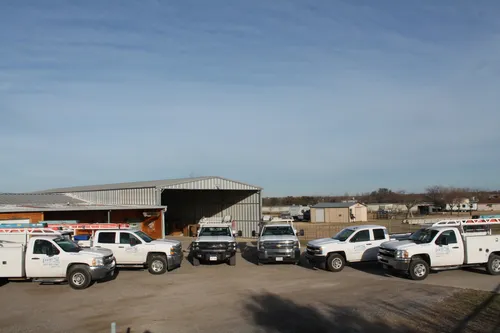
Lawrence Air Conditioning & Heating
7949 Old Decatur Rd, Fort Worth, TX 76179
Lawrence Air Conditioning & Heating is an HVAC company based in Fort Worth, TX. They provide air conditioning and furnace repair, installation, and sales services. Established in 1989, the company has over three decades of experience in heating and cooling solutions.
Understanding Your HVAC System Options
When it's time for a new air conditioning and heating system, Keller homeowners have several paths to consider. The right choice depends on your home's layout, existing infrastructure, and your personal comfort and efficiency goals.
High-Efficiency Central Systems The most common choice for whole-home comfort is a central air conditioner paired with a furnace or air handler. The key differentiator here is efficiency, measured by SEER (Seasonal Energy Efficiency Ratio) and the newer SEER2 ratings. A higher SEER rating means the unit uses less electricity to cool your home, leading to lower monthly utility bills. While the upfront cost increases with higher efficiency, the long-term operational savings in a Texas climate can be substantial. These systems utilize your home's existing ductwork to distribute conditioned air.
Ductless Mini-Split Systems For homes without existing ducts, room additions, garages, or for creating independent temperature zones, ductless mini-splits are an excellent solution. These systems consist of an outdoor compressor unit connected to one or more indoor air handlers mounted on walls or ceilings. They eliminate the need for ductwork entirely, which can reduce energy loss and offer unparalleled zone control, allowing you to cool or heat only the rooms you're using.
Key Factors in Your Decision Selecting the right system isn't just about the unit itself. Several home-specific factors will guide your choice:
- Home Size & Tonnage: The capacity of your system, measured in tons, must be correctly matched to your home's square footage and layout. An undersized unit will struggle, while an oversized one will short-cycle, reducing efficiency and comfort.
- Ductwork Condition: If you have existing ducts, their size, insulation, and airtightness are critical. Poor ductwork can undermine the performance of even the most efficient new unit1.
- Energy Goals & Budget: Balancing your desire for maximum efficiency with your available budget is a primary consideration. Remember to factor in potential long-term savings on energy bills.
- Rebates & Tax Credits: ENERGY STAR certified systems often qualify for federal tax credits and local utility rebates, which can help offset the cost of a higher-efficiency model2.
The HVAC Installation Process: What to Expect
A professional HVAC replacement is a multi-step process managed by your contractor. Understanding the timeline and stages can help you plan accordingly.
- Site Evaluation & Planning: A certified technician will assess your home, calculate heating and cooling loads, and discuss your needs and options. They will help you select the appropriate equipment and handle pulling any required local permits.
- Removal of Old Equipment: The existing indoor and outdoor units are safely disconnected and removed. If old refrigerant lines or severely compromised ductwork is being replaced, this will also be taken out at this stage.
- Installation of New System: This core phase involves setting the new outdoor condenser, installing the new indoor furnace or air handler, and connecting new refrigerant line sets and electrical wiring. For ductless systems, this includes mounting and connecting the indoor air handlers.
- Ductwork Modification or Installation (If Needed): If your project includes new or modified ductwork, this phase can add significant time. Sealing, insulating, and properly sizing ducts is labor-intensive but crucial for system performance.
- System Testing & Startup: Once everything is physically installed, the technician will charge the system with refrigerant, test all electrical connections, start the unit, and calibrate it for optimal performance. They will also ensure proper airflow and thermostat operation 3.
A standard full-system replacement in Keller typically takes 1 to 3 days 4. Projects involving extensive new ductwork or complex configurations can extend this timeline.
Find the perfect hvac installers for your needs
Get personalized recommendations and expert advice
Cost Considerations for Keller Homeowners
The cost of a new HVAC system in Texas is highly variable, but for a full central system replacement in Keller, homeowners can generally expect a range of $6,000 to $14,000 or more5. This wide range is due to the factors previously discussed: system type, efficiency rating, home size, and ductwork needs.
For a practical example, the cost to install a new air conditioner for a 1,500-square-foot home can range from approximately $5,500 for a lower-SEER2 system to $14,500 for a high-efficiency model6. The higher initial investment in a more efficient unit is balanced by lower monthly energy consumption, which is a critical calculation in our climate.
Maximizing Your Investment
- Get Multiple Quotes: Always obtain detailed estimates from 3-4 licensed, insured, and well-reviewed local contractors. Compare not just the bottom line, but the equipment proposed, warranty terms, and scope of work7.
- Prioritize Proper Sizing: Ensure each contractor performs a Manual J load calculation-this is non-negotiable for correct system sizing.
- Explore Financing: Many reputable HVAC companies offer financing plans to help manage the upfront cost of a new system8.
- Don't Forget the Ducts: Investing in duct sealing, insulation, or replacement can dramatically improve comfort and efficiency, making your new system perform as intended.
Maintaining Your New System
Once your new heating and cooling system is installed, protect your investment with regular maintenance. Scheduling annual tune-ups-typically one for cooling in the spring and one for heating in the fall-ensures peak efficiency, prolongs the system's lifespan, and can prevent costly mid-season breakdowns. Change your air filters regularly (usually every 1-3 months) to maintain good airflow and indoor air quality.
Frequently asked questions
Sources
Footnotes
-
Factors to Consider When Installing a New HVAC | Fahnestock - https://fahnestockhvac.com/2023/03/13/10-factors-to-consider-when-installing-a-new-hvac-system-in-your-home/ ↩
-
Keller's Best HVAC Company | AC & Heat Solutions - https://www.acandheatsolutions.com/heater-ac-repair-keller ↩
-
Step-by-Step HVAC Installation Guide - Carrier - https://www.carrier.com/residential/en/us/products/air-conditioners/hvac-installation/ ↩
-
How Long Does It Take To Replace Your HVAC System? - https://downeyplumbing.com/blog/how-long-does-it-take-to-replace-your-hvac-system/ ↩
-
The Texas AC Replacement Guide 2025 - Costs & Pro Guidance - https://ctrairandheat.com/blog/texas-ac-replacement-costs-guide-2025/ ↩
-
How Much Does an Air Conditioner Cost for a 1,500-Square-Foot Home? - https://www.thisoldhouse.com/heating-cooling/air-conditioner-cost-for-1500-square-foot-home ↩
-
Heating and Air Conditioning Installation in Keller, TX - https://www.homedepot.com/services/l/tx/keller/heating-air-conditioning-installation/c16fbb4b7 ↩
-
Residential Air Conditioner Installation - Keller Services - https://www.keller-services.com/residential/hvac-installation/ ↩