Find the Best HVAC Installers for Your Business
No obligation • Fast responses • Nationwide coverage

Why you can trust HVAC Firms
HVAC Firms is a leading United States resource for evaluating HVAC service providers. Our team researches companies, checks credentials, and reviews customer feedback to present clear, unbiased information. Listings and rankings are based on merit, and companies cannot pay to change our editorial content.
Search providers near you
Top HVAC Installers in Gastonia, North Carolina Ranked
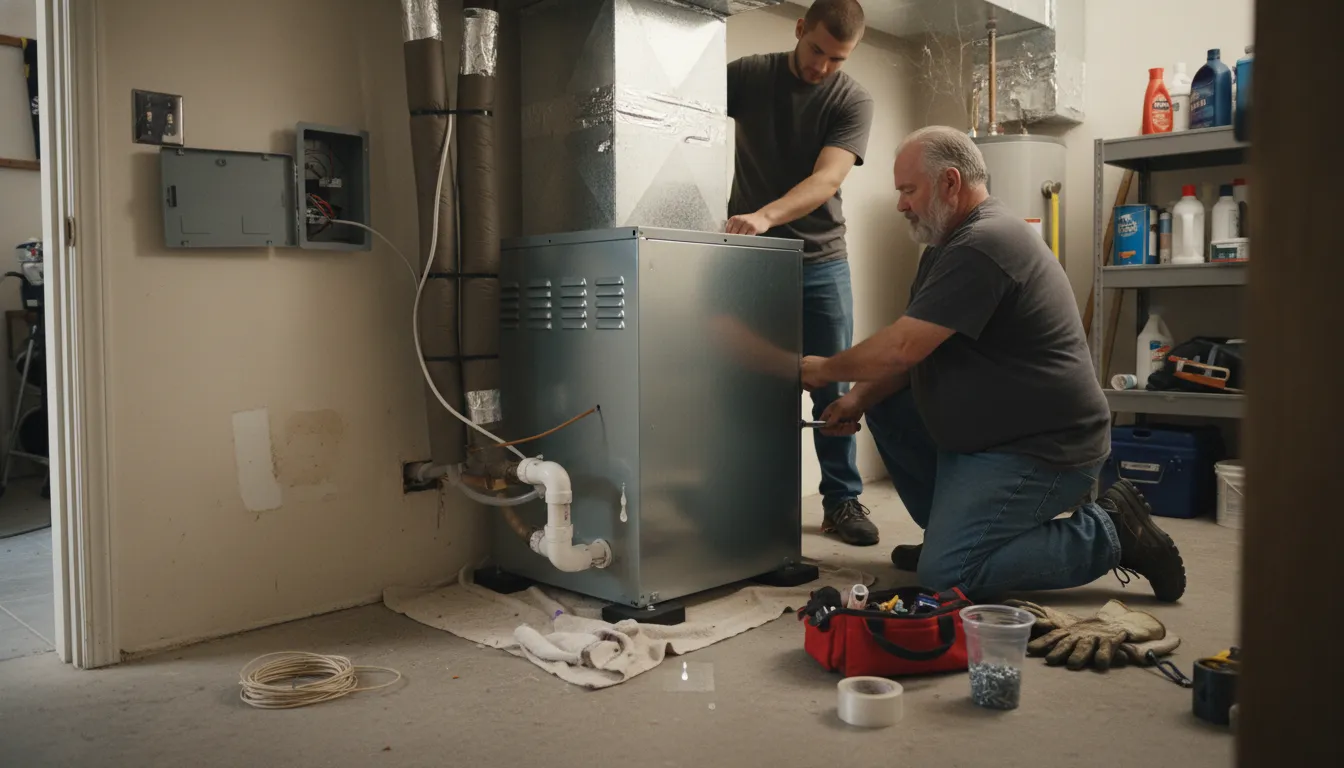
A new heating and cooling system is a significant investment in your Gastonia home's comfort, energy efficiency, and value. HVAC installation involves more than just swapping out an old unit; it's a comprehensive process of selecting the right equipment for your specific needs and ensuring it's integrated seamlessly into your home. This guide will help you understand the options, steps, and considerations for a successful system installation, empowering you to make informed decisions and connect with qualified local professionals.
Panther Heating and Cooling
722 Corporate Blvd Suite 105, Rock Hill, SC 29730
Panther Heating and Cooling is an HVAC company based in Charlotte, NC, offering a full range of heating and cooling services including installation, repair, and maintenance of furnaces, air conditioners, heat pumps, and mini-split systems. They also provide indoor air quality solutions and smart thermostat installations. The company serves Charlotte and surrounding areas such as Rock Hill, Tega Cay, Fort Mill, Indian Land, York, Clover, Matthews, and Waxhaw. Panther Heating and Cooling emphasizes skilled, certified technicians and offers 24/7 emergency HVAC services to address urgent needs promptly.
City Air Experts Heating and Cooling
411 Foster Ave, Charlotte, NC 28203
City Air Experts Heating and Cooling is a Charlotte, NC-based company providing residential and commercial HVAC services. They offer installation, repair, and maintenance for air conditioning, furnaces, heat pumps, mini splits, and general HVAC systems. The company is a certified Trane Comfort Specialist and employs NATE-certified technicians, ensuring skilled service. Established in 2009, City Air Experts provides 24/7 emergency HVAC services to respond to urgent needs any time of day or night.

NASCAIR Heating & Cooling
377 Rubin Center Dr Suite 210, Fort Mill, SC 29708
NASCAIR Heating & Cooling is a veteran-owned HVAC company serving Charlotte, NC, and nearby areas since 2004. They specialize in the repair, maintenance, and installation of heating and air conditioning systems, including furnaces, heat pumps, mini splits, and ductless systems. NASCAIR is known for its skilled technicians who handle all makes and models, offering services such as HVAC tune-ups and ductwork replacement. With over 20 years of experience, the company focuses on ensuring safe, efficient, and comfortable home environments.
Super Cool HVAC
954 N Davidson St, Charlotte, NC 28206
Super Cool HVAC is a locally owned company based in Charlotte, NC, offering residential and commercial heating and cooling services. They provide installation, repair, and maintenance for air conditioners, furnaces, heat pumps, and HVAC systems. The company emphasizes clear communication and customer partnership throughout scheduling, diagnosis, and system replacement. They also handle warranty registration and offer labor warranties for new installations. Regular maintenance plans are available to help ensure efficient and reliable system operation and to prevent unexpected breakdowns.
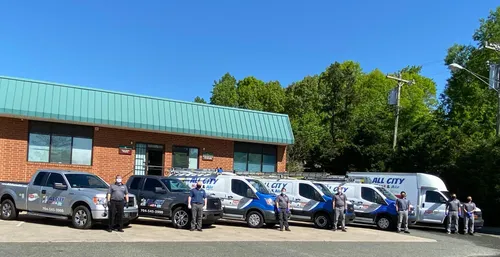
All City Heat and Air
6128 Brookshire Blvd Suite L, Charlotte, NC 28216
All City Heat and Air provides heating and cooling services in Charlotte, NC. They offer installation, repair, and maintenance for air conditioners, furnaces, and HVAC systems. Their NATE-certified technicians assist with system sizing, seasonal tune-ups, and rapid repairs. The company also specializes in indoor air quality solutions, including ductwork repair, zone control systems, and air filtration and purification. With 50 years of experience, All City Heat and Air is a Bryant Factory Authorized Dealer.
Understanding Your HVAC System Options in Gastonia
Choosing the right climate control system for your home depends on your existing infrastructure, budget, and efficiency goals. Gastonia's climate, with its hot, humid summers and relatively mild winters, influences which systems are most common and effective.
Central Air Conditioner with a Gas Furnace: This is the standard setup for homes with existing ductwork. It provides powerful, efficient cooling during the summer and reliable, fast heating in the winter using natural gas or propane. This split-system approach is a tried-and-true solution for whole-home comfort.
Heat Pump Systems: An increasingly popular choice for Gastonia homes, a heat pump provides both heating and cooling in one unit. It works by transferring heat, rather than generating it, making it exceptionally energy-efficient in our moderate climate. Modern air-source heat pumps can effectively heat homes even when outdoor temperatures dip, offering a versatile and cost-effective year-round solution 1.
Ductless Mini-Split Systems: Ideal for homes without existing ductwork, for room additions, or for creating independent temperature zones (like a sunroom or garage), ductless mini-splits are highly efficient. They consist of an outdoor compressor unit connected to one or more quiet, wall-mounted indoor air handlers, providing targeted comfort without the need for extensive duct installation 2 3.
The Step-by-Step Installation Process
A professional HVAC installation follows a meticulous sequence to ensure safety, compliance, and optimal performance. Knowing what to expect can help the project run smoothly.
- Initial Site Evaluation and Load Calculation: A reputable contractor will perform a thorough assessment of your home. This includes measuring square footage, inspecting insulation and windows, and evaluating existing ductwork. Most importantly, they will perform a Manual J load calculation to determine the precise heating and cooling capacity (in tons) your home requires-a critical step to avoid an improperly sized system.
- Permit Acquisition: Your installer will secure the necessary permits from local Gastonia or Gaston County authorities. This ensures the installation will be inspected and meet all building and safety codes.
- Preparation and Removal of Old Equipment: The work area is protected, and the old furnace, air conditioner, or heat pump is safely disconnected and removed. Proper disposal of the old unit, including recovering refrigerant, is handled by the professionals.
- New System Installation: The new outdoor condenser (for AC or heat pump) and indoor air handler or furnace are set in place. All components are leveled and secured according to manufacturer specifications. For ducted systems, this includes connecting to the existing plenum and ductwork.
- Ductwork Modification and Sealing: If your existing ducts are inadequate, damaged, or poorly sealed, this is the time for upgrades. Properly sized and sealed ductwork is essential for efficiency and comfort. New duct installation or significant modification can add to the project timeline and cost.
- Electrical and Control Wiring: New electrical connections are made to the outdoor unit and indoor air handler. A new programmable or smart thermostat is installed and wired, giving you control over your new system's operation.
- System Testing, Startup, and Commissioning: This is the most critical phase. The contractor will start the system, check refrigerant levels (for cooling), test gas pressure (for furnaces), verify airflow across the coils, and ensure all safety controls and thermostats are functioning correctly. They will also review the system's operation with you.
What to Expect: Timeline and Investment
Project Timeline
The duration of an HVAC installation project in Gastonia varies based on its complexity.
- Simple Straight Swap: Replacing an existing central air conditioner or heat pump with a new, similarly configured unit can often be completed in a single day, typically within 4 to 8 hours.
- Full System Replacement: A complete change-out of both the furnace and air conditioner (or a heat pump system) usually takes 1 to 3 days.
- Complex Installations: Projects that involve installing new ductwork throughout the home, moving equipment locations, or integrating advanced zoning systems can extend the timeline to several days or up to a week 4.
Understanding the Costs
The cost of a new HVAC system in Gastonia is influenced by the equipment type, efficiency rating, home size, and labor complexity. Here's a breakdown of what homeowners can typically expect 5.
- Average Total Cost Range: For a complete system replacement (including equipment and professional installation), most Gastonia homeowners can expect to invest between $7,000 and $16,000 or more.
- Cost for a Standard Home: For a typical 2,000 to 2,500 square foot home, installing a new central air conditioner paired with a gas furnace or a high-efficiency heat pump system often falls in the range of $10,000 to $13,500 6.
- Impact of Efficiency: Higher-efficiency models, such as those with a SEER2 rating of 16 or above, will have a higher upfront equipment cost. This can push the total installation price toward the $14,000+ range, though they offer lower monthly utility bills 7.
- Ductwork Costs: If your home needs new ductwork installed or existing ducts significantly modified, you should budget an additional $2,000 to $5,000+ to the total project cost 8.
- What's Included: A comprehensive installation quote should cover the equipment, all labor, local permit fees, necessary electrical work, the thermostat, and the final testing and startup.
Find the perfect hvac installers for your needs
Get personalized recommendations and expert advice
Key Considerations for Gastonia Homeowners
Sizing is Paramount: An oversized system will short-cycle (turn on and off too frequently), leading to poor humidity control, uneven temperatures, and increased wear. An undersized system will run constantly, struggling to keep your home comfortable and driving up energy costs. Insist on a contractor who performs a Manual J calculation 9.
Efficiency Ratings Matter: Look for the SEER2 (Seasonal Energy Efficiency Ratio) rating for air conditioners and heat pumps in cooling mode. The higher the number, the greater the efficiency. For heat pumps in heating mode, look for the HSPF2 (Heating Seasonal Performance Factor). For furnaces, the AFUE (Annual Fuel Utilization Efficiency) percentage indicates efficiency. Investing in a higher-rated unit can lead to significant long-term savings on utility bills.
The Importance of Proper Ductwork: Even the most efficient HVAC unit will underperform if connected to leaky, undersized, or poorly insulated ducts. During your evaluation, ask the contractor to assess your duct system. Sealing and insulating ducts, especially those in attics or crawl spaces, can dramatically improve system performance and comfort.
Warranties and Maintenance: Understand the warranties offered on both the equipment (often 10 years on major components) and the installer's labor. Register your equipment promptly. Plan for ongoing preventative maintenance, like annual tune-ups, to protect your investment and ensure the system operates reliably for its full lifespan.
Navigating Permits and Inspections in Gastonia
A legitimate HVAC installation will always require a permit from the City of Gastonia or Gaston County, depending on your location. Your contractor should handle this process. The permit ensures the installation meets current mechanical, electrical, and building codes. After installation, a municipal inspector will typically visit to verify the work's safety and compliance. Do not work with a contractor who suggests skipping permits; it's a red flag and can cause issues with your home insurance and future resale.
Frequently asked questions
Sources
Footnotes
-
HVAC Replacement Cost and Financing Guide - https://www.synchrony.com/blog/home/hvac-replacement-cost ↩
-
The 10 Best AC Installation Companies in Gastonia, NC (2025) - https://homeguide.com/nc/gastonia/central-air-conditioning-installation/ ↩
-
Cost to Install Central Air in 2026: How to Save - NerdWallet - https://www.nerdwallet.com/home-ownership/home-improvement/learn/cost-to-install-central-air ↩
-
How Long Does It Take To Replace Your HVAC System? - https://downeyplumbing.com/blog/how-long-does-it-take-to-replace-your-hvac-system/ ↩
-
New HVAC System Cost Calculator: Get a Custom Estimate in 2026 - https://modernize.com/hvac/cost-calculator ↩
-
What Is The Average Cost For A New HVAC System? 2025 Shocking Facts - https://comforttemp.com/what-is-the-average-cost-for-a-new-hvac-system/ ↩
-
How Much Does an Air Conditioner Cost for a 1,500-Square-Foot Home? - https://www.thisoldhouse.com/heating-cooling/air-conditioner-cost-for-1500-square-foot-home ↩
-
HVAC System Installation & Replacement | Charlotte, Gastonia - https://www.gsmsince1927.com/hvac-installation ↩
-
Step-by-Step HVAC Installation Guide - Carrier - https://www.carrier.com/residential/en/us/products/air-conditioners/hvac-installation/ ↩