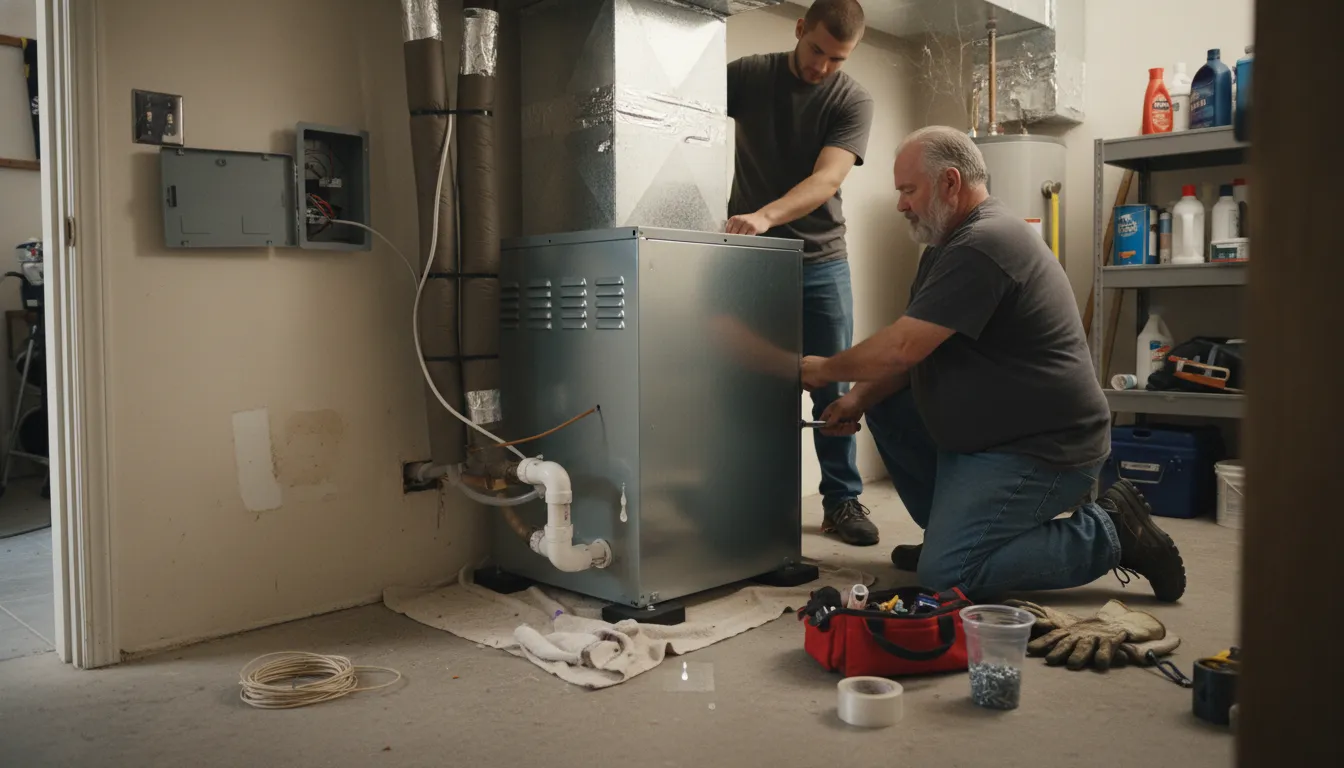
Find the Best HVAC Installers for Your Business
No obligation • Fast responses • Nationwide coverage

Why you can trust HVAC Firms
HVAC Firms is a leading United States resource for evaluating HVAC service providers. Our team researches companies, checks credentials, and reviews customer feedback to present clear, unbiased information. Listings and rankings are based on merit, and companies cannot pay to change our editorial content.
Search providers near you
Top HVAC Installers in Apex, North Carolina Ranked
Installing a new heating and cooling system is a significant investment in your home's comfort, efficiency, and value. In Apex's climate, a reliable HVAC system is essential for managing hot, humid summers and cool winters. This guide explains the key considerations for a new HVAC installation, from choosing the right system to understanding the process and potential savings, helping you connect with qualified local professionals for your project.
Blanton's Air, Plumbing & Electric
2000 Citation Dr Ste 100, Garner, NC 27529
Blanton's Air, Plumbing & Electric has been serving Raleigh, NC, and the surrounding Triangle area since 1951. They provide a wide range of home services including HVAC repair and installation for air conditioners, furnaces, heat pumps, and boilers. With over 75 years of experience, they offer comprehensive maintenance and emergency services to ensure home comfort and safety year-round. Their team is available 24/7, including after-hours support through an AI representative and live customer care, prioritizing urgent needs and flexible scheduling.
Air Works Heating & Air
5100 Unicon Dr #107, Wake Forest, NC 27587
Air Works Heating & Air is a family-owned HVAC and plumbing company serving Raleigh, NC, and the surrounding Wake County area. Since 2007, they have provided furnace and air conditioning repairs, installations, indoor air quality services, and duct cleaning. Their certified technicians work with top brands like American Standard and Mitsubishi Electric, offering services such as furnace replacements, AC tune-ups, and ductless mini split installations. The company emphasizes straightforward pricing and backs their work with a one-year parts and labor warranty.
Jay's Heating and Cooling
6616 Prescott Shore Dr, Wake Forest, NC 27587
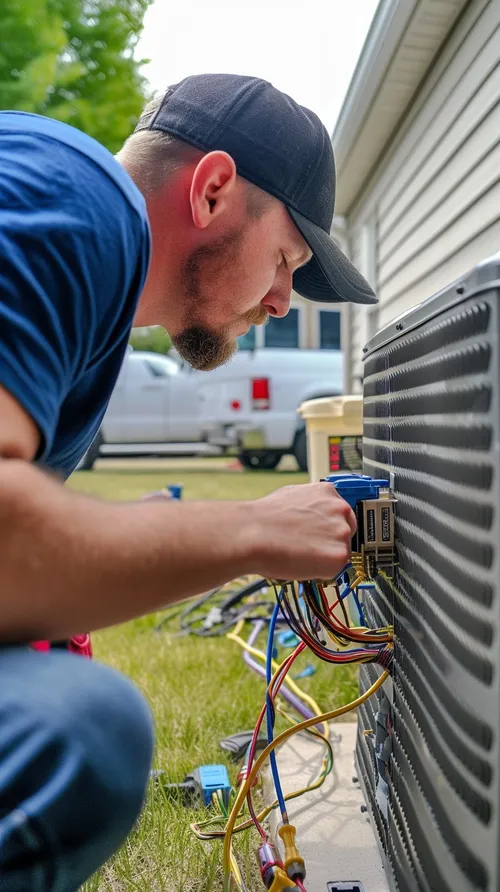
Jay's Heating and Cooling is a locally owned HVAC company serving Raleigh, NC. They provide a range of services including air conditioning repair and installation, furnace repair and installation, heat pump maintenance and repair, and HVAC tune-ups for both residential and commercial clients. The company uses advanced equipment and employs NATE certified technicians skilled in handling various HVAC systems, including those using A2L refrigerants. With over 60 years of combined experience, Jay's Heating and Cooling emphasizes quality workmanship and long-term client relationships.
Wake Forest HVAC Company
107 E Young St, Rolesville, NC 27571
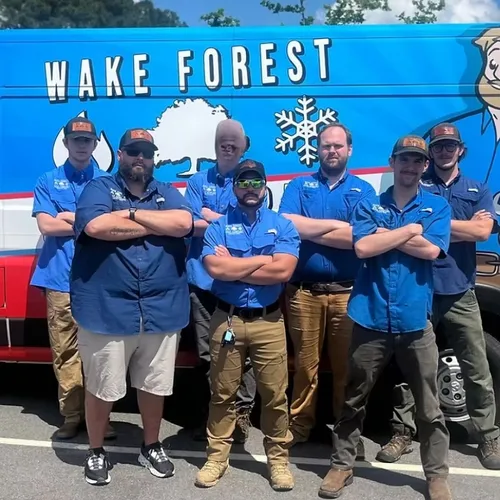
Wake Forest HVAC Company provides heating and cooling services in Raleigh, NC, and nearby areas including Rolesville, Wake Forest, and Youngsville. They offer a range of HVAC services such as air conditioning repair and installation, furnace and heat pump repair, thermostat installation, and regular maintenance tune-ups. Their preventative maintenance program includes two comprehensive visits annually to inspect and service HVAC systems, ensuring efficient operation. The company emphasizes professionalism, communication, and integrity in their work and supports their local community.
Smart Home Comfort
Raleigh, NC
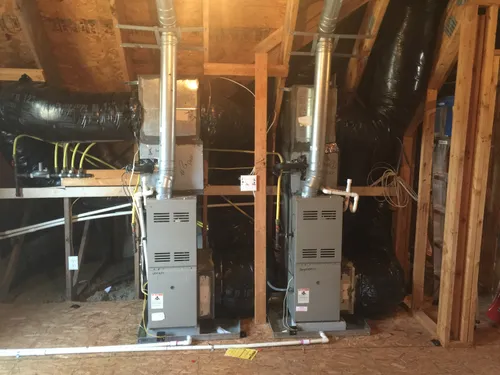
Smart Home Comfort is an HVAC company serving Raleigh, NC, specializing in heating and cooling installation, repair, and maintenance. They offer services including air conditioning and furnace repair, heat pump installation, duct cleaning, and indoor air quality improvements. The company provides AeroSeal duct sealing to improve airflow and energy efficiency. Smart Home Comfort operates with a focus on personalized service and is available 24/7 for emergency HVAC needs.
Understanding Your HVAC System Options
Selecting the right type of system is the first critical step. The choice depends on your home's layout, existing infrastructure, and your efficiency goals. In Apex, the most common residential setups are designed to handle the region's specific weather patterns.
Split Systems: This is the most prevalent configuration in Apex homes. It consists of an outdoor air conditioning unit (condenser) paired with an indoor furnace (powered by gas or electricity) or an air handler. This traditional setup provides effective whole-home heating and air conditioning through existing ductwork.
Heat Pumps: An increasingly popular and efficient choice for North Carolina's moderate climate. A heat pump provides both heating and cooling in one unit by transferring heat rather than generating it. Modern models are highly effective even in cooler temperatures, offering significant energy savings year-round 1.
Ductless Mini-Split Systems: Ideal for homes without existing ductwork, room additions, or for creating independent temperature zones. These systems feature a small outdoor unit connected to one or more indoor air handlers mounted on walls or ceilings, offering flexible installation and efficient operation 2.
The HVAC Installation Process: A Step-by-Step Guide
A professional HVAC installation follows a structured process to ensure safety, compliance, and optimal performance. Understanding these steps can help you know what to expect from start to finish.
1. Consultation and Site Evaluation: A certified technician will visit your home to assess your needs. They evaluate the home's square footage, insulation, window quality, and the condition of existing ductwork. This load calculation is crucial for determining the correct system size-a unit that's too large or too small will be inefficient and uncomfortable.
2. System Selection and Proposal: Based on the evaluation, your contractor will recommend specific systems, brands, and efficiency ratings (like SEER for cooling). You'll discuss options, compare upfront costs versus long-term energy savings, and receive a detailed written proposal 3.
3. Permit Acquisition: Your licensed contractor will handle pulling any required local permits from the Town of Apex. This ensures the installation meets all building and safety codes.
4. Preparation and Removal: On installation day, the crew will prepare the work area and safely disconnect and remove your old heating and cooling equipment, including proper disposal of refrigerant.
5. New System Installation: This core phase involves setting the new outdoor and indoor units, connecting refrigerant lines, electrical wiring, and ductwork. If new or modified ductwork is needed, this is the most time-intensive part of the job.
6. Testing, Startup, and Balancing: Once physically installed, the system is charged with refrigerant, powered on, and thoroughly tested. Technicians check for leaks, verify airflow, ensure the thermostat communicates correctly, and balance the system to deliver even comfort throughout your home.
7. Final Walkthrough and Documentation: The project manager will walk you through the new system, explain basic operation and maintenance, and provide all manufacturer warranties and documentation. They will also explain any available rebate paperwork 4.
Find the perfect hvac installers for your needs
Get personalized recommendations and expert advice
What Influences the Cost of a New HVAC System in Apex?
The total investment for a new heating and air conditioning system in Apex can vary widely. For a full system replacement, homeowners can expect a typical range of $5,000 to $15,000 or more 5. Several key factors determine where your project falls within this spectrum.
- Home Size and Layout: Larger homes require more powerful (and more expensive) equipment. The number of stories and the home's "building envelope" (windows, insulation) also impact the needed capacity 6.
- System Type and Efficiency: A basic standard-efficiency split system will cost less upfront than a high-SEER heat pump or a multi-zone ductless system. However, higher efficiency units offer lower monthly utility bills.
- Equipment Brand: Premium brands often come with a higher price tag, which may include longer warranties or advanced features. Your contractor can discuss the reliability and value of different manufacturers.
- Ductwork Modifications: If your existing ducts need sealing, repairs, or replacement, this can add $2,000 to $5,000 or more to the project cost. Homes without any ducts will require a full ductwork installation or a ductless system 7.
- Labor and Complexity: Installations that are difficult to access, require significant electrical upgrades, or involve complex zoning will increase labor time and cost.
Timelines for HVAC Replacement
Planning around the installation schedule is important. A straightforward replacement of a standard split system with no ductwork changes can often be completed in 4 to 8 hours 8 9. More complex jobs, particularly those involving new duct runs, system upgrades, or a change in system type (like switching from a furnace to a heat pump), may take 1 to 5 full days 10 8. The process from initial consultation to completed installation typically spans 1 to 3 weeks, accounting for scheduling, equipment ordering, and permit processing.
Maximizing Value with Rebates and Incentives
The out-of-pocket cost for a new, high-efficiency system can be significantly reduced through various incentives. It's crucial to ask your contractor about available programs, as they change frequently.
- Federal Tax Credits: The federal government offers tax credits for the installation of qualifying high-efficiency heat pumps and other equipment. These credits directly reduce the amount of tax you owe 11.
- Utility Company Rebates: Local utility providers, such as Duke Energy, often have rebate programs for upgrading to high-efficiency HVAC equipment. These are typically point-of-sale discounts or mail-in rebates.
- Manufacturer Rebates: HVAC equipment manufacturers frequently offer promotional rebates, especially during slower seasons, to help offset the cost of their units.
By combining these incentives, the final net investment in a more efficient system can become much more competitive with a standard model, while promising lower energy bills for years to come 12 13.
Choosing the Right HVAC Contractor in Apex
Your installation's quality and longevity depend heavily on the skill of the installer. Look for a licensed, insured, and locally established company. Check for North Carolina HVAC licensing and positive reviews from Apex residents. A trustworthy contractor will perform a detailed load calculation, provide clear written estimates, explain permit responsibilities, and offer robust warranties on both parts and labor. They should be your partner in navigating system selection, installation, and available financial incentives.
Frequently asked questions
Sources
Footnotes
-
How Much Does a New HVAC System Cost in 2025? - https://www.jacklehr.com/blog/air-conditioning-service/new-hvac-system-cost-2025/ ↩
-
Comparing 8 Common Types of HVAC Systems - BigRentz - https://www.bigrentz.com/blog/types-of-hvac-systems ↩
-
Main Components of an HVAC System | Key Parts Explained - https://www.kjheatingandair.com/main-components-of-hvac-systems ↩
-
Step-by-Step HVAC Installation Guide - Carrier - https://www.carrier.com/residential/en/us/products/air-conditioners/hvac-installation/ ↩
-
How Much Does an HVAC Cost to Replace in North Carolina? - https://lmwilson.com/blog/how-much-does-an-hvac-cost-to-replace-in-north-carolina/ ↩
-
How Big of an HVAC Unit Do I Need in North Carolina? - https://lmwilson.com/blog/how-big-of-an-hvac-unit-do-i-need-in-north-carolina/ ↩
-
How much does a new HVAC system cost? - https://apexheatingandair.com/new-hvac-system-cost/ ↩
-
How Long Does It Take To Replace Your HVAC System? - https://downeyplumbing.com/blog/how-long-does-it-take-to-replace-your-hvac-system/ ↩ ↩2
-
What is the installation timeline for my air conditioner? - https://newjupiterconstruction.com/what-is-the-installation-timeline-for-my-air-conditioner/ ↩
-
Residential HVAC Installation Process: A Comprehensive Guide - https://precisionairhc.com/blog/residential-hvac-installation-process/ ↩
-
Heat Pump Installation & Service - https://www.fogghvac.net/heat-pump ↩
-
HVAC Replacement Costs Raleigh NC | Budget Guide - https://ultraairhvacnc.com/hvac-replacement-raleigh-north-carolina ↩
-
How Much Does HVAC Replacement Cost? [2026 Data] | Angi - https://www.angi.com/articles/insider-s-price-guide-new-heating-and-cooling-system.htm ↩