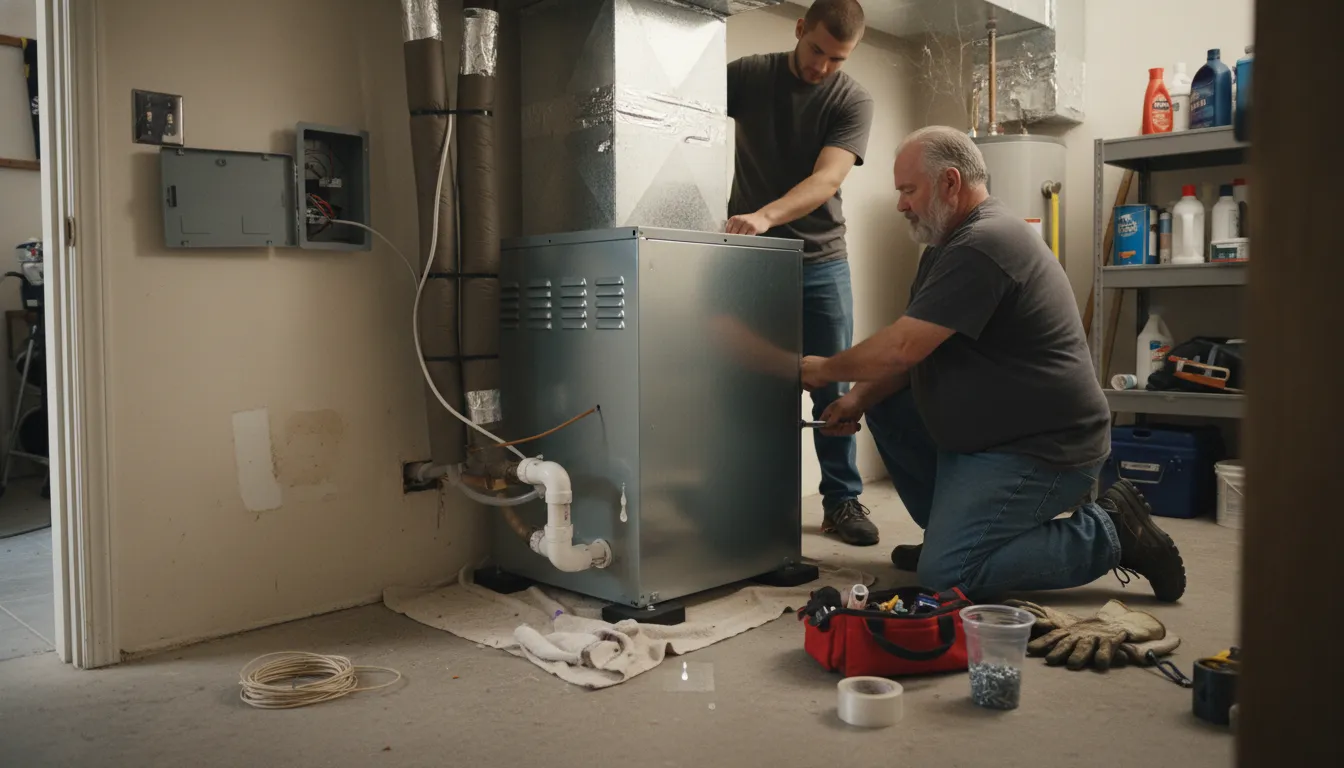
Find the Best HVAC Installers for Your Business
No obligation • Fast responses • Nationwide coverage

Why you can trust HVAC Firms
HVAC Firms is a leading United States resource for evaluating HVAC service providers. Our team researches companies, checks credentials, and reviews customer feedback to present clear, unbiased information. Listings and rankings are based on merit, and companies cannot pay to change our editorial content.
Search providers near you
Top HVAC Installers in Boston, Massachusetts Ranked
Upgrading your home's heating and cooling system is a significant investment that directly impacts your comfort, energy bills, and property value. In Boston's climate-with its humid summers and cold, snowy winters-a reliable and efficient HVAC system is essential. This guide is designed to help you understand your options for a new heating and air conditioning setup, the typical installation process, and key considerations for finding a qualified local professional to handle the job.
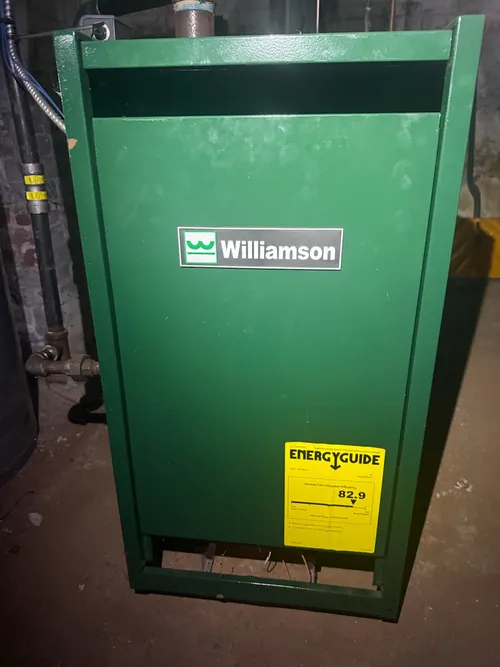
Minuteman Plumbing, Heating & Cooling
100 Garden St, Cambridge, MA 02138
Minuteman Plumbing, Heating & Cooling is a full-service provider based in Boston, MA, offering plumbing, heating, and air conditioning services for homes and small businesses. They cover Greater Boston and the South Shore, including suburbs such as Allston, Belmont, Brookline, and Somerville, as well as towns like Weymouth, Braintree, and Hingham. Their services include AC installation and repair, furnace and boiler installation and repair, HVAC tune-ups, and plumbing repairs. The company emphasizes expert assessment, clear communication, and efficient execution, with every installation backed by a lifetime workmanship guarantee. With decades of combined experience, their veteran-led team provides 24/7 emergency services and a one-hour business response time.
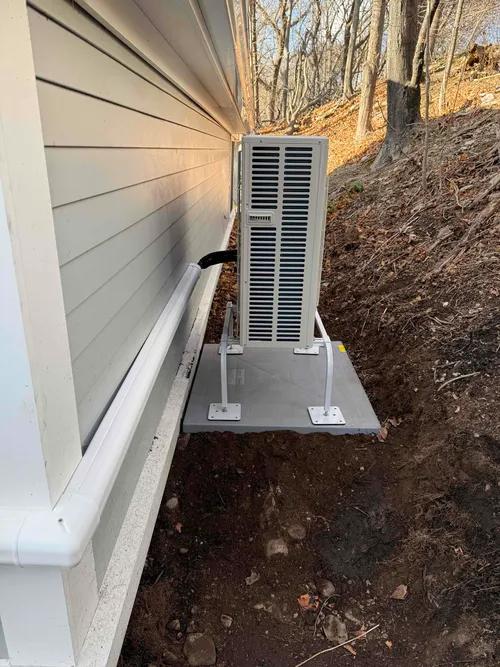
Yellow Dog Plumbing, Heating & Cooling
19 Kearney Rd, Needham, MA 02494
Yellow Dog Plumbing, Heating & Cooling is a plumbing and HVAC company serving Boston, MA, and nearby areas. They offer a wide range of services including air conditioning, furnace, heat pump, and boiler repair and installation, as well as HVAC tune-ups and indoor air quality solutions. Their technicians are equipped to handle both residential and light commercial HVAC needs, with well-stocked trucks to complete most repairs on the first visit. Yellow Dog emphasizes clear communication and customer care, providing same-day service and 24/7 live answering to support their clients' comfort and safety.
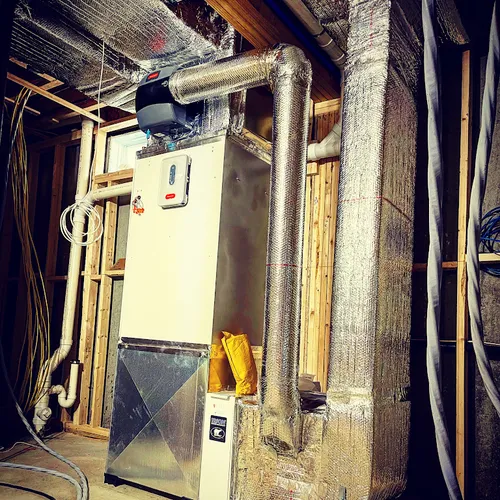
EML Mechanical
28 Pine St, Stoneham, MA 02180
EML Mechanical is an HVAC company serving Boston, MA, and the Greater Northshore Community. They provide residential and commercial heating, ventilation, and air conditioning services, including installation, repair, and tune-ups for systems like furnaces, heat pumps, and air conditioners. EML Mechanical is a MassSave-approved contractor, offering access to energy efficiency rebates and financing options. Their services also include indoor air quality solutions and thermostat installation. The company emphasizes integrity, expertise, and customer-focused service, with 24/7 emergency support available through their service membership plans.
Royal Air Systems, Inc.
210 Main St, North Reading, MA 01864
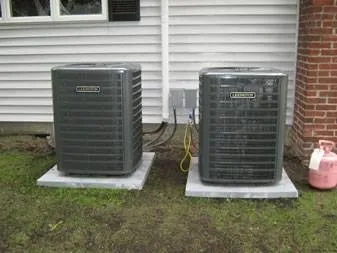
Royal Air Systems, Inc. is an HVAC company serving Boston, MA, and the surrounding North Shore communities. They offer a wide range of services including repair and installation of air conditioners, furnaces, heat pumps, and boilers. The company is known for its expertise in heat pump systems, providing flexible heating and cooling solutions that adapt to seasonal changes. Established in 1980, Royal Air Systems has over 46 years of experience in the HVAC industry. They also provide emergency after-hours service for heating repairs.
Total Comfort Mechanical
4 Garfield Cir, Burlington, MA 01803
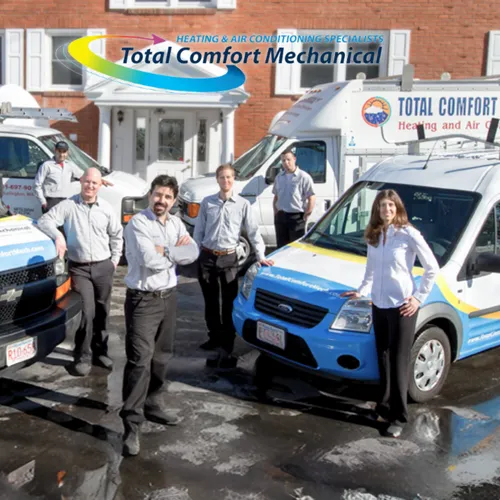
Total Comfort Mechanical is an HVAC company based in Boston, MA, specializing in air conditioning repair, installation, and heat pump services. They provide comprehensive HVAC tune-ups and system replacements, with expertise in multi-zone AC and heating units. The team is experienced in managing projects efficiently, ensuring clean and neat installations. Total Comfort Mechanical has built a reputation for knowledgeable and resourceful solutions, with direct involvement from the owner throughout each project.
Understanding Your HVAC System Options in Boston
Choosing the right system for your home involves balancing upfront cost, long-term efficiency, and your home's existing infrastructure. The most common choices for Boston homeowners include heat pumps, traditional central air and furnace combos, and boiler-based systems.
Heat Pumps are increasingly popular due to their high efficiency for both heating and cooling. They work by transferring heat rather than generating it, making them exceptionally energy-efficient. You can choose between ductless mini-split systems, which are ideal for homes without ductwork or for adding zoned comfort to specific rooms, or ducted central heat pump systems that can utilize or replace existing ductwork.
Central Air Conditioning and Furnace systems are the traditional setup for homes with existing ductwork. This involves a separate outdoor air conditioner unit and an indoor gas, oil, or electric furnace. It's a reliable choice, especially for homes already configured for forced-air heating.
Boiler Systems provide hydronic (hot water or steam) heating, often paired with a separate central air system or ductless mini-splits for cooling. While the installation of a new boiler is a major project, it can be the best solution for homes with radiators or radiant floor heating 1.
The Step-by-Step Installation Process
A professional HVAC installation is a multi-stage project that goes far beyond simply swapping units. Understanding the process can help you set realistic expectations and communicate effectively with your contractor.
- Site Evaluation and Load Calculation: A crucial first step where a technician assesses your home's size, insulation, window quality, and existing ductwork to determine the correctly sized system. An improperly sized unit will lead to inefficiency and comfort issues.
- Permit Acquisition: In Massachusetts, HVAC installations typically require a building permit from your local municipality. A reputable contractor will handle this process, ensuring the work meets all state and local codes.
- Old System Removal: The existing furnace, air handler, condenser, and related components are safely disconnected and removed from your property.
- New System Installation: This core phase involves setting up the new indoor unit (furnace or air handler), the outdoor condenser or heat pump, and the evaporator coil. All components must be leveled and securely mounted.
- Ductwork Modification or Installation: If you're installing a ducted system, existing ducts will be inspected, sealed, and possibly modified. For new ductwork, this is a significant part of the project scope.
- Electrical and Control Setup: New electrical lines may need to be run to the outdoor unit. The system will be connected to a new, compatible thermostat-often a modern programmable or smart thermostat for optimal control 2.
- Testing, Startup, and Commissioning: The final and most critical step. The technician will start the system, check refrigerant levels (for AC and heat pumps), test all safety controls, measure airflow, and ensure every component is operating correctly before handing it over to you 3.
What to Expect: Timeline and Investment
The duration and cost of your HVAC project depend heavily on the system's complexity and the condition of your home's infrastructure.
Timeline: A simple swap of a central air conditioner might be completed in as little as 4 to 8 hours 4. However, a full system replacement involving new ductwork, electrical upgrades, or a complex heat pump installation can take from 1 to 5 days4.
Cost Factors: The total investment is composed of equipment and labor. For a standard 1,500 square foot home in Boston, here are some general price ranges:
- Central Air Conditioner: $4,500 - $8,500+ (cost increases if new ductwork is needed).
- Furnace: $3,500 - $7,500.
- Heat Pump System: $5,000 - $12,000+ (cost varies per zone for ductless systems) 5.
- Professional Labor & Installation: $2,000 - $4,500+, added to the equipment cost 6.
A full central AC and furnace replacement for a 1,500 sq ft home can range from $5,500 to $14,500, with the final price heavily influenced by the system's efficiency rating (like SEER2 for AC) and brand 7 8.
Find the perfect hvac installers for your needs
Get personalized recommendations and expert advice
Financial Incentives and Rebates
Significant financial incentives can help offset the cost of a high-efficiency system. It's essential to research these before your purchase, as they often require specific equipment qualifications.
- Mass Save® Rebates: This statewide program offers generous rebates for installing eligible high-efficiency heat pumps and other ENERGY STAR® certified equipment. The rebates can amount to thousands of dollars, making heat pumps a more accessible option.
- Federal Tax Credits: The federal government offers tax credits for qualified energy-efficient home improvements, including certain heat pump systems. This credit can directly reduce the amount of income tax you owe 9.
Always confirm rebate and incentive details with your contractor and the official program websites, as terms and availability can change.
Choosing a Qualified Boston HVAC Professional
Your system's performance and longevity depend on the quality of the installation. Look for a contractor who:
- Is fully licensed, insured, and bonded to work in Massachusetts.
- Has extensive experience with the specific type of system you're installing (e.g., ductless mini-splits, high-efficiency furnaces).
- Provides a detailed, written estimate that breaks down equipment model numbers, labor, permit fees, and warranty information.
- Performs a manual J load calculation and discusses their findings with you.
- Offers strong references and has positive reviews on trusted local platforms.
Frequently asked questions
Sources
Footnotes
-
New HVAC System Cost Calculator: Get a Custom Estimate in 2026 - https://modernize.com/hvac/cost-calculator ↩
-
Main Components of an HVAC System | Key Parts Explained - https://www.kjheatingandair.com/main-components-of-hvac-systems ↩
-
Step-by-Step HVAC Installation Guide - Carrier - https://www.carrier.com/residential/en/us/products/air-conditioners/hvac-installation/ ↩
-
How Long Does It Take To Replace Your HVAC System? - https://downeyplumbing.com/blog/how-long-does-it-take-to-replace-your-hvac-system/ ↩ ↩2
-
How Much Should You Expect to Pay for a Heat Pump in Massachusetts? - https://goendlessenergy.com/blog/heat-pumps/cost-of-heat-pump-installation-massachusetts-2025/ ↩
-
Preparing to Install Central AC in Massachusetts - https://goendlessenergy.com/blog/ac-installation/central-ac-installation-massachusetts-summer-2025/ ↩
-
The Hidden Costs of HVAC Installations in Massachusetts - https://askgem.com/blog/hidden-costs-of-hvac-installations-in-massachusetts/ ↩
-
How Much Does an Air Conditioner Cost for a 1,500-Square-Foot Home? - https://www.thisoldhouse.com/heating-cooling/air-conditioner-cost-for-1500-square-foot-home ↩
-
Maine homeowners rush to install heat pumps as federal tax credits ... - https://www.youtube.com/watch?v=vign9lo5aXw ↩