Find the Best HVAC Installers for Your Business
No obligation • Fast responses • Nationwide coverage

Why you can trust HVAC Firms
HVAC Firms is a leading United States resource for evaluating HVAC service providers. Our team researches companies, checks credentials, and reviews customer feedback to present clear, unbiased information. Listings and rankings are based on merit, and companies cannot pay to change our editorial content.
Search providers near you
Top HVAC Installers in Anchorage, Alaska Ranked
Choosing the right heating and cooling system for your Anchorage home is a critical decision. The right HVAC installation ensures comfort, energy efficiency, and reliability through the long winters and mild summers. This guide is designed to help you understand your options, the process, and what to expect when upgrading or replacing your system with a local Anchorage provider.
Diamond Heating & AirTemp Alaska
5406 Lake Otis Pkwy, Anchorage, AK 99507
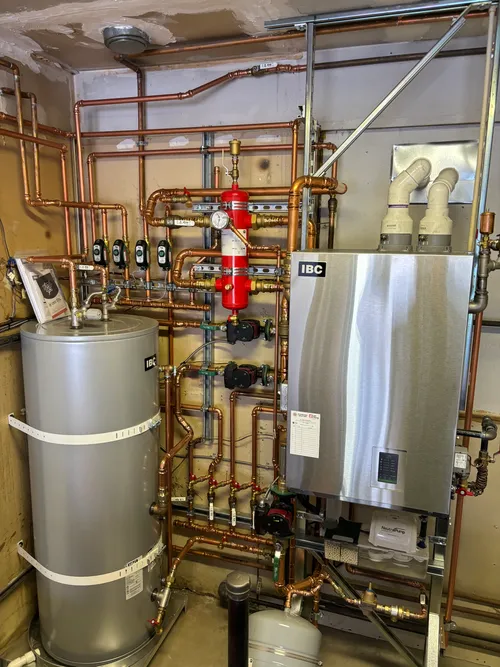
Diamond Heating & AirTemp Alaska is an HVAC company based in Anchorage, AK, offering installation, repair, and maintenance services for heating and cooling systems. Their services include furnaces, boilers, heat pumps, mini-splits, water heaters, indoor air quality solutions, and thermostat installations. With over 25 years of experience, they provide high-efficiency and reliable heating products suited for the Alaskan climate. The company also offers smart thermostats and zoning controls to enhance system performance and comfort.
Plumbing & Heating Doctor
601 Bunker Hill St Suite D, Wasilla, AK 99654
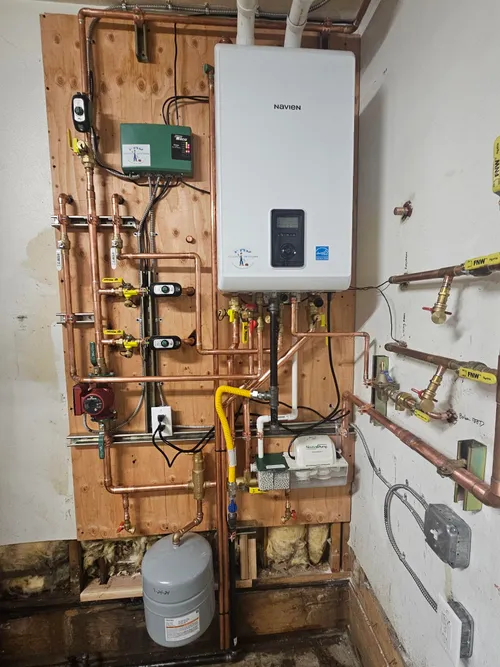
Plumbing & Heating Doctor is a locally owned plumbing, heating, and HVAC company based in Wasilla, Alaska, serving Anchorage and surrounding areas including Palmer, Big Lake, and Willow. They provide a full range of residential and commercial services such as furnace and boiler repair, installation, and HVAC tune-ups tailored to Alaska's unique climate. Their certified technicians specialize in high-efficiency water heaters, boilers, and furnaces to ensure reliable comfort and energy savings. The company offers 24/7 emergency services to address urgent heating and plumbing needs at any time.
Hardy Heating Inc
9191 E Frontage Rd, Palmer, AK 99645
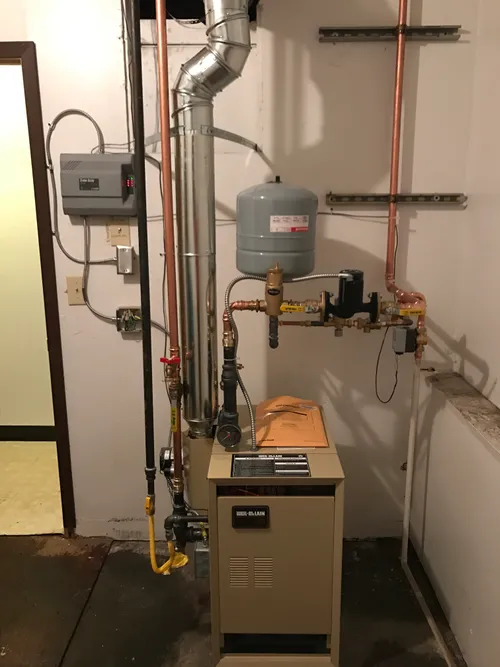
Hardy Heating Inc is an HVAC company serving Anchorage, AK, and the surrounding South Central Alaska area. Established in 1994, the company provides a range of services including air conditioning repair and installation, furnace and boiler repair and installation, and indoor air quality solutions for both residential and commercial customers. Hardy Heating offers emergency repair services and has expertise in maintaining heating and cooling systems to ensure comfortable indoor environments year-round. The company holds an A+ rating from the Better Business Bureau and is licensed and insured.
Bowker Mechanical HVAC LLC
7160 Anna Marie Dr, Wasilla, AK 99623
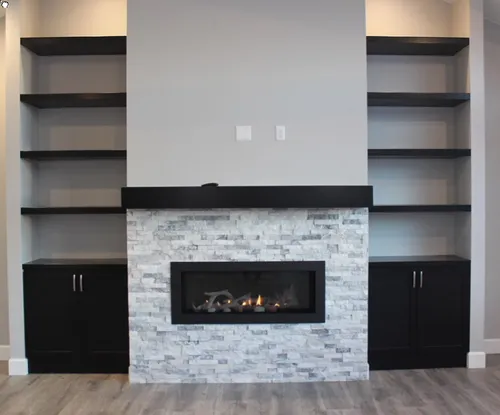
Bowker Mechanical HVAC LLC is a veteran-owned HVAC service and support company located in Wasilla, serving Anchorage, AK and the Mat-Su Valley. Founded in 1996, they provide heating, ventilation, and air conditioning installation, repair, and maintenance services for residential and commercial customers. As the only authorized Trane dealer in the Mat-Su Valley, they offer expertise in HVAC systems, including gas and wood burning fireplaces, and focus on indoor air quality solutions. Bowker Mechanical services all makes and models and is known for tailored solutions that fit unique customer needs.
HeatSource Mechanical Inc.
2551 E Palmer-Wasilla Hwy, Wasilla, AK 99654
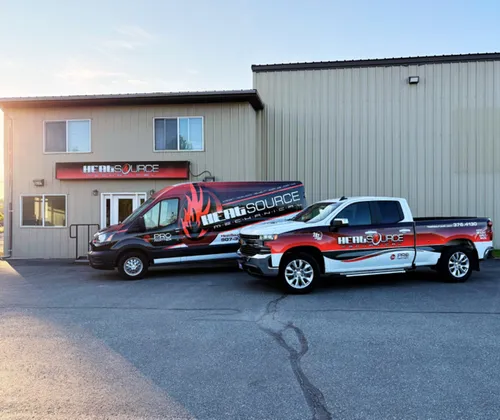
HeatSource Mechanical Inc. is an HVAC company serving Anchorage, AK, specializing in heating and air conditioning repair, installation, and indoor air quality services. They provide maintenance plans and solutions to improve ventilation and system efficiency. With over 35 years of experience, HeatSource Mechanical offers expertise in high-efficiency HVAC systems and preventative maintenance to extend equipment life and ensure safety. They serve the Wasilla and Fairbanks areas as well.
Understanding Your Anchorage HVAC System Options
Alaska's unique climate demands specialized heating and cooling solutions. The primary goal is to achieve reliable warmth during sub-zero temperatures while also providing efficient cooling for the warmer months. The most common systems installed in Anchorage homes include high-efficiency heat pumps, traditional furnace and air conditioner combos, and ductless mini-splits.
Heat Pumps (Air Source): These are an excellent, energy-efficient choice for many Anchorage homes, as they provide both heating and cooling from a single unit. Modern cold-climate air-source heat pumps are designed to operate efficiently in temperatures well below freezing. However, for periods of extreme cold, a backup heat source-such as electric resistance coils or a secondary furnace-is often recommended to ensure uninterrupted comfort 1.
Furnace & Air Conditioner (Split System): This traditional setup pairs a gas, oil, or electric furnace with a separate central air conditioner. It's a robust choice for homes that require powerful, dependable heating and desire the whole-home cooling that central AC provides. This is a common configuration for replacements in homes with existing ductwork.
Ductless Mini-Splits: Ideal for home additions, garages, or houses without existing ductwork, these systems offer zoned heating and cooling. You can control the temperature in individual rooms, which can lead to significant energy savings. They are a versatile solution for targeted comfort.
The Step-by-Step Installation Process
A professional HVAC setup is a multi-stage project that ensures your system is installed correctly and operates at peak efficiency. Here's what a typical residential installation entails 2 3:
- Initial Assessment and Planning: A qualified contractor will evaluate your home's size, insulation, existing ductwork, and your family's comfort needs. This crucial step determines the correct system size (load calculation) and the best equipment for your situation. The contractor will also handle pulling any required local permits.
- Removal of Old Equipment: The old indoor furnace or air handler, outdoor condenser (if applicable), and sometimes sections of old ductwork are safely removed and disposed of.
- New System Installation: This phase includes installing the new outdoor unit, indoor coil or air handler, connecting refrigerant lines and electrical wiring, and integrating the system with your thermostat. If new or modified ductwork is needed, that work is completed during this stage.
- System Testing and Startup: Once physically installed, the system is charged with refrigerant, all electrical connections are verified, and the system is started up. The technician will test for proper airflow, balance the system, and ensure it meets the manufacturer's specified efficiency ratings.
- Cleanup and Homeowner Walkthrough: The work area is thoroughly cleaned. Finally, the installer will walk you through the basic operation of your new system, including your thermostat, and explain maintenance requirements.
What to Expect: Timeline and Investment
Understanding the project scope helps in planning. A standard system replacement in Anchorage typically takes 1 to 3 days and is often completed within a single work week 4. More complex jobs involving extensive new ductwork, electrical upgrades, or the installation of a multi-zone system can extend the timeline to several days or even weeks.
The investment for a new HVAC system varies based on several factors. For a complete system replacement in Anchorage-including a high-efficiency furnace/heat pump, air conditioner, and associated ductwork-homeowners can expect a range of $10,000 to $20,000 or more5 6. Costs in Alaska can be influenced by the need for equipment rated for extreme cold, higher labor rates, and the logistics of working in a northern climate.
Key factors that influence the final cost include:
- System Size and Type: Larger homes require more capacity. Heat pumps, furnaces, and ductless systems all have different price points.
- Efficiency Ratings: Systems with higher SEER (cooling) and HSPF (heating) ratings cost more upfront but save on long-term energy bills.
- Equipment Brand: Premium brands often come with a higher initial cost.
- Ductwork Modifications: Repairing, replacing, or installing new ducts adds significant labor and material costs.
- Labor and Permits: Local Anchorage contractor rates and municipal permit fees are part of the total project cost 7.
Find the perfect hvac installers for your needs
Get personalized recommendations and expert advice
Critical Considerations for Anchorage Homeowners
The most important factor for any heating system installation in Alaska is cold-climate performance. When selecting a heat pump, insist on models specifically designed and rated for low-temperature operation. Verify its heating capacity at temperatures like 5°F or -10°F. For any system, ensure you have a reliable backup heat plan for extreme weather events 8.
Always get multiple quotes from local Anchorage HVAC contractors. A local professional will understand the specific challenges of installing systems in your area and can provide the most accurate assessment and pricing. They are also best equipped to navigate local building codes and permit requirements.
Finally, view your new system as a long-term investment. While the upfront cost is a consideration, prioritizing quality installation and high-efficiency equipment will pay dividends in lower utility bills, increased home comfort, and improved reliability for years to come.
Frequently asked questions
Sources
Footnotes
-
Cost to Install Central Air in 2026: How to Save - NerdWallet - https://www.nerdwallet.com/home-ownership/home-improvement/learn/cost-to-install-central-air ↩
-
Residential HVAC Installation Process: A Comprehensive Guide - https://precisionairhc.com/blog/residential-hvac-installation-process/ ↩
-
Step-by-Step HVAC Installation Guide - Carrier - https://www.carrier.com/residential/en/us/products/air-conditioners/hvac-installation/ ↩
-
How Long Does It Take To Replace Your HVAC System? - https://downeyplumbing.com/blog/how-long-does-it-take-to-replace-your-hvac-system/ ↩
-
Expert Guide to HVAC System Installation - Golden Rule - https://goldenrulephc.com/blog/a-guide-to-hvac-system-installation/ ↩
-
New HVAC System Cost Calculator: Get a Custom Estimate in 2026 - https://modernize.com/hvac/cost-calculator ↩
-
Factors to Consider When Installing a New HVAC | Fahnestock - https://fahnestockhvac.com/2023/03/13/10-factors-to-consider-when-installing-a-new-hvac-system-in-your-home/ ↩
-
What Is HVAC and How Do HVAC Systems Work? - Trane® - https://www.trane.com/residential/en/us/products/air-conditioners/hvac-installation/ ↩