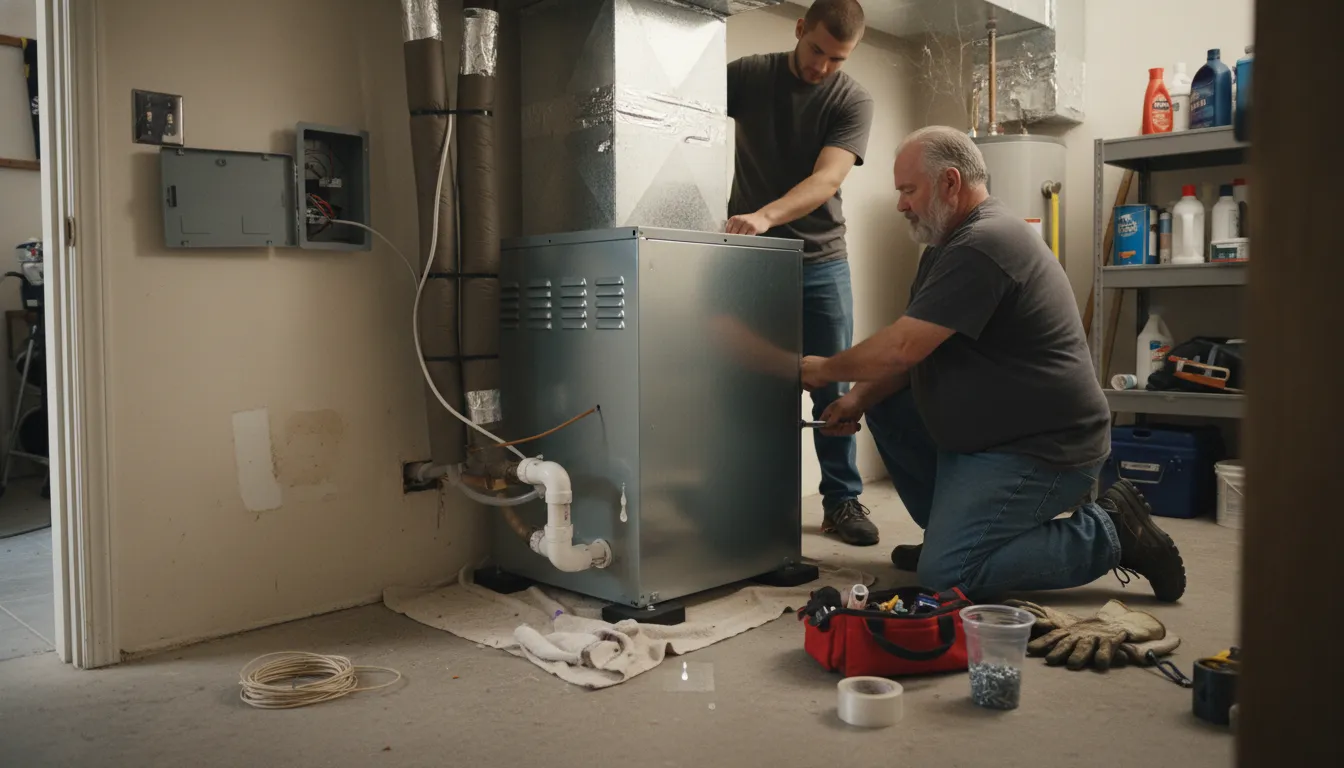
Find the Best HVAC Installers for Your Business
No obligation • Fast responses • Nationwide coverage

Why you can trust HVAC Firms
HVAC Firms is a leading United States resource for evaluating HVAC service providers. Our team researches companies, checks credentials, and reviews customer feedback to present clear, unbiased information. Listings and rankings are based on merit, and companies cannot pay to change our editorial content.
Search providers near you
Best HVAC Installers in Alaska Ranked
Choosing the right heating and cooling system for your Alaska home is a critical decision. The state's extreme climate demands reliable, high-efficiency equipment that can handle deep cold while managing energy costs. This guide explains the specialized systems suitable for Alaska, the state-specific efficiency standards you must follow, and how to find qualified local professionals to ensure your installation is safe, compliant, and effective for years to come.
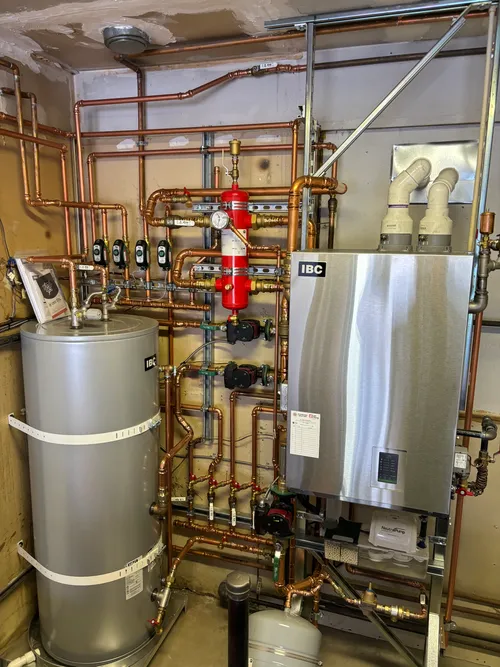
Diamond Heating & AirTemp Alaska
5406 Lake Otis Pkwy, Anchorage, AK 99507
Diamond Heating & AirTemp Alaska is an HVAC company based in Anchorage, AK, offering installation, repair, and maintenance services for heating and cooling systems. Their services include furnaces, boilers, heat pumps, mini-splits, water heaters, indoor air quality solutions, and thermostat installations. With over 25 years of experience, they provide high-efficiency and reliable heating products suited for the Alaskan climate. The company also offers smart thermostats and zoning controls to enhance system performance and comfort.
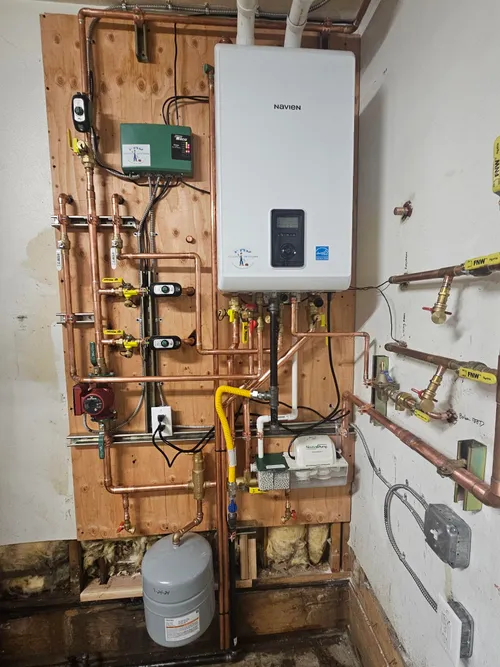
Plumbing & Heating Doctor
601 Bunker Hill St Suite D, Wasilla, AK 99654
Plumbing & Heating Doctor is a locally owned plumbing, heating, and HVAC company based in Wasilla, Alaska, serving Anchorage and surrounding areas including Palmer, Big Lake, and Willow. They provide a full range of residential and commercial services such as furnace and boiler repair, installation, and HVAC tune-ups tailored to Alaska's unique climate. Their certified technicians specialize in high-efficiency water heaters, boilers, and furnaces to ensure reliable comfort and energy savings. The company offers 24/7 emergency services to address urgent heating and plumbing needs at any time.
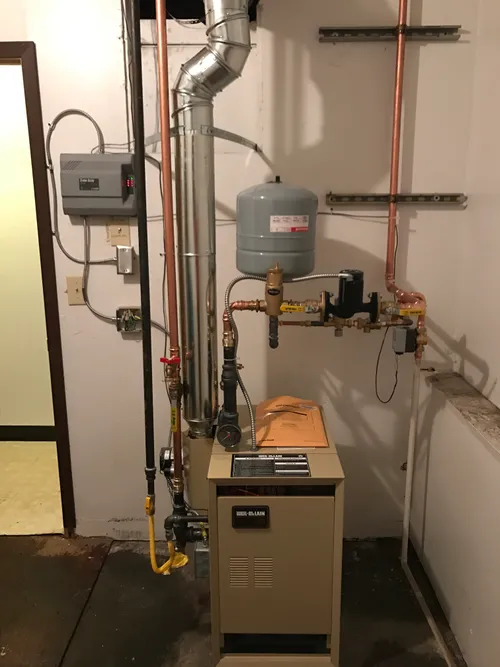
Hardy Heating Inc
9191 E Frontage Rd, Palmer, AK 99645
Hardy Heating Inc is an HVAC company serving Anchorage, AK, and the surrounding South Central Alaska area. Established in 1994, the company provides a range of services including air conditioning repair and installation, furnace and boiler repair and installation, and indoor air quality solutions for both residential and commercial customers. Hardy Heating offers emergency repair services and has expertise in maintaining heating and cooling systems to ensure comfortable indoor environments year-round. The company holds an A+ rating from the Better Business Bureau and is licensed and insured.
Bowker Mechanical HVAC LLC
7160 Anna Marie Dr, Wasilla, AK 99623
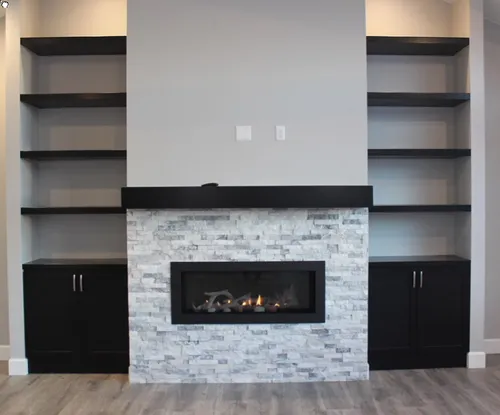
Bowker Mechanical HVAC LLC is a veteran-owned HVAC service and support company located in Wasilla, serving Anchorage, AK and the Mat-Su Valley. Founded in 1996, they provide heating, ventilation, and air conditioning installation, repair, and maintenance services for residential and commercial customers. As the only authorized Trane dealer in the Mat-Su Valley, they offer expertise in HVAC systems, including gas and wood burning fireplaces, and focus on indoor air quality solutions. Bowker Mechanical services all makes and models and is known for tailored solutions that fit unique customer needs.
HeatSource Mechanical Inc.
2551 E Palmer-Wasilla Hwy, Wasilla, AK 99654
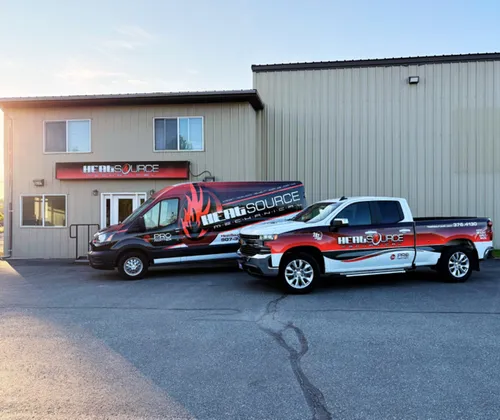
HeatSource Mechanical Inc. is an HVAC company serving Anchorage, AK, specializing in heating and air conditioning repair, installation, and indoor air quality services. They provide maintenance plans and solutions to improve ventilation and system efficiency. With over 35 years of experience, HeatSource Mechanical offers expertise in high-efficiency HVAC systems and preventative maintenance to extend equipment life and ensure safety. They serve the Wasilla and Fairbanks areas as well.
Understanding Alaska's Unique HVAC Needs
Alaska's environment presents distinct challenges for home comfort systems. Long, harsh winters with temperatures that can plummet well below zero are the primary concern, but short, sometimes warm summers also require consideration for cooling and ventilation. The key is selecting a system designed for cold-climate performance, not just generic efficiency ratings. A properly installed system must also work in harmony with Alaska's building standards, which emphasize superior insulation and air sealing to retain precious heat. This holistic approach-combining the right equipment with a well-sealed building envelope-is essential for comfort, affordability, and durability in the Last Frontier.
Popular HVAC System Types for Alaskan Homes
Given the climate, certain technologies have proven particularly effective for residential use across the state.
Ductless Mini-Split Heat Pumps
These are among the most popular choices for Alaska homes, especially for retrofits or additions. Ductless systems consist of an outdoor compressor unit connected to one or more indoor air handlers. Their major advantages include:
- Cold-Climate Efficiency: Modern cold-climate mini-splits can operate efficiently at temperatures as low as -20°F to -30°F, extracting heat from the outside air even in winter.
- Zoning Capability: You can heat (and cool) individual rooms or zones, allowing for personalized comfort and reduced energy use in unused spaces.
- No Ductwork Required: This makes them ideal for older homes without existing ducts, cabins, or room additions.
- Supplemental Heat: They are often paired with existing electric baseboard heaters or other systems to provide backup during the coldest snaps 1.
High-Efficiency Furnaces
For homes with existing ductwork, a high-efficiency gas, propane, or oil furnace remains a reliable core heating solution. These are frequently paired with a central air conditioner or an air-source heat pump for summer cooling. Key points include:
- Powerful Heating: Furnaces provide strong, consistent heat output, which is well-suited for larger homes or areas with reliable fuel infrastructure.
- AFUE Ratings: Look for furnaces with an Annual Fuel Utilization Efficiency (AFUE) rating of 95% or higher to maximize fuel savings.
- System Integration: They work seamlessly with central duct systems and can be part of a hybrid system that includes a heat pump.
Geothermal (Ground-Source) Heat Pumps
This technology offers the highest efficiency and long-term savings by using the stable temperature of the earth as a heat source and sink. Considerations for Alaska:
- Excellent Performance: They are incredibly efficient for both heating and cooling, regardless of outside air temperature.
- High Upfront Cost: Installation is expensive due to the need for significant excavation or deep drilling to install ground loops 2.
- New Construction Focus: The excavation cost is often more justifiable when coordinated with other site work during new home construction.
Alaska's Efficiency Standards and Building Codes
Compliance with state and federal regulations is not optional; it ensures your system is safe, efficient, and eligible for certain rebates.
AHFC Building Energy Efficiency Standard (BEES)
The Alaska Housing Finance Corporation's BEES is the primary residential building code in the state. It incorporates the 2018 International Energy Conservation Code (IECC) with Alaska-specific amendments. Its focus goes beyond the HVAC unit itself to the entire home's performance:
- Enhanced Envelope Requirements: Strict standards for thermal resistance (insulation), air leakage, and moisture control are mandated to reduce heat loss 3 4.
- 5-Star Rated Home Program: Many builders aim for this performance level, which signifies a home is built to the highest tier of the BEES for energy efficiency.
- System Sizing: Proper HVAC sizing, as required by code, is crucial. An oversized or undersized system will be inefficient and perform poorly.
Federal Appliance Efficiency Standards
The U.S. Department of Energy sets nationwide minimum efficiency levels for HVAC equipment. As of recent updates, these standards have increased, making high-efficiency units the new baseline. For example, the new SEER2 and HSPF2 ratings require heat pumps in northern regions to meet a minimum of 14.3 SEER2 and 7.5 HSPF2 5. Working with a knowledgeable contractor ensures your new equipment meets or exceeds these current federal mandates.
Find the perfect hvac installers for your needs
Get personalized recommendations and expert advice
Cost Considerations for HVAC Installation in Alaska
Installation costs vary widely based on system type, home size, complexity, and location. The challenging logistics and climate in Alaska can also influence labor costs. Here is a general overview of what homeowners might expect 6:
- Ductless Mini-Split System: For a single-zone system, costs typically range from $4,000 to $10,000+. Multi-zone systems for whole-home heating will be higher.
- Central Air Conditioner with a New Furnace: Installing a complete system with ductwork can range from $9,000 to $14,000 or more.
- Air-Source Heat Pump (Central): A ducted central heat pump system might cost between $8,000 and $13,000+.
- High-Efficiency / Complex Systems: Top-tier cold-climate heat pumps, geothermal systems, or installations in difficult-to-access homes can range from $12,000 to $18,000+.
In the Anchorage area, average installation costs are often cited between $6,000 and $9,000, but this is a broad estimate that can shift significantly based on the factors above 7. Always obtain detailed, written estimates from multiple contractors.
Choosing a Qualified Alaska HVAC Contractor
The installer is as important as the equipment. A proper installation is critical for efficiency, longevity, and safety.
- Verify Licensing & Insurance: Ensure the contractor holds current Alaska business and trade licenses and carries adequate liability and workers' compensation insurance.
- Check Local Experience: Look for a company with a proven track record installing your chosen system type (e.g., cold-climate heat pumps) in your region of Alaska.
- Ask About Code Compliance: A reputable contractor will be intimately familiar with AHFC BEES requirements and federal efficiency standards. They should perform a Manual J load calculation to correctly size your system.
- Review References and Portfolios: Ask for and contact recent customer references, especially for projects similar to yours.
- Get Detailed Proposals: Compare written estimates that include specific equipment models (with efficiency ratings), scope of work, warranty details, and a clear payment schedule.
Maintaining Your Alaskan HVAC System
Routine maintenance is non-negotiable in a demanding climate. For heat pumps and AC units, clear snow and debris from around the outdoor unit. Schedule professional preventative maintenance at least once a year-ideally in the fall for heating systems and spring for cooling systems. This service includes cleaning components, checking refrigerant levels, testing system controls, and ensuring all electrical connections are secure. Proper maintenance maximizes efficiency, prevents mid-winter breakdowns, and extends the life of your investment.
Frequently asked questions
Sources
Footnotes
-
HEAT PUMPS IN ALASKA - https://alaskarenewableenergy.org/wp-content/uploads/2024/10/AHFC_Heat_Pumps_In_Alaska.pdf ↩
-
How Much Does It Cost To Install A Heat Pump? (Cost Guide) - https://aquariushomeservices.com/blog/heat-pump-installation-cost/ ↩
-
Building Energy Efficiency Standard - https://www.ahfc.us/pros/builders/building-energy-efficiency-standard ↩
-
Alaska Building Energy Efficiency Standard - Insulation Institute - https://insulationinstitute.org/wp-content/uploads/2021/07/N144-AK-Building-Energy-Efficiency-Standard.pdf ↩
-
Understanding DOE Efficiency Standards for Your Home HVAC ... - https://www.americanstandardair.com/resources/blog/understanding-doe-efficiency-standards/ ↩
-
HVAC Installation Costs and Breakdowns - TMC Heating and Cooling - https://tmcservice.com/hvac-installation-costs-and-breakdowns/ ↩
-
HVAC Installation in Anchorage, AK - Costs 12 / 2025 - Homeyou - https://www.homeyou.com/ak/hvac-installation-anchorage-costs ↩