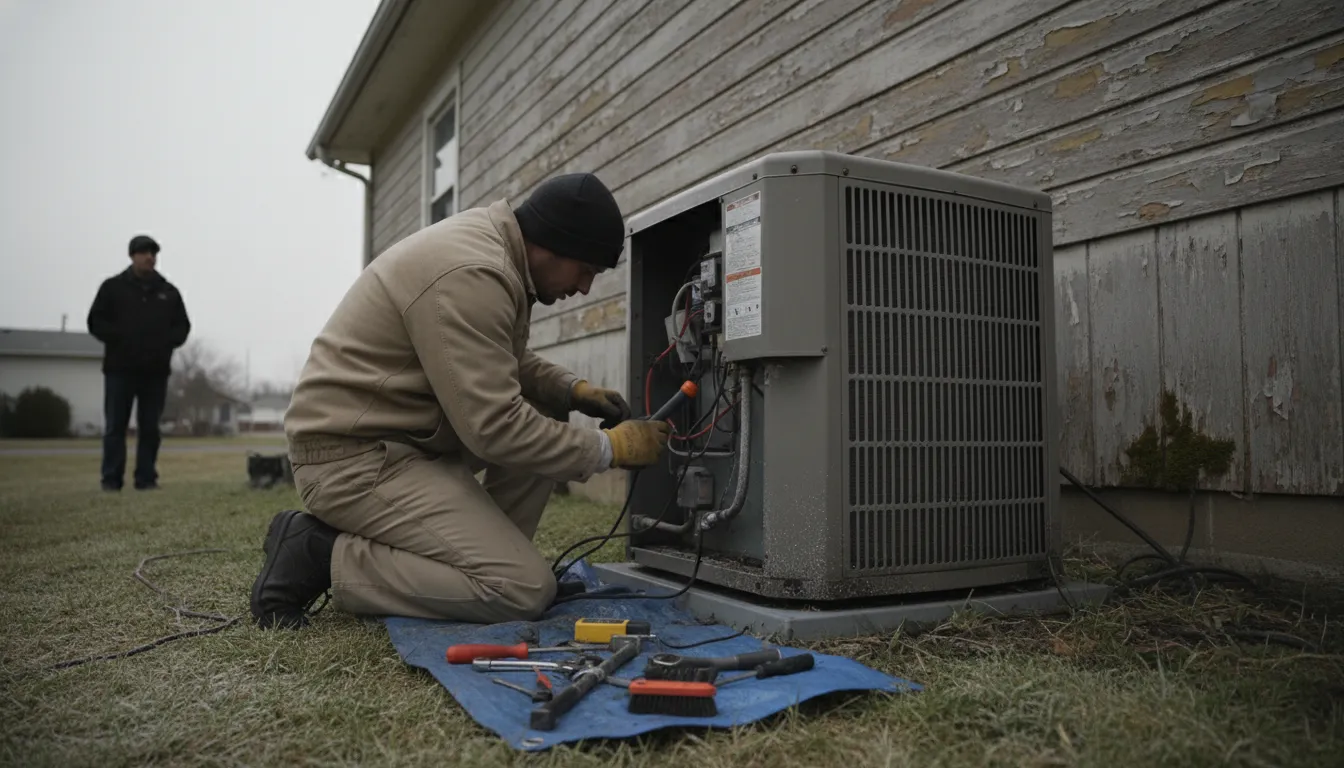
Find the Best Heat Pump Repair Contractors for Your Business
No obligation • Fast responses • Nationwide coverage

Why you can trust HVAC Firms
HVAC Firms is a leading United States resource for evaluating HVAC service providers. Our team researches companies, checks credentials, and reviews customer feedback to present clear, unbiased information. Listings and rankings are based on merit, and companies cannot pay to change our editorial content.
Search providers near you
Top Heat Pump Repair Contractors in Fort Worth, Texas Ranked
A heat pump is a versatile and efficient system that provides both heating and cooling for your home. When it malfunctions, it can disrupt your comfort and lead to higher energy bills, especially in Fort Worth's variable climate. This guide helps you understand common repair issues, the service process, and how to find qualified local technicians to restore your system's performance.
United States Home Services
1805 Royal Ln #101, Dallas, TX 75229
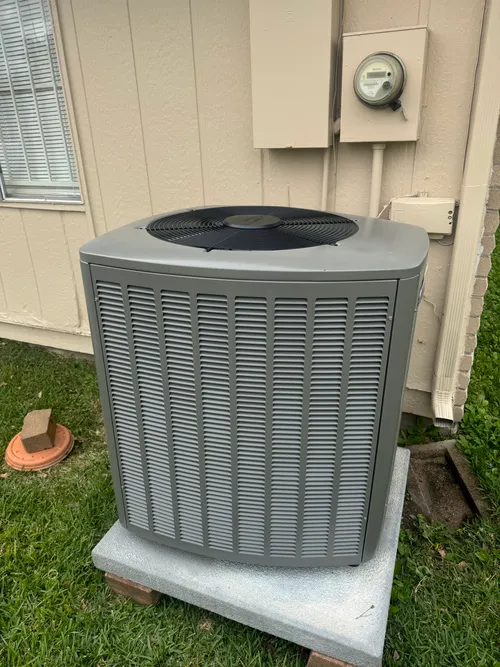
United States Home Services is a Dallas, TX-based company specializing in HVAC, plumbing, and insulation solutions. They provide a range of services including air conditioning, furnace, and heat pump repair and installation, as well as HVAC tune-ups. With over 20 years of experience, they serve homeowners throughout the Dallas metroplex, offering reliable and transparent service. One of their key capabilities is providing custom HVAC installations tailored to home comfort needs. The company emphasizes clear pricing and customer satisfaction, backed by a 100% satisfaction guarantee.
Prime AC and Heat
150 Valley Ridge Blvd Suite #102, Lewisville, TX 75057
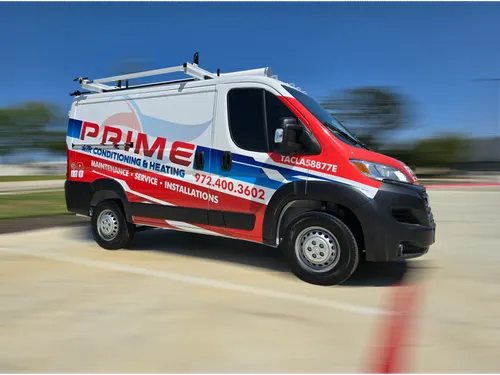
Prime AC and Heat is a residential HVAC company serving Dallas, TX, and the wider DFW metroplex, including Lewisville, Flower Mound, and surrounding areas. They offer a full range of home comfort services such as air conditioning repair and replacement, furnace installation and repair, heat pump service, duct cleaning, thermostat installation, and indoor air quality solutions. The company provides 24/7 emergency service with same-day appointments to address urgent HVAC needs. Prime AC and Heat is known for its licensed technicians, A+ BBB rating, and transparent pricing without hidden fees.
Flex Air Heating & Cooling
3999 Azle Hwy, Weatherford, TX 76085
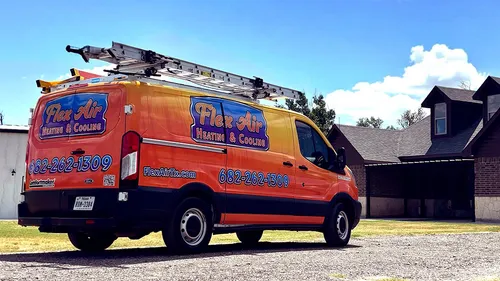
Flex Air Heating & Cooling is a furnace and heat pump repair company serving Weatherford, TX. They handle all types of furnace repairs, including gas, electric, and heat pumps, with certified technicians trained on various brands. Their services include advanced diagnostic testing to identify issues such as cracked heat exchangers and gas leaks, ensuring safety and efficient heating. Flex Air Heating & Cooling offers emergency service seven days a week to address urgent heating problems promptly.
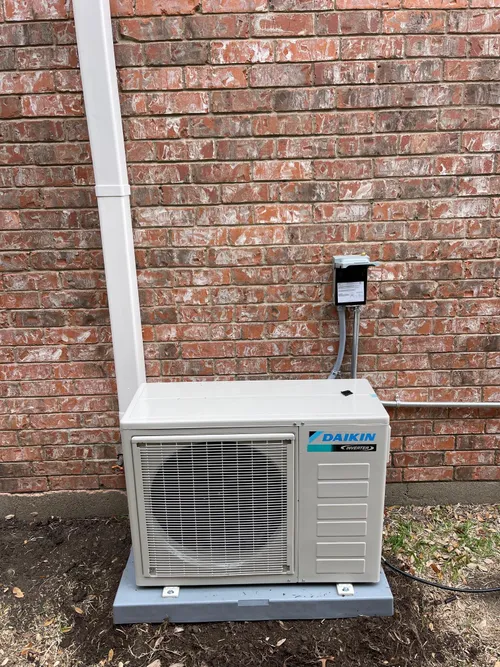
Mullins Mechanical Air Conditioning & Heating
Dallas, TX
Mullins Mechanical Air Conditioning & Heating is an HVAC company serving Dallas, TX. Established in 1979, they provide installation, repair, and maintenance services for air conditioning, furnaces, heat pumps, and indoor air quality systems for both residential and commercial properties. Their certified technicians focus on preventative maintenance and servicing all makes and models to help avoid additional repair costs. Mullins Mechanical emphasizes clear pricing and guarantees their work.
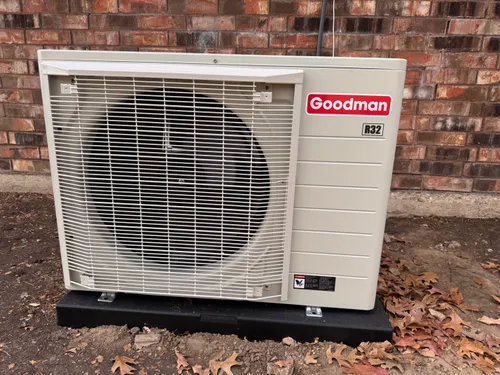
Dub's Heating and Air
501 Crandle Dr, White Settlement, TX 76108
Dub's Heating and Air is a veteran-owned HVAC company based in Fort Worth, TX. They provide a full range of heating, cooling, and indoor air quality services, including repairs, installations, and tune-ups for residential and light commercial customers. Their certified technicians focus on honest diagnostics and repairs before recommending replacements. Established in 2014, Dub's Heating and Air offers 24/7 emergency HVAC services to the Fort Worth area and surrounding communities. They serve Parker County, western Tarrant County, and nearby cities such as Weatherford, Aledo, and Benbrook.
Common Heat Pump Problems in Fort Worth Homes
Heat pumps work year-round, which can lead to specific wear and tear. Recognizing the signs of trouble early can prevent minor issues from becoming major, costly repairs. Here are the most frequent problems homeowners encounter.
Failure to Maintain Temperature: If your system runs constantly but never reaches the set point on your thermostat, it could indicate a failing compressor, low refrigerant levels, or simply an aging unit that's losing efficiency.
Weak or No Airflow: This is often one of the first noticeable signs of a problem. It can be caused by a clogged air filter, a failing blower motor, or obstructions in the ductwork that restrict air movement throughout your home.
Unusual Noises: Heat pumps should operate relatively quietly. Rattling, grinding, or screeching sounds typically point to loose components, worn bearings, or other internal mechanical failures that require immediate attention.
Ice Buildup on the Coils: While a light frost during the defrost cycle is normal, thick ice on the indoor or outdoor unit is a red flag. This often stems from a malfunctioning defrost cycle, low refrigerant, or poor airflow caused by dirty filters or coils.
Rising Energy Bills: A sudden, unexplained increase in your energy costs often means your heat pump is working harder than it should. This inefficiency can be due to electrical issues, refrigerant leaks, or components that are failing 1.
The Professional Repair Process: What to Expect
When you call a technician for heat pump service, understanding the standard procedure can help you feel informed and confident in the service you receive.
1. Initial Assessment: The technician will start by discussing the symptoms you've noticed. They will check the thermostat settings, inspect air filters for blockages, look for any visible damage to the indoor and outdoor units, and listen for abnormal sounds during startup and operation.
2. System Diagnosis: This involves a deeper inspection. The technician will examine the evaporator and condenser coils for dirt, check refrigerant pressure and levels for leaks, verify airflow across the coils, and test the defrost cycle controls and sensors. This step is crucial for pinpointing the exact cause of the malfunction.
3. Repair Recommendation and Quote: After diagnosis, the technician will explain their findings. They will outline the necessary repairs, which parts need replacement, and provide a detailed estimate that includes both labor and part costs. A reputable professional will get your approval before proceeding with any work.
4. Repair and Resolution: Once approved, the technician will perform the repairs. This may involve cleaning coils, sealing refrigerant leaks, replacing faulty components like capacitors or contactors, or recharging the refrigerant to the correct level. Finally, they will retest the entire system to ensure it is operating safely and efficiently before considering the job complete.
Find the perfect heat pump repair contractors for your needs
Get personalized recommendations and expert advice
Understanding Repair Timelines and Costs
The complexity of the issue directly influences how long a repair takes and what it will cost. Having realistic expectations can help you plan accordingly.
How Long Do Repairs Take?
- Minor Fixes: Simple tasks like replacing a clogged air filter or clearing a drainage blockage can often be completed in less than an hour 2.
- Standard Repairs: Most common component replacements or refrigerant recharges typically take between 1 to 3 hours from diagnosis to completion.
- Major Issues: Complex problems, such as a compressor failure or significant refrigerant leak repair, may take a full day or more. If a full system replacement is recommended, that project generally spans 1 to 3 days 3.
What Factors Influence the Cost?
Heat pump repair costs in Fort Worth can vary widely based on the issue, the parts required, and the service provider. Here's a general breakdown of cost components:
- Service Call/Diagnosis Fee: Most companies charge a flat fee for the technician to come to your home, which typically ranges from $75 to $150 or more 4.
- Labor Costs: Labor rates for HVAC technicians usually fall between $75 and $150 per hour, though some companies may have minimum charges or flat-rate pricing for specific repairs 5 6 7.
- Parts: The cost of replacement parts has the widest variance. A capacitor or contactor may cost a few hundred dollars, while a new compressor or coil can easily run into the thousands.
- Refrigerant: If your system has a leak, recharging the refrigerant is an additional cost on top of the leak repair itself.
Repair vs. Replacement: Making the Right Choice
A critical decision for homeowners, particularly in Fort Worth, is whether to repair an aging system or invest in a new one. The city's climate demands reliable and efficient heating and cooling, making this a significant financial and comfort consideration.
If your heat pump is over 10 to 15 years old and is requiring frequent or increasingly expensive repairs, continued investment may not be cost-effective. Newer models are substantially more energy-efficient, which can lead to significant savings on monthly utility bills. Often, the money saved on energy costs and avoided repair bills can justify the investment in a new, reliable system over time 8. A trustworthy technician can help you calculate the long-term benefits of replacement versus continuing to repair an older unit.
Maintaining Your Heat Pump After a Repair
Once your system is fixed, proper maintenance is key to preventing future breakdowns and extending its lifespan. Simple steps include changing your air filter every 1-3 months, keeping the outdoor unit clear of leaves, grass, and debris, and scheduling a professional tune-up at least once a year. Annual maintenance allows a technician to catch small issues early, clean critical components, and ensure your system operates at peak efficiency for the demanding seasons ahead.
Frequently asked questions
Sources
Footnotes
-
Heat Pump Troubleshooting: 11 Heat Pump Issues & Their Fixes - https://cielowigle.com/blog/heat-pump-troubleshooting/ ↩
-
What to Expect From a Heat Pump Service - Ideal Heating - https://idealheating.com/tips-and-advice/heat-pump-service-guide-what-to-expect ↩
-
Heat Pump & HVAC Maintenance Auckland | AC Repair Services - EPS - https://epservices.co.nz/electrical-services/heat-pump-repairs/ ↩
-
24 Hour Emergency AC Repair Service in Fort Worth, TX - https://comfortexpertsinc.com/air-conditioning/emergency-ac-repairs/ ↩
-
Fort Worth Heat Pump Repair | Ideal Partners - https://www.idealpartners.com/hvac/heating/heat-pump-repair/ ↩
-
Read Heat Pump Installation Cost Guide In Fort Worth Tx - https://r10heatandair.com/heat-pump-installation-cost/ ↩
-
Operating and Maintaining Your Heat Pump | Department of Energy - https://www.energy.gov/energysaver/operating-and-maintaining-your-heat-pump ↩
-
Expert Residential Heat Pump Repair and Installation in Fort ... - https://www.grantac.com/heat-pump-repair-installation-fort-worth-tx/ ↩