Find the Best Heat Pump Repair Contractors for Your Business
No obligation • Fast responses • Nationwide coverage

Why you can trust HVAC Firms
HVAC Firms is a leading United States resource for evaluating HVAC service providers. Our team researches companies, checks credentials, and reviews customer feedback to present clear, unbiased information. Listings and rankings are based on merit, and companies cannot pay to change our editorial content.
Search providers near you
Best Heat Pump Repair Contractors in Texas Ranked
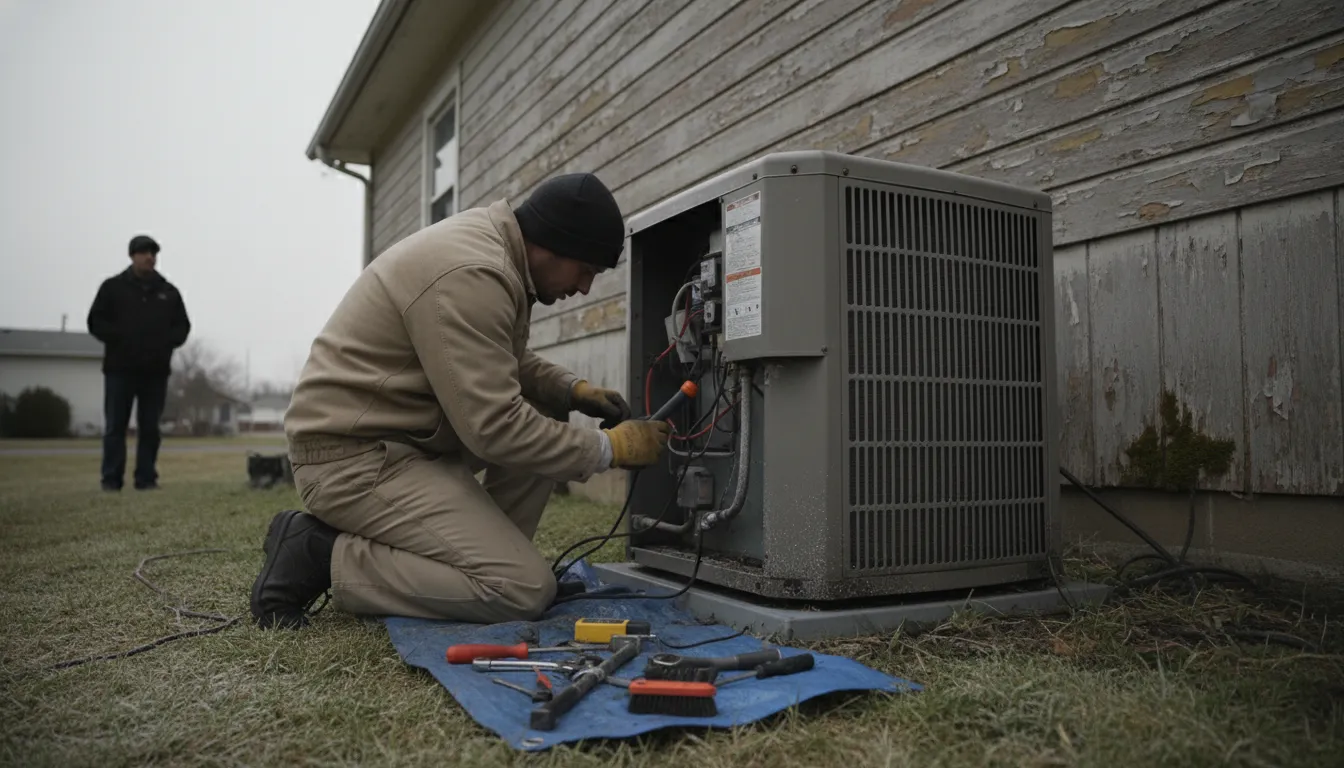
A heat pump is a versatile and efficient system for both heating and cooling your Texas home. However, the state's intense climate, with long, scorching summers and variable winters, places significant strain on these units, leading to unique repair needs. When your system falters, finding a reliable local technician is crucial for restoring comfort and efficiency. This guide explains common heat pump problems in Texas, typical repair processes, and how to connect with qualified professionals in your area to ensure your system is fixed correctly.
Legacy Home Services
2001 Wald Rd, New Braunfels, TX 78132
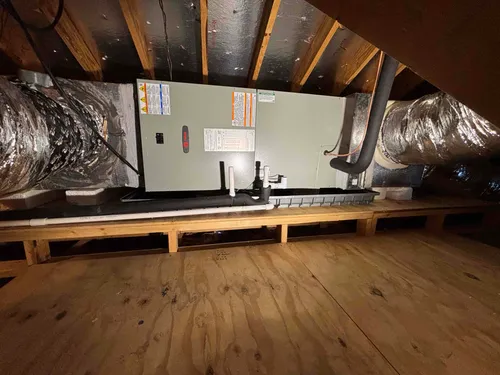
Legacy Home Services is a locally owned company providing heating, air conditioning, plumbing, and electrical services in San Antonio, TX, and surrounding areas. They offer a wide range of home comfort solutions including AC and furnace repair and installation, heat pump services, ductless system installation, indoor air quality products, and whole-home generator installation. Their team is equipped for on-site repairs and maintenance to optimize system performance and energy efficiency. Legacy Home Services also provides plumbing and electrical services, ensuring comprehensive home care. They serve multiple communities including New Braunfels, Seguin, and San Marcos, among others. The company offers emergency services and has a family plan membership for ongoing maintenance and inspections.
United States Home Services
1805 Royal Ln #101, Dallas, TX 75229
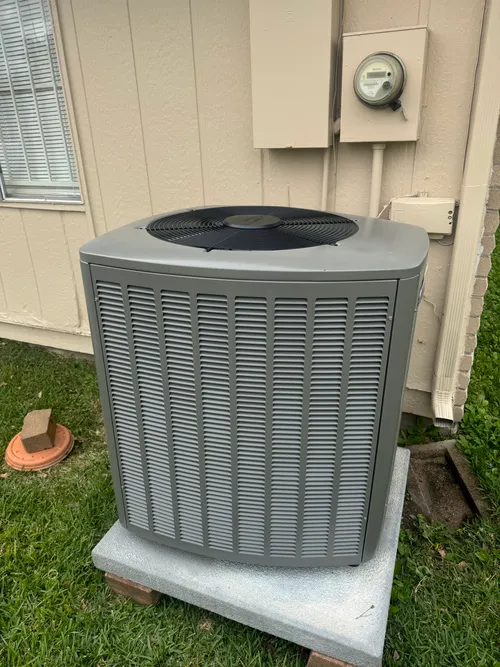
United States Home Services is a Dallas, TX-based company specializing in HVAC, plumbing, and insulation solutions. They provide a range of services including air conditioning, furnace, and heat pump repair and installation, as well as HVAC tune-ups. With over 20 years of experience, they serve homeowners throughout the Dallas metroplex, offering reliable and transparent service. One of their key capabilities is providing custom HVAC installations tailored to home comfort needs. The company emphasizes clear pricing and customer satisfaction, backed by a 100% satisfaction guarantee.
Bodensteiner Service Inc
3403 Houston Ave, Houston, TX 77009
Bodensteiner Service Inc is an HVAC company based in Houston, TX, offering heating, cooling, and indoor air quality services. They provide installation, repair, and maintenance for air conditioners, furnaces, heat pumps, mini splits, and thermostats. The company fabricates custom ductwork to ensure proper ventilation and serves the greater Houston area. As an American Standard dealer, they offer a range of indoor comfort equipment including air cleaners, UV lights, and zoning products. Bodensteiner Service Inc has experience installing many systems locally and emphasizes doing the job right the first time.
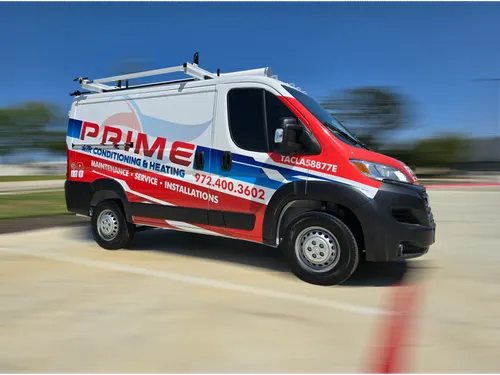
Prime AC and Heat
150 Valley Ridge Blvd Suite #102, Lewisville, TX 75057
Prime AC and Heat is a residential HVAC company serving Dallas, TX, and the wider DFW metroplex, including Lewisville, Flower Mound, and surrounding areas. They offer a full range of home comfort services such as air conditioning repair and replacement, furnace installation and repair, heat pump service, duct cleaning, thermostat installation, and indoor air quality solutions. The company provides 24/7 emergency service with same-day appointments to address urgent HVAC needs. Prime AC and Heat is known for its licensed technicians, A+ BBB rating, and transparent pricing without hidden fees.
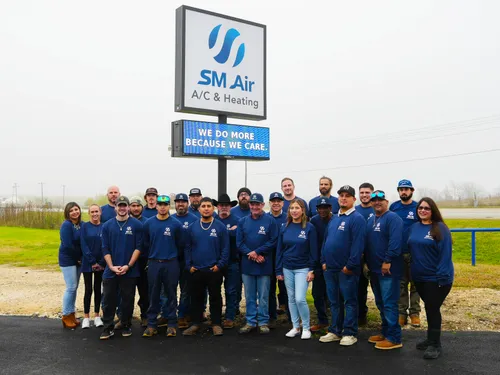
SM Air A/C & Heating
3500 TX-123, San Marcos, TX 78666
SM Air A/C & Heating provides heating and cooling services in Austin, TX, specializing in repair, installation, and maintenance of HVAC systems. Their offerings include furnace and heat pump services, air conditioning repairs and installations, and indoor air quality solutions such as air purifiers and whole-home dehumidifiers. The company serves residential customers with a focus on energy-efficient and reliable HVAC solutions. SM Air is a member of the ACCA and emphasizes using innovative technology to meet industry standards and customer needs.
Why Texas Climate is Tough on Heat Pumps
The extreme weather conditions across Texas create a uniquely demanding environment for HVAC equipment. Understanding these pressures helps explain why certain repairs are more common here.
- Intense Summer Heat: Prolonged periods of 100°F+ temperatures force heat pumps to run almost continuously in cooling mode. This non-stop operation leads to accelerated wear on components like compressors and fan motors, and increases the risk of coils freezing due to strain or low refrigerant.
- High Dust and Pollen Levels: Much of Texas is prone to high levels of dust, pollen, and other airborne debris. These particles quickly clog air filters and coat the system's evaporator and condenser coils. Dirty coils restrict airflow and reduce the system's ability to transfer heat, forcing it to work harder and less efficiently 1.
- Hard Water and Mineral Buildup: In areas with hard water, mineral scale can accumulate inside the condensate drain line and on coils, leading to clogs, water leaks, and reduced heat exchange efficiency.
Most Common Heat Pump Issues in Texas Homes
While heat pumps are reliable, several problems occur frequently due to the factors above. Recognizing the symptoms can help you describe the issue accurately to a technician.
1. Insufficient Cooling or Heating
This is often the first sign homeowners notice. Your system runs but can't keep up with the thermostat setting.
- Primary Causes: The most frequent culprit is low refrigerant charge, usually due to a leak 2. Dirty evaporator or condenser coils are a close second, as they cannot absorb or release heat properly. A failing compressor or issues with the reversing valve (which switches between heating and cooling modes) can also be to blame.
- What a Tech Will Check: A technician will measure the "temperature split"-the difference between the air going into the return and the cool air coming out of the supply vents. An abnormal split points to refrigerant or airflow problems. They will also inspect coils, check refrigerant pressure, and test electrical components.
2. Reduced Airflow from Vents
You may feel weak airflow from your registers, indicating the blower isn't moving enough air through the ductwork.
- Primary Causes: A clogged air filter is the simplest and most common fix. Beyond that, a failing blower motor, a buildup of debris on the blower wheel, or a malfunctioning capacitor that provides the motor's starting jolt can all reduce airflow.
- What a Tech Will Check: After replacing a dirty filter, the technician will inspect the blower assembly, test the capacitor with a multimeter, and ensure the ductwork isn't obstructed.
3. Short Cycling
The system turns on and off in frequent, short bursts instead of running complete cycles. This is inefficient and wears out components prematurely.
- Primary Causes: A dirty air filter or frozen coil can cause this. It can also be triggered by an oversized unit, a faulty thermostat, or a problem with the pressure sensor that shuts the system off if refrigerant pressure is too high or too low.
- What a Tech Will Check: The technician will diagnose the root cause by checking the thermostat calibration, cleaning coils, verifying refrigerant levels, and inspecting safety sensors.
4. Water Leaks or Ice Formation
Finding water around your indoor air handler or seeing ice on the outdoor unit are clear signs of trouble.
- Primary Causes: A clogged condensate drain line is a very common cause of indoor water leaks 3. Ice on the outdoor coils in summer typically indicates poor airflow (from a dirty filter or failing fan) or low refrigerant, which causes the coil to drop below freezing and condense moisture from the air 4.
- What a Tech Will Check: For leaks, the drain line will be cleared. For ice, the tech will turn the system off to let it thaw, then diagnose the underlying airflow or refrigerant issue.
5. Unusual Noises
Grinding, squealing, rattling, or banging sounds are never normal and indicate a mechanical problem.
- Primary Causes: Squealing often points to a worn blower motor belt or issues with motor bearings. Rattling may be loose parts or debris in the blower or outdoor unit. Grinding noises typically signal a serious motor bearing failure. Banging could indicate a broken connecting rod in the compressor 5.
- What a Tech Will Check: The technician will isolate the sound to a specific component (blower assembly, fan motor, compressor) and recommend repair or replacement.
Find the perfect heat pump repair contractors for your needs
Get personalized recommendations and expert advice
Understanding Heat Pump Repair Costs in Texas
Repair costs vary widely based on the component that failed, the labor required, and the price of parts. Here's a general breakdown of what you might expect for common repairs in the Texas market 6 7.
- Minor Repairs ($100 - $300): This range includes services like unclogging a condensate drain line, replacing a contactor or relay in the electrical panel, or sealing minor refrigerant leaks (after a leak test). These are common, relatively quick fixes.
- Common Component Replacements ($150 - $1,000): This covers many frequent failures. Replacing a run capacitor typically costs $150-$300. A new blower fan motor can range from $300 to $600+. Repairing a refrigerant leak (finding it, sealing it, and recharging the system) often falls between $250 and $1,000 depending on location and accessibility.
- Major System Repairs ($2,000 - $4,500+): These are significant investments. Compressor replacement is one of the most expensive repairs, often costing between $2,000 and $4,500 due to the cost of the part and the labor-intensive process 8 9. Replacing a major coil (evaporator or condenser) can also reach this upper range. At this point, it's critical to weigh the repair cost against the age and condition of the entire system, as replacement may be a more cost-effective long-term solution 9.
The Professional Repair Process: What to Expect
When you contact a professional for heat pump service, a standard process ensures a thorough fix.
- Diagnostic Visit: The technician will perform a full system inspection. This includes checking thermostat settings, measuring airflow and temperature splits, inspecting electrical components (capacitors, contactors), testing refrigerant pressure, and examining coils and the condensate system.
- Explanation & Estimate: You'll receive a clear explanation of the problem, the necessary repair, and a detailed written estimate outlining parts, labor, and any applicable warranties.
- Repair Execution: With your approval, the technician will perform the repair. This involves replacing faulty parts, recharging refrigerant to the manufacturer's exact specification, and testing all electrical connections.
- System Testing & Verification: After the repair, the technician will start the system and monitor its operation to ensure it is functioning correctly, efficiently, and safely. They should also review the work with you and provide maintenance tips.
Preventive Maintenance: Your Best Defense Against Repairs
Given the Texas climate, proactive maintenance is not a luxury-it's a necessity for system longevity and efficiency. A well-maintained heat pump is less likely to suffer a major breakdown 10 11.
- Homeowner Tasks: Change your air filter every 1-3 months, especially during peak summer. Keep the outdoor unit clear of leaves, grass, and debris (at least 2 feet of clearance). Ensure indoor vents are not blocked by furniture.
- Professional Tune-Up: Schedule an annual professional maintenance visit, ideally in the spring before cooling season. This service typically includes coil cleaning, checking refrigerant charge, tightening electrical connections, lubricating moving parts, testing system controls, and clearing the condensate drain. This visit can identify small issues before they become expensive repairs.
Choosing a skilled technician for both repairs and maintenance is the key to keeping your Texas home comfortable year-round. Look for licensed, insured, and NATE-certified professionals with strong local reviews who have specific experience with heat pumps in your region's climate.
Frequently asked questions
Sources
Footnotes
-
5 Common Causes of HVAC Breakdowns & How To Prevent Them - https://www.moncriefair.com/blog/5-causes-of-hvac-breakdowns-and-how-to-prevent-them ↩
-
Most Common Reasons for HVAC Service Calls - Power Pro Plumbing - https://www.powerproplumbing.com/blog/most-common-reasons-for-hvac-service-calls ↩
-
Seven Most Common AC Problems | Service Experts - https://www.serviceexperts.com/blog/categories/cooling/seven-most-common-ac-problems-and-how-to-fix-the/ ↩
-
Heat Pump Troubleshooting: 11 Heat Pump Issues & Their Fixes - https://cielowigle.com/blog/heat-pump-troubleshooting/ ↩
-
Some Common Heat Pump Issues That You Must Know About - Jetairco - https://www.jetairco.com/some-common-heat-pump-issues-that-you-must-know-about/ ↩
-
HVAC Repair Guide: Common Issues, Costs & Expert Solutions - https://www.bryant.com/en/us/products/hvac-repair/ ↩
-
HVAC Repair Cost Guide for Dallas, TX - Lee Air Services - https://leeairservices.com/hvac-repair-cost/ ↩
-
Average AC Repair Costs in Texas - The 2025 Guide - https://ctrairandheat.com/blog/ac-repair-costs-tx-2025/ ↩
-
HVAC Replacement vs Repair Decision Guide: North Texas ... - https://jupitairhvac.com/blog/hvac-replacement-vs-repair-decision-guide-north-texas-2025/ ↩ ↩2
-
Are Heat Pumps Efficient in Texas' Climate? - Rhythm Energy - https://www.gotrhythm.com/blog/are-heat-pumps-worthwhile-for-texas-summers-and-winters ↩
-
Operating and Maintaining Your Heat Pump | Department of Energy - https://www.energy.gov/energysaver/operating-and-maintaining-your-heat-pump ↩