Find the Best Heat Pump Repair Contractors for Your Business
No obligation • Fast responses • Nationwide coverage

Why you can trust HVAC Firms
HVAC Firms is a leading United States resource for evaluating HVAC service providers. Our team researches companies, checks credentials, and reviews customer feedback to present clear, unbiased information. Listings and rankings are based on merit, and companies cannot pay to change our editorial content.
Search providers near you
Top Heat Pump Repair Contractors in Corpus Christi, Texas Ranked
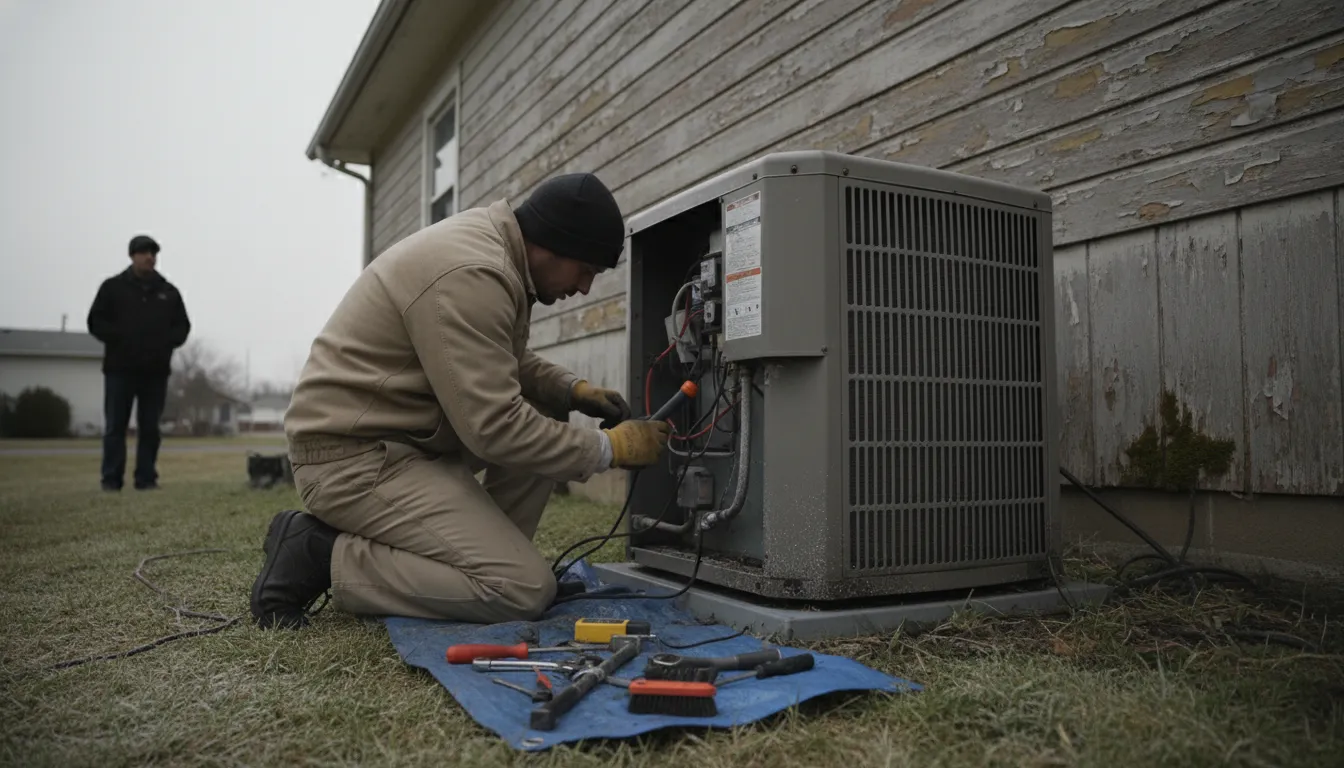
A heat pump is a versatile and efficient system for both heating and cooling your Corpus Christi home. When it malfunctions, it can lead to discomfort, high energy bills, and potential damage to the unit. This guide explains common local repair issues, what to expect during a service visit, and how to find qualified local technicians to restore your system's performance and efficiency.
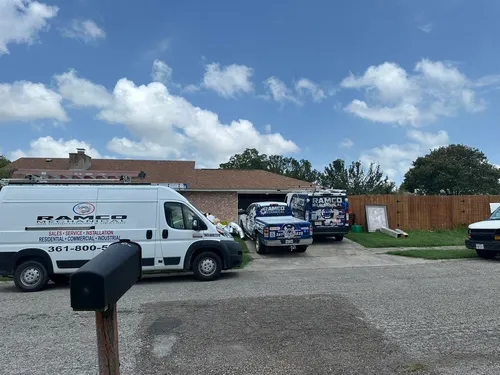
Ramco Mechanical, Inc.
241 45th St, Corpus Christi, TX 78405
Ramco Mechanical, Inc. provides heating and cooling services in Corpus Christi, TX. They offer repair, installation, and maintenance for air conditioners, furnaces, heat pumps, and HVAC systems. Their capabilities include HVAC tune-ups to ensure efficient system performance. The company serves residential customers seeking year-round home comfort.
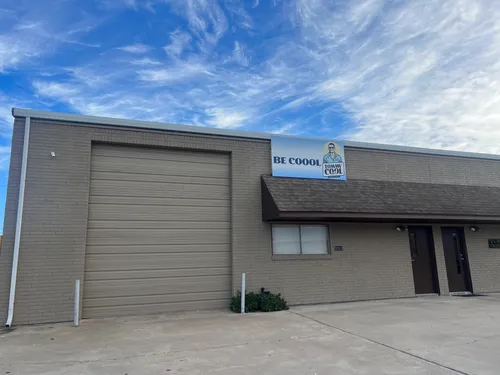
Tommy Cool Air, LLC
3728 Wow Rd Unit B, Corpus Christi, TX 78413
Tommy Cool Air, LLC is an HVAC company based in Corpus Christi, TX, offering a wide range of heating and cooling services. They provide air conditioning and furnace repair, installation of high-efficiency systems, heat pump services, ductless mini-split installation, and indoor air quality solutions including duct cleaning and UV light purification. With over 30 years of experience serving the Corpus Christi community, Tommy Cool Air understands the local climate and offers 24/7 emergency service to address urgent HVAC needs.
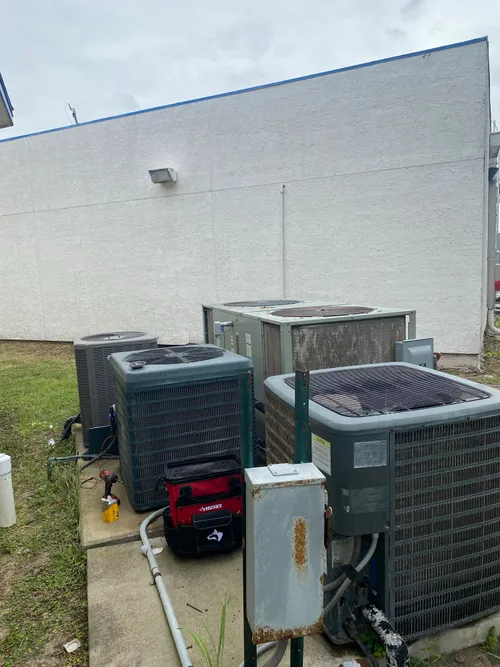
LJ HVAC & Maintenance
Corpus Christi, TX
LJ HVAC & Maintenance provides heating, cooling, and refrigeration services in Corpus Christi, TX. They serve both residential and commercial clients with HVAC repair, installation, and maintenance, including air conditioners, furnaces, heat pumps, and refrigeration units. The company offers commercial HVAC solutions and handles walk-in coolers, freezers, and display cases. With years of experience, LJ HVAC & Maintenance focuses on quality workmanship and dependable service to maintain comfort throughout the year.

Aire Serv of Corpus Christi
6000 S Padre Island Dr Ste 215, Corpus Christi, TX 78412
Aire Serv of Corpus Christi provides heating and air conditioning services in Corpus Christi, TX. They offer a range of HVAC services including air conditioner, furnace, and heat pump repair and installation, as well as thermostat installation and indoor air quality improvements. Their team also performs HVAC tune-ups and preventative maintenance to help extend system life and optimize efficiency. Aire Serv serves Corpus Christi and surrounding areas such as Falfurrias, Robstown, and Orange Grove. They are equipped to handle emergency heating and cooling repairs and provide upfront pricing for all services.

Just Better HVAC
Corpus Christi, TX
Just Better HVAC is a family-owned and operated business serving Corpus Christi, TX. They provide a range of HVAC services including installation, repair, and tune-ups for air conditioners, furnaces, and heat pumps. The company offers personalized consultations to help clients choose the best heating and cooling solutions for their homes or businesses. With three generations of experience, they emphasize honesty, integrity, and trust in their work.
Understanding Your Heat Pump System
Unlike a traditional air conditioner, a heat pump provides both heating and cooling by moving heat energy. In cooling mode, it extracts heat from inside your home and releases it outdoors. In heating mode, it reverses this process, pulling heat from the outside air-even in cooler weather-and transferring it indoors. This dual functionality makes it a critical component for year-round comfort on the Texas coast. Regular maintenance and timely repairs are essential to keep this complex system operating reliably, especially in Corpus Christi's unique climate.
Common Heat Pump Problems in Coastal Texas
The local environment in Corpus Christi presents specific challenges for HVAC systems. The high humidity and salt air can accelerate wear and lead to issues you might not encounter inland.
Coil Corrosion and Fouling
The outdoor coil (condenser) and indoor coil (evaporator) are vital for heat exchange. Coastal salt air can cause these coils to corrode faster, while high humidity and airborne debris can lead to a buildup of dirt and grime. Fouled coils act as an insulator, forcing the system to work longer and harder to achieve the desired temperature, which drastically reduces efficiency and can lead to system failure.
Frequent or Short Cycling
If your heat pump is turning on and off more frequently than usual, it's called short cycling. Common culprits in our area include clogged air filters restricting airflow, low refrigerant charge due to a leak, or a malfunctioning thermostat. This constant starting and stopping puts excessive strain on the compressor and electrical components, leading to premature wear and higher energy consumption.
Refrigerant Leaks
Refrigerant is the lifeblood of your heat pump. Leaks can develop over time due to vibration, corrosion, or physical damage to the copper lines. A low refrigerant level means your system cannot effectively heat or cool your home. Technicians must repair the leak and then recharge the system to the manufacturer's precise specifications; simply adding more refrigerant is not a fix.
Electrical Component Failures
The electrical system includes capacitors (which help motors start), contactors (which engage the compressor), and various sensors. The coastal climate can contribute to corrosion on electrical connections. A failed capacitor, for instance, can prevent a fan motor or compressor from starting, leaving your system completely non-functional.
Fan and Blower Issues
The outdoor unit has a fan to dissipate heat, and the indoor unit has a blower to circulate air through your ducts. Bearings can wear out, motors can fail, and debris like sand or leaves can obstruct fan blades, reducing airflow and causing the system to overheat.
Find the perfect heat pump repair contractors for your needs
Get personalized recommendations and expert advice
What to Expect During a Professional Service Visit
When you contact a technician for heat pump service in Corpus Christi, a systematic process ensures a thorough diagnosis and repair.
Step 1: Comprehensive Diagnosis
The technician will start by discussing the symptoms you've observed. They will then perform a visual and auditory inspection of both the indoor and outdoor units, listening for unusual noises and looking for signs of damage, ice buildup, or corrosion. They will also check your thermostat settings and history.
Step 2: Detailed System Inspection and Testing
This is the core of the service call. The technician will:
- Inspect and Clean Coils: They will check for corrosion and clean the coils to restore efficient heat transfer.
- Check Electrical Components: Using a multimeter, they will test capacitors, contactors, and wiring for proper voltage and operation.
- Test Refrigerant Levels: They will connect gauges to measure system pressure, which indicates if the refrigerant charge is correct and if there are signs of a leak.
- Measure Airflow: Proper airflow across the coils is critical. Technicians may check ductwork and blower speed.
- Verify Thermostat Calibration: Ensuring the thermostat is accurately reading temperature and sending correct signals to the heat pump.
Step 3: Performing Repairs and Maintenance
Based on the diagnosis, the technician will explain the necessary repairs. This could involve:
- Replacing a clogged air filter.
- Sealing a refrigerant leak, evacuating the system, and recharging it.
- Swapping out a failed capacitor or contactor.
- Cleaning drain lines to prevent overflow.
- Tightening electrical connections and cleaning fan blades.
Step 4: Final System Testing and Verification
After repairs are complete, the technician will restart the system and monitor its operation through a full cycle. They will verify that heating and cooling modes engage correctly, check temperature differentials, and ensure all components are functioning in harmony before considering the job complete 1.
Repair Timelines and Cost Considerations
Understanding the scope of a repair helps set realistic expectations for time and investment.
How Long Do Repairs Take?
- Diagnosis: A thorough initial inspection typically takes 30 to 60 minutes 2.
- Minor Repairs: Tasks like replacing an air filter, cleaning coils, or swapping a capacitor are often completed within 1 to 2 hours.
- Major Repairs: Fixing a refrigerant leak, replacing a fan motor, or addressing compressor issues can extend beyond 3 hours. If specialized parts need to be ordered, the repair may require a second visit 3.
Understanding Repair Costs in Corpus Christi
Costs vary significantly based on the part needed, the labor involved, and the time of year. Most companies charge a diagnostic or service call fee, which is often applied toward the repair cost.
- Service Call Fee: Typically ranges from $75 to $200.
- Air Filter Replacement: $20-$50 for a DIY filter, or $75-$150 if installed by a technician.
- Capacitor Replacement: A common repair costing between $150 and $350.
- Refrigerant Recharge: Costs $200 to $600 or more, heavily dependent on the amount of refrigerant needed and the labor required to find and repair the leak first 4.
- Compressor Repair/Replacement: This is a major repair, often ranging from $800 to $2,500 or more. In many cases, if the compressor fails and the system is older, a full heat pump replacement may be a more cost-effective long-term solution 5 6.
Always request a detailed, written estimate before authorizing any major repair work.
Maintaining Your Heat Pump for Longevity
Preventive maintenance is the best way to avoid costly repairs and extend the life of your system, particularly in a demanding coastal climate.
- Change Air Filters Regularly: Check disposable filters every month and change them at least every 90 days, or more often if you have pets or allergies. This is the single most important thing a homeowner can do 7.
- Keep the Outdoor Unit Clear: Ensure at least two feet of clearance around the outdoor condenser. Regularly remove leaves, grass clippings, and debris from the unit's fins and fan.
- Schedule Professional Tune-Ups: Have a qualified technician perform a preventive maintenance check twice a year-ideally in the spring before cooling season and in the fall before heating season. This service includes cleaning, testing, and adjusting components to catch small issues before they become big problems 8 9.
Frequently asked questions
Sources
Footnotes
-
Heat Pump Installation & Replacement in Corpus Christi - https://www.abeairconditioning.com/corpus-christi-hvac/furnace-services/heat-pump-installation/ ↩
-
My Heat Pump Isn't Heating: A Homeowner's Troubleshooting Guide - https://www.southern-air.com/blog/heat-pump-not-heating ↩
-
Heat Pump & HVAC Maintenance Auckland | AC Repair Services - EPS - https://epservices.co.nz/electrical-services/heat-pump-repairs/ ↩
-
Heat Pump Repair in Corpus Christi, TX - https://birdwellacandheating.com/heat-pump-repair-corpus-christi-tx/ ↩
-
Heat Pump Services in Corpus Christi, Texas - https://www.aaaac.us/heat-pump-repair/ ↩
-
HVAC Troubleshooting Guide: Step-by-Step Solutions Made Easy - https://projecthvac.com/2026/01/07/hvac-troubleshooting-guide-step-by-step/ ↩
-
Operating and Maintaining Your Heat Pump | Department of Energy - https://www.energy.gov/energysaver/operating-and-maintaining-your-heat-pump ↩
-
Heat Pump Servicing Auckland | Qualified Local Technicians - https://happyairheatpumps.co.nz/servicing/ ↩
-
Servicing your heat pump | Daikin - https://www.daikin.co.uk/en_gb/residential/inspiration/articles/servicing-your-heat-pump.html ↩