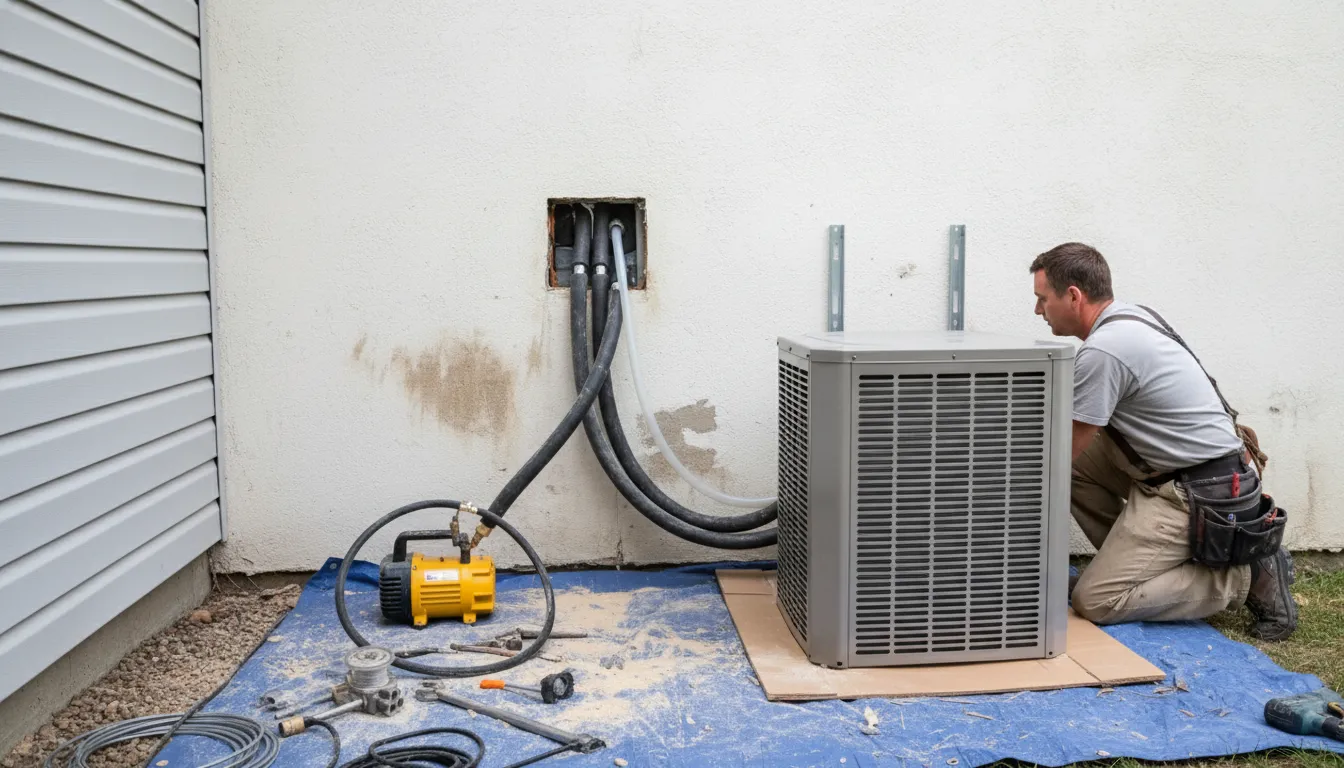
Find the Best Heat Pump Installation & Replacement Contractors for Your Business
No obligation • Fast responses • Nationwide coverage

Why you can trust HVAC Firms
HVAC Firms is a leading United States resource for evaluating HVAC service providers. Our team researches companies, checks credentials, and reviews customer feedback to present clear, unbiased information. Listings and rankings are based on merit, and companies cannot pay to change our editorial content.
Search providers near you
Top Heat Pump Installation & Replacement Contractors in Chesapeake, Virginia Ranked
Upgrading your home's heating and cooling system with a heat pump is a smart investment for Chesapeake residents, offering year-round comfort and significant energy savings. These versatile systems provide both heating and cooling from a single unit, making them an efficient solution for our region's humid summers and mild winters. This guide will help you understand the types of heat pumps available, what to consider for our local climate, and how to navigate the process of selecting a qualified local provider for your installation or replacement project.
Absolute Comfort Heating and Cooling
524 Central Dr #101, Virginia Beach, VA 23454
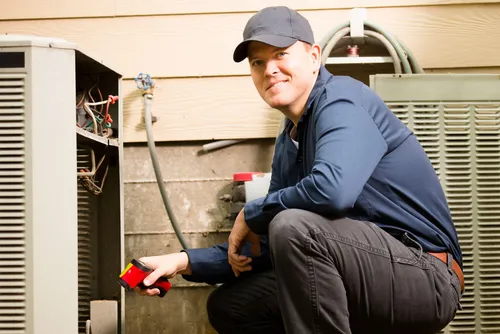
Absolute Comfort Heating and Cooling is a family-owned HVAC company serving Virginia Beach, VA, and nearby areas since 2003. They provide a wide range of services including air conditioning, heat pump, furnace, and boiler repair and installation, as well as indoor air quality solutions and ductless system services. Their NATE-certified technicians handle both residential and light commercial HVAC needs, offering expertise in system diagnostics, maintenance, and installations. The company also offers 24/7 emergency service for urgent HVAC issues.
Conner Services Inc
1359 Virginia Beach Blvd, Virginia Beach, VA 23454
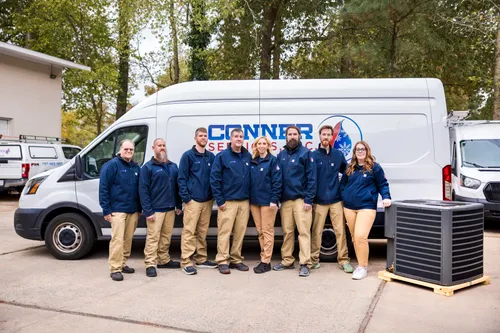
Conner Services Inc provides a wide range of heating, ventilation, and air conditioning services in Virginia Beach, VA. Their skilled technicians handle HVAC installation, repair, and maintenance for systems including furnaces, heat pumps, mini-splits, geothermal units, and ductwork. They also offer indoor air quality solutions such as filtration and UV lights, as well as smart home HVAC accessories. The company emphasizes energy-efficient options and comprehensive seasonal tune-ups to maintain system performance. Conner Services Inc holds multiple professional licenses and offers a one-year labor warranty on all services.

Aire Serv of Southside
4740 W Norfolk Rd, Portsmouth, VA 23703
Aire Serv of Southside is an HVAC company serving Virginia Beach, VA, and nearby areas including Chesapeake, Norfolk, and Portsmouth. They provide a range of heating and cooling services such as air conditioner repair and installation, furnace and heat pump maintenance, boiler services, and indoor air quality improvements. The company offers specialized capabilities like ductless mini split AC system installation and comprehensive HVAC tune-ups to enhance system efficiency. Aire Serv of Southside is locally owned and operated and is affiliated with a national network, providing access to extensive resources and continuing education. They also offer 24/7 availability for heating and air conditioning repairs to ensure customer comfort year-round.
Galactic Air Incorporated
420 Investors Pl #107, Virginia Beach, VA 23452
Galactic Air Incorporated is a locally owned HVAC company serving Virginia Beach, VA, and the surrounding South Hampton Roads area. They provide a wide range of services including repair and installation of air conditioners, heat pumps, gas furnaces, geothermal heat pumps, ductless mini split systems, and water heaters. Their technicians are nationally certified and trained on the latest HVAC technologies, with a focus on systems like Trane. Galactic Air also offers indoor air quality services and ductwork repair or replacement. The company emphasizes attention to detail and professional service in both residential and commercial settings.
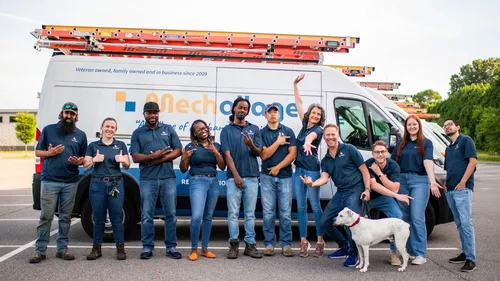
Mechollage, Inc.
4904 Rutherford Rd #102, Virginia Beach, VA 23455
Mechollage, Inc. is a veteran-owned HVAC company serving Virginia Beach, VA, and nearby communities since 2009. They provide a range of services including installation, repair, and maintenance of air conditioners, furnaces, heat pumps, mini splits, and thermostats. Specializing in Daikin Fit systems, Mechollage offers energy-efficient and quiet HVAC solutions with extended warranties. The company also provides 24/7 emergency repair services to address urgent heating and cooling needs promptly.
Understanding Heat Pump Systems
A heat pump doesn't generate heat by burning fuel; instead, it moves thermal energy from one place to another. In the summer, it extracts heat from inside your home and releases it outdoors, functioning as an air conditioner. In the winter, the process reverses, pulling heat from the outside air or ground and transferring it indoors. This method of heat transfer is inherently more energy-efficient than traditional combustion-based heating.
For homeowners in Chesapeake, this efficiency translates directly to lower utility bills. Modern systems are designed to perform effectively even in our variable coastal climate. Whether you're building a new home, replacing an aging furnace and air conditioner, or simply looking to improve your home's energy profile, a heat pump installation is a compelling option to explore.
Types of Heat Pumps for Chesapeake Homes
Not all heat pumps are the same. The right choice for your home depends on your existing infrastructure, property, and performance goals. Here are the primary system types installed in our area.
Air-Source Heat Pumps
This is the most common type of residential heat pump. Air-source units exchange heat with the outside air and are highly effective in Chesapeake's climate. They come in two main configurations:
- Ducted Systems: These connect to your home's existing network of air ducts, making them a straightforward replacement for a traditional central air system.
- Ductless Mini-Split Systems: These consist of an outdoor compressor unit connected to one or more indoor air handlers mounted on walls or ceilings. They are ideal for homes without ductwork, for room additions, or for creating independent temperature zones.
Geothermal (Ground-Source) Heat Pumps
Geothermal systems use the stable temperature of the earth a few feet below the surface as a heat exchange medium. While they have a significantly higher upfront installation cost due to the required ground loop excavation, they offer the highest efficiency and lowest operating costs over the system's lifespan. They are exceptionally reliable and quiet.
Hybrid or Dual-Fuel Systems
A hybrid system pairs an air-source heat pump with a secondary heating source, typically a gas furnace. The system intelligently switches between the two based on outdoor temperature. When it's moderately cold, the efficient heat pump runs. When temperatures drop below a certain point where the heat pump's efficiency declines, the system switches to the furnace for more effective heating. This setup can optimize energy costs based on local utility rates 1.
Key Considerations for Chesapeake's Climate
Choosing the right heat pump isn't just about the type; it's about selecting features that match our specific environmental conditions.
Managing High Humidity
Chesapeake's summers are known for high humidity. A standard single-stage heat pump may cool your home but leave it feeling clammy. For superior comfort, look for systems with:
- Variable-Speed or Multi-Stage Compressors: These can run at lower speeds for longer periods, which is crucial for effective dehumidification. They remove more moisture from the air compared to units that simply turn on and off at full power.
- High SEER Ratings: The Seasonal Energy Efficiency Ratio (SEER) measures cooling efficiency. In a humid climate, a higher SEER rating often correlates with better humidity control capabilities.
Performance in Mild Winters
Our winters are generally mild, which is perfect for standard air-source heat pump operation. However, during occasional freezing spells, a system's heating performance becomes critical.
- HSPF Rating: The Heating Seasonal Performance Factor measures heating efficiency. A higher HSPF means the unit provides more heat for the electricity it consumes 2.
- Cold Climate Operation: Modern heat pumps are effective at lower temperatures than older models. Discuss with your installer the need for a built-in electric resistance heating strip (auxiliary heat) as a backup for the coldest days, or consider a hybrid system if you have natural gas available 3.
Find the perfect heat pump installation & replacement contractors for your needs
Get personalized recommendations and expert advice
Factors Influencing Heat Pump Installation Cost
The cost for a new heat pump system in Chesapeake can vary widely, typically ranging from about $4,500 to $25,000+ for full installation 4 5 6. This broad range is due to several key factors:
- System Type and Efficiency: A basic, standard-efficiency air-source system will be on the lower end of the cost spectrum. High-efficiency models with variable-speed technology, ductless mini-split systems with multiple zones, and geothermal installations command higher prices 7.
- Home Size and Layout: The size of your home (measured in square footage and cooling/heating "load") determines the required capacity of the system, measured in tons. An undersized unit will struggle, and an oversized unit will short-cycle, reducing efficiency and comfort. A professional load calculation is essential.
- Existing Ductwork: If your home already has ductwork in good condition, installing a ducted heat pump is more economical. If ducts need modification, repair, or full replacement, this will add to the project cost. Ductless mini-splits eliminate this variable entirely 8.
- Labor and Complexity: Installation complexity, such as the need for new electrical lines, refrigerant line set runs, or attic/crawlspace work, affects labor costs. Permits required by the City of Chesapeake also factor into the total price.
- Additional Features: Integrating smart thermostats, advanced air purification systems, or zoning controls will increase the initial investment but can enhance comfort and control.
The Importance of Professional Sizing and Installation
A heat pump is a significant investment, and its performance is heavily dependent on proper sizing and expert installation. An incorrectly sized unit will lead to higher energy bills, reduced comfort, and premature system failure. Reputable local providers will perform a Manual J load calculation, which considers your home's insulation, window types, air leakage, and local climate data to determine the exact capacity needed.
Professional installation ensures the system is charged correctly, all electrical connections are safe, and the airflow across the coils is optimal. A poor installation can reduce system efficiency by 30% or more, negating the benefits of purchasing a high-efficiency model. Always seek multiple detailed quotes from established, licensed, and insured HVAC contractors in Chesapeake 9 10.
Navigating Replacement of an Old System
If you're replacing an old furnace or air conditioner, the process involves more than a simple swap. Your technician will need to assess if the existing ductwork is sized appropriately for the new heat pump's airflow requirements. They will also evaluate the condition of the refrigerant line set, electrical service, and drain lines. In some cases, upgrading these components is necessary for the new system to operate reliably and efficiently.
Replacement is also an opportune time to consider upgrading your indoor air quality. You can easily add media air filters, UV-C light systems, or whole-home dehumidifiers to work in tandem with your new heat pump, creating a comprehensive comfort system for your home.
Frequently asked questions
Sources
Footnotes
-
Heat Pump Installation in Chesapeake - FSI Home Services - https://www.fsivaair.com/hvac-services/heat-pumps/heat-pump-installation/ ↩
-
Popular Heat Pump Cooling Systems in Chesapeake - https://weathermakers.com/articles/popular-heat-pump-cooling-systems-chesapeake ↩
-
Selecting the Best Heating System for Your Home - https://chesapeakecomfortsystems.com/blog/heating-systems-explained/ ↩
-
Affordable A/C Installation Costs in Chesapeake, VA | Russell's American Mechanical - https://americanmechanicalva.com/air-conditioning-installation-costs-chesapeake-va/ ↩
-
How Much Does a New HVAC Cost in Virginia in 2024? - United Air Temp - https://www.unitedairtemp.com/dc-metro-area/blog/how-much-dpes-a-new-hvac-cost-in-virginia/ ↩
-
Cost of a Heat Pump Installation in 2025 - https://www.cabshvac.com/heat-pump-installation-cost/ ↩
-
Heat Pump Replacement Cost Guide by The Otter Guys - https://calltheotterguys.com/heat-pump-replacement-cost/ ↩
-
Heat Pump Cost Explained: What to Expect for Your Home Upgrade - https://www.leokobco.com/post/heat-pump-cost-explained ↩
-
2026 Heat Pump Cost Guide: Purchase, Installation & Repair - Carrier - https://www.carrier.com/residential/en/us/products/heat-pumps/how-much-does-a-heat-pump-cost/ ↩
-
How Much Do Heat Pumps Cost? (2024 Price Estimate Guide) - https://jarboes.com/knowledge-center/how-much-do-heat-pumps-cost/ ↩