
Find the Best Geothermal Heat Pump Contractors for Your Business
No obligation • Fast responses • Nationwide coverage

Why you can trust HVAC Firms
HVAC Firms is a leading United States resource for evaluating HVAC service providers. Our team researches companies, checks credentials, and reviews customer feedback to present clear, unbiased information. Listings and rankings are based on merit, and companies cannot pay to change our editorial content.
Search providers near you
Top Geothermal Heat Pump Contractors in Renton, Washington Ranked
Geothermal heat pumps, also known as ground-source heat pumps, are a highly efficient method for heating and cooling your home by leveraging the stable temperatures found underground. For homeowners in Renton, this technology offers a reliable way to significantly reduce energy bills and environmental impact. This guide explains how these systems work, the installation process, and how you can connect with qualified local professionals to explore this sustainable option for your property.
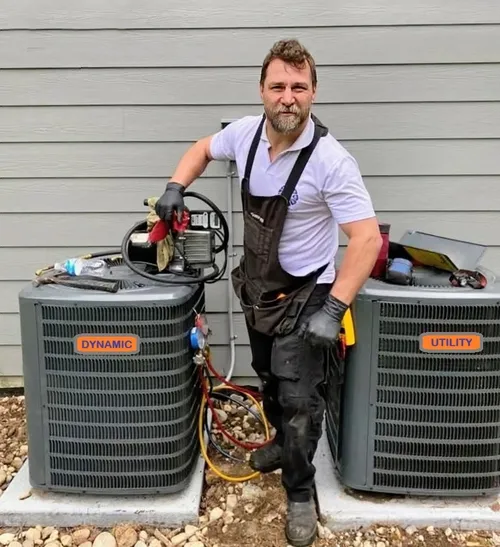
Dynamic Utility Services, Inc.
531 N 188th St, Shoreline, WA 98133
Dynamic Utility Services, Inc. is an HVAC contractor based in Seattle, WA, offering a wide range of heating and cooling services. They handle installation, repair, and maintenance of air conditioning, furnaces, heat pumps, boilers, mini split systems, geothermal heat pumps, and thermostats. The company also provides gas piping, sheet metal work, and fireplace services. Established in 2006, Dynamic Utility Services serves the greater Seattle area and offers 24-hour emergency services for urgent HVAC needs.
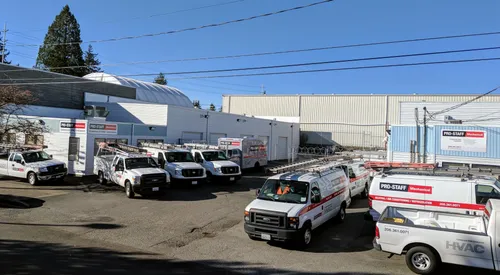
Pro-Staff Mechanical, Inc
902 N 127th St, Seattle, WA 98133
Pro-Staff Mechanical, Inc is a full-service commercial heating, air conditioning, and refrigeration contractor based in Seattle, WA. They offer a wide range of HVAC services including system design, installation, duct work fabrication, and indoor air quality solutions. Serving the Puget Sound area, Pro-Staff Mechanical provides 24-hour emergency service and customized preventive maintenance programs to support their commercial clients.
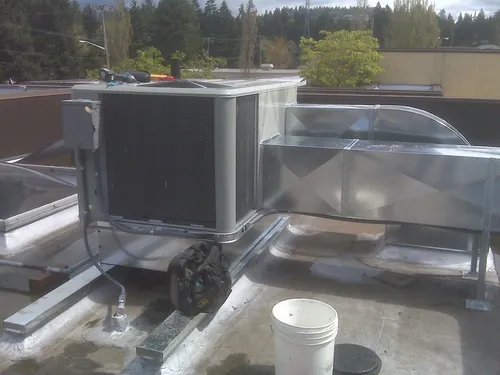
EarthHeat Geothermal, Heat Pumps and Radiant flooring
21002 Ricci Rd, Monroe, WA 98272
EarthHeat Geothermal, Heat Pumps and Radiant Flooring is a geothermal heat pump contractor based in Seattle, WA. They specialize in installing geothermal systems that use the earth's natural heat to provide sustainable heating and cooling solutions. Their services focus on eco-friendly energy options that deliver consistent comfort and energy efficiency.
How Geothermal Heating and Cooling Works
The core principle behind a geothermal system is simple: it exchanges heat with the earth, not the outside air. Just a few feet below the surface, the ground in Renton maintains a nearly constant temperature of 50-60°F year-round. This thermal stability is the system's powerhouse.
A geothermal heat pump uses a network of buried pipes, called a ground loop, filled with a water-based fluid. In the winter, this fluid circulates through the loop, absorbing the earth's natural warmth. The heat pump then concentrates this low-grade heat and delivers it as warm air through your home's existing ductwork. During Renton's summer, the process reverses: the system extracts heat from your home, transfers it to the fluid in the loop, and disperses it into the cooler ground, providing air conditioning. Because it moves heat rather than generating it through combustion, a geothermal system operates with remarkable efficiency.
Types of Geothermal Ground Loops
The ground loop is the heart of the system, and its configuration depends on your property's characteristics. There are two primary categories: closed-loop and open-loop systems.
Closed-Loop Systems (Most Common) These systems continuously circulate a sealed, environmentally friendly antifreeze solution through a buried pipe circuit. They are the most widely installed type and come in several layouts:
- Horizontal Loop: Pipes are laid in trenches 5 to 8 feet deep. This is often the most cost-effective option but requires a significant amount of land, typically half an acre or more.
- Vertical Loop: For properties with limited space, like many in Renton, vertical loops are ideal. Contractors drill boreholes 150 to 400 feet deep and insert U-shaped pipe loops. While the drilling increases upfront costs, it minimizes land use and can be very effective in most soil types 1.
- Pond/Lake Loop: If you have a suitable body of water on your property, coils of pipe can be submerged at an adequate depth. This can be a lower-cost alternative to trenching or drilling, provided the water volume and quality are sufficient 2.
Open-Loop Systems This design uses groundwater directly from a well as the heat exchange fluid. After passing through the heat pump, the water is discharged back into a well, pond, or stream. Open-loop systems can be highly efficient but require an abundant supply of clean water and must comply with local codes regarding water discharge.
The Installation Process for Renton Homes
Installing a geothermal system is a significant project that requires professional expertise. The process typically follows these key steps:
- Site Assessment: A qualified installer will evaluate your property to determine the best loop type. They will consider soil composition, available land, rock content, and groundwater accessibility. This assessment is critical for designing an effective and efficient system.
- Loop Installation: This is the most substantial phase. For a horizontal system, excavators dig long trenches. For a vertical system, a drilling rig creates the necessary boreholes. The high-density polyethylene pipes are then placed and connected into a continuous loop before the trenches or holes are carefully backfilled with a special grout to ensure good thermal contact 3 4.
- Indoor Unit Connection: The ground loop is connected to the geothermal heat pump unit inside your home, which is often installed where your old furnace resided. This unit is then integrated with your existing ductwork to distribute conditioned air throughout your home 5.
Find the perfect geothermal heat pump contractors for your needs
Get personalized recommendations and expert advice
Understanding Costs and Long-Term Savings
The decision to invest in a geothermal system involves weighing higher initial costs against substantial long-term savings.
Upfront Investment For a typical Renton home, a complete geothermal heating and cooling system, including the ground loop and heat pump, generally ranges from $20,000 to over $40,000. The final cost is highly variable and depends on your home's size, the chosen loop type (vertical loops often cost more than horizontal), soil conditions, and the complexity of the installation.
Ongoing Financial Benefits The operational savings are where geothermal systems shine. By leveraging the earth's consistent temperature, they can reduce your energy consumption for heating, cooling, and even hot water production by 30% to 70% compared to conventional systems 6 7. This translates to dramatically lower monthly utility bills. The payback period-the time it takes for energy savings to equal the installation cost-typically ranges from 4 to 15 years, depending on local energy rates, installation costs, and available incentives 8. After the payback period, the continued savings go directly into your pocket.
Local Considerations for Renton Properties
When planning for a geothermal system in Renton, a few local factors come into play:
- Lot Size: With varying lot sizes in the area, the vertical loop is a common and practical solution for homes with smaller yards, as it requires minimal surface area.
- Soil and Geology: The feasibility and cost of drilling or trenching can be influenced by soil type and bedrock. A professional site assessment will identify any potential challenges 9.
- Professional Expertise: Choosing an installer with specific experience in geothermal systems is crucial. They will understand local permitting requirements, soil conditions, and the best practices for ensuring your system's efficiency and longevity.
Frequently asked questions
Sources
Footnotes
-
How to Choose the Right System for Your Home - Morrison Inc. - https://morrisongeothermal.com/how-to-choose-the-right-system-for-your-home/ ↩
-
Geothermal Heating, Cooling, and Hot Water Systems - https://igshpa.org/wp-content/uploads/Homeowners-Guide-to-Geothermal.pdf ↩
-
Geothermal Heat Pumps | WBDG - https://www.wbdg.org/resources/geothermal-heat-pumps ↩
-
Geothermal Ground Loop FAQs - Dandelion Energy - https://dandelionenergy.com/geothermal-ground-loop-frequently-asked-questions ↩
-
All You Need to Know About Home Geothermal Heating & Cooling - Dandelion Energy - https://dandelionenergy.com/all-you-need-to-know-about-home-geothermal-heating-cooling ↩
-
Everything You Need to Know About Geothermal Heat Pumps - https://www.familyhandyman.com/article/everything-you-need-to-know-about-geothermal-heat-pumps/ ↩
-
How Does a Geothermal System Work? - ClimateMaster - https://www.climatemaster.com/homeowner/side-links/how-it-works ↩
-
Geothermal Heat Pump Guide: Installation Costs, Types And Benefits - https://modernize.com/hvac/heating-repair-installation/heat-pump/geothermal ↩
-
How Do Geothermal Systems Work for Residential Homes? - https://www.davisheat.com/blog/how-do-geothermal-systems-work-for-residential-homes/ ↩