Find the Best Geothermal Heat Pump Contractors for Your Business
No obligation • Fast responses • Nationwide coverage

Why you can trust HVAC Firms
HVAC Firms is a leading United States resource for evaluating HVAC service providers. Our team researches companies, checks credentials, and reviews customer feedback to present clear, unbiased information. Listings and rankings are based on merit, and companies cannot pay to change our editorial content.
Search providers near you
Top Geothermal Heat Pump Contractors in Memphis, Tennessee Ranked
Geothermal heat pumps, also known as ground-source heat pumps, are a highly efficient method for heating and cooling your home by leveraging the earth's stable underground temperature. This technology is particularly relevant in Memphis, where it can significantly reduce energy bills and environmental impact. This guide explains how these systems work, what installation entails for local properties, and how you can connect with qualified specialists to explore your options.
Automatic Air Conditioning, Heating, Plumbing & Electric
3470 Tchulahoma Rd, Memphis, TN 38118
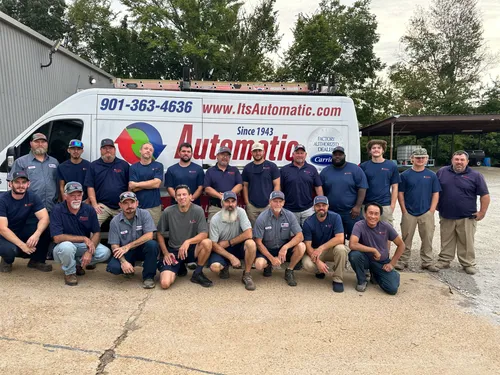
Automatic Air Conditioning, Heating, Plumbing & Electric has been serving Memphis, TN, and the surrounding areas since 1943. The company offers a wide range of services including HVAC installation, repair, and maintenance, as well as plumbing and electrical work. They are experienced in handling air conditioning, furnace, boiler, and geothermal heat pump systems, and provide 24/7 emergency service for HVAC, plumbing, and electrical needs. As a long-standing Carrier partner since 1956, they install locally manufactured units and support the local economy.
Comfortable LLC
356 New Byhalia Rd #4, Collierville, TN 38017
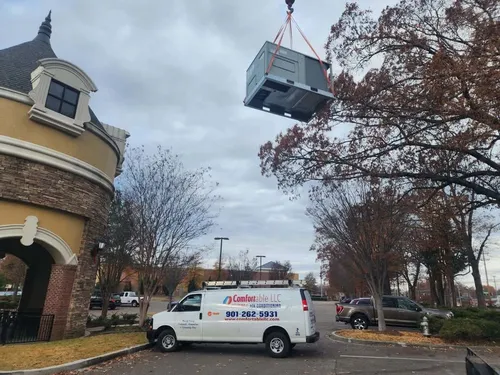
Comfortable LLC is an HVAC and electrical service provider located in Memphis, TN. They offer a wide range of services including installation, repair, and maintenance of heating and cooling systems such as air conditioners, furnaces, heat pumps, boilers, mini splits, and geothermal heat pumps. Comfortable LLC also provides indoor air quality solutions and electrical and lighting services. As a Trane dealer, they supply various indoor comfort products and specialize in emergency service available 24/7. With over ten years of experience, they serve Memphis and surrounding communities including Collierville, Germantown, Cordova, and East Memphis.
Renfrow Heating, Air, & Plumbing, LLC
8357 Industrial Dr, Olive Branch, MS 38654
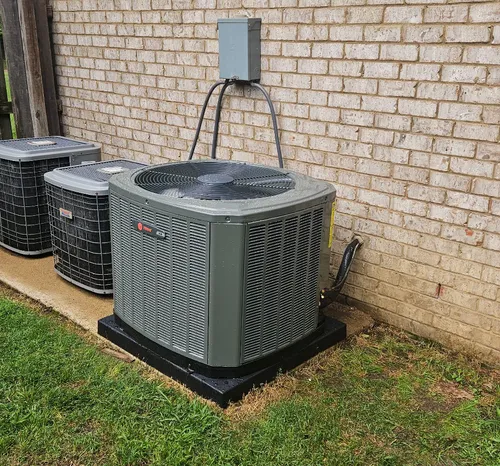
Renfrow Heating, Air, & Plumbing, LLC is a licensed HVAC and plumbing contractor serving Memphis, TN. They offer a range of services including installation and repair of air conditioners, furnaces, heat pumps, mini splits, and geothermal systems. The company also provides duct cleaning, indoor air quality solutions such as Plasma AirREME HALO®, thermostat installation, and HVAC tune-ups to maintain system efficiency. Renfrow Heating, Air, & Plumbing is a Trane® dealer and supports both residential and commercial customers with customized comfort solutions. They offer service agreements to help prevent emergencies and are available for emergency service when needed.
Precision, LLC
2099 Thomas Rd Suite 23, Memphis, TN 38134
Precision, LLC is a family-owned HVAC company serving Memphis, TN, since 1973. They provide a wide range of services including air conditioning, heating, ventilation, indoor air quality solutions, and home comfort systems. Their expertise covers installation, repair, and maintenance of air conditioners, furnaces, heat pumps, boilers, mini splits, geothermal heat pumps, and duct cleaning. Precision also offers specialized services such as energy assessments, insulation, duct sealing, and programmable thermostat installation. With over 48 years of experience, they focus on whole-home comfort and energy efficiency, using building science to improve indoor environments. All employees are drug tested, background checked, and continuously trained, ensuring trusted service without subcontractors.
Cannon Bros AC & Heat
5492 Old Hwy 78, Memphis, TN 38118
Cannon Bros AC & Heat is an HVAC company serving Memphis, TN, and surrounding communities. They specialize in residential, commercial, and industrial heating and air conditioning services, including installation, repair, and tune-ups for systems such as air conditioners, furnaces, heat pumps, mini splits, and geothermal heat pumps. As a Trane® dealer, they offer a range of indoor comfort products and have expertise in indoor air quality solutions like humidifiers and air cleaners. Established in 1953, Cannon Bros AC & Heat brings decades of experience to their work and provides emergency service when needed.
How Geothermal Heating and Cooling Works
A geothermal system doesn't create heat by burning fuel; instead, it moves existing heat. The process relies on a simple principle: just a few feet below the surface, the earth maintains a nearly constant temperature, typically between 55°F and 70°F year-round in Tennessee. A geothermal heat pump system uses this stable resource as a source of warmth in the winter and a place to deposit excess heat in the summer.
The system circulates a water-based fluid through a loop of pipes buried in the ground. During the heating season, this fluid absorbs the earth's warmth. The warm fluid is pumped back to the indoor heat pump unit, which concentrates the thermal energy and distributes it as warm air through your home's ductwork. In the cooling mode, the process reverses: the system extracts heat from your indoor air and transfers it into the cooler fluid, which then carries the heat back into the ground 1. This efficient heat exchange is why geothermal systems can deliver three to five units of heating or cooling energy for every one unit of electrical energy they consume.
Types of Ground Loops for Memphis Properties
The buried pipe system, called the ground loop, is the heart of the installation. The right type for your Memphis home depends on your available land, soil conditions, and budget. There are three primary configurations.
Vertical Closed Loops are the most common choice for residential properties with limited yard space. Contractors drill deep boreholes, typically 150 to 400 feet deep, and insert U-shaped pipes into each hole. The holes are then grouted. This vertical approach minimizes landscape disruption but involves higher drilling costs 2.
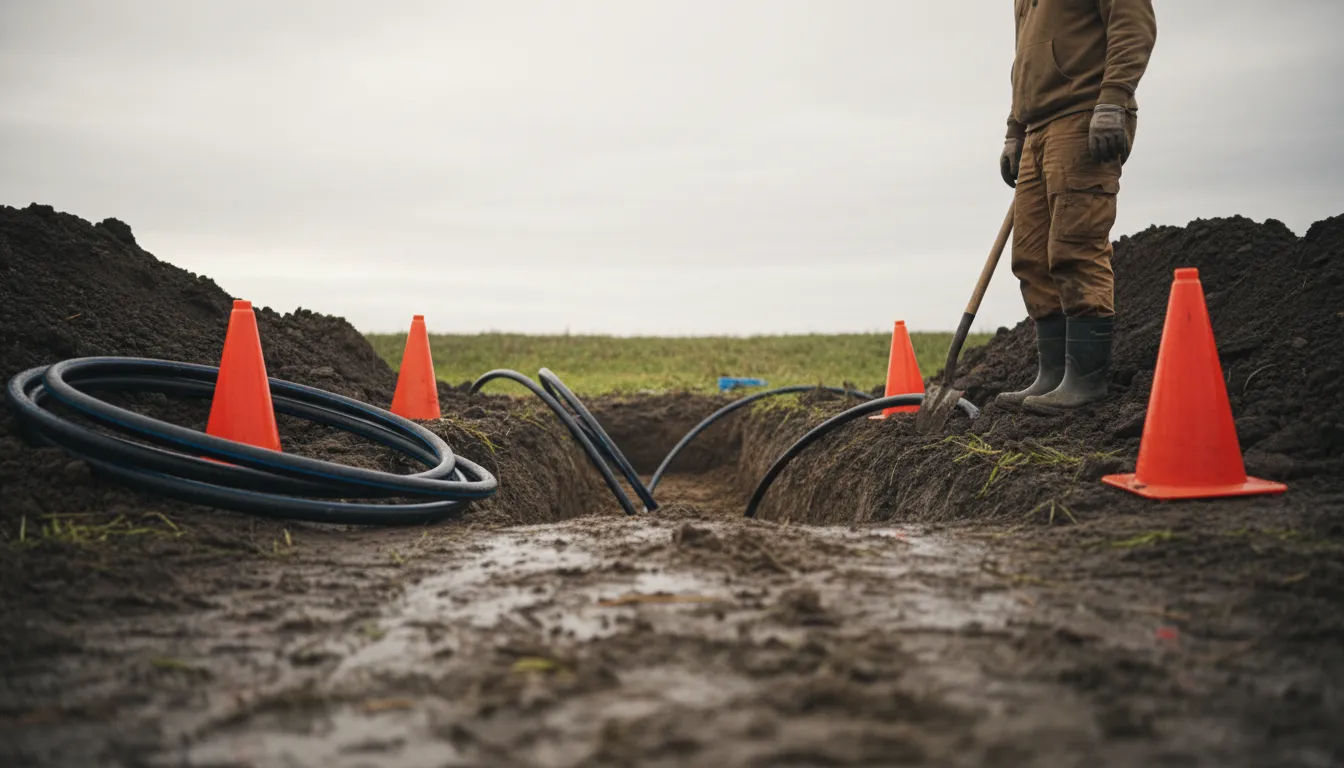
Horizontal Closed Loops are often more economical to install if you have sufficient land. Trenches are dug about five to eight feet deep in a series of long, parallel lines or slinky-coil patterns over a large area 3. The pipes are laid in these trenches and backfilled. This method requires more horizontal space but generally avoids the expense of deep drilling.
Pond/Lake Loops (Open or Closed) can be the most efficient and cost-effective option if you have a suitable body of water on your property. For a closed-loop system, coils of pipe are submerged at the bottom of the pond or lake 4. An open-loop system, which uses well water, is also a possibility depending on local water quality and regulations.
The Geothermal Installation Process in Memphis
Installing a ground-source heat pump is a significant project that requires careful planning and expert execution. Here's a general overview of what homeowners can expect.
- Site Assessment and Design: A qualified installer will evaluate your property to determine the best loop type. They'll consider soil composition, rock content, available space, and access for drilling equipment. Tennessee's geology is generally favorable for geothermal, but local conditions directly impact the installation approach and cost 5.
- Loop Field Installation: This is the major excavation phase. For a vertical system, a drilling rig will create the boreholes. For a horizontal system, a backhoe or trencher will dig the necessary trenches. The high-density polyethylene pipes are then placed, connected into a continuous loop, and pressure-tested.
- Indoor Unit and Connection: The geothermal heat pump unit, which is about the size of a traditional furnace, is installed inside your home-typically in a basement, utility room, or garage. It is connected to the ground loop and to your home's existing ductwork or hydronic distribution system 6 7. The system is charged with fluid, and all electrical and control connections are finalized.
Find the perfect geothermal heat pump contractors for your needs
Get personalized recommendations and expert advice
Benefits and Long-Term Value for Memphis Homeowners
The decision to install a geothermal system is an investment in long-term comfort, savings, and sustainability.
- Substantial Energy Savings: By tapping into the earth's free thermal energy, geothermal heat pumps operate with exceptional efficiency. Homeowners can expect to see a 30% to 70% reduction in their heating and cooling costs compared to conventional systems 8. In some cases, savings can reach up to 65% on total energy bills 9.
- Lower Operating Costs: The high efficiency translates directly into lower monthly utility bills. While electricity is needed to run the compressor and pumps, the energy moved is significantly greater than the energy consumed, leading to predictable and reduced operating expenses year-round 10 11.
- Exceptional Durability and Longevity: The indoor heat pump components are designed to last 20 years or more. The underground loop system, made of durable plastic piping, often comes with warranties of 50 years and can realistically function for generations with no maintenance.
- Enhanced Comfort: These systems provide consistent, even heating and cooling without the drafts and temperature swings associated with fossil fuel systems. They also excel at dehumidifying during the humid Memphis summers, improving indoor air quality.
- Quiet Operation and Safety: With no noisy outdoor condenser unit and no combustion process indoors, geothermal systems run very quietly. They also eliminate risks associated with carbon monoxide, gas leaks, or fuel storage 12.
Understanding Costs and Financial Considerations
The upfront cost for a complete geothermal heating and cooling system is higher than that of a standard HVAC system. In the Memphis area, total installed costs typically range from $12,000 to over $45,000, depending heavily on the loop type, property characteristics, and home size 13. The loop field installation represents a large portion of this investment.
However, it's crucial to view this as a long-term investment. The dramatically lower operating costs mean the system pays for itself over time. Many homeowners see a full return on investment within 5 to 10 years through energy savings. Furthermore, geothermal systems can increase property value. There are also financial incentives to consider, such as the federal residential energy efficiency tax credit, which can offset a significant percentage of the installation cost.
Is Your Memphis Property a Good Candidate?
Most properties in the Memphis region can accommodate some form of geothermal system. Key factors include:
- Available Land: Do you have a sizable yard for horizontal trenches, or is your lot smaller, necessitating a vertical drill?
- Soil and Geology: While generally good, soil with heavy clay or rock can affect drilling speed and cost. A professional assessment is key 14.
- Existing Infrastructure: The system works with forced-air ductwork or hydronic (water-based) radiant floor systems. The condition of your current ducts will be evaluated.
- Water Access: A pond or adequate well water can make a pond or open-loop system a highly efficient option.
Frequently asked questions
Sources
Footnotes
-
Memphis Geothermal Heat Pump Basics - https://www.precisionhvac.com/memphis-contractor-tips/memphis-geothermal-heat-pump-basics ↩
-
Geothermal Heat Pump Installation: What To Expect For Your Property - https://jomory.com/geothermal-heat-pump-installation-what-to-expect-for-your-property/ ↩
-
Maximize Efficiency with a Horizontal Geothermal Heat Pump: Your Sustainable Heating Guide - Baystar - https://baystar.co.uk/horizontal-geothermal-heat-pump/ ↩
-
Geothermal Heat Pumps - Department of Energy - https://www.energy.gov/energysaver/geothermal-heat-pumps ↩
-
Geothermal Basics | Heating & Cooling Services In Kingston - https://centralcityhvac.com/geothermal-basics/ ↩
-
How Do Geothermal Systems Work for Residential Homes? - https://www.davisheat.com/blog/how-do-geothermal-systems-work-for-residential-homes/ ↩
-
Clean Energy 101: Geothermal Heat Pumps - RMI - https://rmi.org/clean-energy-101-geothermal-heat-pumps/ ↩
-
5 Things You Should Know about Geothermal Heat Pumps - https://www.energy.gov/cmei/articles/5-things-you-should-know-about-geothermal-heat-pumps ↩
-
Geothermal Heating, Cooling, and Hot Water Systems - https://igshpa.org/wp-content/uploads/Homeowners-Guide-to-Geothermal.pdf ↩
-
Guide to Geothermal Heat Pumps - https://www.energy.gov/sites/prod/files/guide_to_geothermal_heat_pumps.pdf ↩
-
Benefits of a Geothermal HVAC System | Tuckey Companies - https://www.tuckey.com/blog/geothermal-hvac-systems-benefits/ ↩
-
How Geothermal Heating and Cooling Systems Work | Belle Air - https://www.belleairservices.com/how-geothermal-heating-and-cooling-systems-work/ ↩
-
Understanding Geothermal HVAC Cost in Middle Tennessee - https://www.righttimehvac.com/geothermal-hvac-cost/ ↩
-
How Does a Geothermal System Work? - ClimateMaster - https://www.climatemaster.com/homeowner/side-links/how-it-works ↩