
Find the Best Geothermal Heat Pump Contractors for Your Business
No obligation • Fast responses • Nationwide coverage

Why you can trust HVAC Firms
HVAC Firms is a leading United States resource for evaluating HVAC service providers. Our team researches companies, checks credentials, and reviews customer feedback to present clear, unbiased information. Listings and rankings are based on merit, and companies cannot pay to change our editorial content.
Search providers near you
Top Geothermal Heat Pump Contractors in Hendersonville, Tennessee Ranked
A geothermal heat pump, or ground-source heat pump, is a highly efficient system for heating and cooling your Hendersonville home by exchanging heat with the stable temperature of the earth. Unlike conventional systems that burn fuel or use outside air, these systems move existing heat, making them a sustainable and cost-effective choice for year-round comfort. This guide will help you understand how geothermal technology works, the installation process, and how to connect with qualified local professionals who can assess your property for this innovative home comfort solution.
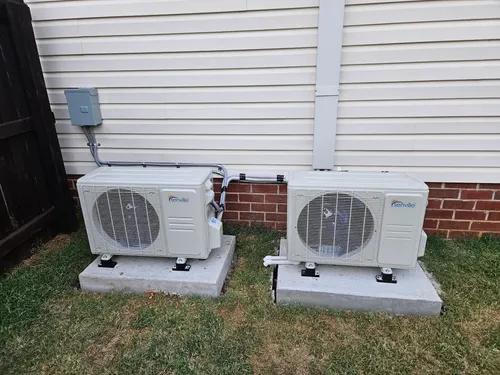
Right Time HVAC
5300 Old Hickory Blvd, Nashville, TN 37218
Right Time HVAC is a full-service heating, cooling, and geothermal contractor serving Nashville, TN. They offer installation, repair, and maintenance for air conditioners, furnaces, heat pumps, and geothermal systems, along with indoor air quality solutions for homes and businesses. The company specializes in advanced HVAC technologies including hydronics and inverter systems, and provides ductwork services to improve airflow and comfort. With over 30 years of combined experience among their technicians, Right Time HVAC focuses on honest, customer-focused solutions to meet diverse home comfort needs.

Aire Serv of Clarksville
Nashville, TN
Aire Serv of Clarksville provides heating and air conditioning services in Nashville, TN, and surrounding areas. They offer repair, installation, and maintenance for air conditioners, furnaces, heat pumps, boilers, and mini split systems. Their services also include duct cleaning, thermostat installation, and indoor air quality solutions such as air purification systems. The company serves both residential and commercial customers, with capabilities that include geothermal heating and cooling systems. Aire Serv of Clarksville emphasizes regular HVAC tune-ups to improve system efficiency and longevity. They provide 24/7 customer service to address urgent heating and cooling needs.
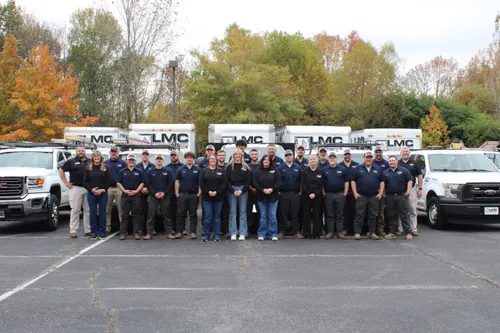
Lanham Mechanical Contractors
309 Flat Ridge Rd, Goodlettsville, TN 37072
Lanham Mechanical Contractors is a family-owned HVAC and electrical service provider based in Nashville, TN. With over 30 years of experience, they offer a wide range of services including air conditioning and heating repair, installation, and maintenance, as well as duct and vent work, indoor air quality solutions, and generator installation. Their licensed professionals serve Middle Tennessee and surrounding communities, providing after-hours emergency services to address urgent HVAC needs. Lanham Mechanical Contractors is also a Tempstar® dealer, specializing in the installation of various HVAC products including geothermal systems and ductless split systems.
MJ Frick Company, Inc.
3651 Trousdale Dr, Nashville, TN 37204
MJ Frick Company, Inc. is an experienced HVAC contractor serving Nashville, TN, for over 31 years. They provide installation, repair, and maintenance services for residential and commercial heating, ventilation, and air conditioning systems, including furnaces, heat pumps, mini splits, and geothermal units. The company offers same-day service and specializes in AC unit replacement, furnace repair, and comprehensive HVAC maintenance plans to ensure efficient system operation year-round. In addition to HVAC, MJ Frick Co. also provides plumbing services and tankless water heater installation and repair.
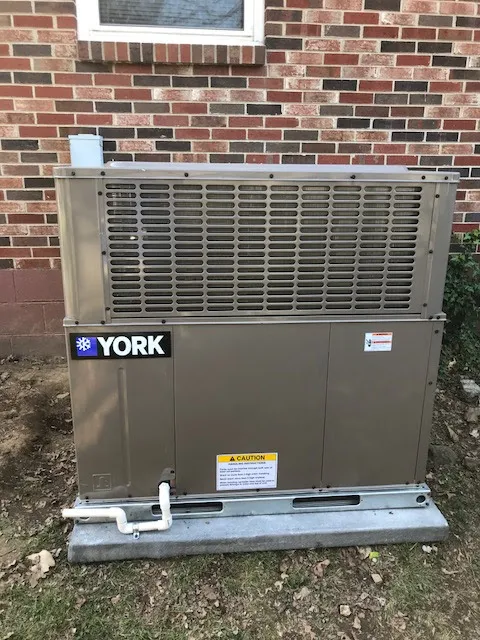
Covenant Heating and Cooling
176-A Molly Walton Dr, Hendersonville, TN 37075
Covenant Heating and Cooling is an HVAC and electrical service provider based near Nashville, TN, serving Hendersonville and surrounding areas. Established in 2010, the company offers a range of services including air conditioning, furnace, heat pump, and geothermal system installation and repair, as well as indoor air quality solutions and duct cleaning. Their certified technicians handle both residential and commercial projects, with expertise in dual fuel systems and geothermal heat pumps.
How Geothermal Systems Work in Hendersonville
The core principle behind a geothermal heating and cooling system is remarkably simple: it uses the earth as a giant thermal battery. Just a few feet below the surface, the ground in Middle Tennessee maintains a nearly constant temperature of around 59°F year-round. A geothermal system leverages this stable resource through a series of underground pipes, called a ground loop, filled with a water-based solution.
- For Heating: In the winter, the fluid circulating through the buried loops absorbs the earth's natural warmth. This slightly warmed fluid is brought back to the indoor heat pump unit, which concentrates the heat and distributes it as warm air through your home's ductwork.
- For Cooling: In the summer, the process reverses. The system extracts heat and humidity from your indoor air and transfers it into the cooler fluid in the ground loops. The now-chilled fluid carries that heat into the earth, leaving cool, dehumidified air to circulate through your home.
Because these systems move heat rather than generate it through combustion, they achieve extraordinary efficiencies, often cutting heating and cooling energy bills by 30% to 70% compared to conventional systems.
Types of Ground Loop Systems
The design of the underground loop field is critical and depends on your property's characteristics. Local contractors will perform a detailed site assessment to determine the best option for your Hendersonville home.
Horizontal Closed Loops
This is often the most cost-effective method if space allows. Contractors use excavation equipment to dig trenches four to six feet deep across a large area of your yard. Pipes are laid in these trenches in a slinky-coil or straight-run configuration before being backfilled. A horizontal loop field typically requires about half an acre or more of suitable land.
Vertical Closed Loops
For homes with smaller lots, rocky soil, or limited usable land, vertical loops are the ideal solution. A drilling rig bores holes 100 to 400 feet deep. U-shaped pipe loops are inserted into each borehole, which are then grouted shut. This method minimizes landscape disruption and is very effective, though drilling can increase the initial installation cost 1.
Pond/Lake Loops (Open or Closed)
If your property has a sufficient pond or lake, this can be a highly efficient and lower-cost installation option. A closed-loop system of coils can be submerged at the bottom of the water body, which also maintains a stable temperature. An open-loop system might use well water, but this is less common and depends on local water quality and regulations 2.
The Geothermal Installation Process
Understanding the steps involved can help you prepare for a smooth installation of your ground-source heat pump system.
- Comprehensive Site Evaluation: A qualified installer will visit your property to evaluate soil conditions, lot size, landscaping, and access. They will recommend the optimal loop type (horizontal, vertical, or pond) and design the system to meet your home's specific heating and cooling loads.
- Loop Field Installation: This is the major outdoor phase. For a horizontal system, an excavator will dig the necessary trenches. For a vertical system, a drilling rig will arrive to create the boreholes. The high-density polyethylene pipes are then placed, connected, and pressure-tested to ensure there are no leaks.
- Indoor Unit Installation: The geothermal heat pump unit, which is about the size of a traditional furnace, is installed in your basement, utility room, or garage. It is connected to the ground loop piping and to your home's existing ductwork or hydronic distribution system.
- System Startup and Restoration: Once everything is connected, the system is charged with fluid, powered up, and tested for optimal performance. The outdoor crew will then backfill trenches, restore your yard as closely as possible to its original condition, and clean up the work site 3.
Find the perfect geothermal heat pump contractors for your needs
Get personalized recommendations and expert advice
Benefits for Hendersonville Homeowners
Investing in a geothermal system offers a compelling array of advantages that go beyond simple temperature control.
- Substantial Energy Savings: By harnessing the earth's free and consistent energy, geothermal heat pumps are 300-600% efficient, meaning they move three to six units of heat for every one unit of electricity used to run them. This can translate to savings of up to 65% on your heating and cooling bills 4 5 6.
- Exceptional Comfort: These systems provide steady, even heating and cooling without the hot blasts or cold drafts associated with traditional systems. They also excel at dehumidification in the summer, improving indoor air quality and comfort 7.
- Durability and Longevity: The underground loop system is incredibly robust, often carrying warranties of 25 to 50 years and expected to last for generations. The indoor heat pump unit also typically has a longer lifespan than conventional HVAC equipment due to less exposure to outdoor elements.
- Quiet Operation and Low Maintenance: With no loud outdoor condenser unit, geothermal systems operate very quietly. They also have fewer mechanical components exposed to the weather, which generally means lower maintenance requirements and costs over time 8.
- Environmental Sustainability: Geothermal systems use renewable thermal energy from the ground, drastically reducing your home's carbon footprint. They use no fossil fuels on-site and have no risk of carbon monoxide poisoning.
Understanding Costs and Incentives
The initial investment for a complete geothermal heating and cooling system in the Hendersonville area is higher than that of a standard system. Total installed costs can range from approximately $18,000 to over $40,000, depending heavily on your home's size, the chosen loop type, soil conditions, and existing ductwork 9 10 11.
However, it's essential to view this as a long-term investment. The dramatic reduction in monthly utility bills means the system often pays for itself through energy savings within 5 to 10 years. Furthermore, the system adds value to your home. Homeowners may also benefit from:
- Federal Tax Credits: Significant federal tax incentives are available for installing qualifying geothermal heat pump systems, which can directly reduce your income tax liability.
- Increased Property Value: Studies have shown homes with geothermal systems often sell at a premium due to their low operating costs and modern appeal.
- Potential Utility Rebates: It's worth checking with local utilities like Middle Tennessee Electric (MTEMC) or the Tennessee Valley Authority (TVA) for any available rebates or special loan programs for energy-efficient upgrades.
Is Geothermal Right for Your Home?
A ground-source heat pump is an excellent choice for many, but not all, properties. It is worth serious consideration if:
- You are building a new home or replacing an aging, inefficient HVAC system.
- You have sufficient land for a horizontal loop or acceptable conditions for vertical drilling.
- You plan to stay in your home long enough to realize the full payback from energy savings.
- Reducing your environmental impact and achieving maximum home comfort are top priorities.
The best way to determine suitability is to schedule a consultation with an experienced local installer who can provide a detailed analysis and quote specific to your Hendersonville property.
Frequently asked questions
Sources
Footnotes
-
Is a geothermal heat pump right for you? - The Tennessee ... - https://www.tnmagazine.org/is-a-geothermal-heat-pump-right-for-you/ ↩
-
Geothermal Basics | Heating & Cooling Services In Kingston - https://centralcityhvac.com/geothermal-basics/ ↩
-
All You Need to Know About Home Geothermal Heating & ... - https://dandelionenergy.com/all-you-need-to-know-about-home-geothermal-heating-cooling ↩
-
Geothermal Heat Pump Installation: What To Expect For Your ... - https://jomory.com/geothermal-heat-pump-installation-what-to-expect-for-your-property/ ↩
-
Hendersonville Homeowners to Enjoy the Benefits of ... - https://jewellmechanical.com/hendersonville-homeowners-to-enjoy-the-benefits-of-geothermal-heating-cooling/ ↩
-
5 Things You Should Know about Geothermal Heat Pumps - https://www.energy.gov/cmei/articles/5-things-you-should-know-about-geothermal-heat-pumps ↩
-
Geothermal Heating And Cooling - https://flocksheating.com/geothermal/ ↩
-
Geothermal Heat Pumps - Department of Energy - https://www.energy.gov/energysaver/geothermal-heat-pumps ↩
-
Understanding Geothermal HVAC Cost in Middle Tennessee - https://www.righttimehvac.com/geothermal-hvac-cost/ ↩
-
Geothermal Heating, Cooling, and Hot Water Systems - https://igshpa.org/wp-content/uploads/Homeowners-Guide-to-Geothermal.pdf ↩
-
Geothermal Heat Pump Guide: Installation Costs, Types And Benefits - https://modernize.com/hvac/heating-repair-installation/heat-pump/geothermal ↩