Find the Best Geothermal Heat Pump Contractors for Your Business
No obligation • Fast responses • Nationwide coverage

Why you can trust HVAC Firms
HVAC Firms is a leading United States resource for evaluating HVAC service providers. Our team researches companies, checks credentials, and reviews customer feedback to present clear, unbiased information. Listings and rankings are based on merit, and companies cannot pay to change our editorial content.
Search providers near you
Top Geothermal Heat Pump Contractors in Bartlett, Tennessee Ranked
Geothermal heat pumps, also known as ground-source heat pumps, are a highly efficient method for heating and cooling your home by leveraging the earth's stable underground temperature. This technology matters because it can dramatically reduce your energy bills and environmental footprint compared to conventional air-source systems. For Bartlett homeowners, finding a qualified local installer is the first step to accessing these long-term benefits, and this guide will help you understand the process, costs, and what to look for in a provider.
Automatic Air Conditioning, Heating, Plumbing & Electric
3470 Tchulahoma Rd, Memphis, TN 38118
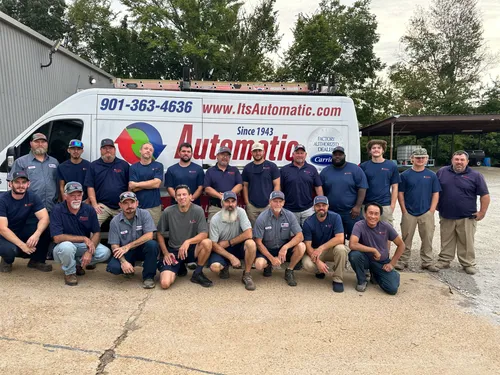
Automatic Air Conditioning, Heating, Plumbing & Electric has been serving Memphis, TN, and the surrounding areas since 1943. The company offers a wide range of services including HVAC installation, repair, and maintenance, as well as plumbing and electrical work. They are experienced in handling air conditioning, furnace, boiler, and geothermal heat pump systems, and provide 24/7 emergency service for HVAC, plumbing, and electrical needs. As a long-standing Carrier partner since 1956, they install locally manufactured units and support the local economy.
Comfortable LLC
356 New Byhalia Rd #4, Collierville, TN 38017
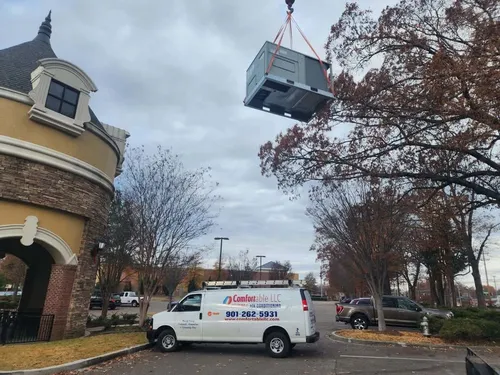
Comfortable LLC is an HVAC and electrical service provider located in Memphis, TN. They offer a wide range of services including installation, repair, and maintenance of heating and cooling systems such as air conditioners, furnaces, heat pumps, boilers, mini splits, and geothermal heat pumps. Comfortable LLC also provides indoor air quality solutions and electrical and lighting services. As a Trane dealer, they supply various indoor comfort products and specialize in emergency service available 24/7. With over ten years of experience, they serve Memphis and surrounding communities including Collierville, Germantown, Cordova, and East Memphis.
Renfrow Heating, Air, & Plumbing, LLC
8357 Industrial Dr, Olive Branch, MS 38654
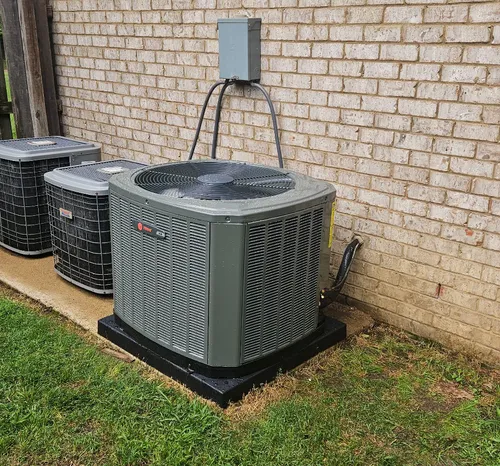
Renfrow Heating, Air, & Plumbing, LLC is a licensed HVAC and plumbing contractor serving Memphis, TN. They offer a range of services including installation and repair of air conditioners, furnaces, heat pumps, mini splits, and geothermal systems. The company also provides duct cleaning, indoor air quality solutions such as Plasma AirREME HALO®, thermostat installation, and HVAC tune-ups to maintain system efficiency. Renfrow Heating, Air, & Plumbing is a Trane® dealer and supports both residential and commercial customers with customized comfort solutions. They offer service agreements to help prevent emergencies and are available for emergency service when needed.
Precision, LLC
2099 Thomas Rd Suite 23, Memphis, TN 38134
Precision, LLC is a family-owned HVAC company serving Memphis, TN, since 1973. They provide a wide range of services including air conditioning, heating, ventilation, indoor air quality solutions, and home comfort systems. Their expertise covers installation, repair, and maintenance of air conditioners, furnaces, heat pumps, boilers, mini splits, geothermal heat pumps, and duct cleaning. Precision also offers specialized services such as energy assessments, insulation, duct sealing, and programmable thermostat installation. With over 48 years of experience, they focus on whole-home comfort and energy efficiency, using building science to improve indoor environments. All employees are drug tested, background checked, and continuously trained, ensuring trusted service without subcontractors.
Cannon Bros AC & Heat
5492 Old Hwy 78, Memphis, TN 38118
Cannon Bros AC & Heat is an HVAC company serving Memphis, TN, and surrounding communities. They specialize in residential, commercial, and industrial heating and air conditioning services, including installation, repair, and tune-ups for systems such as air conditioners, furnaces, heat pumps, mini splits, and geothermal heat pumps. As a Trane® dealer, they offer a range of indoor comfort products and have expertise in indoor air quality solutions like humidifiers and air cleaners. Established in 1953, Cannon Bros AC & Heat brings decades of experience to their work and provides emergency service when needed.
How Geothermal Systems Work in Bartlett
The principle behind a geothermal heating and cooling system is elegant in its simplicity. It uses the earth as a giant, free battery for thermal energy. Just a few feet below the surface, the ground in Tennessee maintains a remarkably stable temperature year-round, typically between 50 and 60 degrees Fahrenheit 1 2. This is warmer than the winter air and cooler than the summer air, creating a perfect exchange medium.
A geothermal system circulates a water or antifreeze solution through a loop of pipes buried in your yard, known as a ground loop. In the winter, the fluid absorbs the earth's gentle heat and carries it indoors. A heat pump unit then concentrates this warmth and distributes it through your home's ductwork or radiant floor system. In the summer, the process reverses: the system extracts heat from your home and deposits it into the relatively cooler ground, providing air conditioning 3 4. This constant, reliable exchange with the stable ground temperature is what makes geothermal technology so efficient, often moving 3 to 5 units of energy for every 1 unit of electricity used to run the system.
Types of Ground Loop Systems
The heart of any geothermal installation is the ground loop. The right type for your Bartlett property depends on your lot size, soil composition, and budget. There are two primary categories: closed-loop and open-loop systems.
Closed-Loop Systems This is the most common residential configuration, featuring a continuous, sealed pipe loop buried in the ground. There are two main designs:
- Horizontal Closed-Loop: Pipes are laid in trenches dug 4 to 6 feet deep. This method requires a larger, clear area of land but is generally less expensive to install than vertical systems if the space is available.
- Vertical Closed-Loop: Pipes are inserted into holes drilled 150 to 400 feet deep and connected at the bottom with a U-bend. Vertical loops are ideal for smaller lots, like many in Bartlett, as they require minimal surface area. They are also often preferred in areas with rocky soil, as drilling can be more straightforward than extensive trenching 5.
Open-Loop Systems This configuration uses groundwater from a well or a pond as the direct heat exchange fluid. After passing through the heat pump, the water is discharged back into a well, recharge trench, or surface body of water. While often cheaper to install, open-loop systems require an adequate, clean water source and may involve more complex permitting and water quality considerations 6 7.
The Installation Process: What to Expect
Installing a geothermal heat pump is a significant project that transforms your home's energy infrastructure. Understanding the steps can help you prepare and choose the right contractor.
- Site Assessment & Design: A qualified installer will evaluate your property, considering soil type, lot layout, and your home's heating and cooling loads. In Bartlett and the surrounding Shelby County area, the soil conditions often make vertical drilling a practical choice. The contractor will design the loop field and select the appropriate indoor heat pump unit.
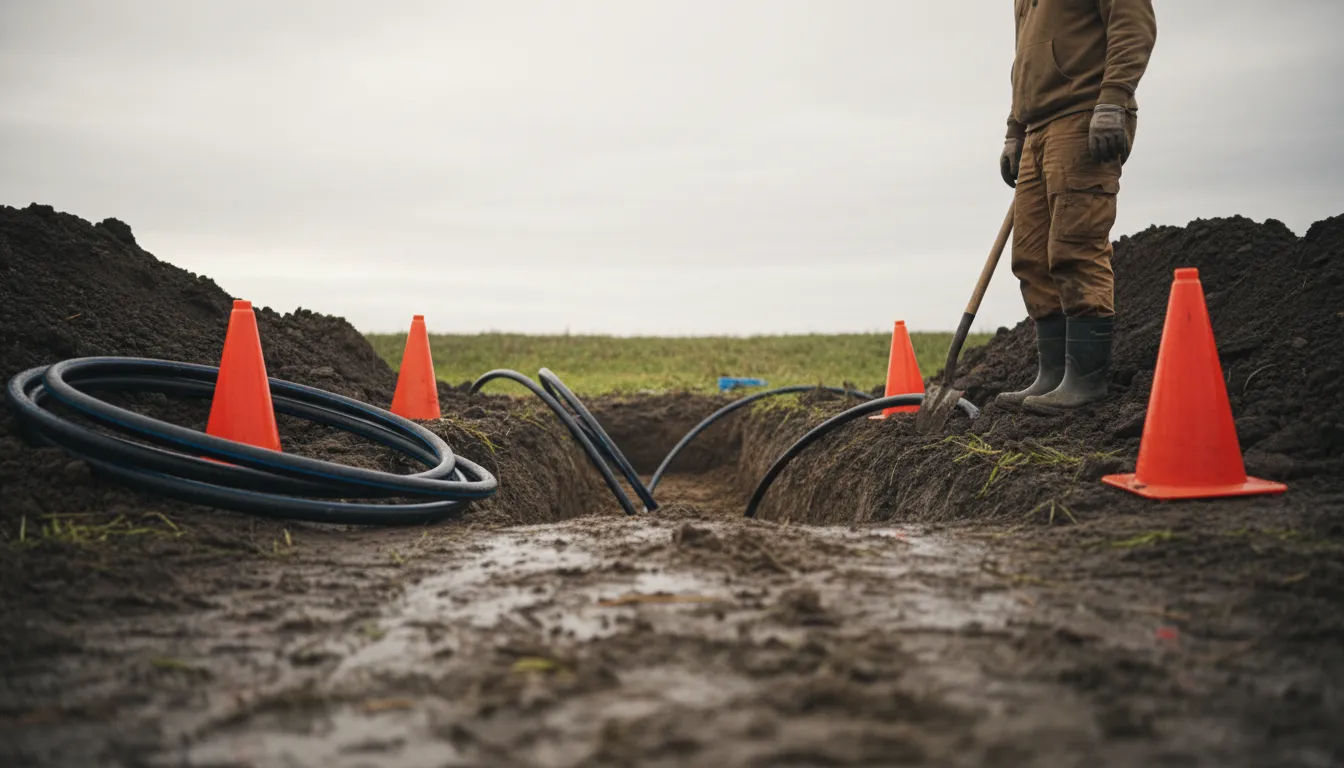
- Ground Loop Installation: This is the major excavation phase. For a vertical system, a drilling rig will bore the necessary deep holes. For a horizontal system, a backhoe will dig long trenches. The high-density polyethylene pipes are then placed and connected in the trenches or boreholes 8.
- Connection to Home: A trench is dug from the loop field to your home's foundation to bring the supply and return lines inside.
- Indoor Unit Setup: The geothermal heat pump unit, which is about the size of a traditional furnace, is installed in your utility room, basement, or garage. It is connected to the ground loop and your home's distribution system.
- System Integration: The unit is connected to your existing ductwork for forced-air distribution or to a hydronic (water-based) system for radiant floor heating.
- Restoration: Finally, all trenches and boreholes are backfilled, and your yard is graded and re-seeded to restore the landscape 9.
Find the perfect geothermal heat pump contractors for your needs
Get personalized recommendations and expert advice
Efficiency, Savings, and Payback
The primary motivation for investing in a geothermal system is its outstanding efficiency and the resulting cost savings. These systems can be up to 65% more efficient than conventional high-efficiency air-source heat pumps and gas furnaces for heating 10 11. This translates directly to your utility bills, where homeowners often see reductions of 30% to 70% in heating and cooling costs 12.
While the upfront cost for a geothermal heat pump installation is higher than for a standard HVAC system-largely due to the ground loop work-the energy savings create a compelling financial payback. In Middle Tennessee, the payback period through utility savings is typically estimated to be between 5 and 10 years. Furthermore, the system's components are known for their durability: the underground loops often carry warranties of 25 to 50 years and can last generations, while the indoor heat pump unit typically lasts 20 years or more.
Key Considerations for Bartlett Homeowners
Before moving forward, keep these local factors in mind:
- Soil and Geology: The presence of rocky soil, common in parts of East Tennessee, can influence installation methods and costs. A local installer with experience in the area will know whether vertical drilling or horizontal trenching is more feasible for your specific site 13.
- Choosing a Contractor: This is the most critical step. Seek out installers certified by organizations like the International Ground Source Heat Pump Association (IGSHPA). Local experience is invaluable, as a contractor familiar with Tennessee's geology and climate will provide the most reliable design and installation.
- Financial Incentives: The federal government offers a significant tax credit for residential geothermal heat pump systems, which can cover 30% of the total installed cost 14 15. Always confirm current incentive details with your installer or a tax professional.
Frequently asked questions
Sources
Footnotes
-
Geothermal Heating, Cooling, and Hot Water Systems - https://igshpa.org/wp-content/uploads/Homeowners-Guide-to-Geothermal.pdf ↩
-
Geothermal (Ground Source) Heat Pumps - NY.gov - https://cleanheat.ny.gov/geothermal-heat-pumps/ ↩
-
Geothermal Heating & Cooling - Department of Energy - https://www.energy.gov/eere/geothermal/geothermal-heating-cooling ↩
-
How a Geothermal Heat Pump Works | This Old House - https://www.youtube.com/watch?v=d5Tbsx3R2T8 ↩
-
Geothermal Heat Pumps - Department of Energy - https://www.energy.gov/energysaver/geothermal-heat-pumps ↩
-
FAQs • What types of ground-source heat pumps and configurat - https://concordma.gov/FAQ.aspx?QID=484 ↩
-
Geothermal Heat Pumps - EnergySmart CNY - https://www.energysmartcny.org/heat-pumps/geothermal/ ↩
-
All You Need to Know About Home Geothermal Heating & ... - https://dandelionenergy.com/all-you-need-to-know-about-home-geothermal-heating-cooling ↩
-
Geothermal Heat Pump Installation: What To Expect For Your ... - https://jomory.com/geothermal-heat-pump-installation-what-to-expect-for-your-property/ ↩
-
5 Things You Should Know about Geothermal Heat Pumps - https://www.energy.gov/cmei/articles/5-things-you-should-know-about-geothermal-heat-pumps ↩
-
Geothermal Heating and Cooling - https://geothermal.colorado.gov/geothermal-heating-and-cooling ↩
-
Understanding Geothermal HVAC Cost in Middle Tennessee | righttime.tempurl.host - https://www.righttimehvac.com/geothermal-hvac-cost/ ↩
-
Geothermal Basics | Central City Heating & Air Conditioning - https://centralcityhvac.com/geothermal-basics/ ↩
-
Guide to Geothermal Heat Pumps - https://www.energy.gov/sites/prod/files/guide_to_geothermal_heat_pumps.pdf ↩
-
Commercial geothermal heating and cooling system design - Consulting - Specifying Engineer - https://www.csemag.com/commercial-geothermal-heating-and-cooling-system-design/ ↩