
Find the Best Geothermal Heat Pump Contractors for Your Business
No obligation • Fast responses • Nationwide coverage

Why you can trust HVAC Firms
HVAC Firms is a leading United States resource for evaluating HVAC service providers. Our team researches companies, checks credentials, and reviews customer feedback to present clear, unbiased information. Listings and rankings are based on merit, and companies cannot pay to change our editorial content.
Search providers near you
Top Geothermal Heat Pump Contractors in Philadelphia, Pennsylvania Ranked
Geothermal heat pumps are a highly efficient heating and cooling technology that leverages the Earth's stable underground temperature to provide year-round comfort for your home. This system, also known as a ground-source heat pump, matters because it can dramatically reduce energy bills and environmental impact compared to conventional HVAC systems. For Philadelphia homeowners, finding a qualified local installer is the first step toward unlocking these long-term benefits.
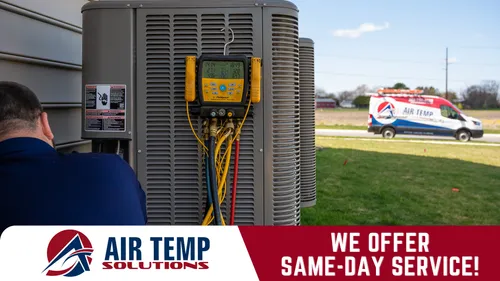
Air Temp Solutions - AC Repair, Heating Repair, Water Heater Repair & Plumbing Devon PA
Philadelphia, PA
Air Temp Solutions - AC Repair, Heating Repair, Water Heater Repair & Plumbing Devon PA is an HVAC and plumbing contractor serving Philadelphia, PA, and surrounding areas including Newark, DE. They offer a wide range of services such as heating repair and installation, furnace and boiler services, heat pump and geothermal system installation and maintenance, as well as ductless mini-split systems. Their plumbing services cover repairs, water heater installation and maintenance, gas line work, sump pump services, leak detection and repair, pipe and water line services, and comprehensive drain and sewer solutions including trenchless repairs. They also provide indoor air quality services like duct cleaning and UV light filtration installation. The company emphasizes specialized capabilities such as geothermal system installation and trenchless sewer line repairs to minimize disruption. While no specific business history is stated, their team includes technicians with an average of 16 years of experience in heating services.
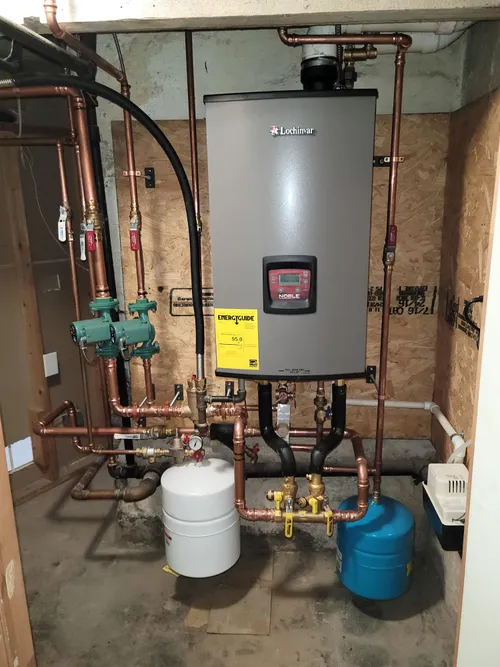
Comfort Home Heating and Cooling
1035 Milmont Ave, Swarthmore, PA 19081
Comfort Home Heating and Cooling is an HVAC company serving Philadelphia, PA, and the surrounding Delaware County area. They provide a range of heating and cooling services including furnace, air conditioning, heat pump, mini-split, and geothermal heat pump installation and repair. Their team handles thermostat installation, indoor air quality solutions, and HVAC tune-ups, ensuring systems operate efficiently. With over 15 years of industry experience, Comfort Home Heating and Cooling employs licensed professionals who perform all work without subcontractors, offering warranties on labor and equipment. They are known for fabricating parts on-site and providing after-hours service when needed.
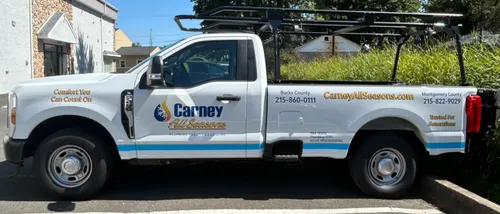
Carney All Seasons
1100 Industrial Blvd, Southampton, PA 18966
Carney All Seasons is a full-service HVAC and plumbing company serving Philadelphia, PA. They provide installation, repair, and maintenance for air conditioning, heating systems including furnaces, geothermal heat pumps, and HVAC tune-ups. The company also offers plumbing services such as water heater and sump pump installation and repair, as well as sewer and water line services. Carney All Seasons supports environmentally friendly geothermal systems and installs whole-house generators to help during power outages. Their team is EPA certified and experienced in working with high-efficiency and ENERGY STAR models.
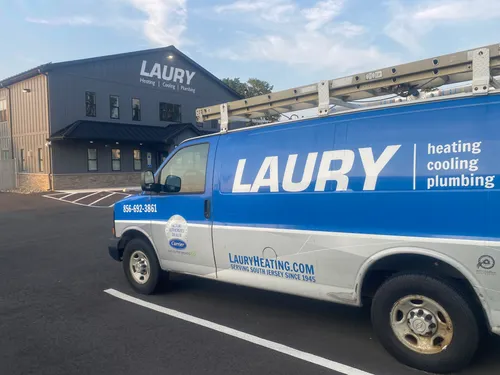
Laury Heating Cooling & Plumbing
923 Haddonfield Rd, Cherry Hill Township, NJ 08002
Laury Heating Cooling & Plumbing is a family-owned HVAC and plumbing company serving Philadelphia, PA, and South Jersey communities since 1945. They provide a range of services including furnace and AC repair, HVAC system installation, heat pump and geothermal system installation, as well as plumbing repairs and water heater services. The company is known for handling both traditional and energy-efficient systems, offering free estimates and flexible financing options. Their certified technicians are experienced in modern HVAC technologies and maintain a commitment to quality workmanship. Laury Heating Cooling & Plumbing also offers priority scheduling for members, ensuring faster service during peak seasons or emergencies.
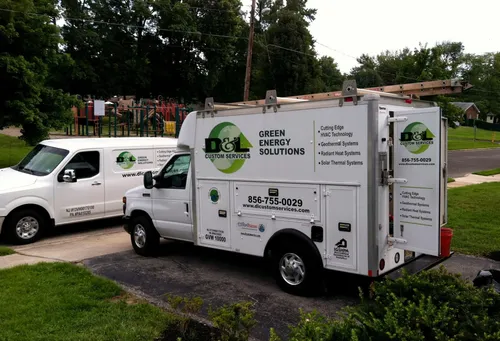
D&L Custom Services, LLC
600 Deer Rd STE 5, Cherry Hill Township, NJ 08034
D&L Custom Services, LLC is a family-operated HVAC company serving Philadelphia, PA, and South Jersey, including Burlington, Camden, and Gloucester counties. Since 1979, they have specialized in residential and light commercial heating and cooling installations, with a focus on green and energy-efficient technologies such as geothermal and air source heat pumps. They offer a range of services including installation, repair, and tune-ups for air conditioners, furnaces, boilers, heat pumps, and mini splits. Their technicians are factory-trained and certified, and the company is fully licensed and insured.
How Geothermal Systems Work in Philadelphia
The core principle behind a geothermal heat pump is remarkably simple. Just a few feet below the surface, the ground in Pennsylvania maintains a consistent temperature between 40°F and 80°F year-round, regardless of the summer heat or winter chill above 1. A geothermal system doesn't create heat; it simply moves it.
In the winter, a fluid circulating through a loop of pipes buried in the ground absorbs the Earth's natural warmth. The heat pump then concentrates this thermal energy and transfers it indoors to heat your home. During Philadelphia's humid summers, the process reverses: the system extracts heat from your home and transfers it back into the relatively cooler ground, providing efficient air conditioning 2. Because the system primarily uses electricity to move heat rather than generate it, it operates with exceptional efficiency.
Types of Ground Loop Systems
The buried pipe network, or ground loop, is the critical component that exchanges heat with the Earth. The right loop for your Philadelphia property depends on your lot size, soil conditions, and budget.
-
Vertical Closed Loop: This is the most common choice for urban and suburban homes with limited yard space. Contractors use a drilling rig to bore holes 150 to 500 feet deep. U-shaped pipes are inserted into each borehole, which are then backfilled. A vertical system minimizes surface disruption and often requires fewer holes than expected due to the depth and efficient heat transfer.
-
Horizontal Closed Loop: Ideal for properties with more land, this method involves digging trenches four to six feet deep and laying pipes in a series of loops 3 4. It generally requires a quarter to three-quarters of an acre of usable land. While the trenching is extensive, the installation cost can be lower than vertical drilling if the space is available, making it a popular choice for new construction projects.
-
Pond/Lake Loop (Open or Closed): If your property has a suitable pond or lake, this can be an efficient option. A closed loop of pipe is coiled and submerged at a depth that ensures consistent water temperatures. This method avoids the need for drilling or extensive trenching but depends entirely on having a water body of sufficient size, depth, and quality nearby.
-
Hybrid Systems: These systems combine a geothermal ground loop with a supplemental source, like a traditional air-source heat pump. This design can optimize efficiency and cost, particularly for buildings with varying or peak loads, by letting each component operate in its most efficient range 5.
The Installation Process: What to Expect
Installing a geothermal heating and cooling system is a significant project that requires specialized expertise. Understanding the process can help you prepare.
-
Site Evaluation and Load Calculation: A qualified installer will first assess your property's soil composition, rock content, and available space. Crucially, they will perform a detailed Manual J load calculation to determine your home's exact heating and cooling needs (in BTUs). Proper sizing is essential-an oversized system will short-cycle, reducing efficiency and comfort, while an undersized one will struggle to maintain temperature 6.
-
Loop Field Installation: This is the major excavation phase. For a vertical system, a drilling rig will be brought in to create the boreholes. For a horizontal system, a backhoe will dig the necessary trenches. This work is typically completed in one to several days, depending on the system's size 7.
-
Indoor Unit Installation: The geothermal heat pump unit itself is installed inside your home, often in a basement, utility room, or garage. It connects to the ground loop and to your home's existing ductwork to distribute conditioned air. If you don't have ducts, ductless options are also available 8.
-
System Charging and Startup: Once everything is connected, the loop is pressurized and filled with its heat-transfer fluid. The entire system is then tested, charged, and started up to ensure it operates correctly and efficiently 9.
Find the perfect geothermal heat pump contractors for your needs
Get personalized recommendations and expert advice
Costs, Savings, and Long-Term Value
The decision to invest in a geothermal system involves weighing higher upfront costs against substantial long-term savings.
- Upfront Investment: The installation cost for a residential geothermal heat pump system in Philadelphia is typically 50% to 100% higher than a conventional high-efficiency furnace and air conditioner. Total costs often range from $10,000 to over $30,000, with the ground loop installation (drilling or trenching) being the single largest expense.
- Operational Savings: The efficiency payoff is where geothermal shines. Homeowners can expect to save 30% to 70% on heating costs and 20% to 50% on cooling costs compared to conventional systems 10 11. The exact savings depend on your current fuel source (e.g., oil, electric resistance, or natural gas) and local utility rates.
- Payback Period and Lifespan: With these energy savings, the payback period-the time it takes for savings to equal the upfront cost premium-is commonly between 2 and 10 years. Furthermore, the system components have impressive lifespans: the indoor heat pump unit often lasts 20 years or more, while the buried ground loops are typically warranted for 25 to 50 years and can last for generations.
- Financial Incentives: A key factor improving affordability is the availability of incentives. Historically, a 30% federal tax credit has been available for qualified geothermal heat pump installations, which directly reduces your federal income tax liability 12. It's essential to consult with your installer and a tax professional about current federal, state, and local incentives at the time of your purchase.
Is a Geothermal System Right for Your Philadelphia Home?
Geothermal technology offers a compelling, sustainable path to home comfort. It's an especially strong candidate for:
- Homeowners planning to stay in their home long enough to realize the long-term savings.
- Properties undergoing major renovation or new construction, where loop installation can be more easily integrated.
- Those looking to minimize their carbon footprint and reduce dependence on fossil fuels.
- Owners of properties with sufficient land for horizontal loops or access to a suitable water source.
The most important step is to consult with experienced, certified geothermal contractors in the Philadelphia area. They can provide a detailed site assessment, accurate load calculation, and a transparent quote that includes all potential incentives.
Frequently asked questions
Sources
Footnotes
-
Geothermal (Ground Source) Heat Pumps - NY.gov - https://cleanheat.ny.gov/geothermal-heat-pumps/ ↩
-
Ground Source (Geothermal) Heat Pumps | EGEE 102 - https://courses.ems.psu.edu/egee102/node/2091 ↩
-
Geothermal Heat Pump | Wilmington, DE | Hentkowski Inc. - https://hentkowski.com/geothermal-heat-pumps ↩
-
Geothermal Heat Pumps - Department of Energy - https://www.energy.gov/energysaver/geothermal-heat-pumps ↩
-
Geothermal HVAC Systems | King of Prussia - https://www.uniqueheatingandcooling.com/hvac-university/geothermal-heating-cooling ↩
-
Heating Up Efficiency: Exploring Heat Pump Options in PA - https://www.youtube.com/watch?v=bz-6Okr9_wU ↩
-
Geothermal Heat Pump Installation: What To Expect For Your Property - https://jomory.com/geothermal-heat-pump-installation-what-to-expect-for-your-property/ ↩
-
How Does A Geothermal Heat Pump Work? Complete 2025 Guide - https://solartechonline.com/blog/how-does-geothermal-heat-pump-work/ ↩
-
Clean Energy 101: Geothermal Heat Pumps - RMI - https://rmi.org/clean-energy-101-geothermal-heat-pumps/ ↩
-
Geothermal - Montgomery County - https://www.montgomerycountypa.gov/DocumentCenter/View/5052/Renewable-Energy_Geothermal?bidId= ↩
-
5 Things You Should Know about Geothermal Heat Pumps - https://www.energy.gov/cmei/articles/5-things-you-should-know-about-geothermal-heat-pumps ↩
-
Guide to Geothermal Heat Pumps - https://www.energy.gov/sites/prod/files/guide_to_geothermal_heat_pumps.pdf ↩