Find the Best Geothermal Heat Pump Contractors for Your Business
No obligation • Fast responses • Nationwide coverage

Why you can trust HVAC Firms
HVAC Firms is a leading United States resource for evaluating HVAC service providers. Our team researches companies, checks credentials, and reviews customer feedback to present clear, unbiased information. Listings and rankings are based on merit, and companies cannot pay to change our editorial content.
Search providers near you
Best Geothermal Heat Pump Contractors in Pennsylvania Ranked
A geothermal heat pump, or ground-source heat pump, is a highly efficient heating and cooling system that uses the stable temperature of the earth to regulate your home's climate. For Pennsylvania homeowners, this technology offers a path to significant energy savings and reduced environmental impact, especially given the state's varied seasons. This guide explains the key considerations for installing a geothermal system in PA, from local regulations and costs to site suitability and the installation process, helping you connect with qualified local professionals for your project.
Air Temp Solutions - AC Repair, Heating Repair, Water Heater Repair & Plumbing Devon PA
Philadelphia, PA
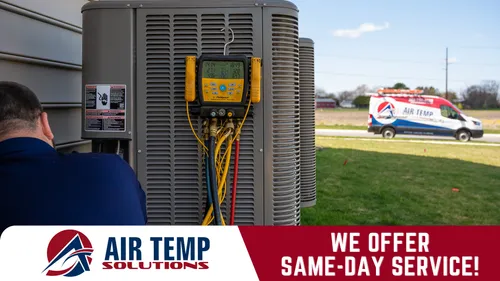
Air Temp Solutions - AC Repair, Heating Repair, Water Heater Repair & Plumbing Devon PA is an HVAC and plumbing contractor serving Philadelphia, PA, and surrounding areas including Newark, DE. They offer a wide range of services such as heating repair and installation, furnace and boiler services, heat pump and geothermal system installation and maintenance, as well as ductless mini-split systems. Their plumbing services cover repairs, water heater installation and maintenance, gas line work, sump pump services, leak detection and repair, pipe and water line services, and comprehensive drain and sewer solutions including trenchless repairs. They also provide indoor air quality services like duct cleaning and UV light filtration installation. The company emphasizes specialized capabilities such as geothermal system installation and trenchless sewer line repairs to minimize disruption. While no specific business history is stated, their team includes technicians with an average of 16 years of experience in heating services.
Comfort Home Heating and Cooling
1035 Milmont Ave, Swarthmore, PA 19081
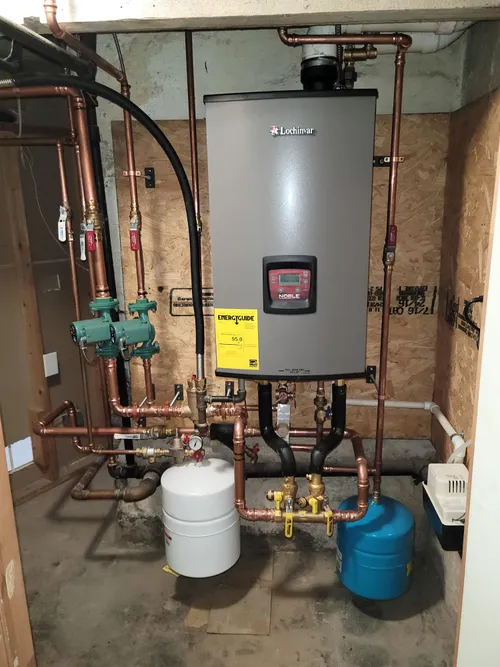
Comfort Home Heating and Cooling is an HVAC company serving Philadelphia, PA, and the surrounding Delaware County area. They provide a range of heating and cooling services including furnace, air conditioning, heat pump, mini-split, and geothermal heat pump installation and repair. Their team handles thermostat installation, indoor air quality solutions, and HVAC tune-ups, ensuring systems operate efficiently. With over 15 years of industry experience, Comfort Home Heating and Cooling employs licensed professionals who perform all work without subcontractors, offering warranties on labor and equipment. They are known for fabricating parts on-site and providing after-hours service when needed.
Carney All Seasons
1100 Industrial Blvd, Southampton, PA 18966
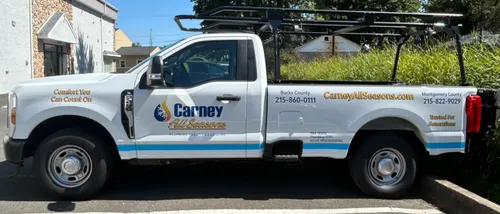
Carney All Seasons is a full-service HVAC and plumbing company serving Philadelphia, PA. They provide installation, repair, and maintenance for air conditioning, heating systems including furnaces, geothermal heat pumps, and HVAC tune-ups. The company also offers plumbing services such as water heater and sump pump installation and repair, as well as sewer and water line services. Carney All Seasons supports environmentally friendly geothermal systems and installs whole-house generators to help during power outages. Their team is EPA certified and experienced in working with high-efficiency and ENERGY STAR models.
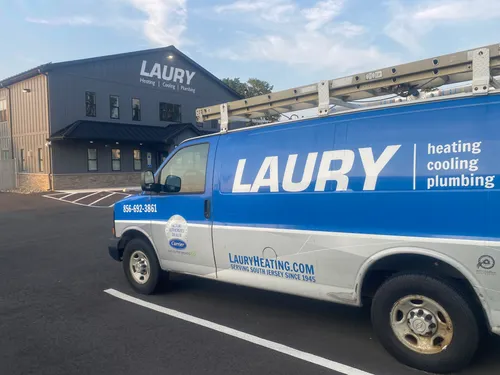
Laury Heating Cooling & Plumbing
923 Haddonfield Rd, Cherry Hill Township, NJ 08002
Laury Heating Cooling & Plumbing is a family-owned HVAC and plumbing company serving Philadelphia, PA, and South Jersey communities since 1945. They provide a range of services including furnace and AC repair, HVAC system installation, heat pump and geothermal system installation, as well as plumbing repairs and water heater services. The company is known for handling both traditional and energy-efficient systems, offering free estimates and flexible financing options. Their certified technicians are experienced in modern HVAC technologies and maintain a commitment to quality workmanship. Laury Heating Cooling & Plumbing also offers priority scheduling for members, ensuring faster service during peak seasons or emergencies.
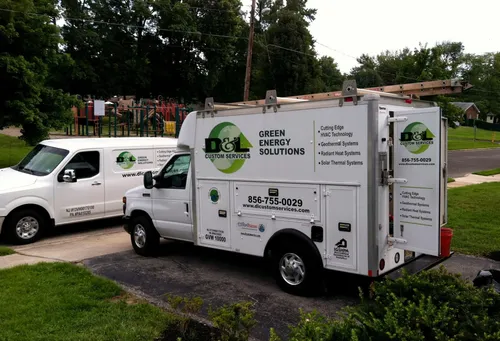
D&L Custom Services, LLC
600 Deer Rd STE 5, Cherry Hill Township, NJ 08034
D&L Custom Services, LLC is a family-operated HVAC company serving Philadelphia, PA, and South Jersey, including Burlington, Camden, and Gloucester counties. Since 1979, they have specialized in residential and light commercial heating and cooling installations, with a focus on green and energy-efficient technologies such as geothermal and air source heat pumps. They offer a range of services including installation, repair, and tune-ups for air conditioners, furnaces, boilers, heat pumps, and mini splits. Their technicians are factory-trained and certified, and the company is fully licensed and insured.
Understanding Geothermal Systems in PA's Climate
Geothermal heat pumps work by exchanging heat with the ground through a loop of pipes buried on your property. In winter, they extract heat from the earth to warm your home; in summer, they remove heat from your home and deposit it into the cooler ground. This process is remarkably efficient, moving three to five units of heat for every unit of electricity consumed.
Pennsylvania's climate, with its cold winters and warm, humid summers, is well-suited for this technology. The ground temperature a few feet below the surface remains relatively constant (typically between 45°F and 60°F in PA) year-round, providing a reliable heat source and sink. This consistency allows a ground-source system to achieve efficiencies 40-60% higher than conventional systems, leading to substantial reductions in utility bills.
Pennsylvania Regulations and Permitting
Installing a geothermal system in Pennsylvania involves navigating a patchwork of state and local regulations. There is no single statewide permit; requirements are set by your county, township, or borough.
- Drilling and Building Permits: Most municipalities require permits for the drilling or trenching involved in installing the ground loop, as well as standard building permits for the interior mechanical work 1. Some areas have specific geothermal ordinances that detail the process.
- Licensing Requirements: The drilling of vertical boreholes for a ground loop is considered water well drilling in Pennsylvania and must be performed by a contractor licensed by the PA Department of Conservation and Natural Resources (DCNR). It's also advisable to work with installers certified by organizations like the International Ground Source Heat Pump Association (IGSHPA).
- Site-Specific Rules: Local codes often mandate minimum setbacks for ground loops from property lines, structures, and existing water wells. Common requirements include staying 10 feet from property lines and 100 feet from potable water wells 2 3. Your installer should handle identifying and complying with all local zoning and health department regulations.
Costs, Incentives, and Long-Term Value
The upfront investment for a residential geothermal system in Pennsylvania is significant, but substantial financial incentives and operational savings improve the long-term value.
- Installation Cost: A complete system for a typical single-family home generally ranges from $20,000 to $40,000 or more, with the final price heavily dependent on the loop field type, soil conditions, and home size 4. This is typically 2 to 3 times the cost of a conventional high-efficiency furnace and air conditioner.
- Federal Tax Credit: The most significant incentive is the federal Residential Clean Energy Credit, which provides a tax credit of 30% of the total installed cost, including labor, through 2032 5. This can reduce your net cost by thousands of dollars.
- State and Local Incentives: Pennsylvania utilities and municipalities may offer additional rebates or low-interest loan programs. The best resource to check for current offers is the Database of State Incentives for Renewables & Efficiency (DSIRE).
- Payback and Savings: While the payback period varies, many homeowners see a return on investment within 2 to 10 years due to the 40-60% savings on heating and cooling bills 6 7. With a heat pump unit lasting 20+ years and the underground loop lasting 25-50 years, the long-term financial and comfort benefits are considerable.
Find the perfect geothermal heat pump contractors for your needs
Get personalized recommendations and expert advice
Evaluating Your Property's Suitability
A successful geothermal installation starts with a thorough site evaluation by a qualified professional. Key factors they will assess include:
- Soil Composition and Thermal Conductivity: The soil's ability to transfer heat directly impacts system efficiency and loop length. Clay soils generally conduct heat better than sandy or dry soils 8. Rocky terrain can increase drilling difficulty and cost.
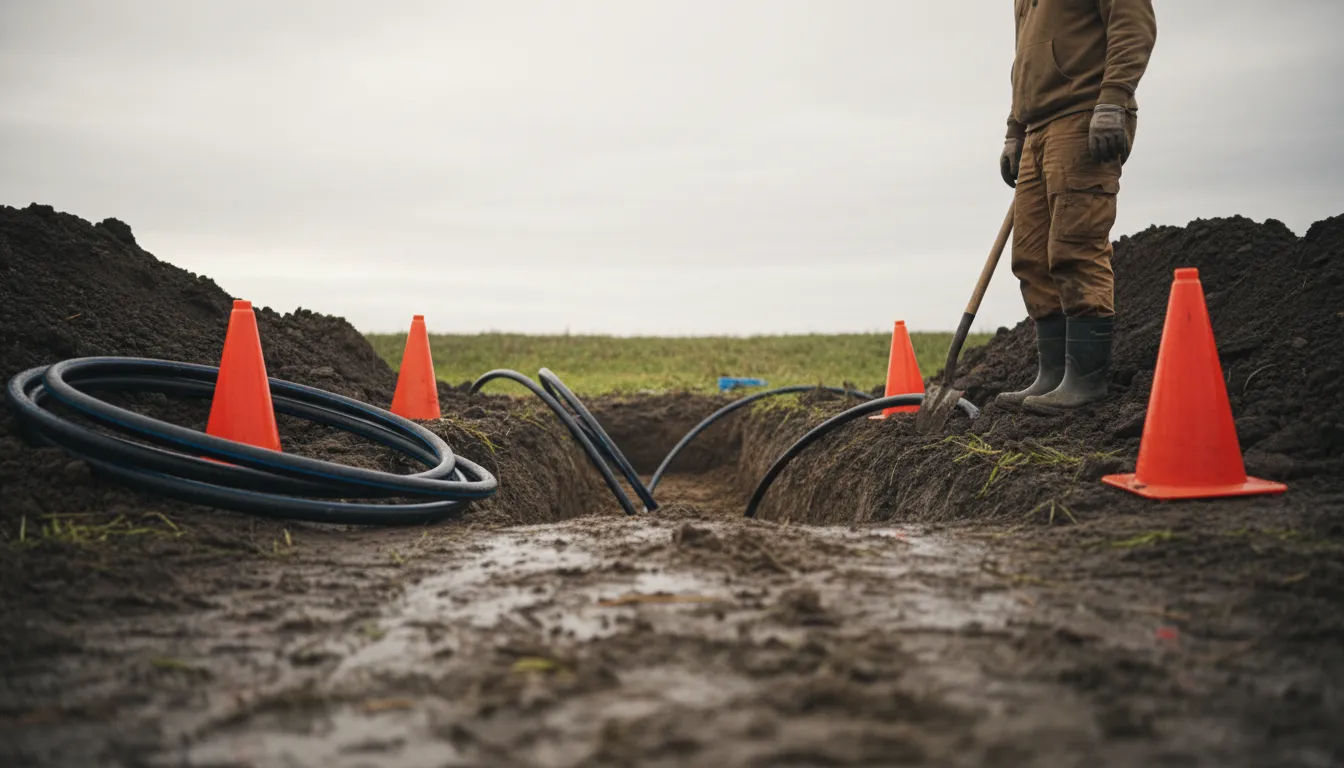
- Available Land Area: Horizontal loop systems, installed in trenches about 6 feet deep, require a significant amount of open land. Vertical loop systems, with boreholes drilled 150-400 feet deep, are ideal for smaller lots but involve higher drilling costs 9 10.
- Groundwater Table: Properties with a high water table can sometimes use "groundwater" or "open-loop" systems, which pump and return well water. These require careful permitting and water quality consideration. Most residential systems use a "closed-loop" design with a water-antifreeze mixture sealed in the pipes.
The Installation Process: A Step-by-Step Overview
Working with a certified installer ensures the process follows best practices and local codes.
- Consultation and Site Assessment: A contractor evaluates your home's heating/cooling loads, inspects your property, and performs a thermal conductivity test if needed.
- System Design: Based on the assessment, the installer designs the loop field (choosing horizontal or vertical configuration) and specifies the correctly sized heat pump unit.
- Permitting: Your contractor secures all necessary local drilling, building, and electrical permits.
- Loop Field Installation: Licensed drillers or excavation crews install the polyethylene ground loop pipes, either in trenches or deep boreholes. The loops are pressure-tested and connected to a manifold.
- Indoor Unit Installation: The geothermal heat pump unit is installed indoors (often in a basement or utility room), connected to the existing ductwork or a new air distribution system.
- System Charging and Startup: The loop is filled with fluid, the heat pump is charged, and the entire system is started, tested, and balanced.
- Final Inspection and Activation: The installer arranges for any required municipal inspections before handing over the system to the homeowner with instructions on operation.
Operational Benefits and What to Expect
Once installed, a geothermal system provides quiet, consistent, and efficient comfort.
- Low Operating Costs: By leveraging the earth's stable temperature, these systems drastically reduce energy consumption. Homeowners commonly report savings of 40-60% on their heating and cooling bills compared to conventional systems 11.
- Durability and Low Maintenance: The indoor heat pump components are housed in a protected environment and can last 20 years or more. The underground loop has a lifespan of 25 to 50 years with virtually no maintenance. Annual check-ups of the pump and air handler are recommended.
- Versatility and Comfort: Many geothermal heat pumps can provide not only space heating and cooling but also a significant portion of your home's domestic hot water, further increasing overall efficiency and savings.
Frequently asked questions
Sources
Footnotes
-
geothermal installation permit - Northampton Township - https://www.northamptontownship.com/media/1498/geothermal-installation-permit.pdf ↩
-
Geothermal Heating Systems Model Ordinance - https://www.ycpc.org/DocumentCenter/View/300/Model-Geothermal-Heating-Systems-Ordinance-PDF ↩
-
Geothermal Energy Systems - Borough of Quarryville, PA - eCode360 - https://ecode360.com/33946445 ↩
-
Geothermal - Montgomery County - https://www.montgomerycountypa.gov/DocumentCenter/View/5052/Renewable-Energy_Geothermal?bidId= ↩
-
Tax Credits for Replacing a New HVAC System in PA - https://signaturehvac.com/blog/tax-credit-for-replacing-hvac-system-in-pa/ ↩
-
Geothermal Heat Pumps: Cost and Installation - https://www.energyhomes.org/renewable-technology/geoinstallation.html ↩
-
Geothermal Heat Pump Guide: Installation Costs, Types And Benefits - https://modernize.com/hvac/heating-repair-installation/heat-pump/geothermal ↩
-
Ground Source Heat Pump Cost: How Much Will You Pay in 2025? - https://www.energysage.com/heat-pumps/costs-benefits-geothermal-heat-pumps/ ↩
-
The Complete Guide To Geothermal Heat Pump Installation - https://ultrageothermal.com/the-complete-guide-to-geothermal-heat-pump-installation/ ↩
-
GeoExchange Systems (Ground Source Heat Pumps) - DEP - https://files.dep.state.pa.us/air/AirQuality/AQPortalFiles/Advisory%20Committees/CCAC/Docs/GeoExchange_Heating_and_Cooling_final_version.pdf ↩
-
Guide to Geothermal Heat Pumps - https://www.energy.gov/sites/prod/files/guide_to_geothermal_heat_pumps.pdf ↩