
Find the Best Geothermal Heat Pump Contractors for Your Business
No obligation • Fast responses • Nationwide coverage

Why you can trust HVAC Firms
HVAC Firms is a leading United States resource for evaluating HVAC service providers. Our team researches companies, checks credentials, and reviews customer feedback to present clear, unbiased information. Listings and rankings are based on merit, and companies cannot pay to change our editorial content.
Search providers near you
Top Geothermal Heat Pump Contractors in Portland, Oregon Ranked
Geothermal heat pumps, also known as ground-source heat pumps, are a highly efficient method for heating and cooling your Portland home by leveraging the Earth's stable underground temperature. This technology matters because it can dramatically reduce energy bills and environmental impact compared to traditional HVAC systems. You can use this guide to understand how these systems work, their benefits, and to connect with local specialists who can assess your property for a custom installation.
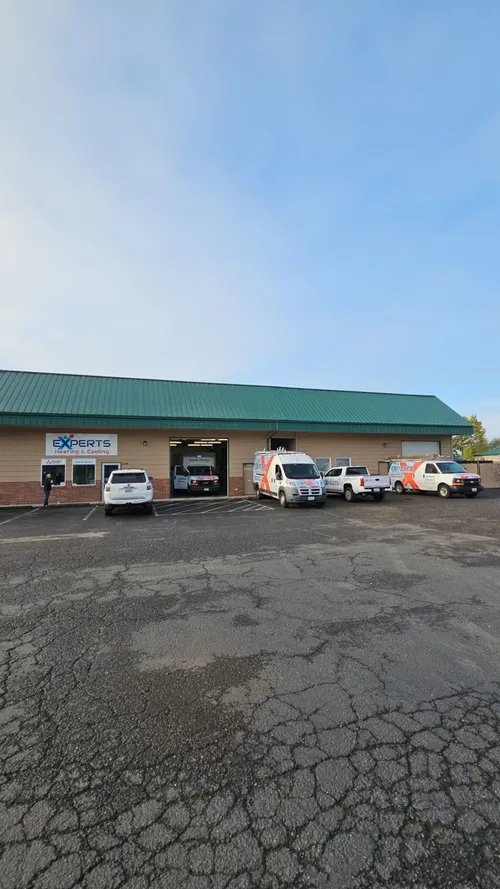
Experts Heating & Cooling, Inc.
3136 Evergreen Way, Washougal, WA 98671
Experts Heating & Cooling, Inc. is an HVAC company serving Portland, OR, and nearby communities. They provide a range of services including installation and repair of air conditioners, furnaces, heat pumps, boilers, mini splits, and geothermal heat pumps. The company also offers HVAC tune-ups and sells high-quality filters through an online store. Established in 2016, Experts Heating & Cooling, Inc. has built experience in handling residential and commercial HVAC needs in the region.

Oregon Climate Tech
402 Beavercreek Rd #112, Oregon City, OR 97045
Oregon Climate Tech is an HVAC company based near Portland, OR, specializing in heating, ventilation, and air conditioning services. They offer repair and installation for air conditioners, furnaces, heat pumps, boilers, mini splits, and geothermal heat pumps. The company partners with Trane to provide reliable HVAC equipment and comprehensive tune-up services. Oregon Climate Tech serves the Portland area with a full range of HVAC solutions.
West-Tech Air
Portland, OR
West-Tech Air is a licensed and insured HVAC company serving Portland, OR, and the surrounding metro area. They provide a range of heating and cooling services including repair and installation of air conditioners, furnaces, heat pumps, boilers, mini splits, and geothermal heat pumps. Their experienced technicians also offer HVAC tune-up services to maintain system efficiency. West-Tech Air covers multiple nearby communities such as Clackamas, Gladstone, Happy Valley, Lake Oswego, Milwaukie, Oregon City, and Tualatin.
Global Quality Heating and Cooling
29101 SE Hwy 212 unit 1, Boring, OR 97009
Global Quality Heating and Cooling is a licensed HVAC contractor based near Portland, OR, serving Multnomah, Clackamas, Washington, Yamhill, Marion, and Clark counties. They specialize in the installation, repair, and maintenance of heating and cooling systems including air conditioners, furnaces, heat pumps, boilers, mini splits, and geothermal heat pumps. The company focuses on improving indoor air quality and energy efficiency for residential and small commercial properties. Their certified team works across the Portland metro area, including Sandy, Gresham, Happy Valley, and Oregon City.
Gresham Heating and Air Conditioning
24023 NE Shea Ln STE 110, Wood Village, OR 97060
Gresham Heating and Air Conditioning is a family-owned HVAC company serving Portland, OR, and nearby areas. Since 1992, they have provided heating, air conditioning, and indoor air quality services, including installation, repair, and maintenance of furnaces, heat pumps, ductless mini splits, and geothermal systems. Their licensed technicians offer specialized capabilities such as refrigerant leak repair and smart thermostat installation. The company emphasizes energy-efficient solutions tailored to each home's needs.
How a Geothermal System Works
A geothermal heating and cooling system operates on a simple, elegant principle: it uses the ground as a heat source in winter and a heat sink in summer. Unlike air temperatures in Portland, which can swing from freezing winters to warm summers, the temperature just a few feet below the surface remains a relatively constant 45-75°F year-round.
The process works like a refrigerator for your entire home. A fluid, typically water or an antifreeze solution, circulates through a series of buried pipes called a ground loop. In the heating mode, this fluid absorbs the Earth's natural warmth. The warm fluid is pumped to an indoor heat pump unit, which concentrates the heat and transfers it to your home's air or water distribution system. For cooling, the system reverses: it extracts heat from your home's air and transfers it into the cooler ground loop fluid, which then rejects the heat into the Earth. This exchange with the stable ground temperature is what makes geothermal technology vastly more efficient than air-source heat pumps that must work against Portland's fluctuating outdoor air temperatures.
Types of Ground Loop Systems
The heart of any geothermal installation is the ground loop. The type of loop system used depends heavily on your property's characteristics-its size, soil composition, and geology. Local Portland installers are experts at evaluating these factors to recommend the best solution.
Horizontal Closed Loops: This is often the most cost-effective option if sufficient land is available. Trenches are dug about four to six feet deep, and pipes are laid out horizontally in a series of parallel runs or slinky coils. This approach requires a larger, clear plot of land but typically involves lower excavation costs than drilling.
Vertical Closed Loops: For homes in Portland with smaller lots, a vertical ground source heat pump system is the standard choice. Contractors drill boreholes approximately 150 to 400 feet deep and insert U-shaped pipe loops1. While the drilling process is more specialized and can have a higher upfront cost, vertical loops are excellent for limited spaces and can offer very consistent performance due to the depth's stable temperature2.
Pond/Lake Loops: If your property has access to a sufficiently deep and large pond or lake, this can be an efficient option. Coils of pipe are submerged at the bottom of the water body, which also maintains a stable temperature. This method can avoid the need for extensive trenching or drilling.
Hybrid Systems: Also known as "dual-source" systems, these combine a geothermal ground loop with a traditional air-source heat pump or another supplemental system. This design can optimize efficiency and cost, particularly for buildings with varying heating and cooling loads, as noted by the Department of Energy3 4.
The Installation Process: What Portland Homeowners Can Expect
Installing a residential geothermal system is a significant project that requires careful planning and skilled execution. Understanding the steps can help you prepare.
- Initial Consultation and Site Assessment: A qualified geothermal installer will visit your property to evaluate your home's heating and cooling loads, insulation, and existing ductwork. They will also assess your land to determine the best type of ground loop, analyzing soil conditions, rock content, and available space.
- System Design and Permitting: The contractor will design a system tailored to your home's needs. This includes sizing the heat pump unit and designing the loop field. They will also handle obtaining any necessary local permits in Portland.
- Ground Loop Installation: This is the most visible phase. For a horizontal system, a backhoe will dig the trenches. For a vertical system, a drilling rig will be brought in to create the boreholes. The high-density polyethylene pipes are then placed, connected into a continuous loop, and pressure-tested5.
- Heat Pump and Connection Installation: The indoor heat pump unit is installed, typically in a basement, utility room, or garage. The ground loop pipes are connected to this unit. The system is then connected to your home's existing ductwork or to a new hydronic (water-based) distribution system like radiant floor heating.
- System Charging, Startup, and Testing: The loop is filled with fluid, and the entire system is pressurized and tested for leaks. The electrical connections are made, and the system is started up. The technician will calibrate the controls and ensure everything is operating at peak efficiency.
Find the perfect geothermal heat pump contractors for your needs
Get personalized recommendations and expert advice
Benefits and Long-Term Value in Portland's Climate
The decision to invest in a geothermal system is driven by its compelling long-term benefits, which align well with Portland's environmental values and climate.
Substantial Energy Savings: This is the most significant advantage. By tapping into the Earth's consistent temperature, geothermal heat pumps operate with remarkable efficiency. Homeowners often see savings of 50% to 70% on their heating and cooling bills compared to conventional systems like furnaces and standard air conditioners6 7 8. Over the lifespan of the system, these savings can completely offset the higher initial investment.
Exceptional Durability and Low Maintenance: The components of a geothermal system are built to last. The underground piping often comes with warranties of 25 to 50 years and can realistically last generations. The indoor heat pump unit typically has a lifespan of 20 years or more, which is longer than most conventional HVAC equipment. Maintenance is straightforward, involving routine checks of the heat pump, similar to maintaining a refrigerator.
Environmental Stewardship: Geothermal systems are one of the cleanest heating and cooling technologies available. They use electricity only to move heat, not to create it by burning fuel. When paired with Portland's growing renewable energy grid, a ground-source heat pump can provide nearly carbon-free comfort for your home 9.
Quiet Operation and Increased Comfort: With no noisy outdoor condenser unit (like an air conditioner or air-source heat pump has), geothermal systems run very quietly. They also provide more consistent temperatures, with fewer drafts and hot or cold spots, because they deliver a steady flow of warm or cool air over longer run cycles10 11.
Understanding Costs and Incentives
The upfront cost for a complete geothermal heating and cooling system in Portland is higher than that of a traditional HVAC system. This is primarily due to the ground loop installation, which involves excavation or drilling. Complete system costs can range widely, typically from $20,000 to $45,000 or more, depending on your home's size, the loop type, and site conditions12 13.
However, it's crucial to view this as a long-term investment. The dramatic reduction in monthly energy bills provides a steady return. Furthermore, significant financial incentives can greatly reduce the net cost:
- Federal Tax Credits: The federal government offers a substantial tax credit for qualified geothermal heat pump installations14.
- State and Local Incentives: Oregon and local utilities may offer additional rebates or incentives for energy-efficient upgrades.
- Increased Home Value: Studies have shown that homes with geothermal systems often see an increase in property value, as buyers recognize the lower operating costs.
A reputable local installer will provide a detailed cost analysis, including projected energy savings and available incentives, to give you a clear picture of the payback period and total value.
Is Your Portland Property Suitable?
Most properties in the Portland area can accommodate some form of geothermal system. The key factors are:
- Land Availability: Do you have enough yard space for a horizontal trench field, or is your lot small, necessitating vertical drilling?
- Soil and Geology: The thermal conductivity of your soil affects system efficiency. Rockier soil, while potentially more expensive to drill, can be an excellent heat exchanger. Your installer will assess this15.
- Existing Infrastructure: The system can usually integrate with existing ductwork. If you don't have ducts, options like ductless mini-split handlers or hydronic radiant floors are available.
The best way to determine suitability is to schedule a consultation with an experienced geothermal contractor who can provide a professional site evaluation.
Frequently asked questions
Sources
Footnotes
-
The Complete Guide To Geothermal Heat Pump Installation - https://ultrageothermal.com/the-complete-guide-to-geothermal-heat-pump-installation/ ↩
-
Geothermal Heat Pump Installation: What To Expect For Your Property - https://jomory.com/geothermal-heat-pump-installation-what-to-expect-for-your-property/ ↩
-
Geothermal Heat Pumps - Department of Energy - https://www.energy.gov/energysaver/geothermal-heat-pumps ↩
-
How it Works - https://www.climatemaster.com/homeowner/side-links/how-it-works ↩
-
Geothermal Heat Pumps | WBDG - https://www.wbdg.org/resources/geothermal-heat-pumps ↩
-
Geothermal Heat Pumps | Installation, Repairs, And Tune-Ups - https://www.hybridhc.com/residential/geothermal-heat-pumps/ ↩
-
5 Things You Should Know about Geothermal Heat Pumps - https://www.energy.gov/cmei/articles/5-things-you-should-know-about-geothermal-heat-pumps ↩
-
Geothermal Heating, Cooling, and Hot Water Systems - https://igshpa.org/wp-content/uploads/Homeowners-Guide-to-Geothermal.pdf ↩
-
Clean Energy 101: Geothermal Heat Pumps - RMI - https://rmi.org/clean-energy-101-geothermal-heat-pumps/ ↩
-
Geothermal (Ground Source) Heat Pumps - NY.gov - https://cleanheat.ny.gov/geothermal-heat-pumps/ ↩
-
How Do Geothermal Systems Work for Residential Homes? - https://www.davisheat.com/blog/how-do-geothermal-systems-work-for-residential-homes/ ↩
-
How Does A Geothermal Heat Pump Work? Complete 2025 Guide - https://solartechonline.com/blog/how-does-geothermal-heat-pump-work/ ↩
-
Geothermal Heat Pump Guide: Installation Costs, Types And Benefits - https://modernize.com/hvac/heating-repair-installation/heat-pump/geothermal ↩
-
Guide to Geothermal Heat Pumps - https://www.energy.gov/sites/prod/files/guide_to_geothermal_heat_pumps.pdf ↩
-
Can you explain the basics of how home geothermal systems ... - https://www.quora.com/Can-you-explain-the-basics-of-how-home-geothermal-systems-work-for-heating-and-hot-water-How-can-someone-determine-if-their-property-is-suitable-for-this-type-of-system ↩