Find the Best Geothermal Heat Pump Contractors for Your Business
No obligation • Fast responses • Nationwide coverage

Why you can trust HVAC Firms
HVAC Firms is a leading United States resource for evaluating HVAC service providers. Our team researches companies, checks credentials, and reviews customer feedback to present clear, unbiased information. Listings and rankings are based on merit, and companies cannot pay to change our editorial content.
Search providers near you
Top Geothermal Heat Pump Contractors in Hillsboro, Oregon Ranked
A geothermal heat pump, also known as a ground-source heat pump, is a highly efficient system that uses the earth's stable temperature to heat and cool your home. This technology matters because it can dramatically reduce your energy bills and environmental footprint while providing reliable comfort year-round. For Hillsboro residents, finding the right local expertise for installation, maintenance, or repair is key to unlocking these benefits, and this guide is designed to help you connect with qualified professionals in your area.

Oregon Climate Tech
402 Beavercreek Rd #112, Oregon City, OR 97045
Oregon Climate Tech is an HVAC company based near Portland, OR, specializing in heating, ventilation, and air conditioning services. They offer repair and installation for air conditioners, furnaces, heat pumps, boilers, mini splits, and geothermal heat pumps. The company partners with Trane to provide reliable HVAC equipment and comprehensive tune-up services. Oregon Climate Tech serves the Portland area with a full range of HVAC solutions.
West-Tech Air
Portland, OR
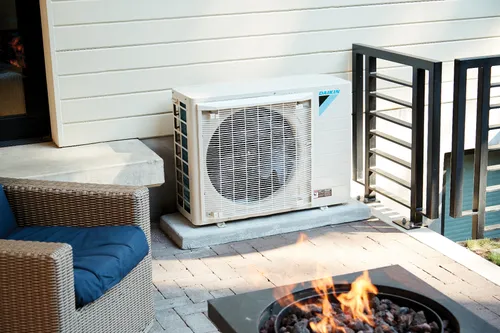
West-Tech Air is a licensed and insured HVAC company serving Portland, OR, and the surrounding metro area. They provide a range of heating and cooling services including repair and installation of air conditioners, furnaces, heat pumps, boilers, mini splits, and geothermal heat pumps. Their experienced technicians also offer HVAC tune-up services to maintain system efficiency. West-Tech Air covers multiple nearby communities such as Clackamas, Gladstone, Happy Valley, Lake Oswego, Milwaukie, Oregon City, and Tualatin.
Gresham Heating and Air Conditioning
24023 NE Shea Ln STE 110, Wood Village, OR 97060
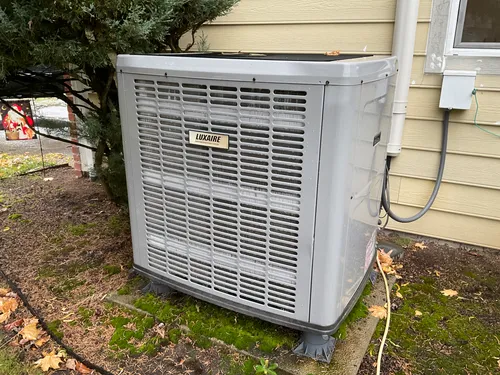
Gresham Heating and Air Conditioning is a family-owned HVAC company serving Portland, OR, and nearby areas. Since 1992, they have provided heating, air conditioning, and indoor air quality services, including installation, repair, and maintenance of furnaces, heat pumps, ductless mini splits, and geothermal systems. Their licensed technicians offer specialized capabilities such as refrigerant leak repair and smart thermostat installation. The company emphasizes energy-efficient solutions tailored to each home's needs.
Geonomic Developments
6635 N Baltimore Ave, Portland, OR 97203
Geonomic Developments is a geothermal heat pump contractor based in Portland, OR. They specialize in designing and installing geothermal heat pump systems for homes, businesses, and communities across Oregon, Washington, and California. Their expertise includes making geothermal technology accessible and affordable, with proven capability in delivering energy-efficient solutions even for small urban properties.

MPS Heating and Cooling, LLC
15970 SW Farmington Rd, Beaverton, OR 97007
MPS Heating and Cooling, LLC is an HVAC contractor serving the Portland, OR area with over 15 years of experience. They provide repair, installation, and tune-up services for air conditioning, furnaces, heat pumps, and geothermal heat pumps for both residential and commercial clients. The company emphasizes customized system design to meet specific needs and budgets, and offers energy-efficient solutions such as geothermal heat pumps and ENERGY STAR certified hybrid water heaters. They also provide emergency repair services to ensure system reliability.
How Geothermal Systems Work in Hillsboro
The principle behind a geothermal heating and cooling system is elegant in its simplicity. Just a few feet below the surface, the earth in Oregon maintains a relatively constant temperature between 50°F and 60°F year-round, regardless of the summer heat or winter chill above ground. A geothermal system, or ground-source heat pump, leverages this stable thermal resource.
In the winter, a fluid (often a water-antifreeze mixture) circulates through a loop of pipes buried in your yard. This fluid absorbs the gentle heat from the ground and carries it to an indoor heat pump unit. The heat pump then concentrates this low-grade heat and distributes warm air throughout your home via standard ductwork. In the summer, the process reverses: the system extracts heat from your indoor air, transfers it to the fluid in the ground loop, and dissipates it into the cooler earth, leaving your home comfortably cooled 1 2. This efficient heat exchange process is what allows these systems to achieve efficiencies of 300% to 500% or more, meaning they move multiple units of heat for every unit of electricity they consume.
Types of Ground Loop Systems
The buried pipe system, or ground loop, is the heart of the geothermal installation. The right type for your Hillsboro property depends on your land availability, soil composition, and budget. Local installers will conduct a thorough site assessment to determine the best option.
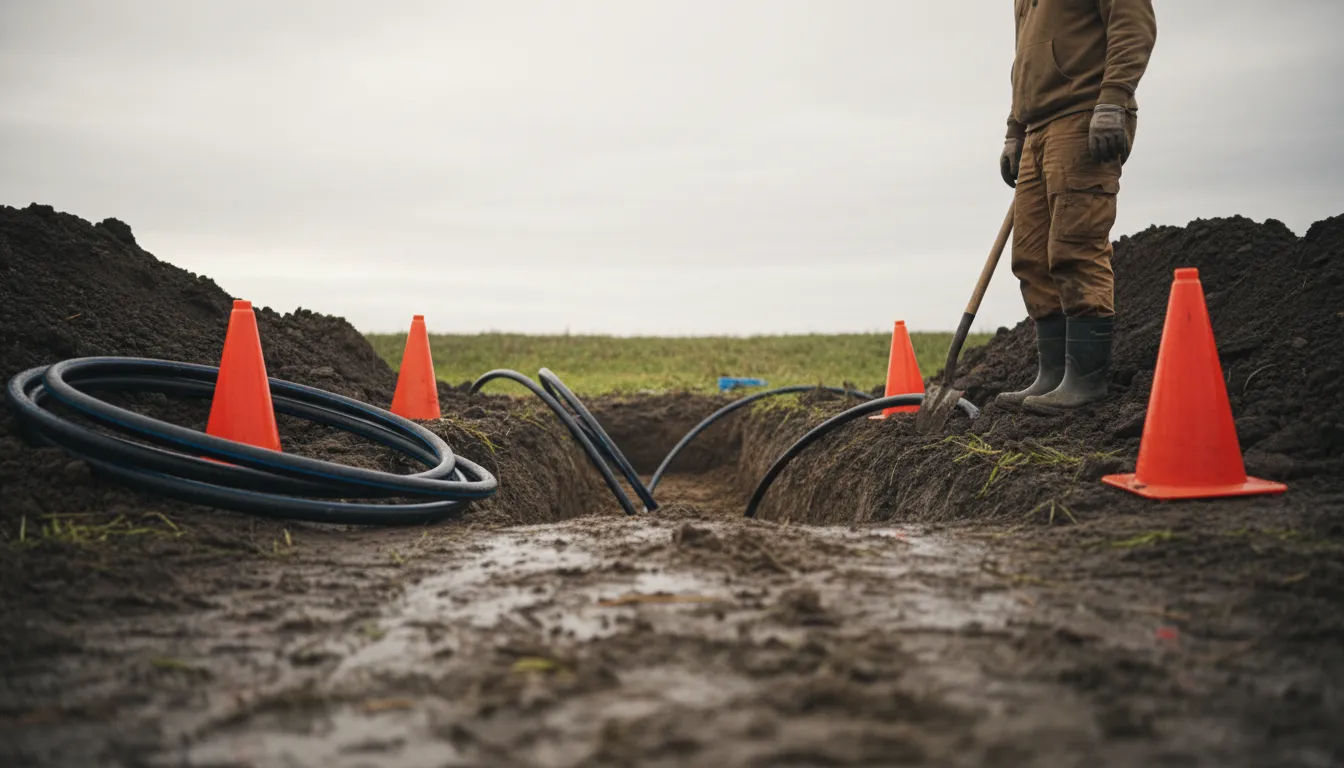
- Horizontal Closed Loops: This is often the most cost-effective method if space allows. Trenchers dig long, shallow trenches (typically 4 to 6 feet deep) across a sizable area of your yard, and pipes are laid in a serpentine pattern. While less expensive on drilling, this approach requires a significant amount of open land 3.
- Vertical Closed Loops: Ideal for smaller residential lots common in many Hillsboro neighborhoods, vertical systems are the most common choice. A drilling rig bores deep holes, typically 150 to 450 feet down. U-shaped loops of pipe are inserted into each borehole, which are then filled with a special grout to ensure good thermal contact. Though the drilling cost is higher, vertical loops offer excellent efficiency and minimal landscape disruption 4 5.
- Open Loop Systems: If you have access to a sufficient supply of clean well water, an open loop system can be highly efficient. It uses groundwater directly, pumping it from one well, through the heat pump, and then discharging it to a second well or a suitable surface body of water. This method requires careful water quality analysis and adherence to local environmental regulations.
- Pond/Lake Loops: If you have a suitably sized and deep pond or lake on your property, a coil of pipe can be submerged at the bottom. This can be a very economical loop option, as it avoids the need for extensive trenching or drilling.
The Installation Process for Hillsboro Homes
Installing a geothermal system is a significant project that requires specialized equipment and expertise. Understanding the steps can help you know what to expect when working with a local installer.
- Comprehensive Site Evaluation: A qualified technician will assess your home's heating and cooling loads, evaluate your property's soil and rock composition (Oregon's diverse geology can impact drilling depth and methods), and determine the best loop type and size 6.
- Loop Field Installation: For a vertical system, a drilling rig will arrive to create the necessary boreholes. For a horizontal system, a trencher will dig the required trenches. The high-density polyethylene pipes are then placed, connected into a continuous loop, and pressure-tested for integrity.
- Indoor Unit Installation: The geothermal heat pump unit, which is typically about the size of a small refrigerator, is installed in your basement, garage, or utility closet. It is connected to the ground loop and to your home's existing ductwork or hydronic distribution system.
- System Startup and Commissioning: The loop is filled with fluid, the system is purged of air, and the heat pump is connected to electrical power. The installer will then calibrate the controls, test all sequences of operation, and ensure the system is delivering heated or cooled air as designed 7.
Find the perfect geothermal heat pump contractors for your needs
Get personalized recommendations and expert advice
Benefits and Long-Term Value
The decision to install a geothermal system is an investment in long-term comfort, savings, and sustainability. The primary benefits driving homeowners in Hillsboro to choose this technology include:
- Substantial Energy Savings: By harnessing the free, renewable energy stored in the earth, geothermal heat pumps can reduce energy consumption for heating, cooling, and even hot water production by up to 70% compared to conventional systems like furnaces and standard air conditioners 8 9 10. This can translate to annual savings ranging from hundreds to thousands of dollars on utility bills.
- Exceptional Reliability and Longevity: The ground loop is typically warranted for 50+ years and can last for generations, as the durable polyethylene piping is protected from the elements underground. The indoor heat pump unit also enjoys a long lifespan, often exceeding 20 years, which is considerably longer than the average outdoor air-source heat pump or air conditioner.
- Enhanced Comfort: These systems provide consistent, even heating and cooling without the drafts and temperature swings associated with fossil fuel furnaces. They also maintain humidity levels more effectively in cooling mode and provide a steady supply of warm air in heating mode.
- Reduced Environmental Impact: Geothermal systems have a very low carbon footprint. They use electricity only to move heat, not to create it by burning fuel. When paired with renewable electricity, they can provide truly carbon-free home conditioning.
- Quiet Operation and Low Maintenance: With no loud outdoor condenser unit, geothermal systems operate very quietly. They also have fewer mechanical components exposed to the weather, which generally means lower maintenance requirements and costs over time.
Understanding Costs and Incentives
The upfront cost for a complete geothermal system in Hillsboro is higher than that of a traditional HVAC system. For an average home, total installed costs typically range from $20,000 to $45,000 or more, with significant variation based on the loop type (vertical being more expensive than horizontal), your home's size, and the existing ductwork 11.
However, the financial analysis must consider the complete picture:
- Long-Term Savings: The dramatic reduction in monthly energy bills creates a payback period, often between 5 to 15 years. Over a 20-year period, the total energy savings can offset a major portion, if not all, of the initial investment, potentially saving homeowners $30,000 to $70,000 or more 12 13.
- Federal Tax Credits: The federal government offers a significant tax credit for qualified geothermal heat pump installations, which can directly reduce your federal income tax liability. It's crucial to consult with your installer and tax professional for the latest credit details and eligibility 14.
- Increased Home Value: Studies have shown that homes with geothermal systems often see an increase in property value, as buyers recognize the benefit of low utility costs and modern, efficient technology.
Choosing a local Hillsboro installer with proven experience in geothermal technology is essential. They can provide you with a detailed, site-specific quote, explain all available incentives, and help you model the long-term savings for your unique home.
Frequently asked questions
Sources
Footnotes
-
Geothermal Heat Pumps | WBDG - https://www.wbdg.org/resources/geothermal-heat-pumps ↩
-
Geothermal Heating/Cooling Cost and Savings Analysis | Schaumburg's Sustainable Future - https://futureofschaumburg.wordpress.com/green-design/geothermal-heatingcooling-cost-and-savings-analysis/ ↩
-
How Does A Geothermal Heat Pump Work? Complete 2025 Guide - https://solartechonline.com/blog/how-does-geothermal-heat-pump-work/ ↩
-
Geothermal heating & cooling, heat pumps, heat exchange ... - https://aztechgeo.com/residential-geothermal/how-it-works/ ↩
-
Geothermal Heat Pumps - EnergySmart CNY - https://www.energysmartcny.org/heat-pumps/geothermal/ ↩
-
What Is A Heat Pump? | Hybrid Heating & AC | Hillsboro, OR - https://www.hybridhc.com/what-is-a-heat-pump/ ↩
-
All You Need to Know About Home Geothermal Heating & ... - https://dandelionenergy.com/all-you-need-to-know-about-home-geothermal-heating-cooling ↩
-
How It Works: Geothermal Heat Pump 101 - GeoComfort Blog - https://geocomfort.com/blog/how-it-works-geothermal-heat-pump-101 ↩
-
5 Things You Should Know about Geothermal Heat Pumps - https://www.energy.gov/cmei/articles/5-things-you-should-know-about-geothermal-heat-pumps ↩
-
How Does a Geothermal System Work? - ClimateMaster - https://www.climatemaster.com/homeowner/side-links/how-it-works ↩
-
What Does A Geothermal System Cost? | Hillsboro, OR - https://www.hybridhc.com/what-does-a-geothermal-system-cost/ ↩
-
Geothermal Heat Pump: How It Works, How Long It Lasts, and How ... - https://dandelionenergy.com/geothermal-heat-pump-how-it-works-how-long-it-lasts-and-how-much-it-costs ↩
-
Geothermal Heat Pump Guide: Installation Costs, Types And Benefits - https://modernize.com/hvac/heating-repair-installation/heat-pump/geothermal ↩
-
Geothermal Heat Pumps - Department of Energy - https://www.energy.gov/energysaver/geothermal-heat-pumps ↩