Find the Best Geothermal Heat Pump Contractors for Your Business
No obligation • Fast responses • Nationwide coverage

Why you can trust HVAC Firms
HVAC Firms is a leading United States resource for evaluating HVAC service providers. Our team researches companies, checks credentials, and reviews customer feedback to present clear, unbiased information. Listings and rankings are based on merit, and companies cannot pay to change our editorial content.
Search providers near you
Top Geothermal Heat Pump Contractors in Tulsa, Oklahoma Ranked
A geothermal heat pump is a highly efficient heating and cooling system that uses the Earth's stable underground temperature to regulate your home's climate. For Tulsa homeowners, this technology offers a powerful way to combat both summer heat and winter chill while dramatically reducing energy bills. This guide explains how ground-source heat pumps work, their benefits for Oklahoma's climate, and how you can find qualified local experts for installation and service.
Chapman HVAC
51321 S 36400 Rd, Cleveland, OK 74020
Chapman HVAC is a licensed and insured HVAC company serving Tulsa, OK, and surrounding areas including Cleveland, Mannford, and Sand Springs. They provide a wide range of residential and commercial heating and air conditioning services, including repair, installation, and maintenance of furnaces, heat pumps, mini splits, geothermal systems, and refrigeration equipment. Their team is equipped to handle both heating and cooling needs with expertise in commercial air conditioning and heating solutions. Chapman HVAC offers 24/7 emergency HVAC services to ensure reliable comfort for their customers. With years of experience in the Cleveland area, they focus on delivering dependable HVAC solutions tailored to the specific needs of each client.

Route 66 HVAC
501 N Mission St, Sapulpa, OK 74066
Route 66 HVAC is a family-owned heating and air conditioning company serving Tulsa, OK, and the surrounding Northeast Oklahoma region. With over 35 years of combined field and classroom experience, they provide a wide range of HVAC services including installation, repair, and maintenance of air conditioners, furnaces, heat pumps, mini splits, and geothermal systems. They also offer indoor air quality solutions, thermostat installation, and emergency repair services available day and night. Their expertise includes high-efficiency HVAC systems and advanced HVAC testing to ensure optimal performance and energy savings. Route 66 HVAC honors its deep heritage connected to the historic Route 66 and offers special discounts for veterans and first responders.
Overholt Heating & Air Inc.
602 W Broadway, Collinsville, OK 74021
Overholt Heating & Air Inc. is a heating and air conditioning company serving Tulsa, OK, and the surrounding Northeastern Oklahoma area. They provide services for both residential and commercial clients, including HVAC installation, AC repair, heat pump repair, geothermal heat pump installation, and HVAC tune-ups. The company is experienced in handling new construction projects and offers expertise with programmable thermostats to improve energy efficiency. Overholt Heating & Air Inc. has earned an A+ rating with the BBB and positive reviews across multiple platforms.

Hope Heating and Cooling, LLC
Tulsa, OK
Hope Heating and Cooling, LLC is a locally owned HVAC company serving Tulsa, OK. They provide installation, repair, and maintenance services for a wide range of HVAC systems, including traditional units, mini splits, and geothermal heat pumps. As a registered Lennox dealer, they offer sales and service of Lennox products along with indoor air quality solutions and home energy audits. The company emphasizes community involvement and supports customers with rebates and tax credit information.
GNH Heating & Cooling, LLC
10812 N 154th E Ave, Owasso, OK 74055
GNH Heating & Cooling, LLC provides HVAC repair, installation, and maintenance services in Tulsa, OK. They specialize in air conditioning, furnace, heat pump, and geothermal heat pump systems, serving the Greater Tulsa Metro area. Their factory-trained technicians handle new installations, repairs, routine maintenance, and emergency services. The company emphasizes dependable service and long-term customer relationships.
How Geothermal Systems Work in Tulsa
Geothermal heating and cooling systems, often called ground-source heat pumps (GSHPs), leverage a simple fact: just a few feet below the surface, the Earth maintains a nearly constant temperature of 50-60°F year-round. A geothermal system uses this thermal energy bank through a series of buried pipes, called a ground loop.
During the winter, a water-based solution circulating through the loop absorbs heat from the relatively warm ground. This heat is delivered to a heat pump unit inside your home, which concentrates it and distributes warm air through your ducts 1. In the summer, the process reverses: the system extracts heat and humidity from your indoor air and transfers it into the cooler ground loop, providing efficient air conditioning2 3. This exchange with the stable earth, rather than the variable outside air, is what makes geothermal technology so efficient, often reducing energy use for heating and cooling by 25% to 70%.
Types of Ground Loop Systems
The heart of any geothermal installation is the ground loop. The right type for your Tulsa property depends on your lot size, soil composition, and local geology. The two main categories are closed-loop and open-loop systems.
Closed-Loop Systems are the most common. They circulate an antifreeze solution through a continuous, sealed pipe network buried in the ground. There are three primary configurations:
- Horizontal: Pipes are laid in trenches 5 to 10 feet deep. This requires a larger amount of land but is often less expensive to install than vertical systems where space allows.
- Vertical: Pipes are installed in deep boreholes, typically 100 to 400 feet deep. This is ideal for smaller urban or suburban lots in Tulsa and minimizes landscape disruption.
- Pond/Lake: If you have a suitable water body on your property, coils of pipe can be submerged at the bottom. This can be a cost-effective option if conditions are right4.
Open-Loop Systems use groundwater directly from a well as the heat exchange fluid. After passing through the heat pump, the water is discharged back into a second well, a pond, or a stream in accordance with local regulations. This system is less common as it requires an adequate supply of clean water and appropriate discharge options5 6.
The Installation Process: What to Expect
Installing a geothermal heat pump is a significant project that requires specialized expertise. Understanding the typical timeline can help Tulsa homeowners plan effectively. A standard installation for a residential property often follows a multi-day sequence7.
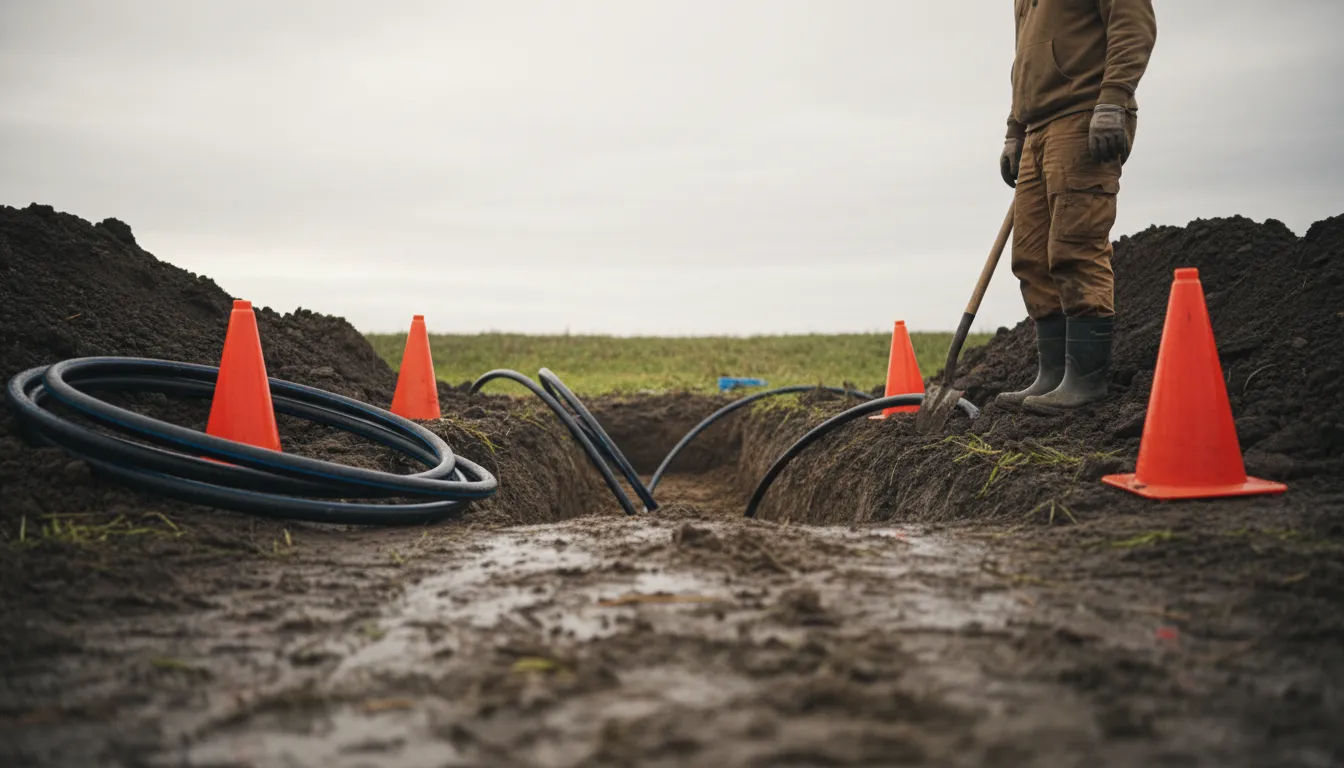
- Days 1-3: Ground Loop Installation. This phase involves the most exterior work. The contractor will prepare the site, then begin trenching for a horizontal system or drilling for a vertical one. The high-density polyethylene pipes are laid or inserted, connected into a continuous loop, and pressure-tested to ensure there are no leaks before the trenches are backfilled.
- Days 4-6: Indoor Unit & Connection. The focus moves inside. The geothermal heat pump unit is placed in your basement, garage, or mechanical closet. Necessary modifications to existing ductwork or electrical panels are made. The critical step is connecting the indoor unit to the pipes leading to the buried ground loop.
- Day 7: System Startup & Training. The final electrical connections are completed, and the system is charged with refrigerant and started up. A quality installer will thoroughly test the system, calibrate the thermostat, and walk you through its operation and basic maintenance.
Benefits for Tulsa Homeowners
Investing in a geothermal system offers compelling advantages tailored to life in Oklahoma.
- Substantial Energy Savings: This is the most significant benefit. By using the Earth's consistent temperature, geothermal heat pumps require much less electricity to operate than conventional air conditioners and furnaces. Homeowners can see a 44% to 70% reduction in energy use for heating and cooling, which often translates to a 50% to 80% savings on that portion of their utility bills8 9.
- Lower Operating Costs: The dramatic reduction in energy consumption directly leads to lower monthly bills. While upfront costs are higher, the payback period through energy savings can often be within 5 to 10 years, especially when combined with available incentives.
- Eligibility for Tax Credits: Geothermal heat pumps are recognized as a renewable energy technology by the federal government. This makes them eligible for significant residential energy tax credits, which can offset a substantial portion of the installation cost10. It's important to check current credit amounts and eligibility requirements.
- Superior Comfort: These systems provide consistent, even heating and cooling without the cold blasts or hot streaks common with traditional systems. They also excel at dehumidification in the summer, making your home feel more comfortable.
- Quiet and Clean Operation: With no noisy outdoor condenser unit (like a standard air conditioner), geothermal systems run very quietly. They also have no on-site combustion, meaning no risk of carbon monoxide and a lower overall carbon footprint for your home.
- Exceptional Longevity: The underground loop system is incredibly durable, with a lifespan often exceeding 50 years. The indoor heat pump unit typically lasts 20 to 25 years-significantly longer than the average outdoor air conditioner compressor.
Find the perfect geothermal heat pump contractors for your needs
Get personalized recommendations and expert advice
Understanding Costs and Long-Term Value
The initial investment for a complete geothermal heating and cooling system in Tulsa is higher than that of a conventional HVAC system. Total costs can range from $20,000 to $50,000 or more, influenced heavily by the loop type (vertical drilling is more expensive than horizontal trenching), your home's size, and the existing ductwork11 12.
However, this figure must be weighed against the long-term financial picture. The dramatically lower operating costs mean the system often pays for itself over time. When you factor in the decades of energy savings, the exceptional lifespan of the equipment, and available federal tax incentives, the total lifetime cost of a geothermal system can be very competitive with-or even lower than-maintaining and replacing conventional systems multiple times over the same period13 14.
Is Your Tulsa Home a Good Candidate?
Most homes in the Tulsa area can be outfitted with a geothermal system. Key considerations include:
- Land Availability: Do you have sufficient yard space for a horizontal trenching system, or would vertical drilling be necessary?
- Soil and Rock Conditions: The composition of your soil affects heat transfer and drilling feasibility. A reputable installer will assess this.
- Existing Ductwork: Many systems use existing air ducts, which may need modification. Ductless options are also possible.
- Home Energy Efficiency: To maximize the benefits and right-size the system, your home should be well-insulated and sealed.
The best way to determine suitability is to consult with an experienced, certified geothermal contractor who can perform a detailed site assessment and load calculation for your specific property.
Frequently asked questions
Sources
Footnotes
-
How Does A Geothermal Heat Pump Work? Complete 2025 Guide - https://solartechonline.com/blog/how-does-geothermal-heat-pump-work/ ↩
-
All You Need to Know About Home Geothermal Heating & Cooling - Dandelion Energy - https://dandelionenergy.com/all-you-need-to-know-about-home-geothermal-heating-cooling ↩
-
Geothermal Cooling - Everything You Need To Know - https://dandelionenergy.com/geothermal-cooling ↩
-
Geothermal Heat Pumps - Department of Energy - https://www.energy.gov/energysaver/geothermal-heat-pumps ↩
-
Geothermal Ground Loop FAQs - Dandelion Energy - https://dandelionenergy.com/geothermal-ground-loop-frequently-asked-questions ↩
-
Ground-Source Heat Pumps | Building America Solution Center - https://basc.pnnl.gov/resource-guides/ground-source-heat-pumps ↩
-
Geothermal Heat Pump Installation: What To Expect For Your Property - https://jomory.com/geothermal-heat-pump-installation-what-to-expect-for-your-property/ ↩
-
Geothermal Heat Pump - DSO Electric Cooperative - https://dsoelectric.com/geothermal-heat-pump ↩
-
Geothermal Heat Pumps - Airco Service - https://www.aircoservice.com/services/geothermal-heat-pumps/ ↩
-
Guide to Geothermal Heat Pumps - https://www.energy.gov/sites/prod/files/guide_to_geothermal_heat_pumps.pdf ↩
-
Oklahoma Paves the Way for Geothermal Heating and Cooling - https://www.climatemaster.com/homeowner/news/geothermal-energy/geothermal-energy/2021-03-29-oklahoma-paves-the-way-for-geothermal-heating-and-cooling ↩
-
Geothermal Heat Pump Guide: Installation Costs, Types And Benefits - https://modernize.com/hvac/heating-repair-installation/heat-pump/geothermal ↩
-
5 Things You Should Know about Geothermal Heat Pumps - https://www.energy.gov/cmei/articles/5-things-you-should-know-about-geothermal-heat-pumps ↩
-
Why Geothermal HVAC is the Best Investment for Oklahoma ... - https://comfort.works/geothermal-hvac-investment-for-homeowners/ ↩