Find the Best Geothermal Heat Pump Contractors for Your Business
No obligation • Fast responses • Nationwide coverage

Why you can trust HVAC Firms
HVAC Firms is a leading United States resource for evaluating HVAC service providers. Our team researches companies, checks credentials, and reviews customer feedback to present clear, unbiased information. Listings and rankings are based on merit, and companies cannot pay to change our editorial content.
Search providers near you
Top Geothermal Heat Pump Contractors in Niagara Falls, New York Ranked
A geothermal heat pump, also known as a ground-source heat pump, is a highly efficient heating and cooling system that leverages the Earth's stable underground temperature. For homeowners in Niagara Falls, this technology offers a powerful way to drastically reduce energy bills and environmental impact by using the ground as a renewable thermal resource. This guide explains how these systems work, what installation involves, and how you can find qualified local professionals to assess your property for this clean energy upgrade.

Capital Heating, Cooling, Plumbing, & Electric
2975 Walden Ave, Depew, NY 14043
Capital Heating, Cooling, Plumbing, & Electric is a family-owned business serving Buffalo, NY, and the surrounding Western New York area. Since 1957, they have provided comprehensive HVAC services including installation, repair, and maintenance of air conditioners, furnaces, heat pumps, boilers, mini splits, and geothermal systems. The company offers custom design and in-house engineering to ensure precise solutions tailored to each home. They also provide whole home generators and emergency service availability for urgent heating, cooling, plumbing, and electrical needs.
NOCO Residential: HVAC, Fuels, and Energy
2440 Sheridan Dr, Tonawanda, NY 14150
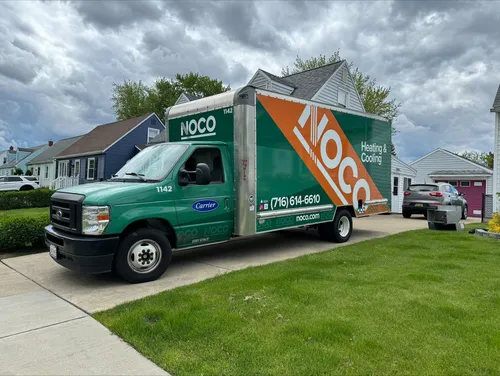
NOCO Residential: HVAC, Fuels, and Energy is a family-owned business serving Buffalo, NY, and the surrounding Western and Central New York regions. Established in 1933, NOCO offers a wide range of home energy services including heating, cooling, geothermal systems, propane, heating oil, solar energy, insulation, plumbing, and generator installation. They specialize in installing and servicing high-efficiency HVAC systems and ground-source geothermal heat pumps to help homeowners maintain comfort and energy efficiency year-round. NOCO also provides home energy assessments to identify efficiency improvements and offers flexible energy solutions tailored to local needs.
JC Mechanical
5000 Salt Rd, Clarence, NY 14031
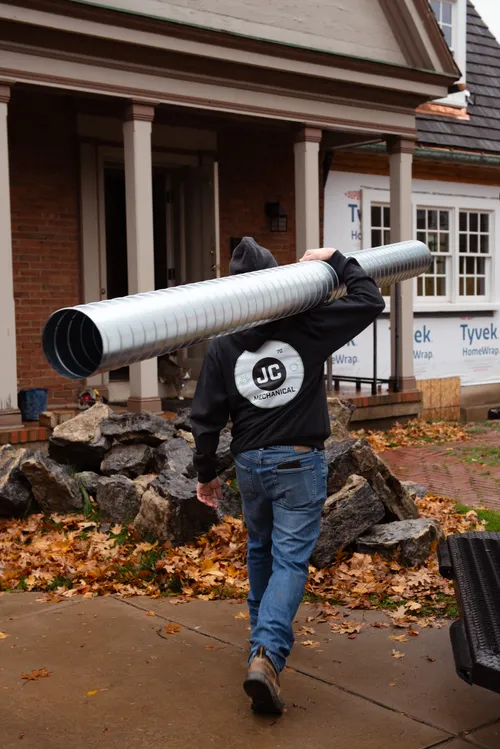
JC Mechanical is an HVAC company based in Buffalo, NY, providing commercial and residential heating and cooling services. They offer installation, repair, and maintenance for systems including air conditioners, furnaces, boilers, mini-splits, and geothermal heat pumps. The company also fabricates custom ductwork using automated plasma cutting technology to ensure precise fittings. Since 2009, JC Mechanical has served Buffalo and Western New York with a focus on high-quality installations and honest system diagnostics.
Superior Plumbing & Heating of Fort Erie
315 Garrison Rd Unit#5, Fort Erie, ON L2A 0G2, Canada
Superior Plumbing & Heating of Fort Erie offers a wide range of plumbing and heating services in Buffalo, NY. Their expertise includes furnace and heat pump repair, heat pump and boiler installation, as well as geothermal heat pump services. With over 20 years of experience, they handle complex plumbing and heating issues using modern tools and methods. The company also provides emergency plumbing services and is equipped to manage commercial plumbing needs. Their team is licensed and certified, ensuring professional service for both residential and commercial clients.
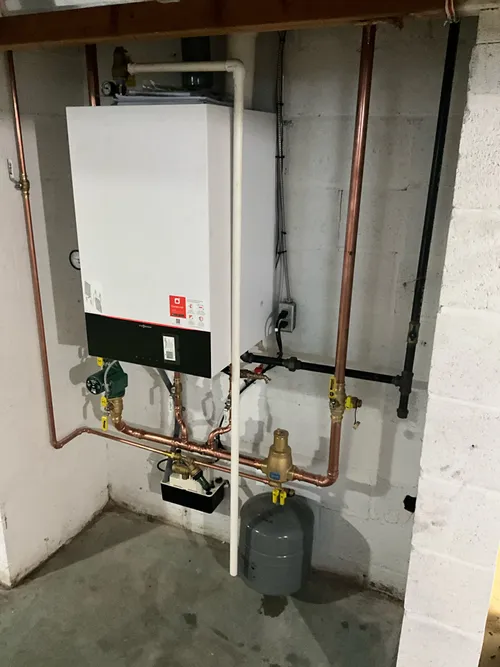
AB & N Plumbing
251 Fayette Ave, Buffalo, NY 14223
AB & N Plumbing, now part of Cellino Plumbing Heating, Cooling & Electric, serves Buffalo, NY, offering a range of HVAC and plumbing services. Their expertise includes installation and repair of air conditioners, furnaces, heat pumps, boilers, mini splits, and geothermal heat pumps. The combined team brings expanded resources and capabilities to handle heating, cooling, plumbing, and electrical needs in the area.
How Geothermal Systems Work: Tapping the Earth's Constant Temperature
The core principle behind a geothermal or ground-source heat pump is remarkably simple: a few feet below the surface, the ground maintains a nearly constant temperature of 50-60°F year-round, regardless of the winter cold or summer heat above 1. This stable thermal mass provides a consistent heat source in winter and a reliable heat sink in summer.
The system operates through a closed loop of pipes, called a ground loop, buried in your yard. A water-based fluid circulates through these pipes. In the heating mode, this fluid absorbs the Earth's warmth and carries it to an indoor heat pump unit. The heat pump then concentrates this low-grade heat and distributes warm air through your home's ductwork. For cooling, the process reverses: the system extracts heat from your home, deposits it into the cooler ground via the fluid in the loops, and circulates chilled air inside 2 3. This exchange process is what makes geothermal systems so efficient, as they move existing heat rather than generating it through combustion, delivering 3 to 5 units of energy for every 1 unit of electricity used to run the system.
Types of Ground Loop Systems for Niagara Falls Properties
The design of the underground loop field is critical and depends entirely on your property's characteristics. There are three primary configurations, each with its own advantages.
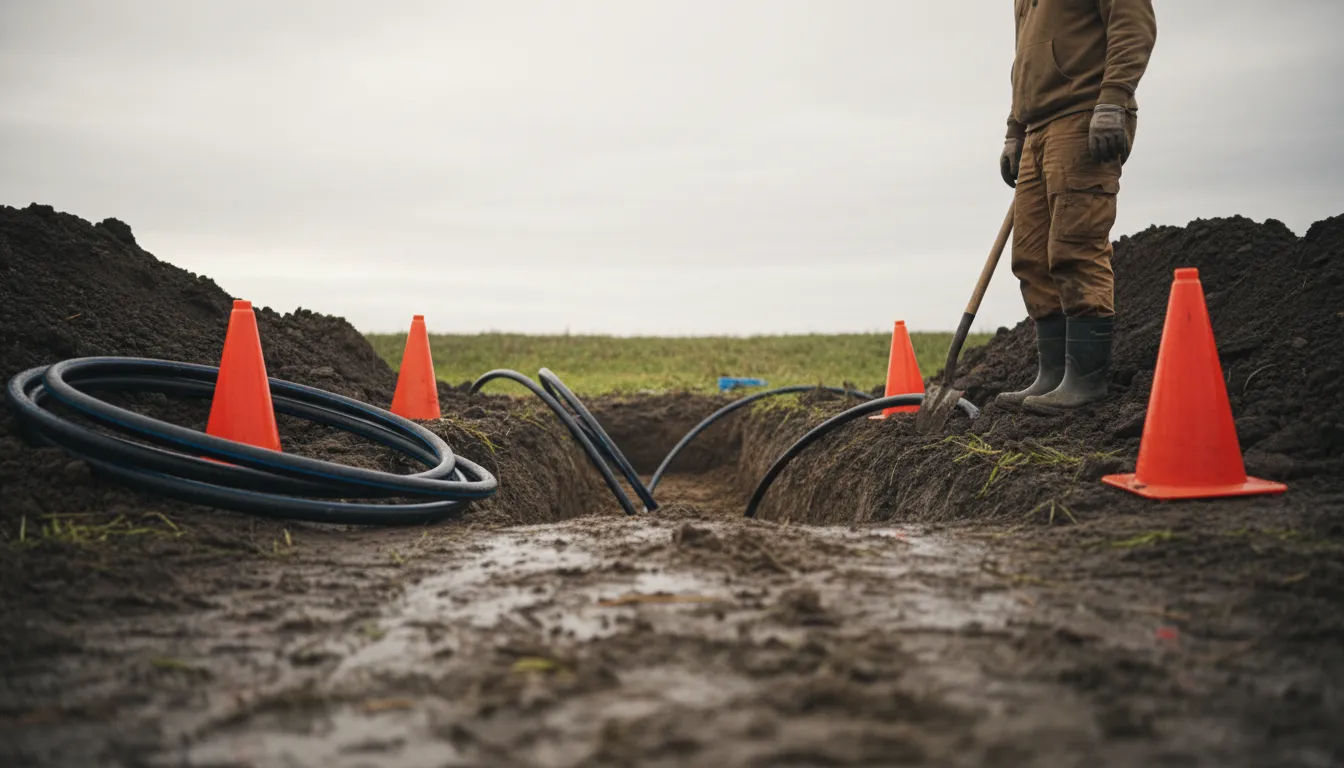
Horizontal Closed Loops: This is often the most cost-effective option if sufficient land is available. Contractors excavate trenches 4 to 8 feet deep and 2 to 4 feet wide in your yard. Pipes are laid in these trenches in a slinky-coil or straight-run pattern. This method requires a larger, clear plot of land but typically involves lower excavation costs compared to deep drilling 4.
Vertical Closed Loops: For properties with limited space, like many urban or suburban lots in Niagara Falls, vertical loops are the standard solution. Contractors use a drilling rig to bore holes 150 to 400 feet deep. U-shaped pipes are inserted into each borehole, which are then filled with a special grout to ensure good thermal conductivity. While the drilling cost is higher, this system minimizes landscape disruption and is excellent for smaller yards 5.
Pond/Lake Loops: If you have a suitably sized and deep pond or lake on your property, this can be an excellent low-cost loop source. Coils of pipe are submerged and anchored at the bottom of the water body. The water acts as an excellent heat exchange medium. This option avoids any digging or drilling on land but is entirely dependent on having the right water resource available 6 7.
The Installation Process: What Homeowners Can Expect
Installing a geothermal heating and cooling system is a significant project that requires specialized expertise. Understanding the steps can help you prepare.
- Site Assessment and Design: A qualified installer will first conduct a thorough evaluation of your property. They will assess soil composition, available space, your home's heating and cooling loads, and local geology to recommend the optimal loop type and size the system correctly. This step is crucial for long-term efficiency and performance.
- Drilling or Trenching: For vertical systems, a drilling rig will be brought in to create the boreholes. For horizontal systems, a backhoe will dig the necessary trench network. In New York, drilling contractors must follow regulations under the Environmental Conservation Law (ECL) to protect groundwater.
- Loop Installation: High-density polyethylene (HDPE) pipe, which is extremely durable and corrosion-resistant, is fused together and placed into the trenches or boreholes. The loops are then pressure-tested to ensure there are no leaks before being connected to a manifold that leads into your home.
- Indoor Unit Installation: The geothermal heat pump unit, which is about the size of a small refrigerator, is installed indoors-typically in a basement, utility room, or garage. It is connected to your home's existing ductwork and to the ground loop pipes. Your old furnace or air conditioner is usually decommissioned at this stage.
- System Startup and Commissioning: The installer will fill the loop with fluid, purge any air, and start the system. They will calibrate and test all components to ensure everything is operating at peak efficiency before handing it over to you.
It's essential to work with installers who hold certifications from organizations like the International Ground Source Heat Pump Association (IGSHPA) or the National Ground Water Association (NGWA), as they are trained in industry best practices 8.
Financial Benefits, Incentives, and Payback in New York
The upfront cost of a geothermal system is higher than a conventional furnace and air conditioner. A typical 2-4 ton residential system in Niagara Falls might range from $20,000 to $40,000 installed, depending on the loop type and home size 9. However, the operational savings and available incentives make it a compelling long-term investment.
Substantial Energy Savings: By leveraging free thermal energy from the ground, geothermal heat pumps can cut heating and cooling costs by 39% to 75% compared to systems using oil, propane, or standard electric resistance heat 10. These savings provide a buffer against volatile fossil fuel prices.
New York State Incentives: New York offers powerful incentives to lower the net cost. Homeowners can claim a state tax credit worth 25% of the installed cost, up to $5,000 11 12. This is a direct dollar-for-dollar reduction on your state income tax.
Federal Tax Credit: The federal government also offers a tax credit for qualified geothermal heat pump installations, further reducing the net investment 13.
Calculating Payback: With these significant savings and incentives, the payback period-the time it takes for energy savings to equal the initial investment-typically falls between 5 and 10 years for many homeowners 14. After that, you enjoy decades of dramatically lower utility bills. Furthermore, a geothermal system often increases property value and comes with a very long lifespan, with the underground loops lasting 50+ years and the indoor heat pump unit lasting 20-25 years.
Find the perfect geothermal heat pump contractors for your needs
Get personalized recommendations and expert advice
Environmental Impact and Efficiency
Choosing a ground-source system is one of the most effective single steps a homeowner can take to reduce their carbon footprint. By eliminating on-site fossil fuel combustion for heating and using a highly efficient electric process, geothermal systems drastically cut greenhouse gas emissions. When paired with New York's increasingly green electrical grid, the environmental benefits are even greater. This aligns perfectly with New York State's ambitious climate goals under the Climate Leadership and Community Protection Act (CLCPA), which aims for a carbon-free electricity sector by 2040 15. Installing geothermal technology positions your home as part of this clean energy future.
Is Geothermal Right for Your Home?
Geothermal heat pumps are versatile and can be installed in both new construction and existing homes. Key considerations include:
- Available Land: Do you have enough yard space for a horizontal trench field, or will you need vertical bores?
- Existing Ductwork: Homes with forced-air ductwork are the easiest to retrofit. Homes without ducts (using radiators or baseboards) can still use geothermal via a "water-to-water" system that works with hydronic floor heating.
- Long-Term Outlook: The investment makes the most financial sense if you plan to stay in your home long enough to realize the payback through energy savings.
- Local Expertise: Success depends on proper design and installation. Niagara Falls and Western New York have experienced drillers and HVAC contractors who specialize in these systems.
Maintenance and Longevity
One of the major advantages of geothermal systems is their low maintenance requirements and exceptional durability. The indoor heat pump unit requires about the same level of care as a standard high-efficiency HVAC system: regular filter changes and periodic check-ups by a technician. The buried ground loop is virtually maintenance-free, with no exposed outdoor components subject to weather damage. This contrasts sharply with traditional air-source heat pumps or air conditioners, which have outdoor condensers that can be damaged by hail, falling branches, or snow accumulation. The longevity of the components-decades for the loop and 20+ years for the indoor unit-means you'll enjoy reliable comfort for a generation with minimal ongoing costs 16.
Frequently asked questions
Sources
Footnotes
-
How Geothermal Heat Pumps Work - https://www.youtube.com/watch?v=XxlTnBukweI&t=37 ↩
-
Geothermal heat pumps - U.S. Energy Information Administration (EIA) - https://www.eia.gov/energyexplained/geothermal/geothermal-heat-pumps.php ↩
-
Is There a Future for Gas Utilities? It Could Be Heating and Cooling Your Home (from the Ground) - https://www.sightline.org/2023/01/11/is-there-a-future-for-gas-utilities-it-could-be-heating-and-cooling-your-home-from-the-ground/ ↩
-
Ground Source (Geothermal) Centrally Ducted System for a Two- ... - https://cleanheat.ny.gov/ground-source-heat-pump-for-a-two-story-home/ ↩
-
Geothermal Heat Pump Installation: What To Expect For Your Property - https://jomory.com/geothermal-heat-pump-installation-what-to-expect-for-your-property/ ↩
-
Geothermal Heat Pumps - Department of Energy - https://www.energy.gov/energysaver/geothermal-heat-pumps ↩
-
Geothermal heating & cooling, heat pumps, heat exchange ... - https://aztechgeo.com/residential-geothermal/how-it-works/ ↩
-
Geothermal or Ground Source Heat Pump Systems - nyserda - https://www.nyserda.ny.gov/-/media/Project/Nyserda/Files/Programs/ground-source-heat-pumps/Best-Practices.pdf ↩
-
Geothermal Heat Pump Guide: Installation Costs, Types And Benefits - https://modernize.com/hvac/heating-repair-installation/heat-pump/geothermal ↩
-
Geothermal Heat Pumps - EnergySmart CNY - https://www.energysmartcny.org/heat-pumps/geothermal/ ↩
-
Geothermal (Ground Source) Heat Pumps - NY.gov - https://cleanheat.ny.gov/geothermal-heat-pumps/ ↩
-
Geothermal Heat Pumps - MyEnergy.NY.gov - https://myenergy.ny.gov/how-to-upgrade/heating-cooling/geothermal-heat-pumps/ ↩
-
Guide to Geothermal Heat Pumps - https://www.energy.gov/sites/prod/files/guide_to_geothermal_heat_pumps.pdf ↩
-
5 Things You Should Know about Geothermal Heat Pumps - https://www.energy.gov/cmei/articles/5-things-you-should-know-about-geothermal-heat-pumps ↩
-
Heat Pump Planner - Clean Heating and Cooling Options ... - nyserda - https://www.nyserda.ny.gov/-/media/Project/Nyserda/Files/Programs/clean-heating-and-cooling/heat-pump-planner.pdf ↩
-
Geothermal Heating, Cooling, and Hot Water Systems - https://igshpa.org/wp-content/uploads/Homeowners-Guide-to-Geothermal.pdf ↩