Find the Best Geothermal Heat Pump Contractors for Your Business
No obligation • Fast responses • Nationwide coverage

Why you can trust HVAC Firms
HVAC Firms is a leading United States resource for evaluating HVAC service providers. Our team researches companies, checks credentials, and reviews customer feedback to present clear, unbiased information. Listings and rankings are based on merit, and companies cannot pay to change our editorial content.
Search providers near you
Top Geothermal Heat Pump Contractors in Weymouth, Massachusetts Ranked
Geothermal heat pumps, also known as ground-source heat pumps, are a highly efficient way to heat and cool your home by leveraging the earth's constant underground temperature. This technology can lead to significant energy savings and increased comfort for Weymouth homeowners. This guide explains how these systems work, what installation entails, and how you can connect with qualified local professionals to explore options for your property.
Net Zero Heating & Air Conditioning
55 Ellingwood Ave, Billerica, MA 01821
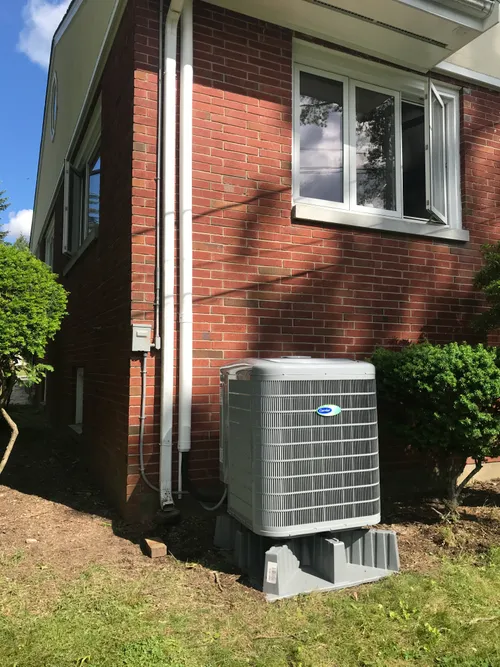
Net Zero Heating & Air Conditioning is an HVAC contractor based in Boston, MA, specializing in the design, installation, maintenance, and repair of heating and cooling systems. They offer services for air conditioners, furnaces, heat pumps, geothermal systems, and high-efficiency water heaters, helping customers improve home energy efficiency and reduce fossil fuel dependency. Their team evaluates each home's needs to recommend and install systems that meet or exceed local energy requirements. Net Zero is certified by NATE, Bryant, and Mitsubishi Diamond, and is a member of 1% for the Planet, reflecting their commitment to environmental goals.
Alvin Hollis
1 Hollis St, South Weymouth, MA 02190
Alvin Hollis is a full-service energy company serving Boston, MA, and the South Shore area. They provide installation, repair, and maintenance for heating and cooling systems including air conditioners, furnaces, heat pumps, mini splits, and geothermal heat pumps. The company also offers indoor air quality services and delivers traditional and sulfur-free heating oil blended with biodegradable materials. Established in 1871, Alvin Hollis has a long history of supporting homes and businesses with energy solutions such as solar power and geothermal energy.
Massachusetts Geothermal
8 Grove St, Medfield, MA 02052
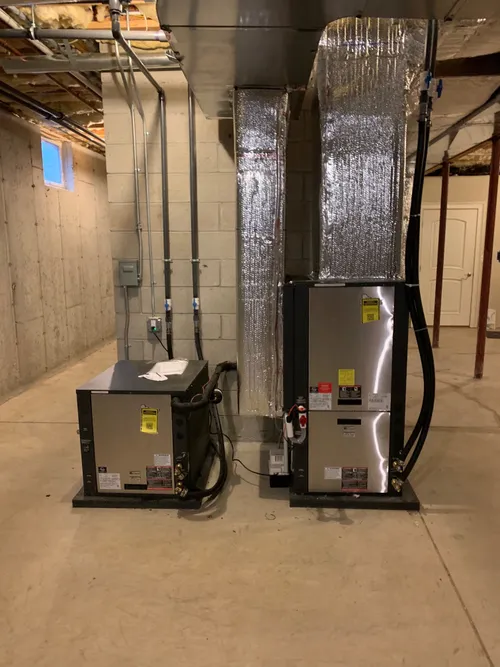
Massachusetts Geothermal is a geothermal heat pump contractor based in Boston, MA. They specialize in installing and servicing geothermal heat pump systems, offering energy-efficient heating and cooling solutions. The company is connected with industry organizations such as the International Ground Source Heat Pump Association and the Geothermal Exchange Organization, reflecting their involvement in the geothermal community.
ATCO HVAC
43 Lyman Rd, Milton, MA 02186
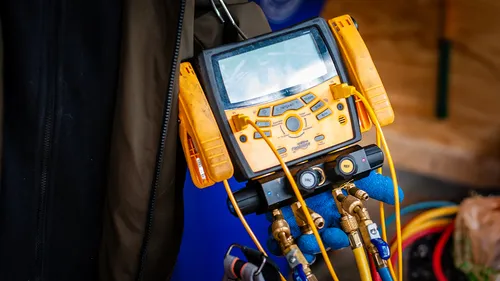
ATCO HVAC is a heating and air conditioning company serving Boston, MA, and nearby communities. They provide installation, repair, and maintenance services for a range of HVAC systems including air conditioners, furnaces, heat pumps, boilers, mini splits, and geothermal heat pumps. The company also offers indoor air quality products and HVAC tune-ups to help maintain system efficiency. As a licensed contractor and dealer for Trane® and Bryant, ATCO HVAC has the expertise and equipment to handle all brands and system types. They provide emergency service and offer service agreements to support ongoing system performance.
EnergySmart Alternatives, LLC
Boston, MA
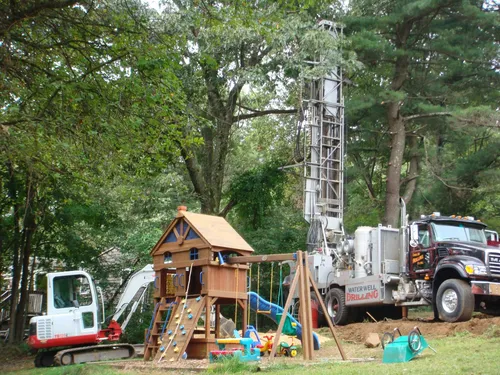
EnergySmart Alternatives, LLC is a geothermal heat pump contractor based in Boston, MA. They manage the entire geothermal project process, including site evaluation, design, permitting, installation, and paperwork for incentives. Their services focus on geothermal heating and cooling systems that use the Earth's stable temperature to provide efficient year-round comfort and improved indoor air quality. EnergySmart handles new builds, retrofits, and replacements with certified installers to ensure proper system performance. Their approach reduces fossil fuel use and carbon footprint while offering financial and environmental benefits.
How Geothermal Systems Work in Weymouth
The core principle behind a geothermal heating and cooling system is remarkably simple: it uses the earth as a thermal battery. In Weymouth, just a few feet below the surface, the ground maintains a stable temperature of approximately 55°F year-round, regardless of the summer heat or winter chill above ground 1 2. A geothermal system taps into this constant temperature to provide efficient climate control.
Here's the basic process:
- Winter Heating: A fluid (usually water mixed with antifreeze) circulates through a loop of pipes buried in your yard, called the ground loop. This fluid absorbs the earth's natural heat and carries it to a heat pump unit inside your home. The heat pump concentrates this thermal energy and distributes warm air through your ductwork.
- Summer Cooling: The process reverses. The system extracts heat from your home's air and transfers it into the cooler fluid in the ground loop. The fluid then releases that heat into the earth, and the cooled air is circulated back into your living spaces.
This elegant heat exchange process is what makes ground-source heat pumps so efficient, as they move heat rather than generate it through combustion, leading to substantial reductions in energy use 3.
Types of Ground Loop Systems
The buried pipe system, or ground loop, is the defining component of a geothermal installation. The right type for your Weymouth home depends largely on your property's characteristics, such as lot size and soil conditions.
Closed-Loop Horizontal Systems This is the most common and often most cost-effective configuration for properties with sufficient land 4. Pipes are laid in trenches that are typically 4 to 6 feet deep. While trenching requires a larger area-often between a quarter to three-quarters of an acre for a standard 2,000-square-foot home-it generally involves lower installation costs compared to drilling 5 6.
Closed-Loop Vertical Systems For homes in Weymouth with smaller yards, a vertical ground-source heat pump is the ideal solution. Instead of trenches, installers drill boreholes about 150 to 200 feet deep and insert U-shaped loop pipes 7 8. This method has a much smaller surface footprint but requires specialized drilling equipment, which can increase the upfront cost.
Open-Loop Systems This configuration uses groundwater from a well as the heat exchange fluid. After circulating through the heat pump, the water is discharged back into a well, pond, or stream. Open-loop systems can be very efficient but are entirely dependent on having a sufficient supply of acceptable quality water available and complying with local discharge regulations.
What to Expect During Installation
Installing a geothermal heating and cooling system is a significant project that requires careful planning and skilled execution. The entire process typically takes between four to seven days from start to finish.
Site Assessment and Planning A qualified installer will first evaluate your property to determine the best type of ground loop. They will assess your yard's size, soil composition, and accessibility for equipment. This stage also involves calculating your home's heating and cooling loads to properly size the indoor heat pump unit.
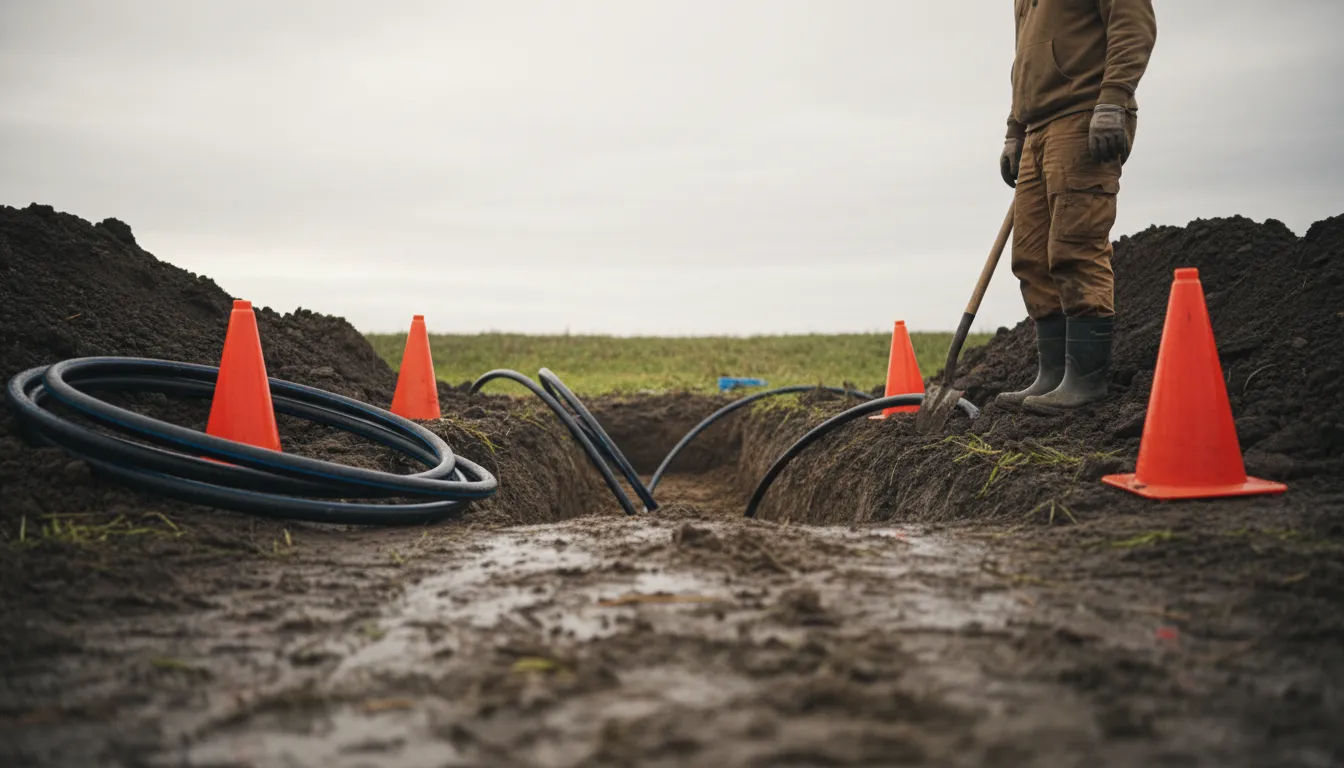
Ground Loop Installation This is the most intensive phase. For a horizontal system, a backhoe will dig the necessary trenches. For a vertical system, a drilling rig will be brought in to create the boreholes. The high-density polyethylene pipes are then placed, connected, and pressure-tested to ensure there are no leaks before the trenches are backfilled. This stage alone can take one to three days.
Indoor Unit and Ductwork Concurrently or immediately after the loop is installed, technicians will place the indoor heat pump unit (which is about the size of a traditional furnace) and connect it to your existing ductwork or install new ducts if needed. Electrical and refrigerant lines are connected between the indoor unit and the ground loop.
System Startup and Testing On the final day, the system is charged with refrigerant, powered up, and put through a series of tests. The installer will calibrate the thermostat and ensure everything is operating at peak efficiency before providing you with a full overview of your new geothermal system's operation.
Find the perfect geothermal heat pump contractors for your needs
Get personalized recommendations and expert advice
Financial Considerations: Costs, Savings, and Incentives
Understanding the investment and long-term benefits is crucial when considering a geothermal heat pump.
Upfront Installation Costs A complete geothermal system installation in Weymouth typically ranges from $20,000 to over $40,000 before incentives. The final cost is highly variable and depends on your home's size, the chosen loop type (horizontal vs. vertical), soil conditions, and the complexity of integrating with your existing ductwork.
Long-Term Energy Savings The primary financial benefit comes from dramatically lower utility bills. Homeowners can see reductions of up to 65% on their heating and cooling costs compared to conventional systems like oil furnaces or standard air-source heat pumps 9 10. This translates to thousands of dollars in savings over the lifespan of the system, which can be 25 years or more for the ground loops and 15+ years for the indoor heat pump unit.
Available Rebates and Tax Credits Massachusetts offers some of the most generous incentives in the country to offset the initial cost:
- Federal Tax Credit: The Residential Clean Energy Credit, established under the Inflation Reduction Act, provides a tax credit for 30% of the total installed cost of a qualifying geothermal heat pump system, with no upper limit 11 12 13.
- Mass Save® Incentives: The state's energy efficiency program offers significant rebates for ground-source heat pump installations. These rebates are paid directly to the participating contractor, reducing the amount you finance or pay out-of-pocket 14.
Combining these incentives can reduce the net cost of a system by 40-50%, making the long-term savings even more compelling.
Choosing a Provider in Weymouth
Selecting the right installer is the most important step in your geothermal journey. Look for a contractor with specific, proven experience in ground-source heat pump installations. They should be able to explain the pros and cons of each loop type for your specific property and provide a detailed, written estimate that includes all equipment, labor, and a plan for obtaining available rebates. A reputable professional will also handle the necessary permits and ensure the system design meets all local codes and manufacturer specifications for optimal performance.
Frequently asked questions
Sources
Footnotes
-
Geothermal Pilot Reference Guide - Eversource - https://www.eversource.com/residential/save-money-energy/clean-energy-options/geothermal-energy/geothermal-pilot-reference-guide ↩
-
Geothermal Ground-Source Heat Pump | Mass.gov - https://www.mass.gov/doc/about-geothermal-heat-pumps-handout/download ↩
-
Ground-Source Heat Pumps - Abode Energy Management - https://abodeenergy.com/wp-content/uploads/2022/07/MassCEC_GSHP_GUIDE.pdf ↩
-
Geothermal/Hybrid Heating | HVAC Services Boston MA - https://bostonuniqueindoorcomfort.com/products/geothermalhybrid-heating/ ↩
-
Geothermal Heat Pumps - Department of Energy - https://www.energy.gov/energysaver/geothermal-heat-pumps ↩
-
Geothermal Heat Pump Installation: What To Expect For Your Property - https://jomory.com/geothermal-heat-pump-installation-what-to-expect-for-your-property/ ↩
-
Geothermal Installation Steps Explained - https://ultrageothermal.com/geothermal-installation-steps-explained/ ↩
-
How Does A Geothermal Heat Pump Work? Complete 2025 Guide - https://solartechonline.com/blog/how-does-geothermal-heat-pump-work/ ↩
-
5 Things You Should Know about Geothermal Heat Pumps - https://www.energy.gov/cmei/articles/5-things-you-should-know-about-geothermal-heat-pumps ↩
-
Everything You Need to Know About Geothermal Heat Pumps - https://www.familyhandyman.com/article/everything-you-need-to-know-about-geothermal-heat-pumps/ ↩
-
Ground Source Heat Pumps | Residential - Mass Save - https://www.masssave.com/residential/rebates-offers-services/heating-and-cooling/heat-pumps/ground-source-heat-pumps ↩
-
Geothermal Heat Pump Guide: Installation Costs, Types And Benefits - https://modernize.com/hvac/heating-repair-installation/heat-pump/geothermal ↩
-
The Hidden Costs of HVAC Installations in Massachusetts - https://askgem.com/blog/hidden-costs-of-hvac-installations-in-massachusetts/ ↩
-
Ground-Source Heat Pumps - Massachusetts Clean Energy ... - https://goclean.masscec.com/clean-energy-solutions/ground-source-heat-pumps/ ↩